




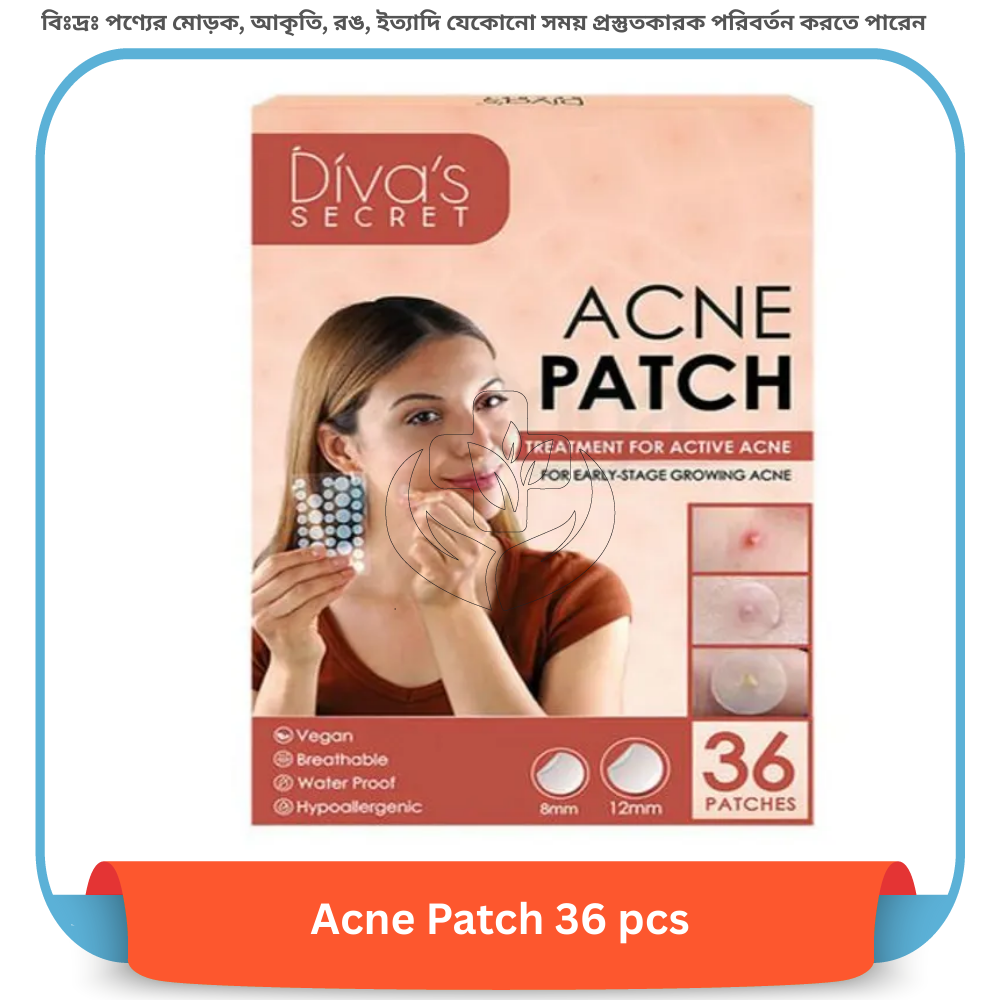
Acne Patch 36 pcs
+88 01568-208768
-

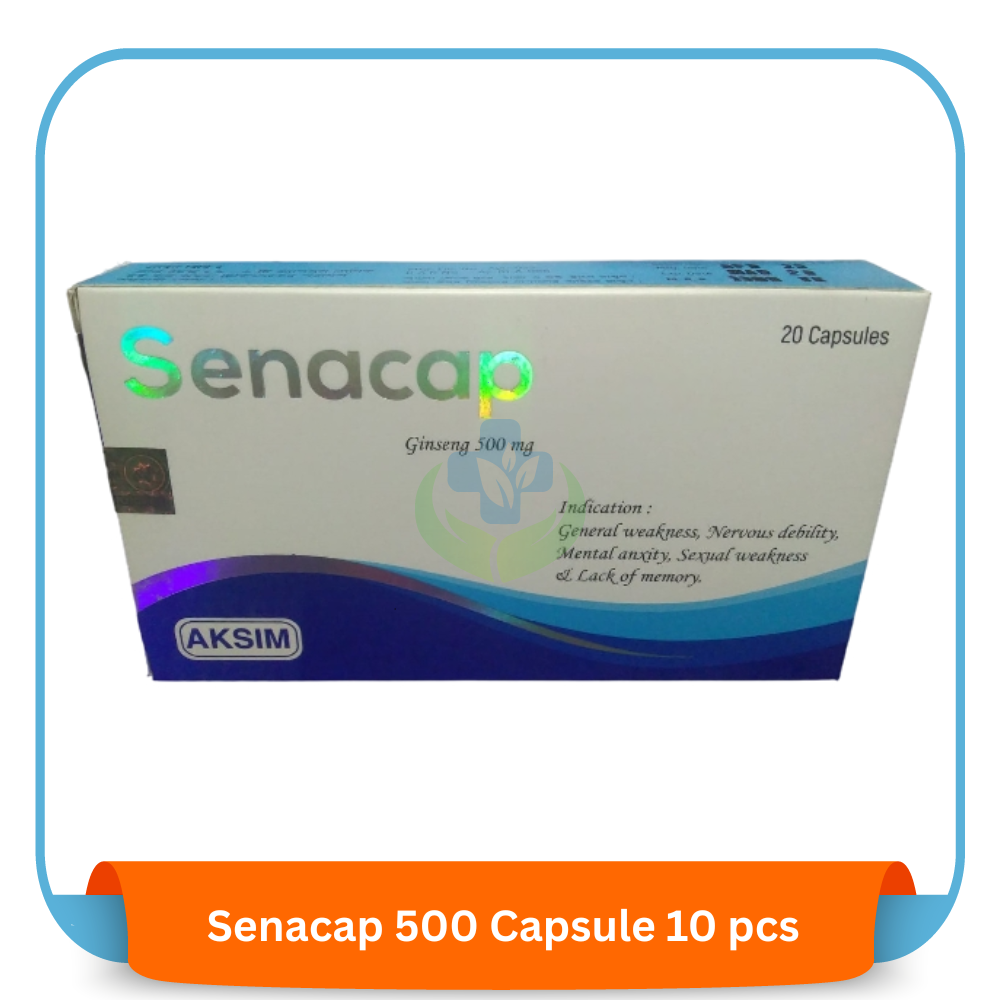
Senacap 500 Capsule 10 pcs
৳617.50 -
Xiovit D3 Pediatric Drops 30 ml
৳502.90 -
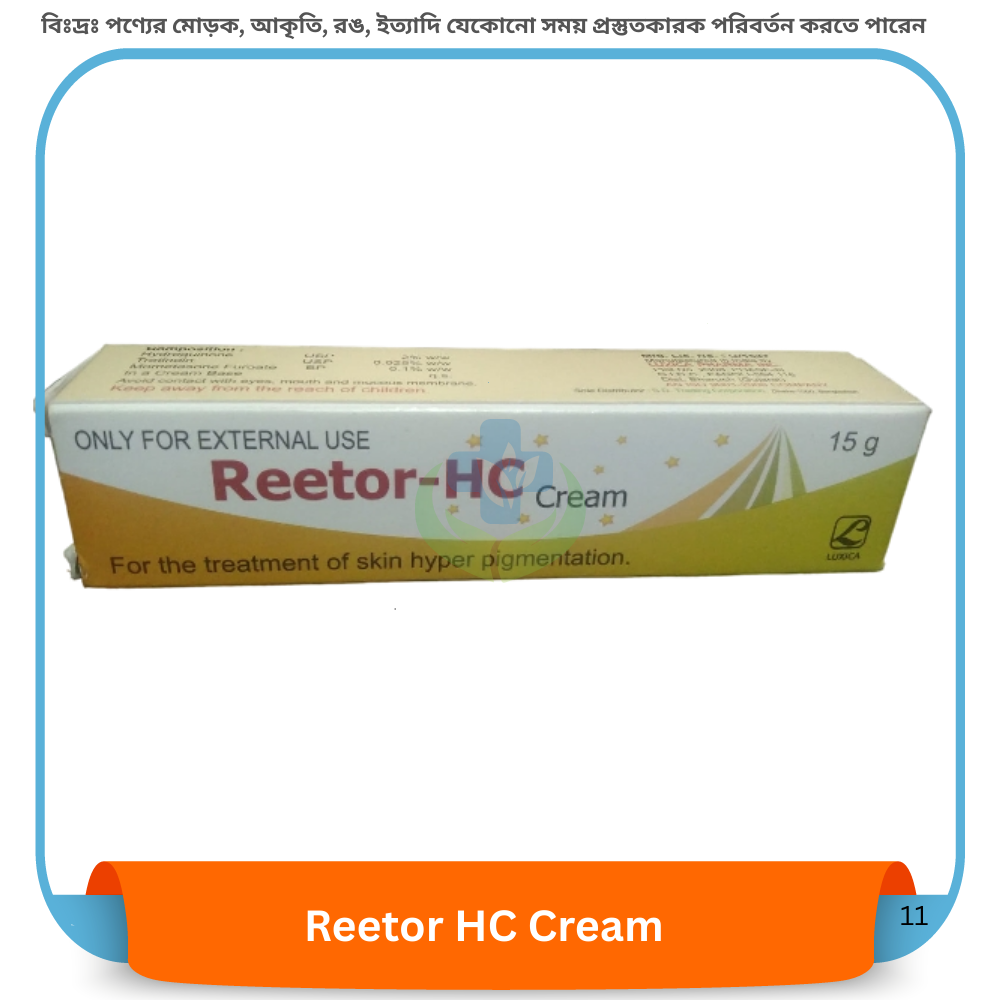
Reetor HC Cream 15 gm
৳841.30 -
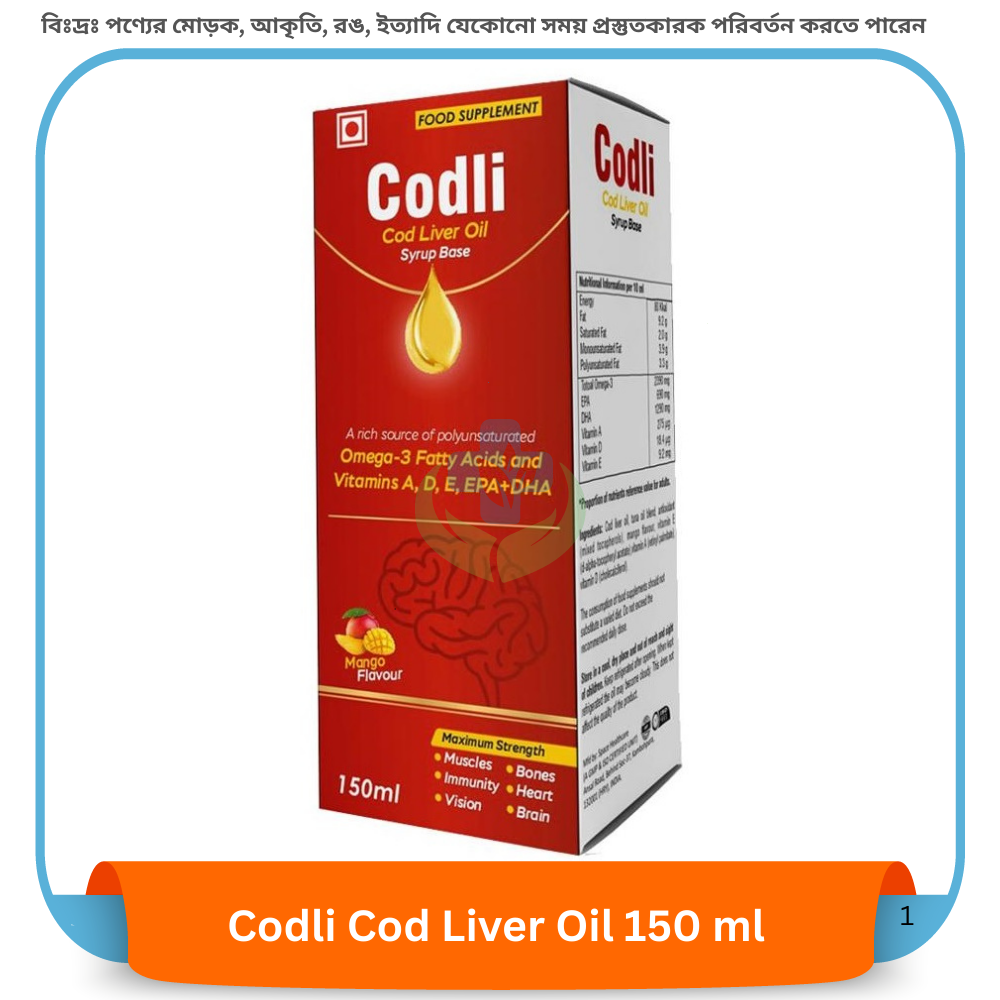
Codli Cod Liver Oil 150 ml
৳1,567.50 -
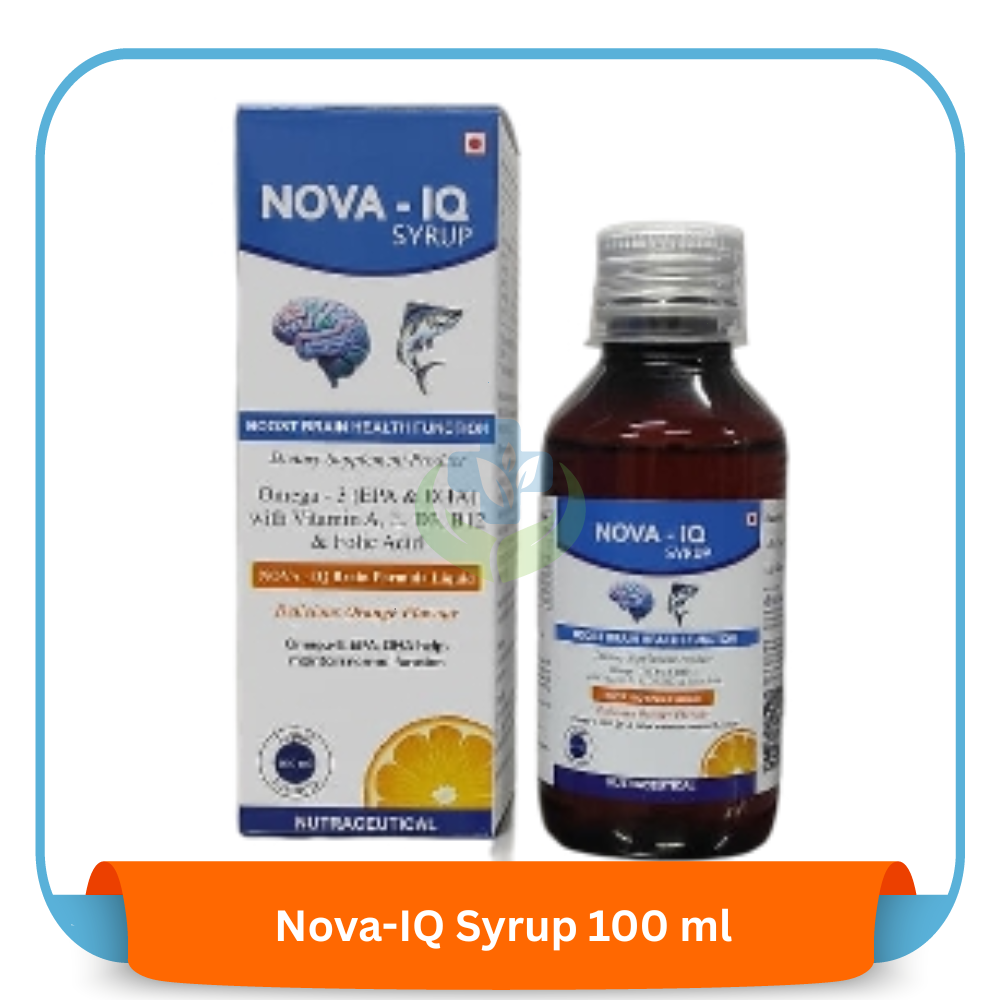
Nova-IQ Syrup 100 ml
৳714.40 -
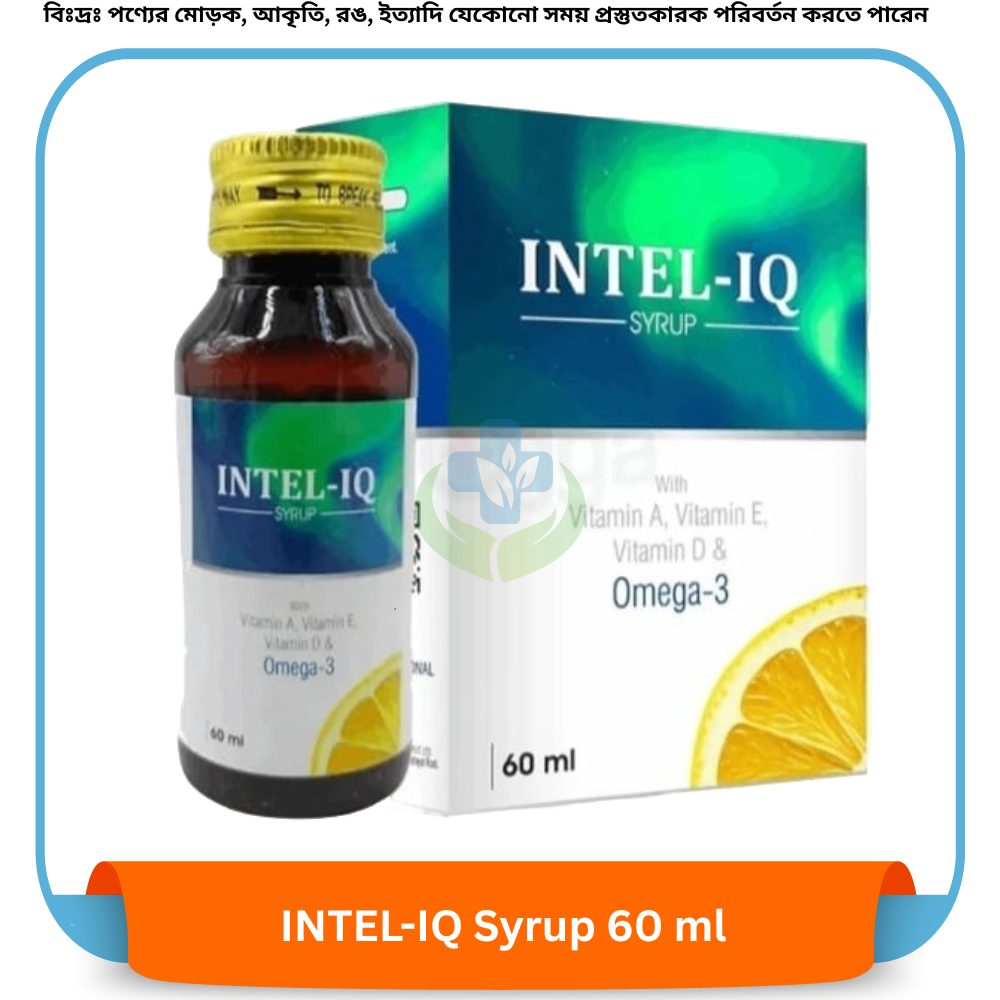
INTEL-IQ Syrup 60 ml
৳700.00
Acne Patch for individual pimples, primarily by absorbing
impurities and providing a protective barrier to aid healing. They are a
convenient spot treatment for surface-level acne.
Introduction of Acne Patch:
Acne
patches, also known as pimple patches or acne stickers, have become a popular
skincare solution for managing sudden breakouts. Most are made from
hydrocolloid, a gel-forming material long used in medical wound dressings,
which creates a moist environment conducive to healing. They offer a simple way
to address blemishes without picking or touching, a common habit that can
worsen inflammation and lead to scarring.
Benefits of Acne Patch:
Ø Impurity Absorption: The
hydrocolloid material acts like a mini-vacuum to absorb excess pus, oil, and
fluid from the pimple, which helps reduce its size and redness.
Ø Protection: Patches create a physical
barrier against dirt, bacteria, and external contaminants, reducing the risk of
infection.
Ø Prevents Picking: By
covering the blemish, the patch physically stops you from touching or picking
at it, a primary cause of prolonged healing and scarring.
Ø Faster Healing: They
maintain a moist environment that promotes the skin's natural healing process.
Ø Discreet and Convenient: Many
patches are clear or skin-toned and can be worn during the day, even under
makeup, for a subtle treatment option.
Ingredients of Acne Patch:
The
primary ingredient in most acne patches is hydrocolloid. Some
medicated patches may also contain active ingredients for enhanced
efficacy:
Ø Salicylic Acid: A beta
hydroxy acid (BHA) that helps exfoliate the skin and unclog pores.
Ø Tea Tree Oil: A natural
ingredient with antibacterial and anti-inflammatory properties.
Ø Niacinamide: Helps
reduce swelling and irritation.
Ø Hyaluronic Acid: Used in
some advanced (e.g., microneedle) patches to lock in hydration.
Usage Instruction of Acne Patch:
Ø
Cleanse and Dry: Wash
your face with a mild cleanser and ensure the affected area is completely clean
and dry before application.
Ø
Apply the Patch: Select
a patch that fully covers the pimple and apply it directly to the blemish,
pressing gently to ensure it adheres well. Avoid applying other skincare
products underneath the patch.
Ø
Leave On: Leave
the patch on for at least 6 to 8 hours, or preferably overnight.
Ø
Remove and Repeat: The
patch will turn white or opaque as it absorbs impurities. Remove it after the
recommended time. If the pimple is not fully healed, you can cleanse the area
and apply a fresh patch.
Side Effect of Acne Patch:
Acne
patches are generally safe for most people, with minimal side effects. However,
potential side effects can include:
Ø Skin Irritation: Some
individuals may experience redness, itching, or a rash, particularly from the
adhesive or added active ingredients like salicylic acid.
Ø Dryness: Overuse or use on non-acne
areas can lead to temporary dryness around the patch.
Ø Allergic Reactions: Individuals
with sensitive skin may have allergic reactions to specific ingredients.
Ø Ineffectiveness on Certain Acne: Patches
are best for whiteheads and surface pimples, but they may not be effective for
blackheads or deep, cystic acne.
If significant irritation occurs, discontinue use and consult a dermatologist.
Related products
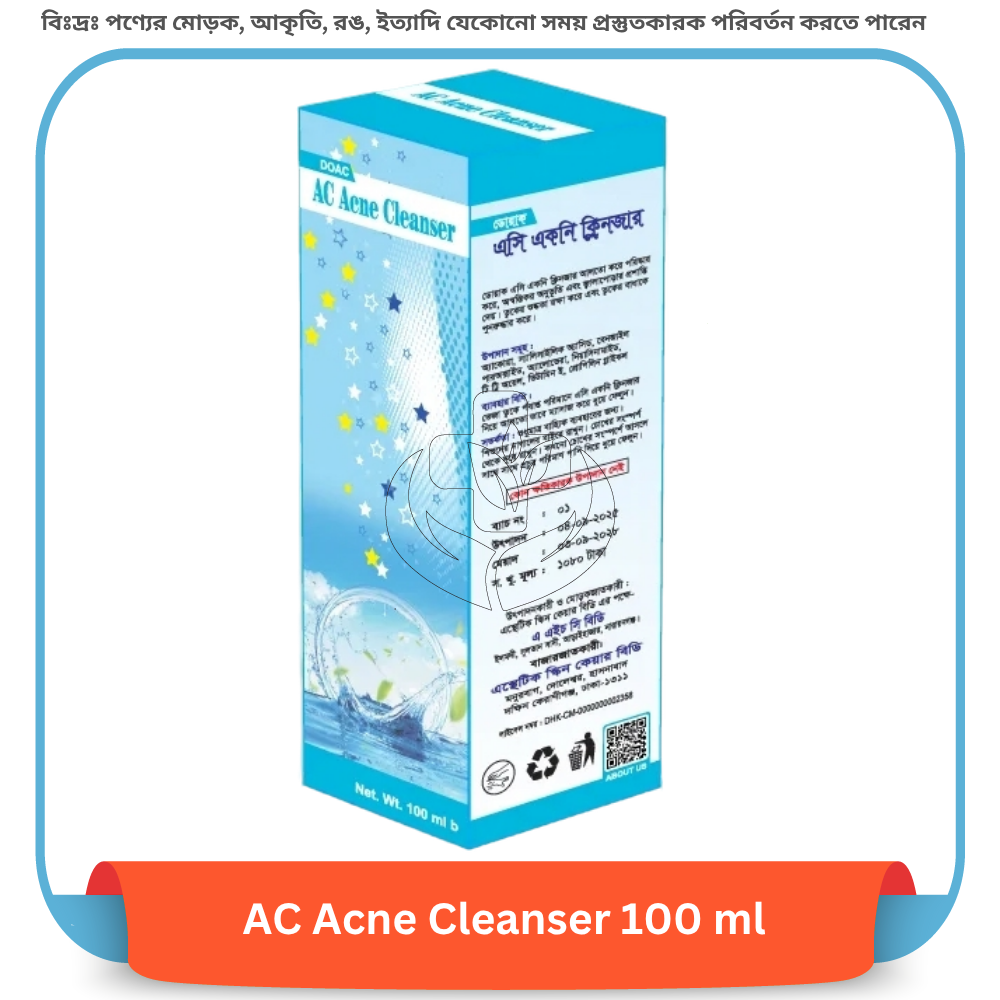
AC Acne Cleanser 100 ml
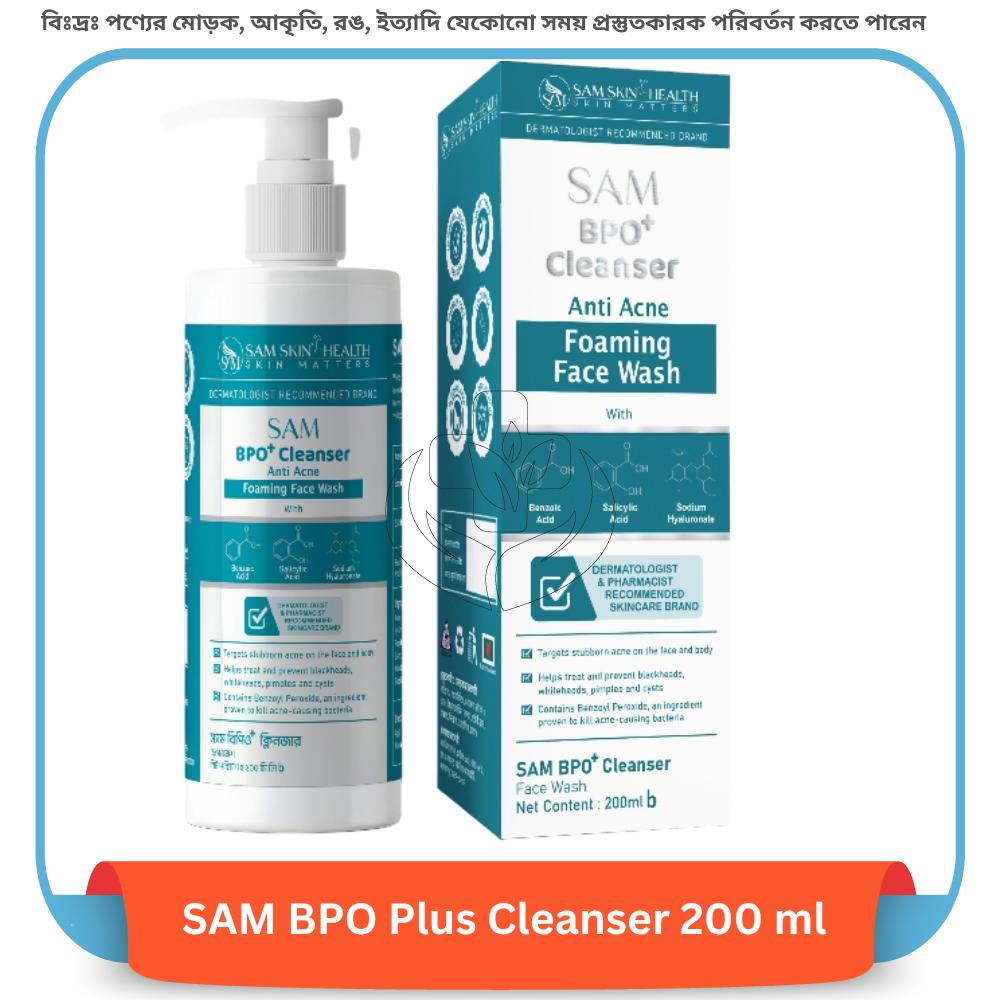
SAM BPO Plus Cleanser 200 ml
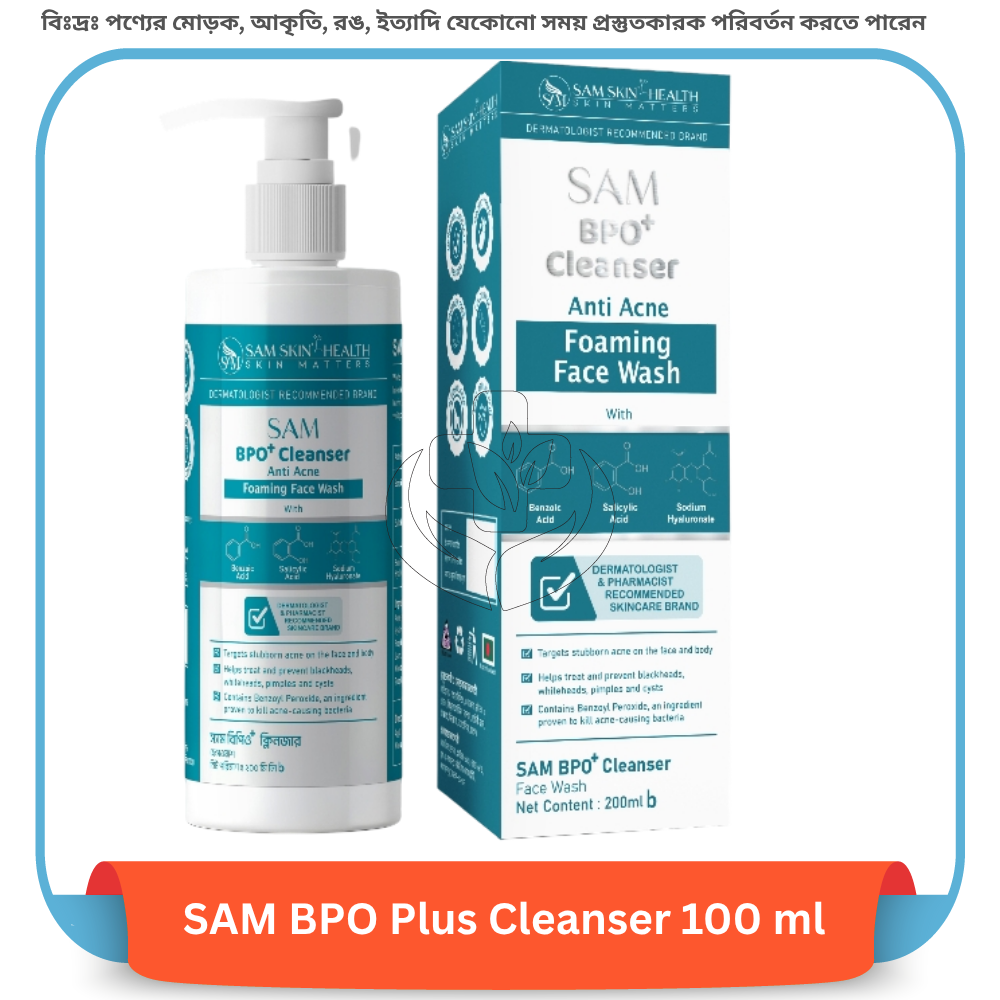
SAM BPO Plus Cleanser 100 ml
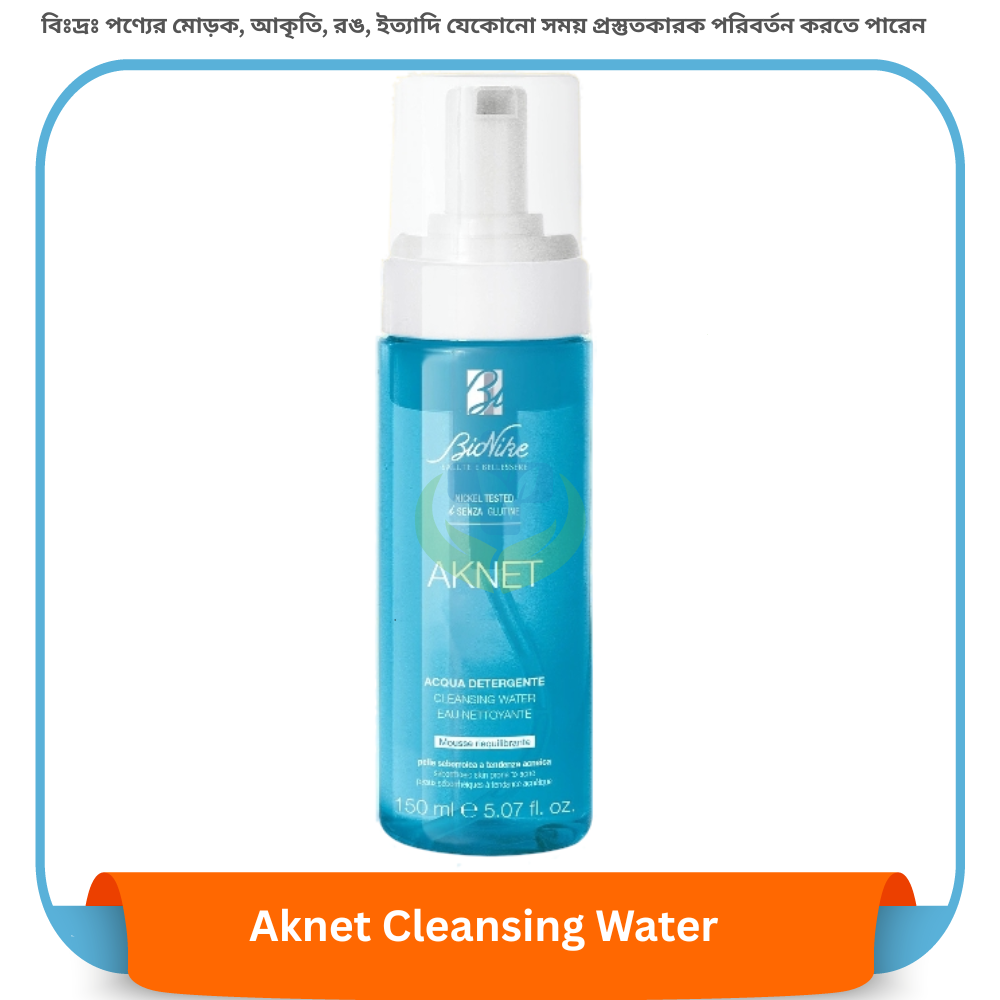
Bionike Aknet Cleansing Water 150 ml
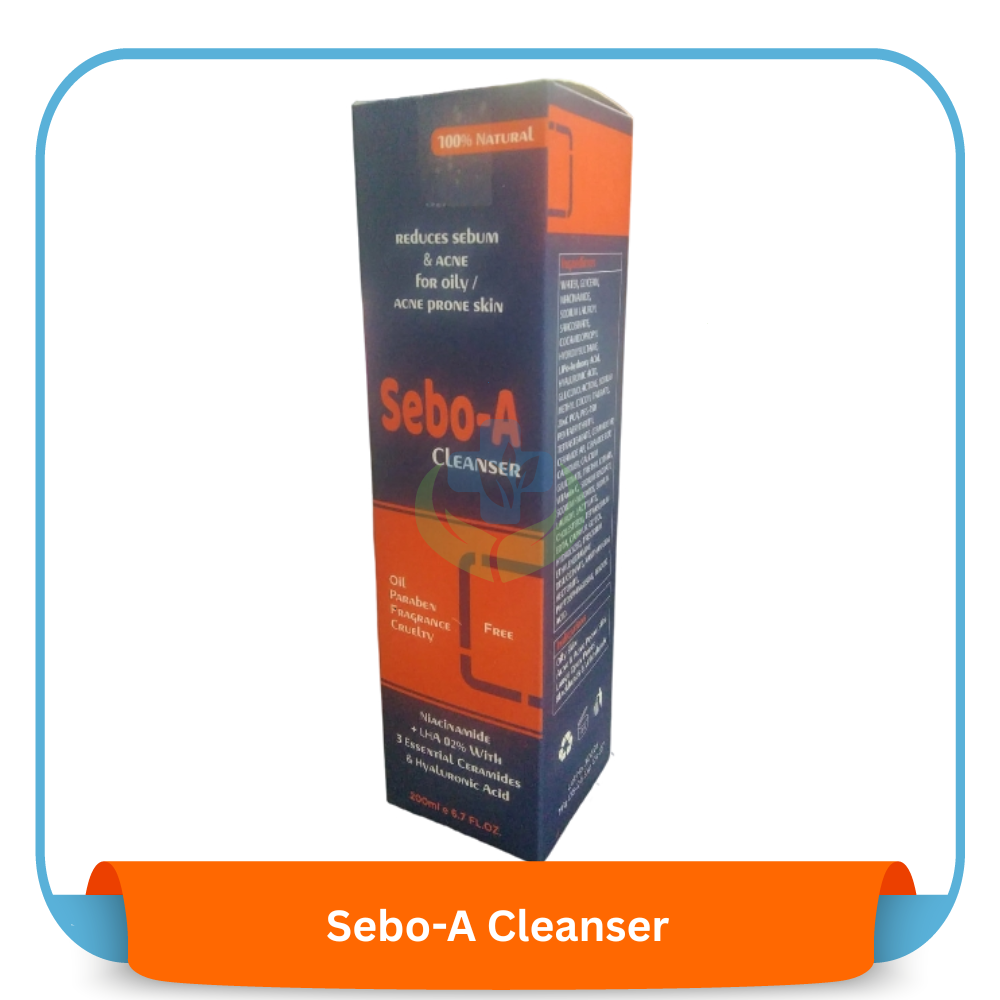
Sebo-A Cleanser 200ml


Contact Info
- Address: DOHS, Mirpur, Dhaka
- Phone: 01336 242 804
- Email: order@careonbd.com