





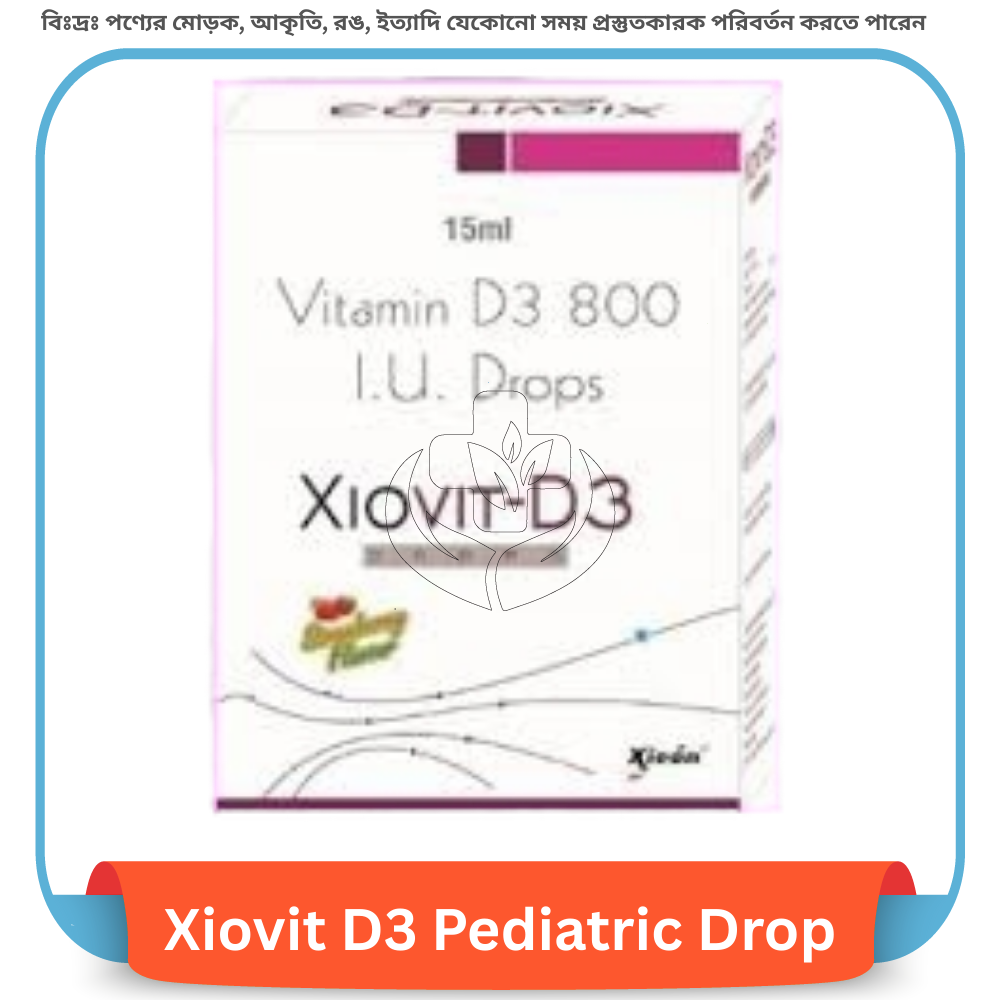
Xiovit D3 Pediatric Drops 30 ml
+88 01568-208768
-

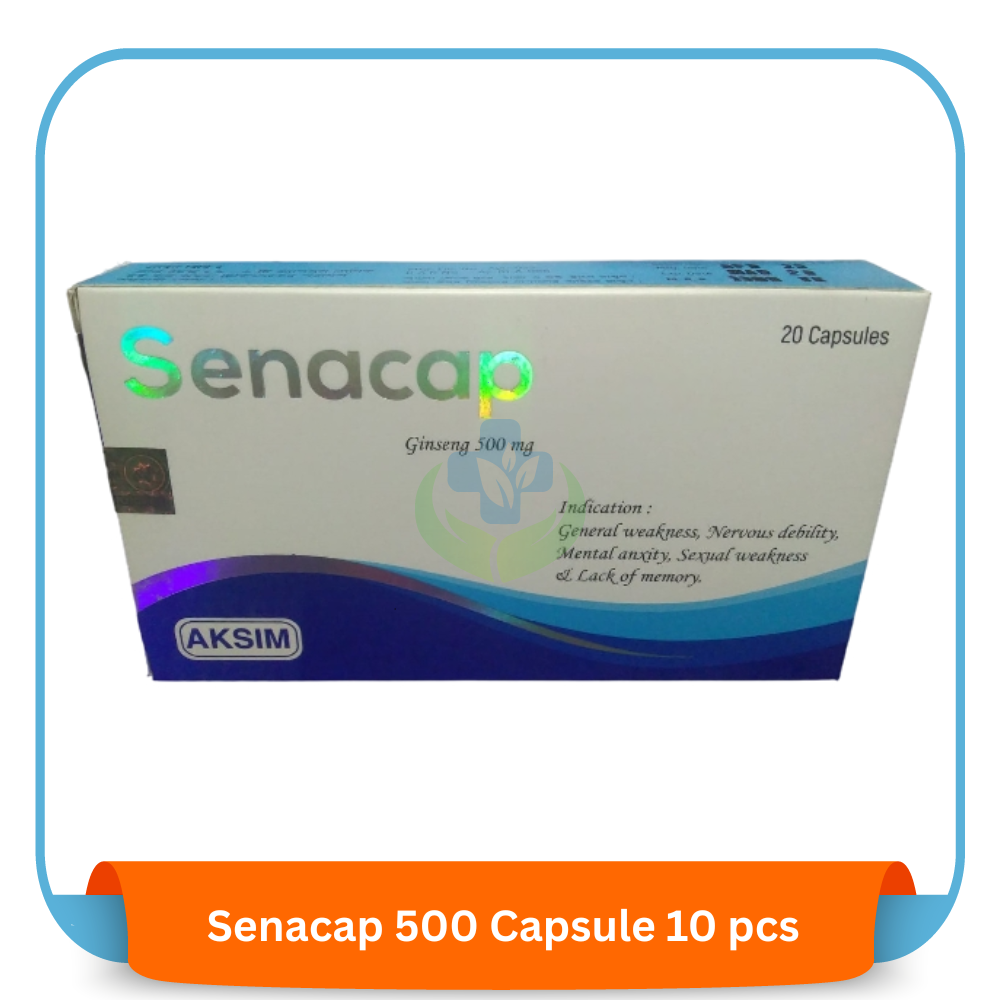
Senacap 500 Capsule 10 pcs
৳617.50 -
Xiovit D3 Pediatric Drops 30 ml
৳502.90 -
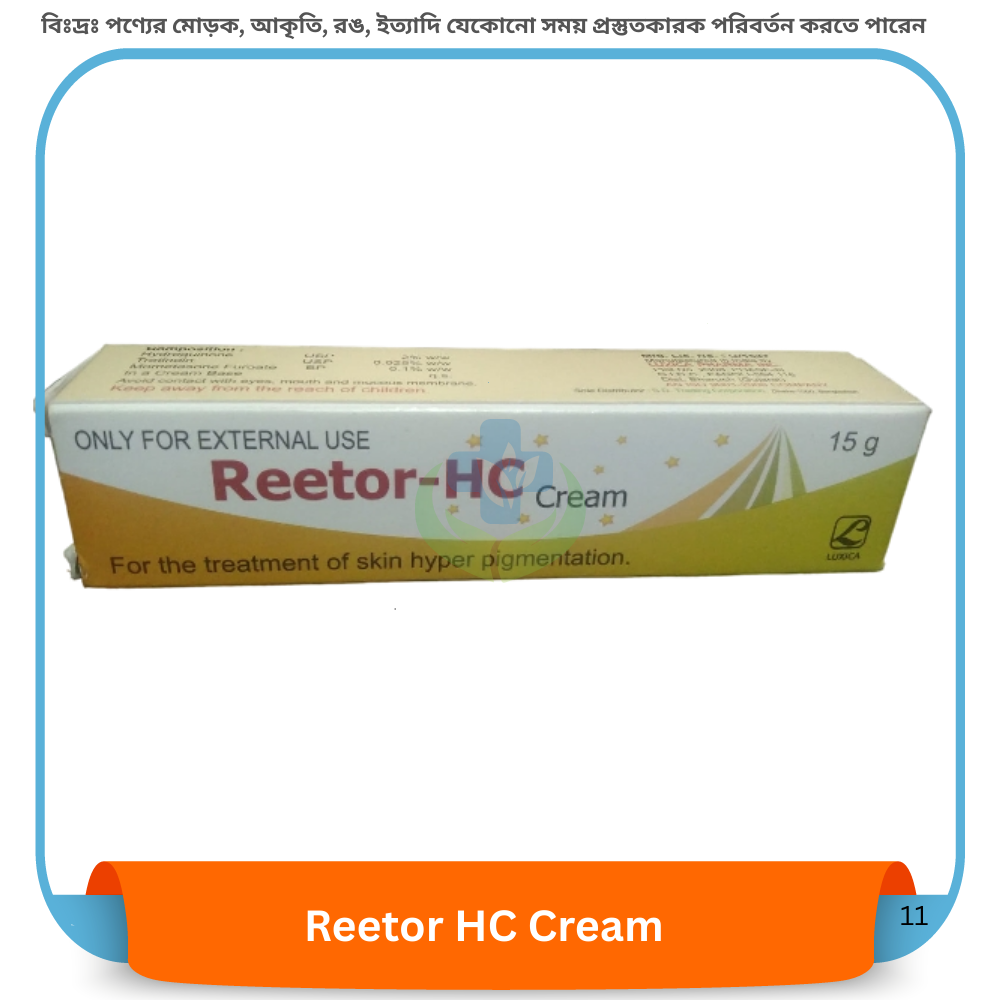
Reetor HC Cream 15 gm
৳841.30 -
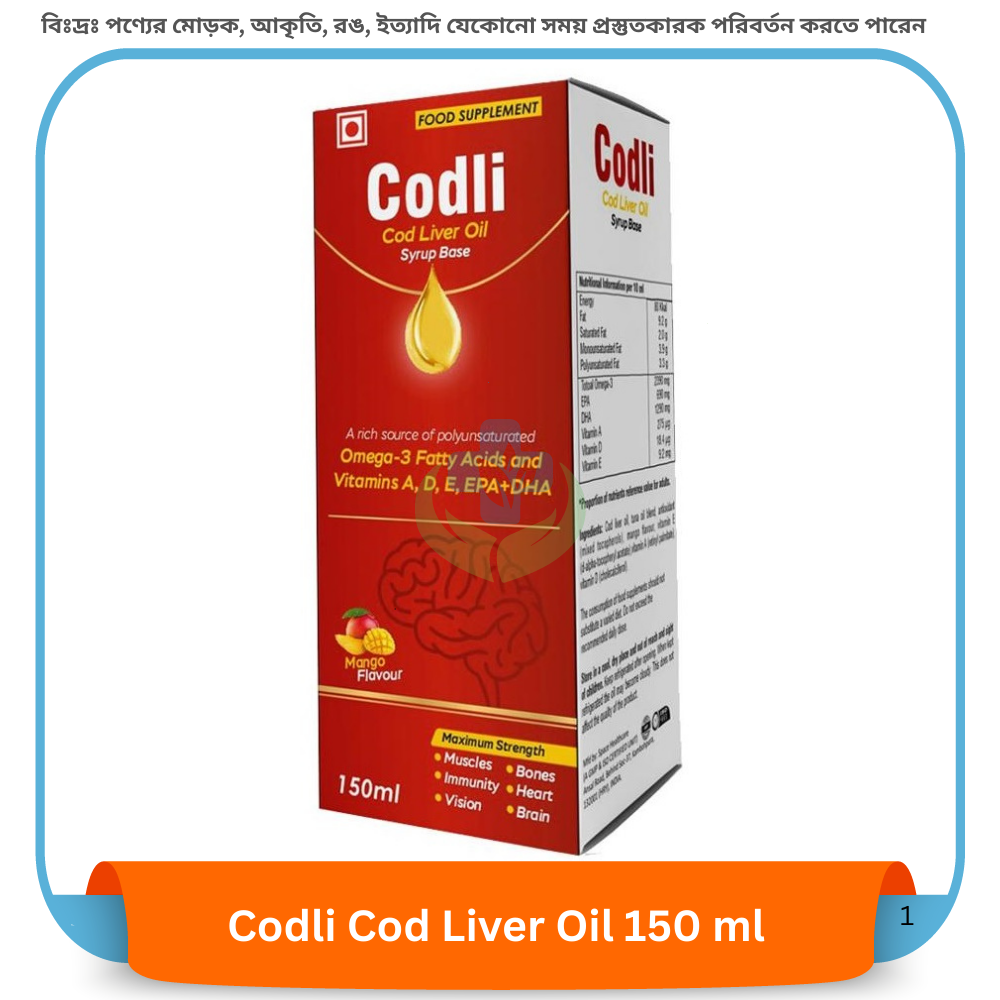
Codli Cod Liver Oil 150 ml
৳1,567.50 -
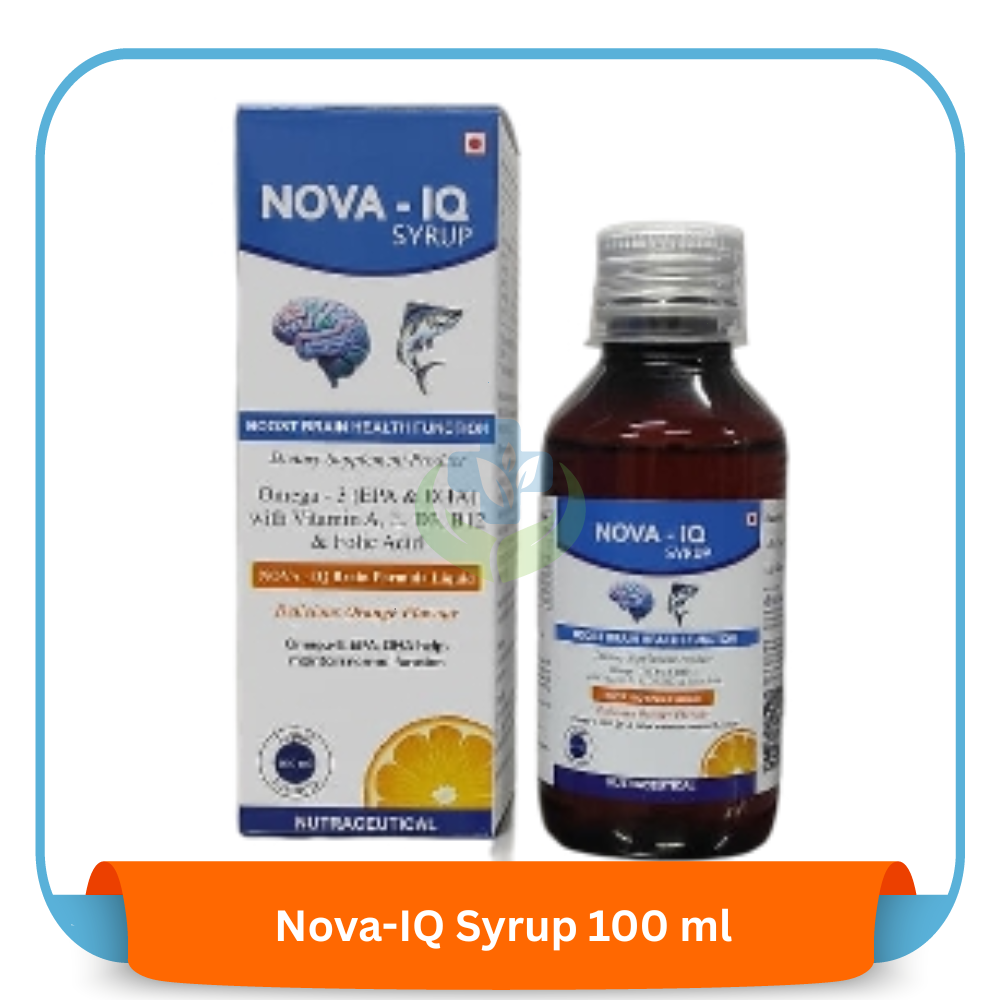
Nova-IQ Syrup 100 ml
৳714.40 -
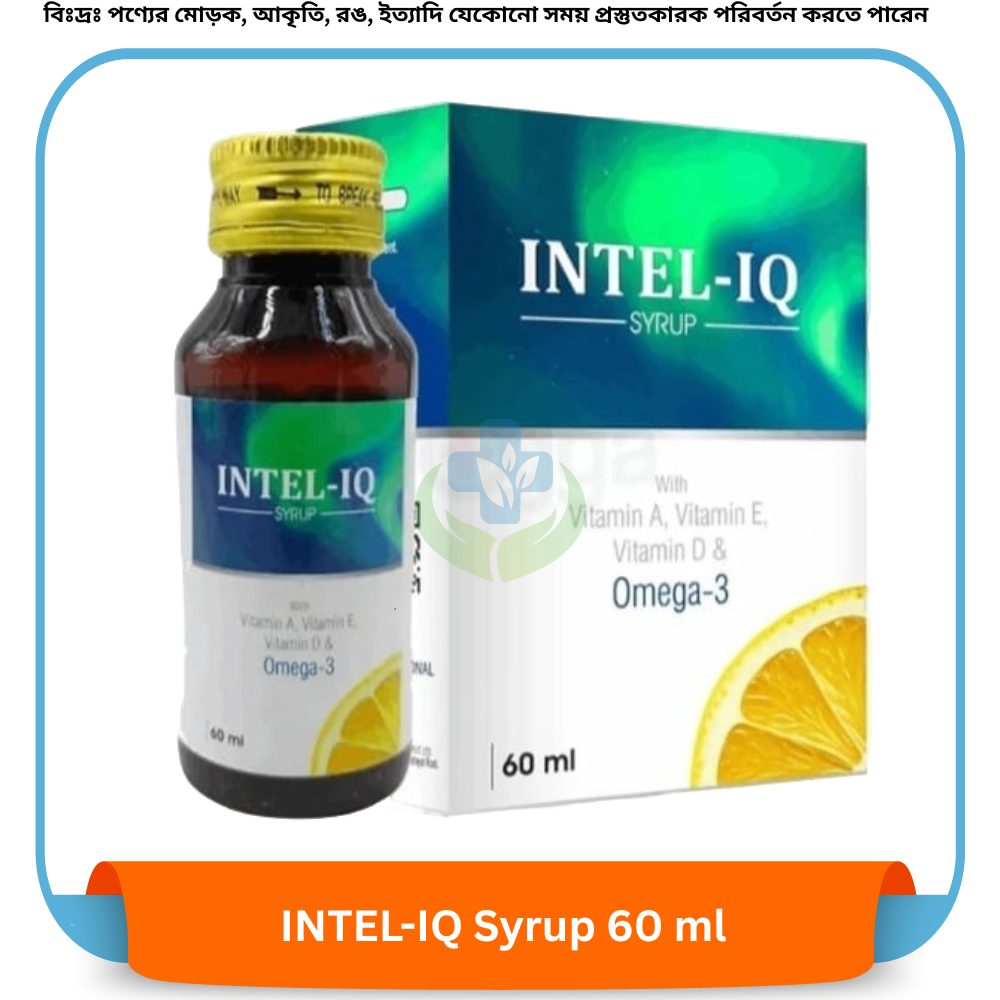
INTEL-IQ Syrup 60 ml
৳700.00
Xiovit D3 is an oral solution
typically containing 800 IU of Vitamin D3 per milliliter or
specified dose. It is primarily used to prevent and treat Vitamin D deficiency
in pediatric populations where sunlight exposure or dietary intake may be insufficient.
Ingredients of Xiovit D3:
The
primary active ingredient is Vitamin D3 (Cholecalciferol). Common
excipients (inactive ingredients) found in similar pediatric formulations
include:
Ø Purified water and MCT oil (medium-chain
triglycerides) or other oil bases to enhance absorption.
Ø Emulsifiers: Polysorbate
80.
Ø Preservatives: Potassium
sorbate.
Ø Acidity regulators: Citric
acid and sodium lactate.
Benefits of Xiovit D3:
Ø Bone & Teeth Health: Facilitates
the absorption of calcium and phosphorus, critical for forming strong bones and
preventing rickets.
Ø Immune Support: Boosts
the body's natural defense system to help fight infections.
Ø Muscle Function: Supports
normal muscle growth and functioning.
Usage Information of Xiovit D3:
Information
regarding the use of Xiovit D3 Pediatric Drops typically includes details on
how it should be administered. It is often provided as an oral solution, and
the drops can be given directly into the child's mouth. Another method involves
mixing the drops with a small amount of expressed breast milk or formula.
Alternatively, the drops can be placed on a clean surface such as a spoon or
the mother's nipple before breastfeeding. It is usually advised to shake the
bottle well before use.
Side Effects of Xiovit D3:
While
Vitamin D3 is generally considered safe when used appropriately, taking too
much can lead to an accumulation of excessive amounts of Vitamin D in the body.
Although uncommon, potential side effects associated with high levels of
Vitamin D intake may include:
Ø Elevated Calcium Levels: An
increase in calcium levels in the blood, which may result in symptoms such as
nausea, vomiting, or weakness.
Ø Digestive Discomfort: Issues
like constipation or abdominal discomfort.
Ø Allergic Responses: Skin
reactions like rash, itching, or hives.
Ø Urinary Changes: Increased need to urinate frequently or elevated calcium levels detected in the urine.
Related products
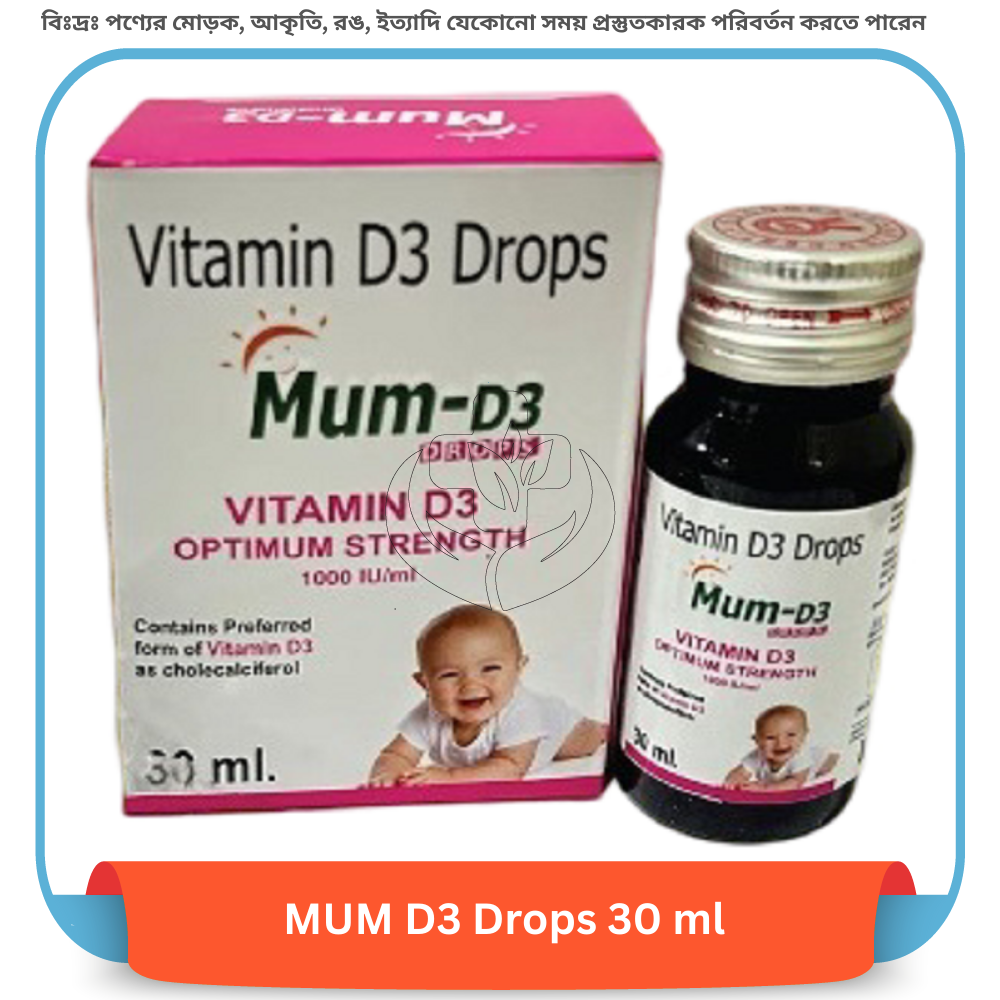
MUM D3 Drops 30 ml
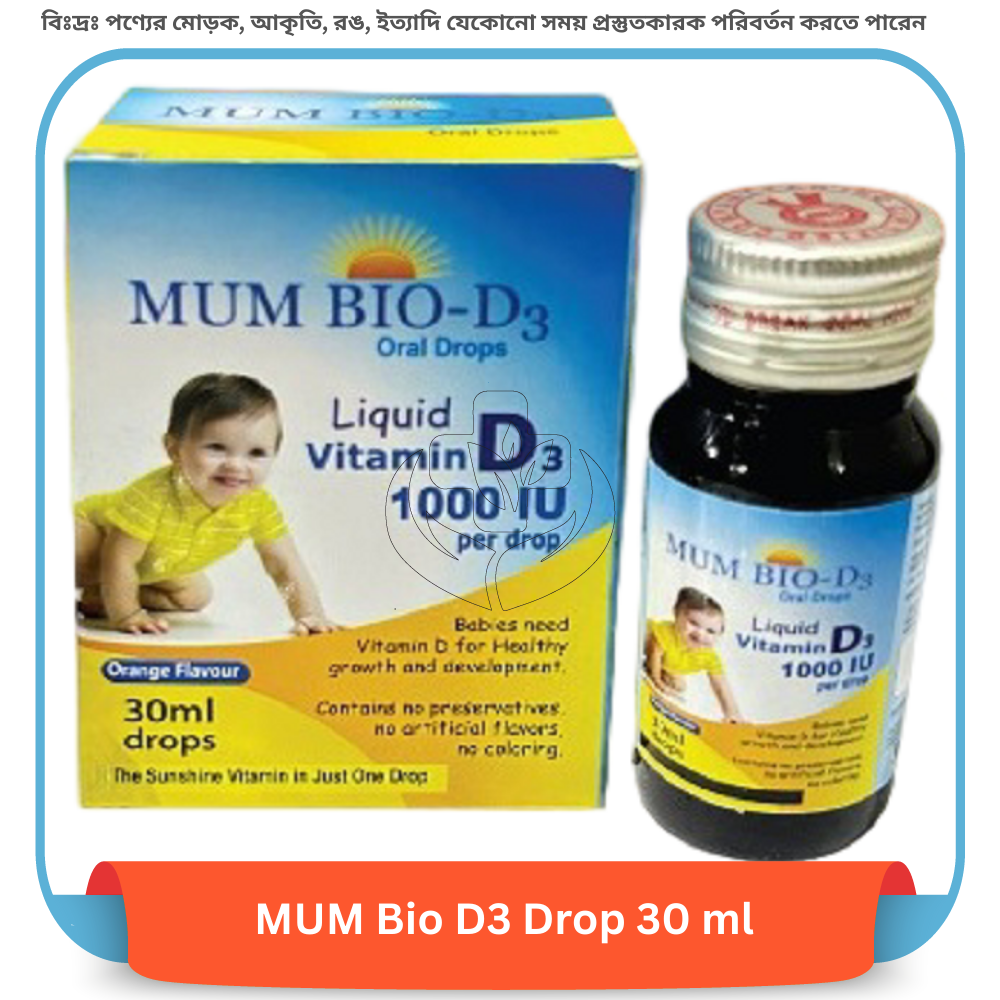
MUM Bio D3 Drop 30 ml
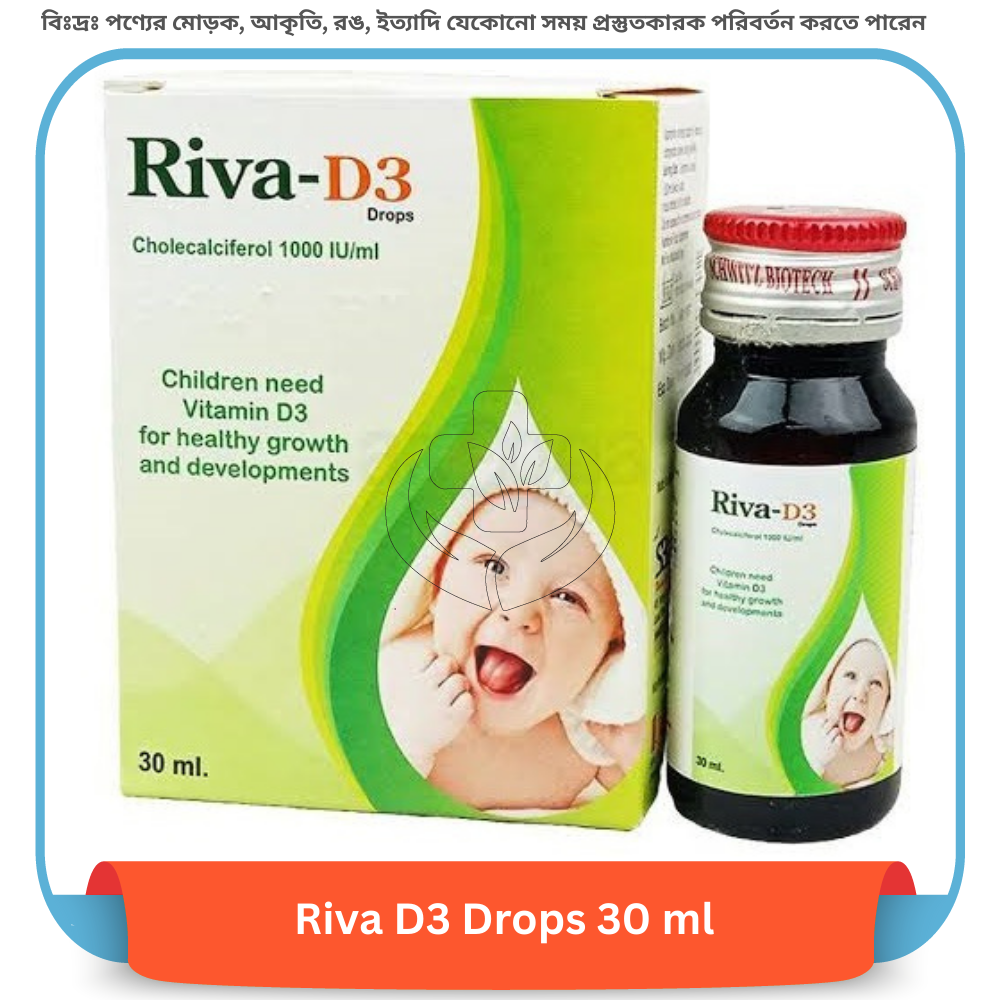
Riva D3 Drops 30 ml
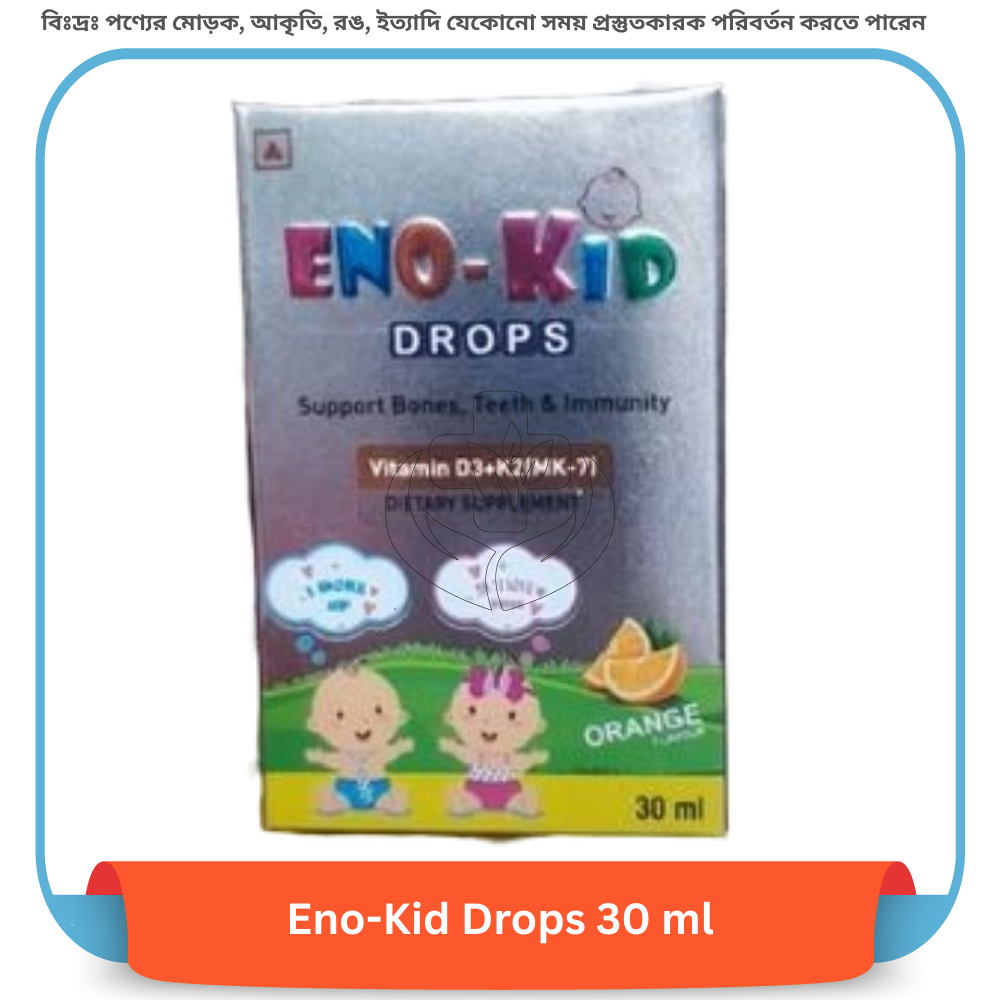
Eno-Kid Drops 30 ml
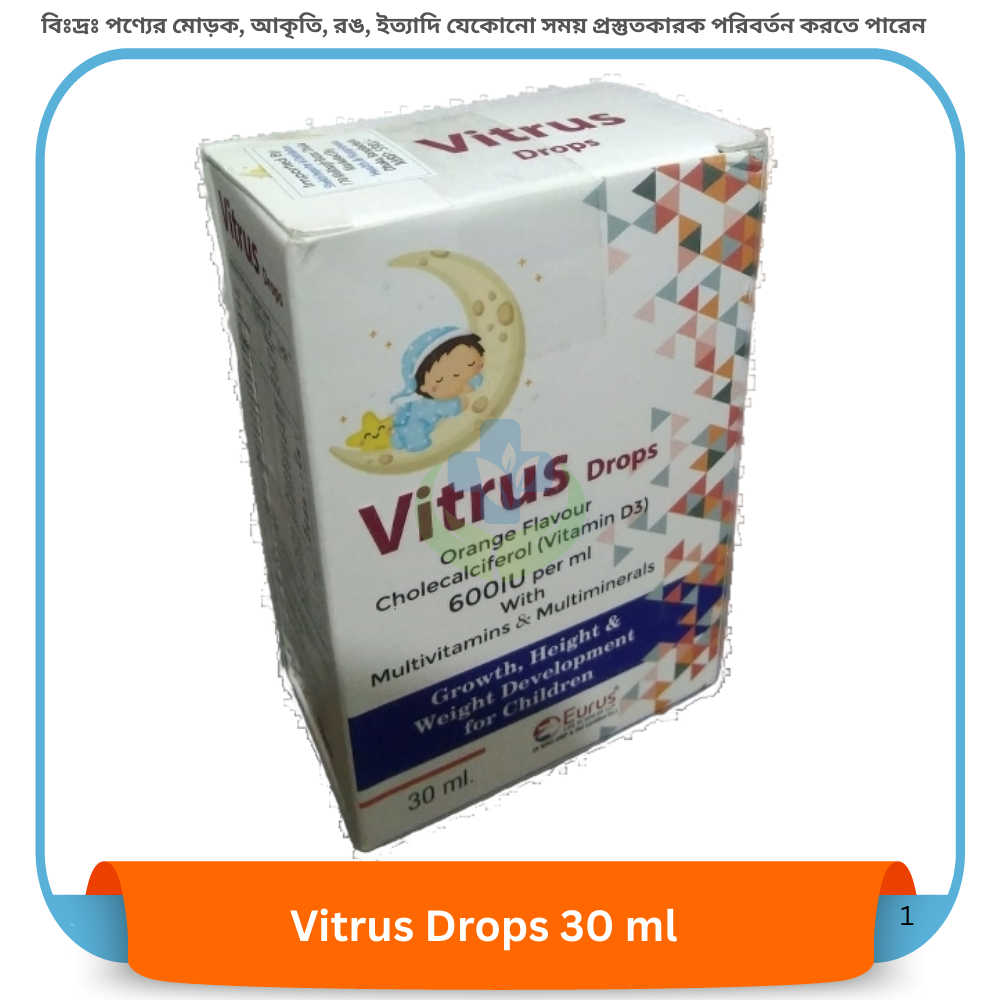
Vitrus Drops 30 ml
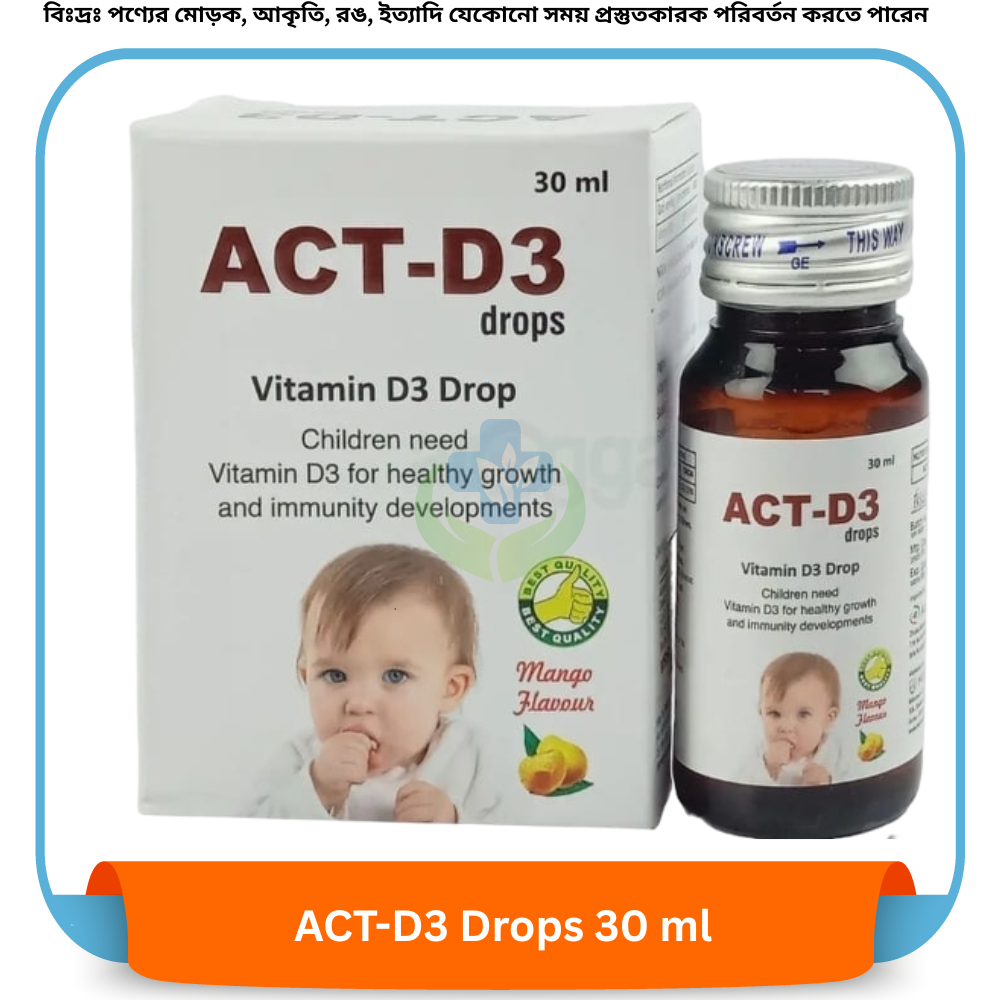
ACT-D3 Drops 30 ml
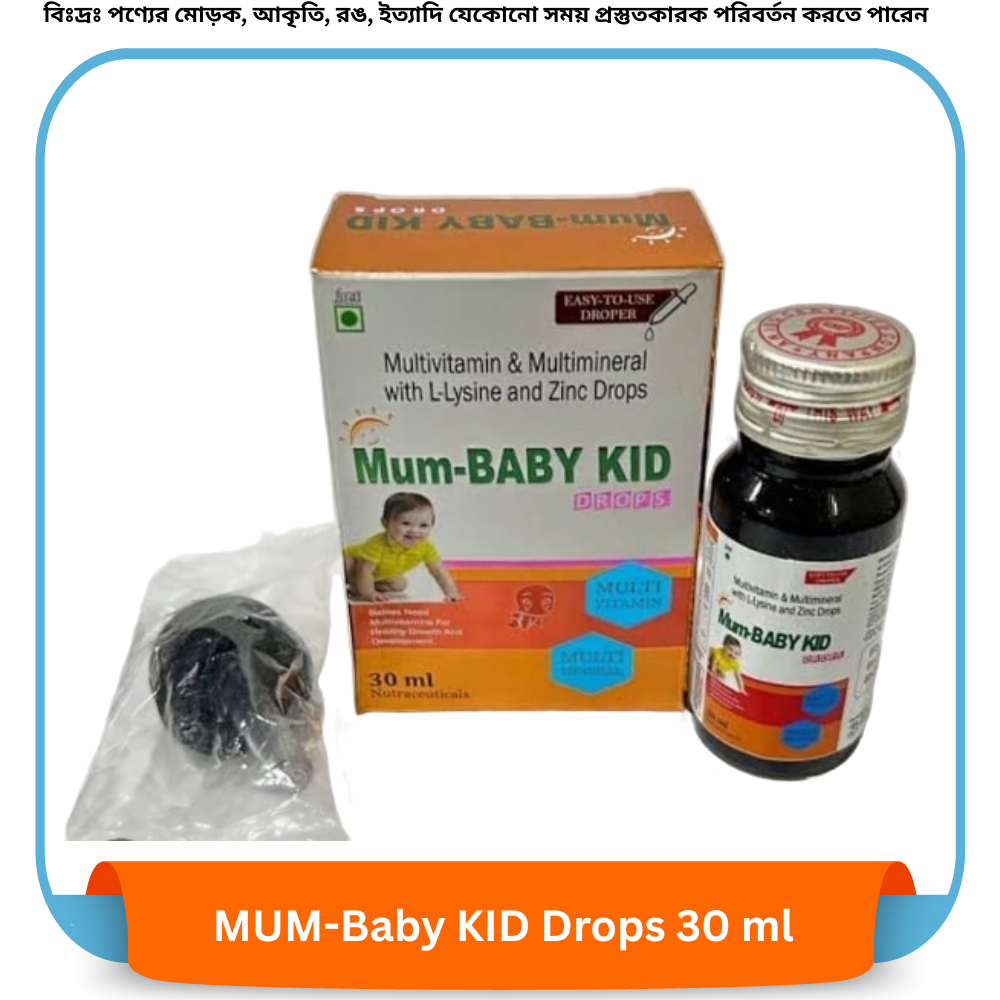
MUM Baby KID Drops 30 ml
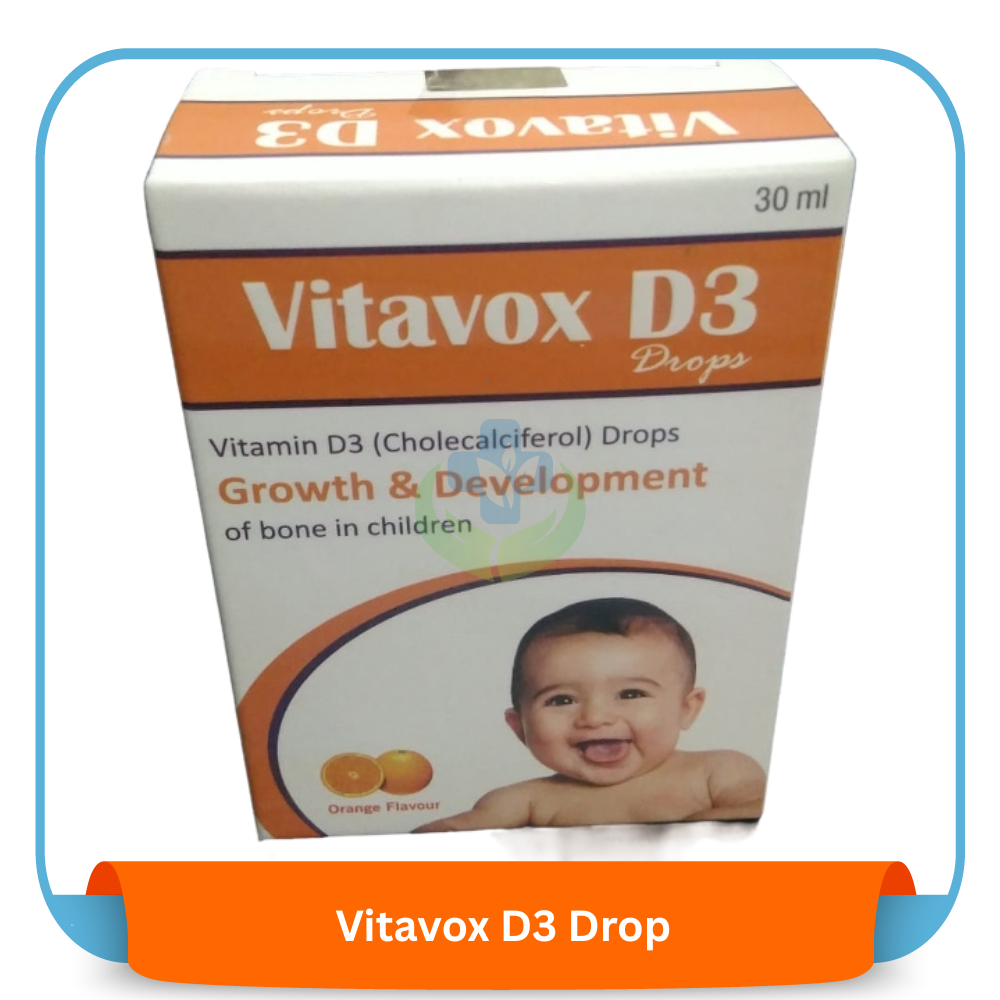
Vitavox D3 Drop 30 ml
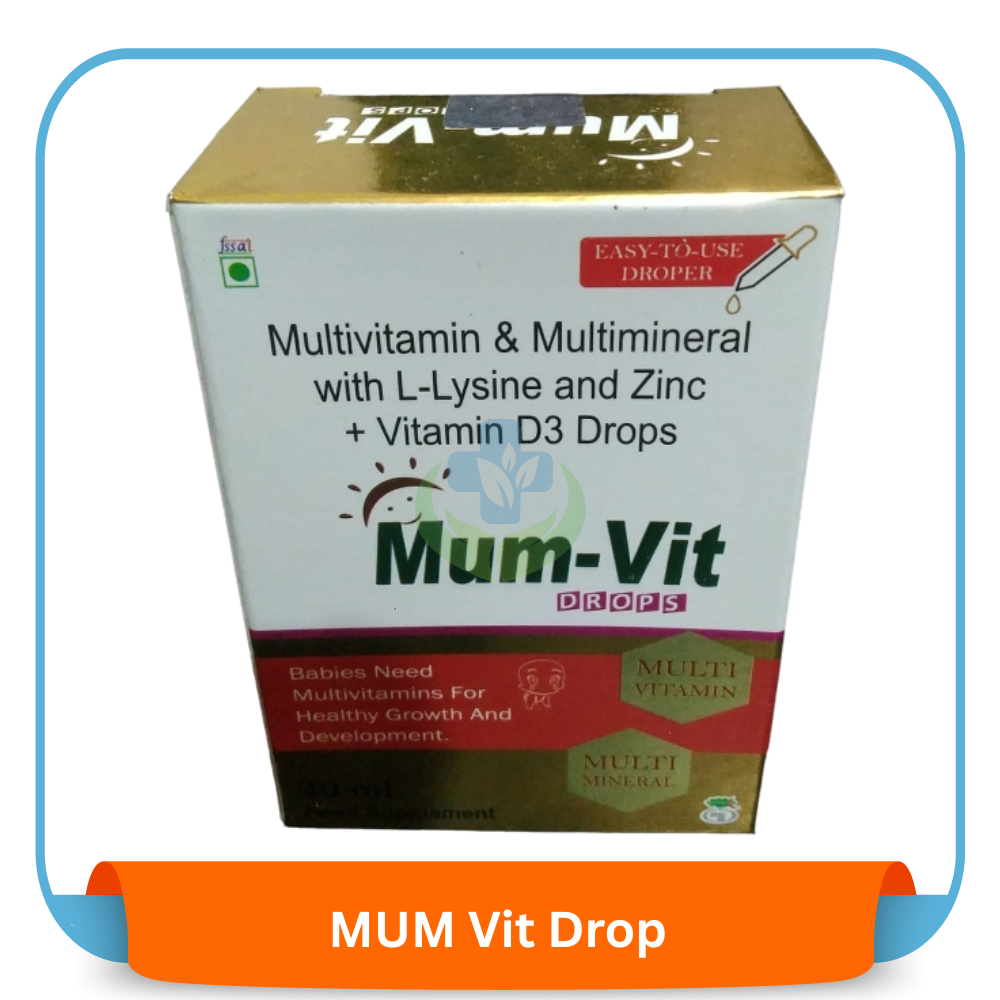
MUM-Vit Drop 30 ml
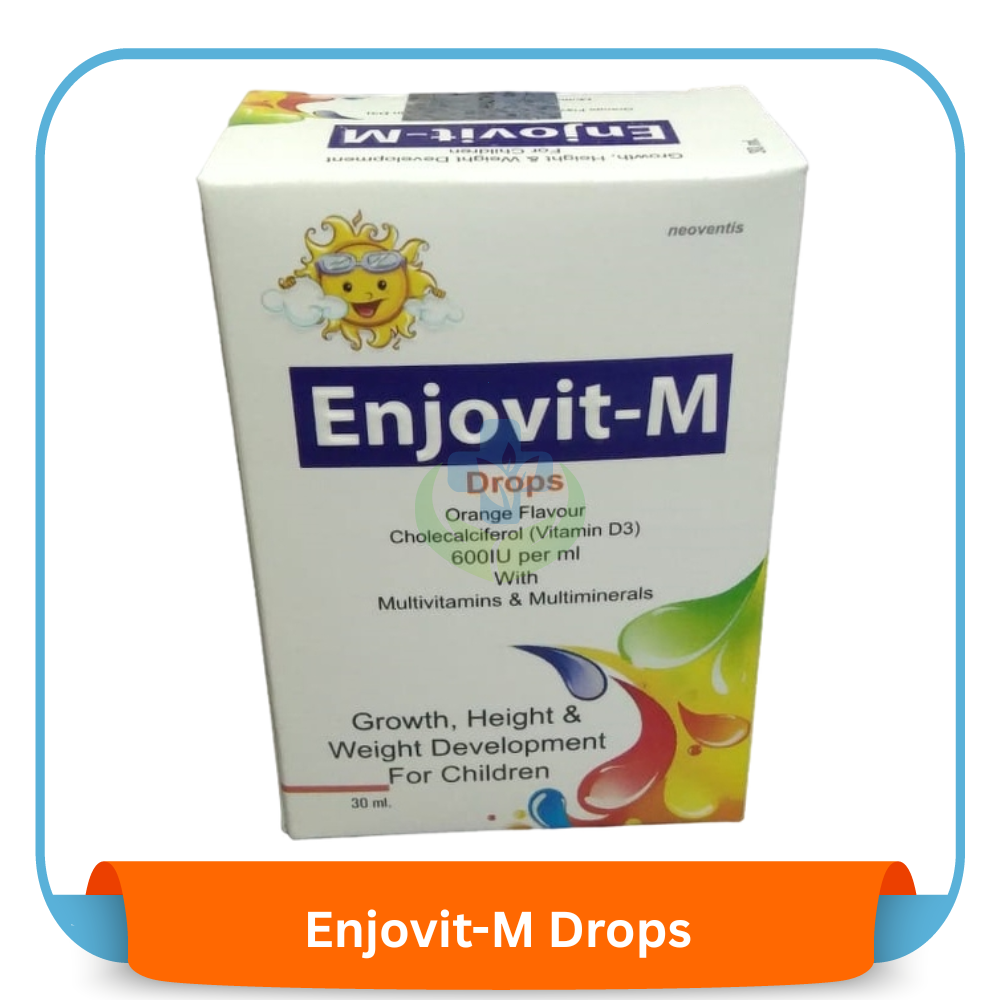
Enjovit-M Drops 30 ml
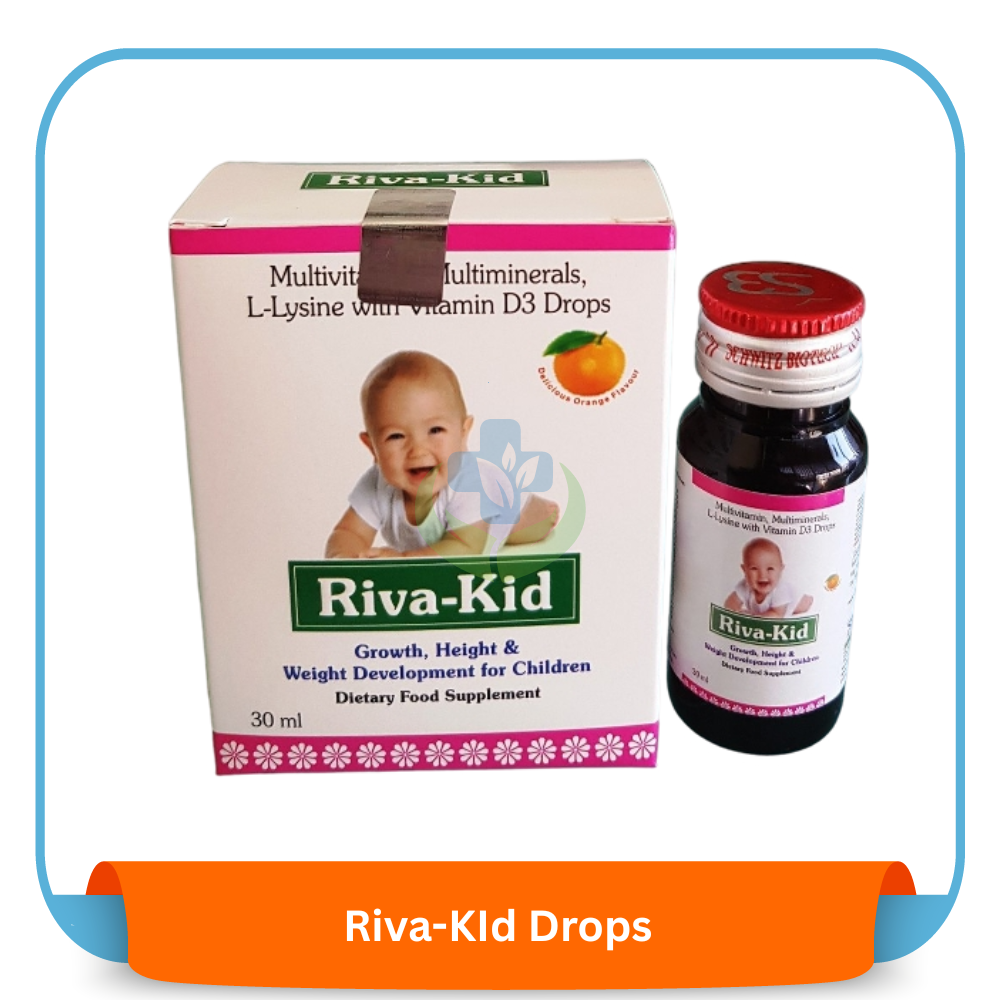
Riva-KId Drops 30 ml


Contact Info
- Address: DOHS, Mirpur, Dhaka
- Phone: 01336 242 804
- Email: order@careonbd.com