









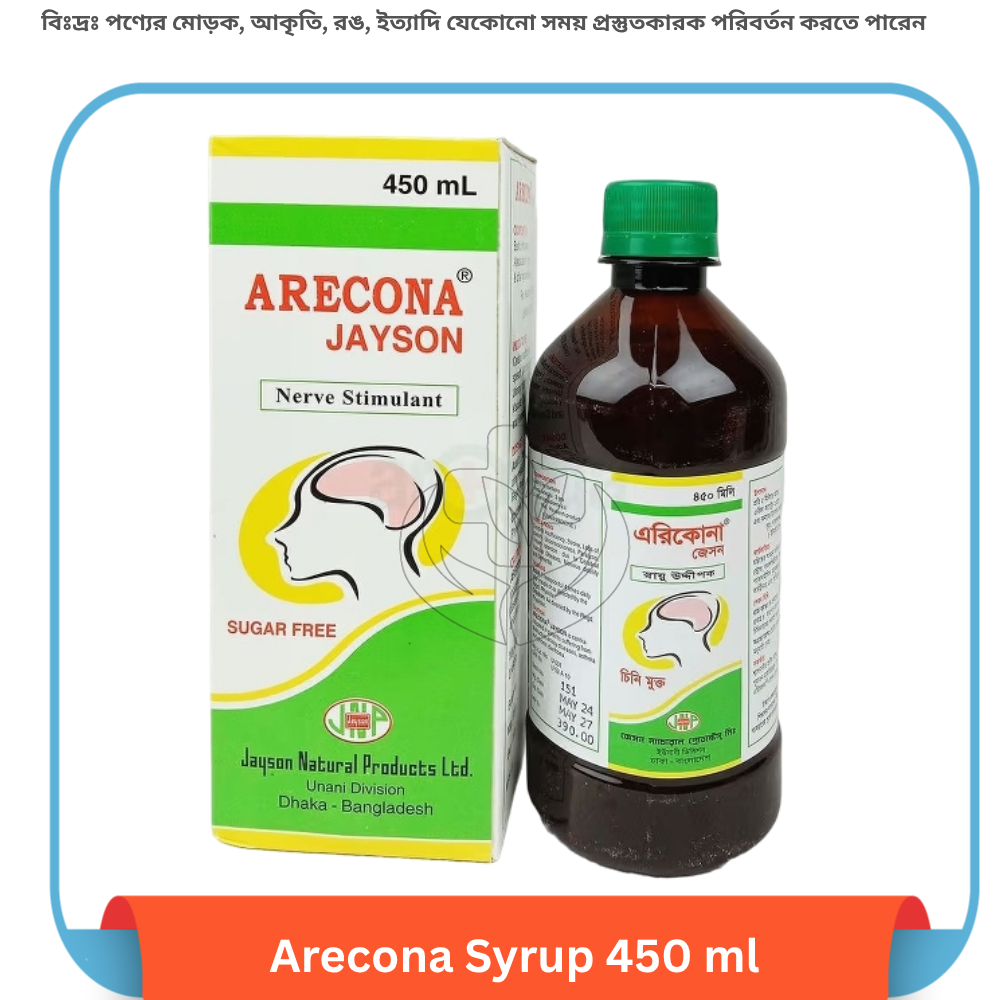
Arecona Syrup 450 ml
+88 01336 242 803
-

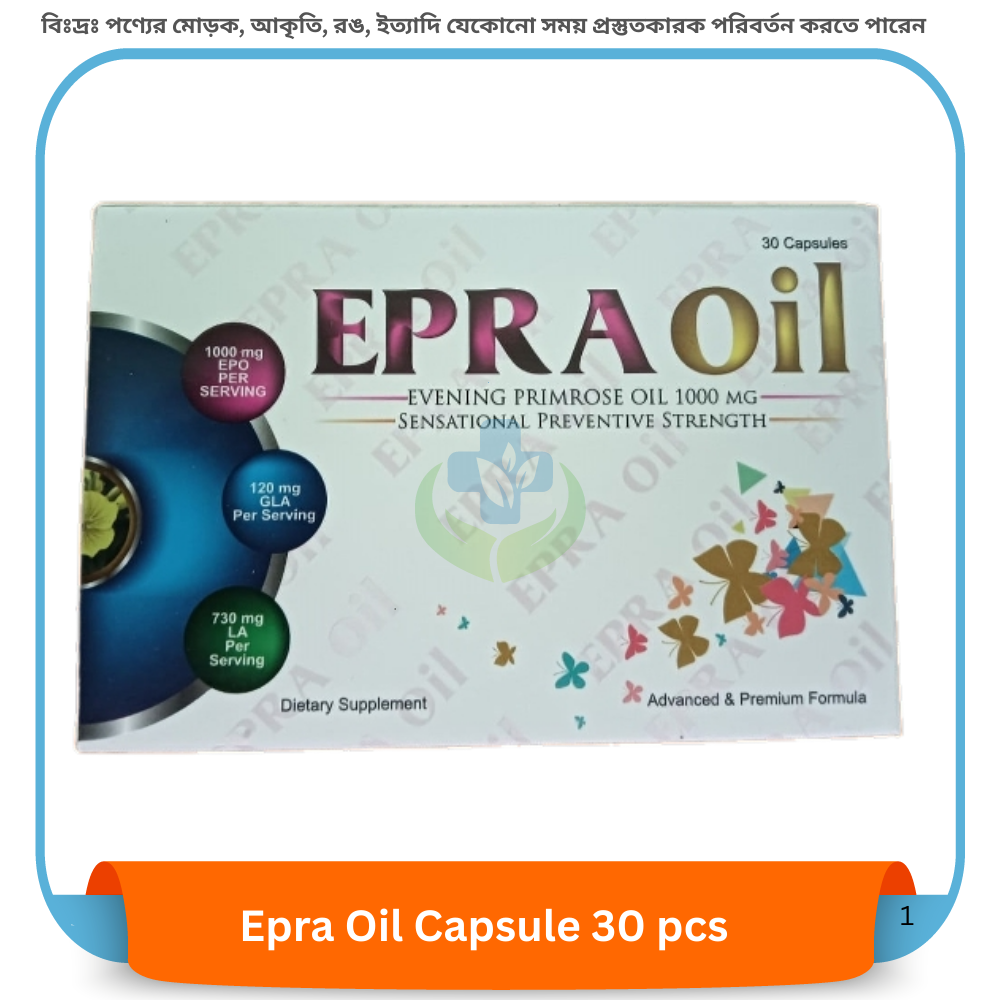
Epra Oil Capsule 30 pcs
৳930.60 -
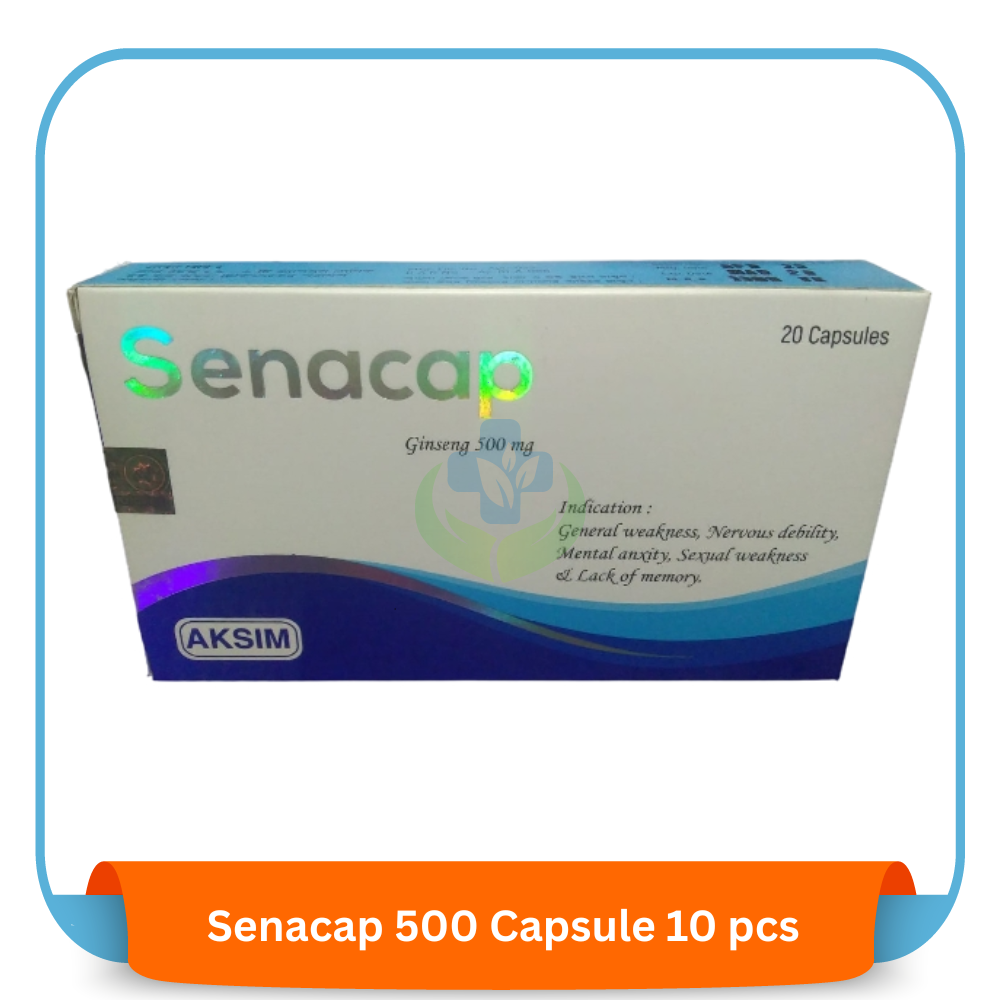
Senacap 500 Capsule 10 pcs
৳617.50 -
Xiovit D3 Pediatric Drops 30 ml
৳502.90 -
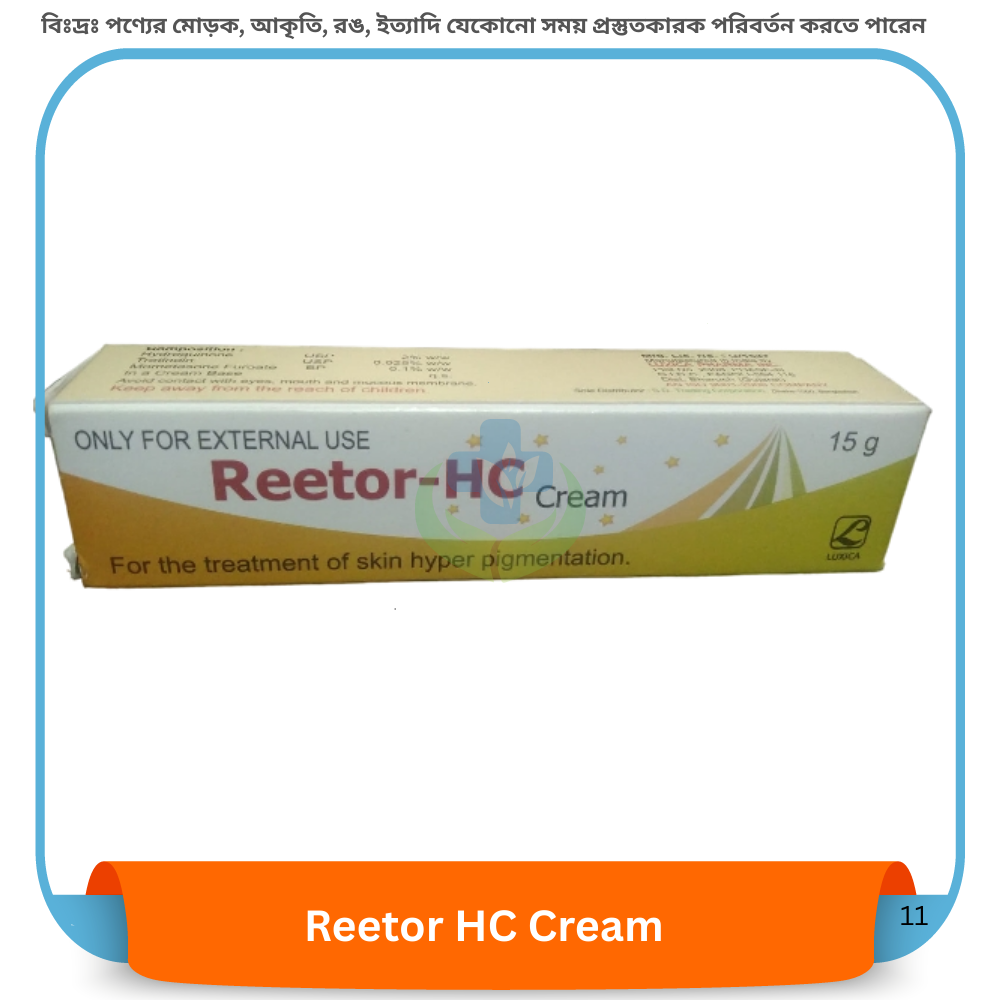
Reetor HC Cream 15 gm
৳841.30 -
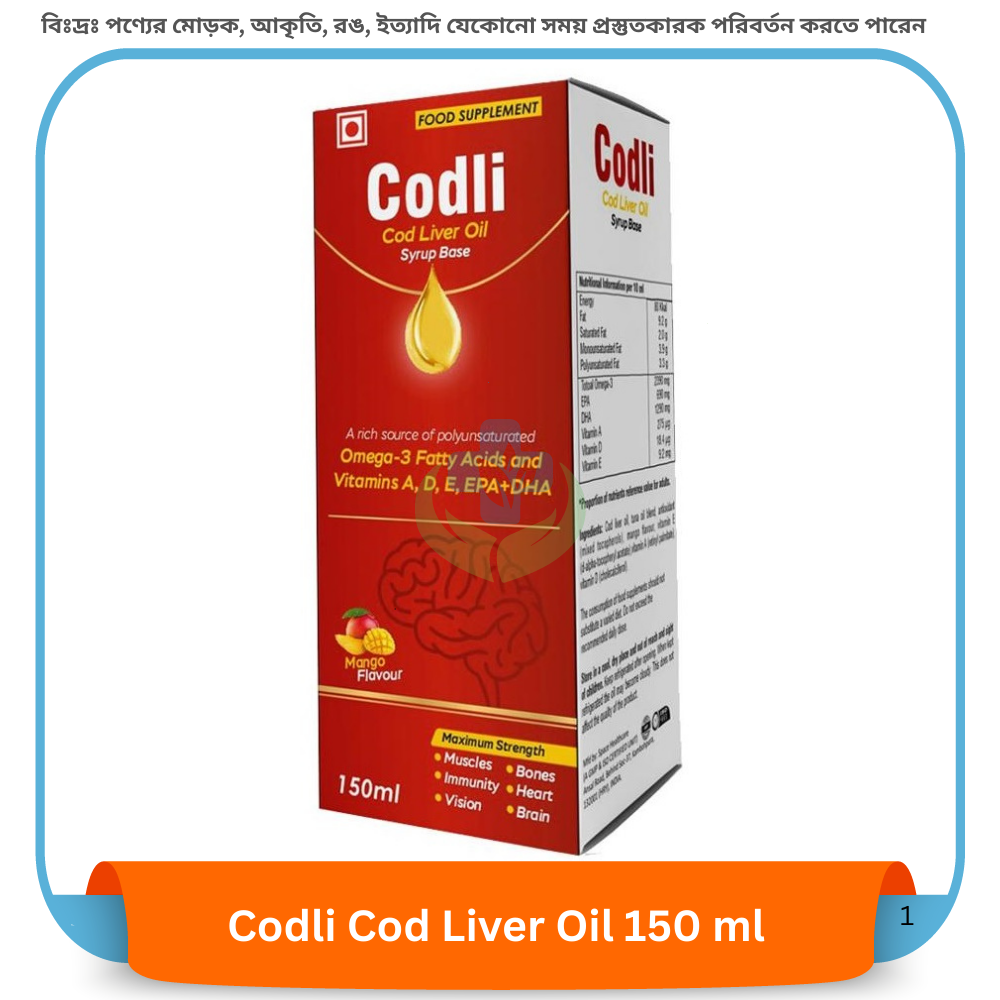
Codli Cod Liver Oil 150 ml
৳1,567.50 -
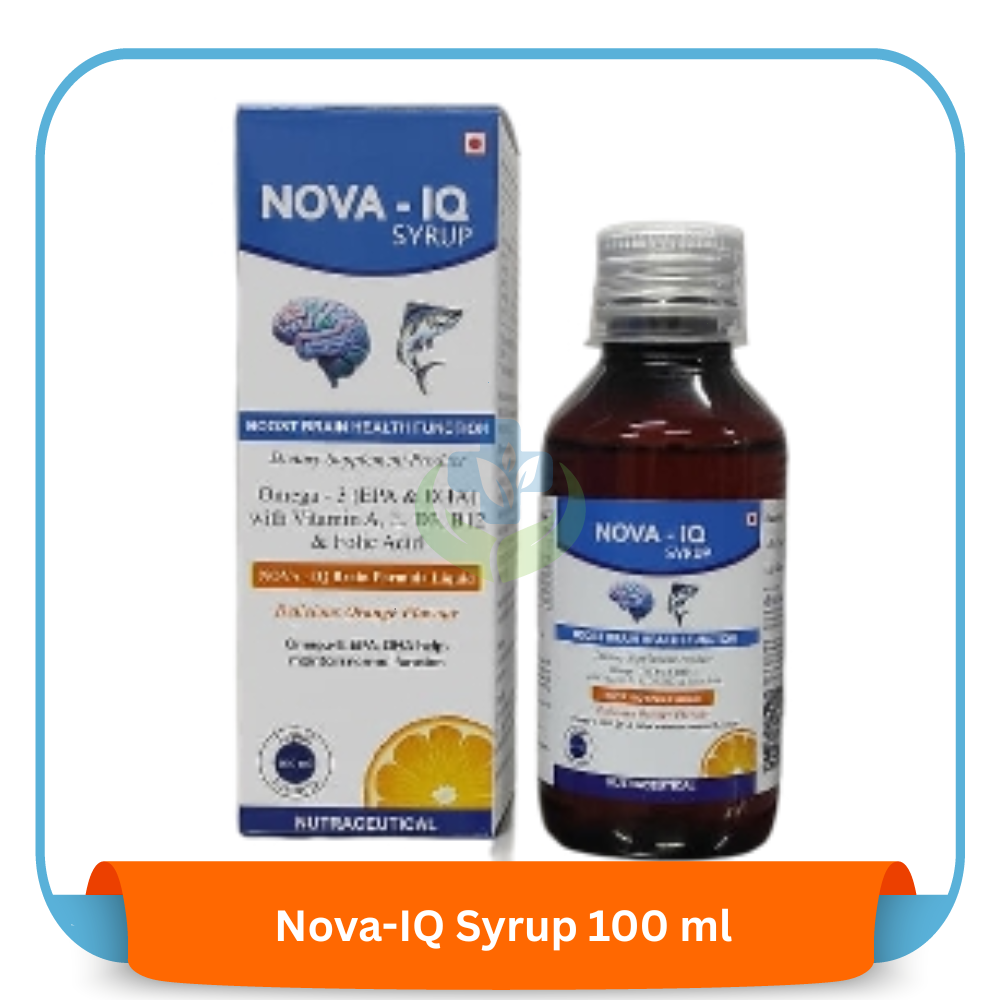
Nova-IQ Syrup 100 ml
৳714.40
Arecona Syrup is a
traditional herbal formulation often used in Unani and Ayurvedic systems. It is
utilized to promote digestion, relieve intestinal parasites, and manage
post-stroke complications. However, its active alkaloid (arecoline) poses
significant health risks, including a known risk of oral cancer.
Indications of Arecona Syrup
Practitioners
typically recommend Areca catechu formulations to address:
Ø Digestive issues: Promotes
salivation, reduces dyspepsia, and relieves abdominal distension.
Ø Parasitic infections: Acts as an
anthelmintic (dewormer) to eliminate intestinal worms.
Ø Neurological support:
Traditionally used for post-stroke complications and certain psychiatric
conditions.
Ø Gynecological concerns: Used in
traditional practices to manage leucorrhea.
How to Use Arecona Syrup
Ø Adult Dosage: Standard
recommendations often suggest 1 teaspoonful (approx. 5 ml taken up to 4 times
daily after meals.
Ø Children's Dosage: Must be
strictly determined and directed by a registered medical practitioner.
Ø Duration: In cases
like post-stroke recovery, it is sometimes advised for 3 months or longer under
physician supervision.
Ø Always
refer to the specific product label or your healthcare provider for exact
dosing instructions.
Potential Benefits Of Arecona Syrup
Ø
Antimicrobial & Antioxidant: Contains
tannins and flavonoids that act against harmful bacteria and reduce oxidative
stress.
Ø
Stimulant Effects: The
arecoline content acts on the central nervous system, providing increased
alertness and a temporary sense of well-being.
Ø
Metabolic Support: Early
studies suggest it may help regulate blood glucose and lipid levels.
Side Effects & Warnings
Ø
Common side effects: Diarrhea,
abdominal cramps, increased salivation, palpitations, and bronchospasm.
Ø
Carcinogenic risk: The World
Health Organization (WHO) and the FDA classify the regular use of areca nut as
carcinogenic. Long-term or habitual consumption is strongly linked to Oral
Submucous Fibrosis (OSF) and oral cancer.
Ø Contraindications: Areca catechu should be absolutely avoided by pregnant or breastfeeding women. It is also highly contraindicated for individuals with asthma, obstructive airway diseases, epilepsy, gangrene, or a history of heart conditions (like myocardial infarction).
Related products
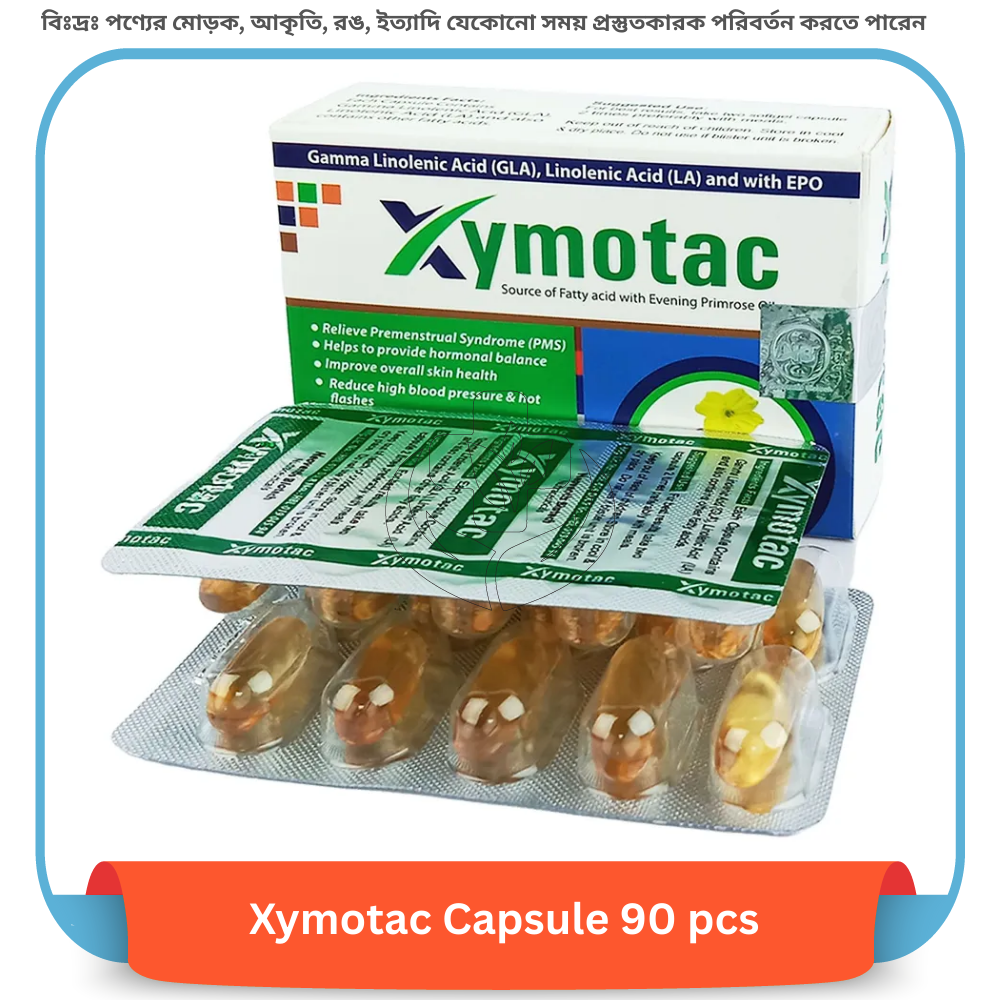
Xymotac Capsule 90 pcs
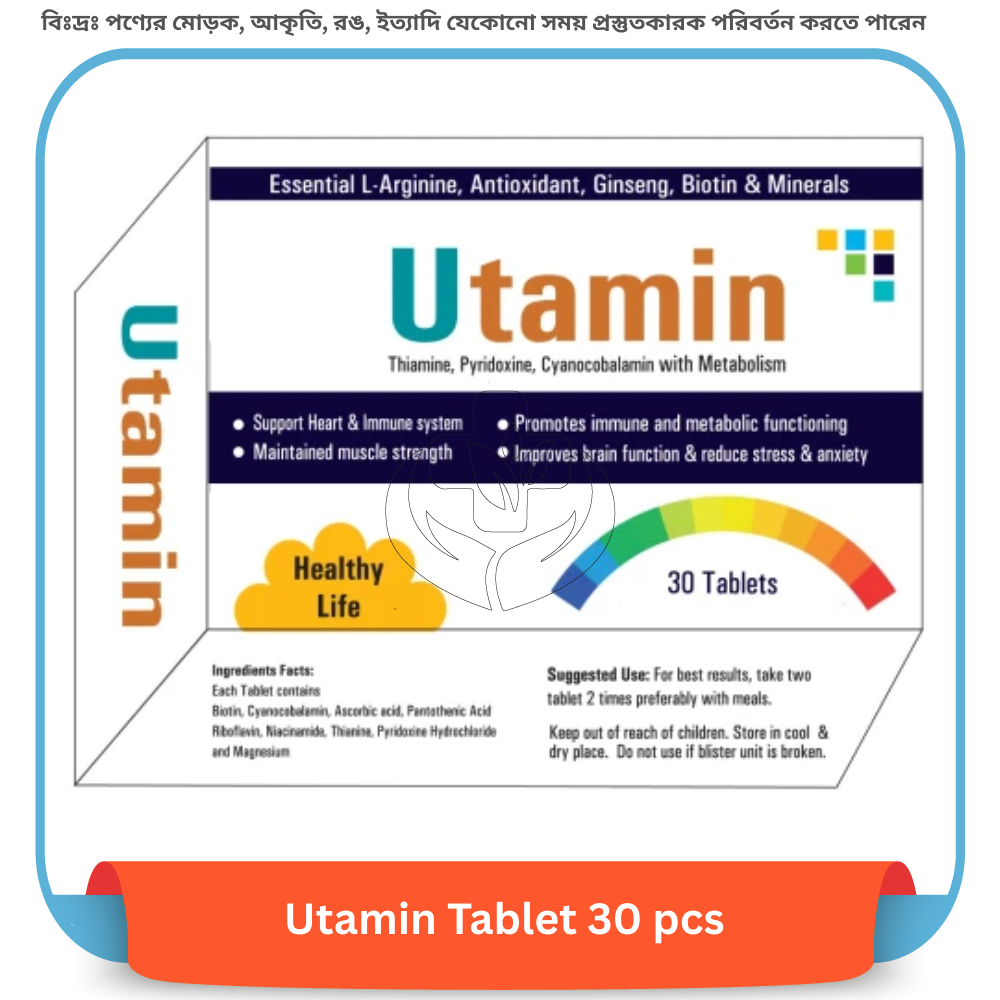
Utamin Tablet 30 pcs
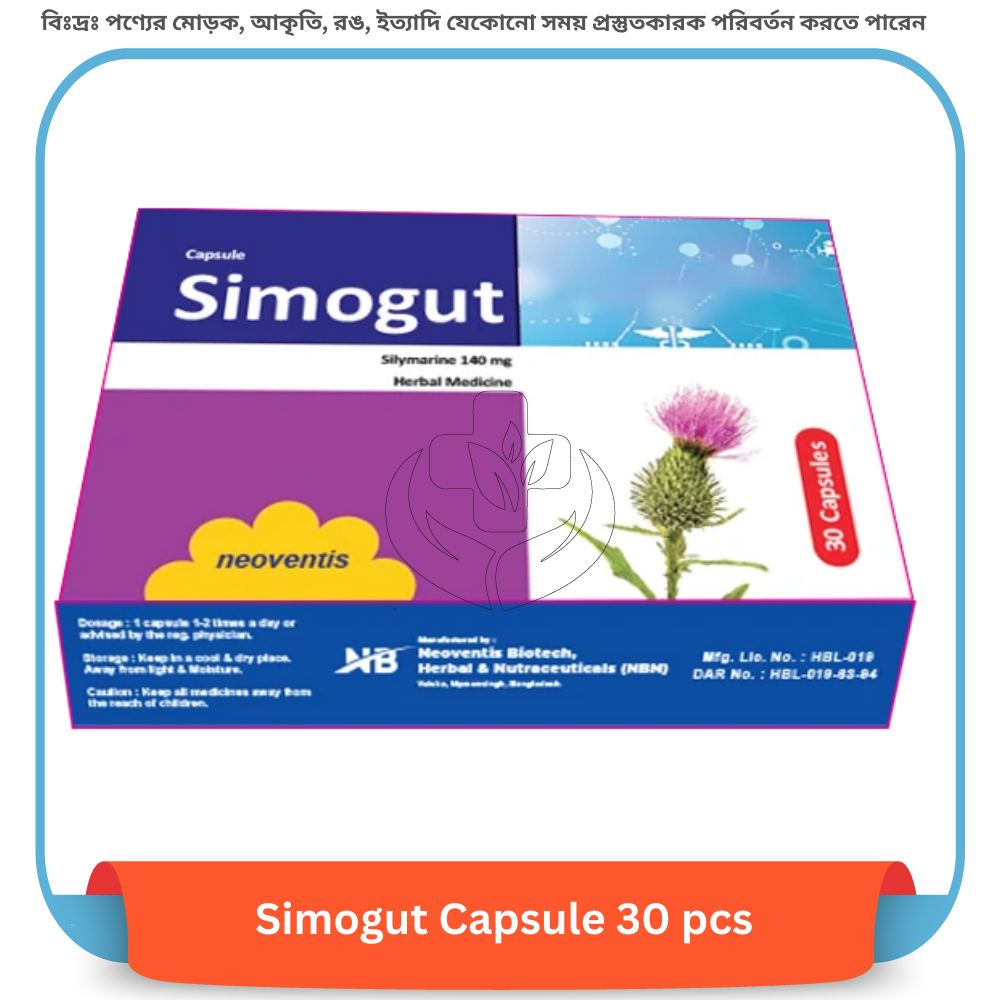
Simogut Capsule 30 pcs
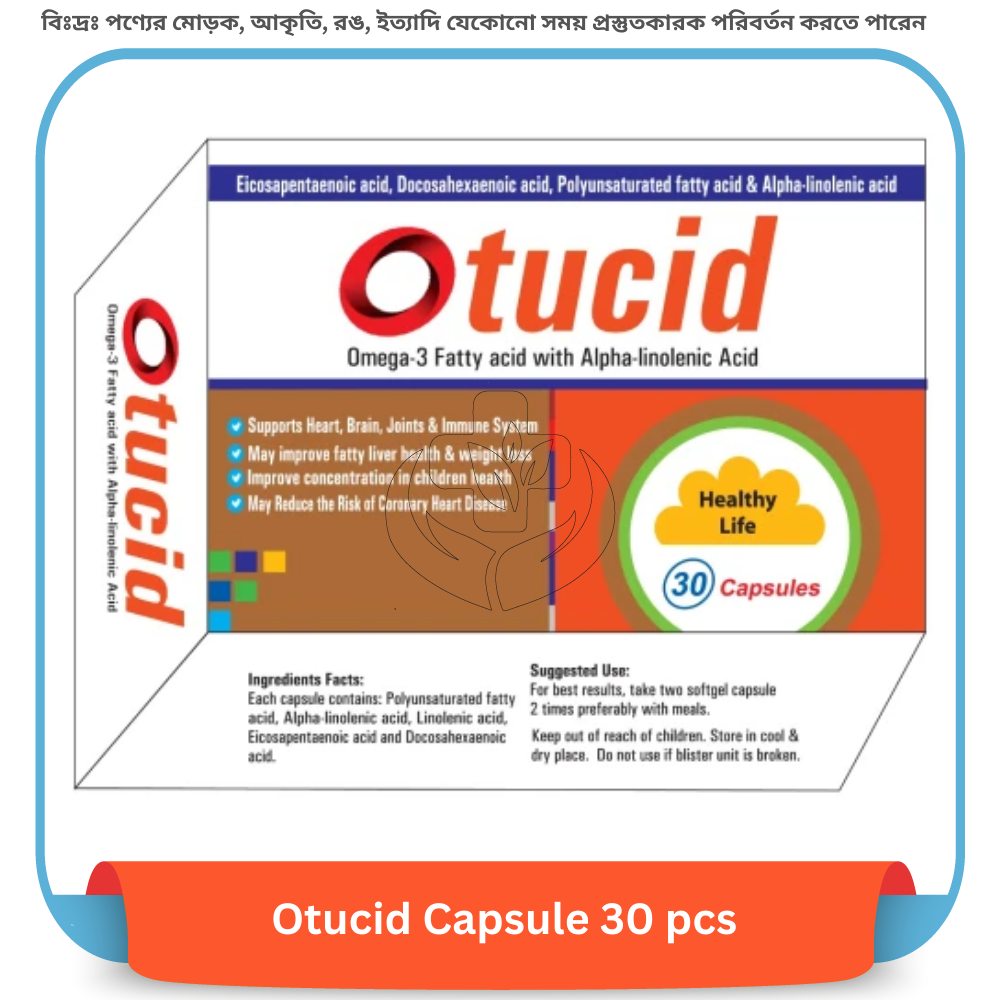
Otucid Capsule 30 pcs
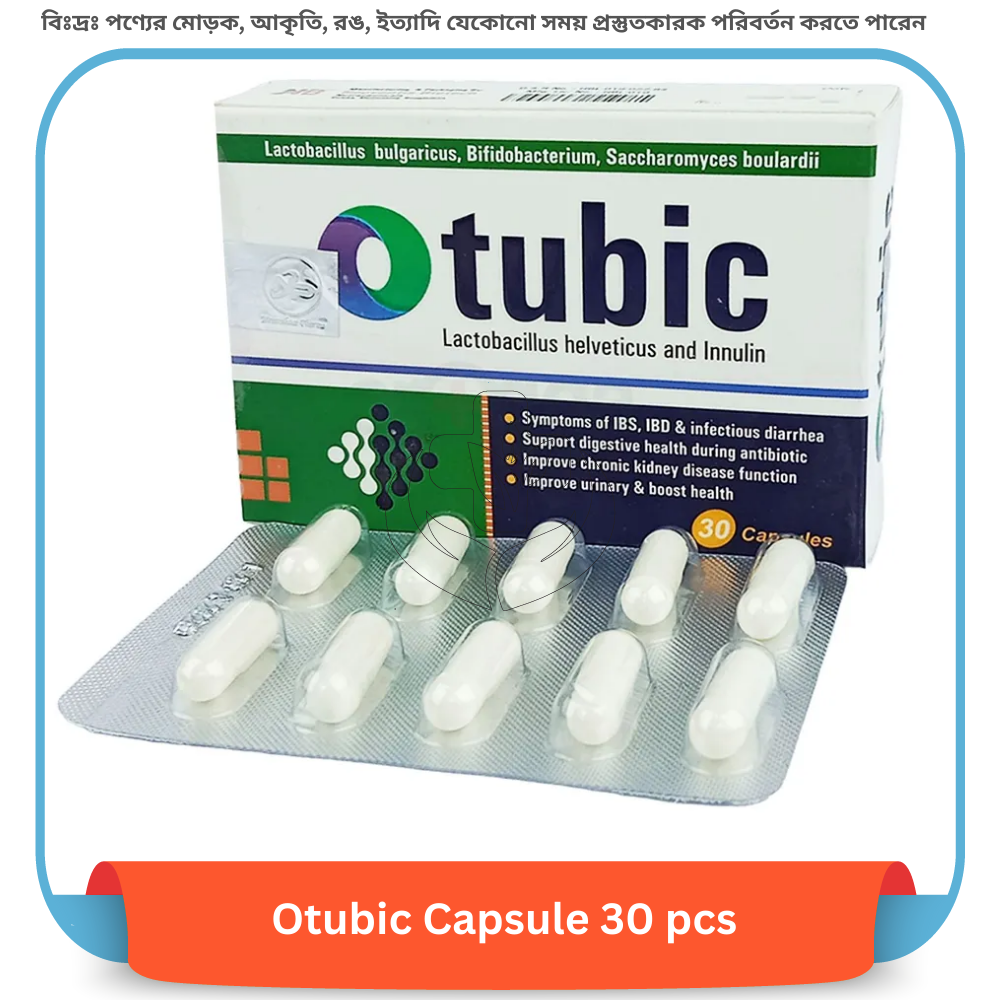
Otubic Capsule 30 pcs

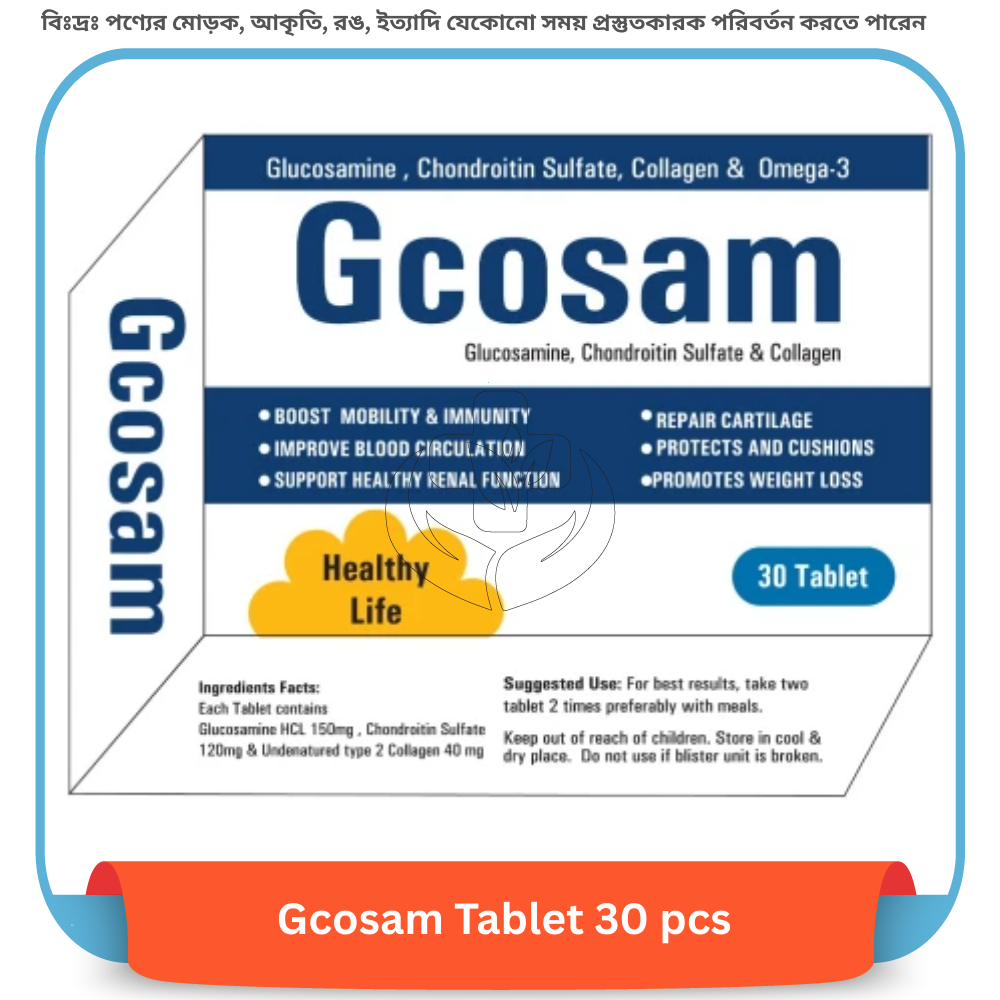
Gcosam Tablet 30 pcs
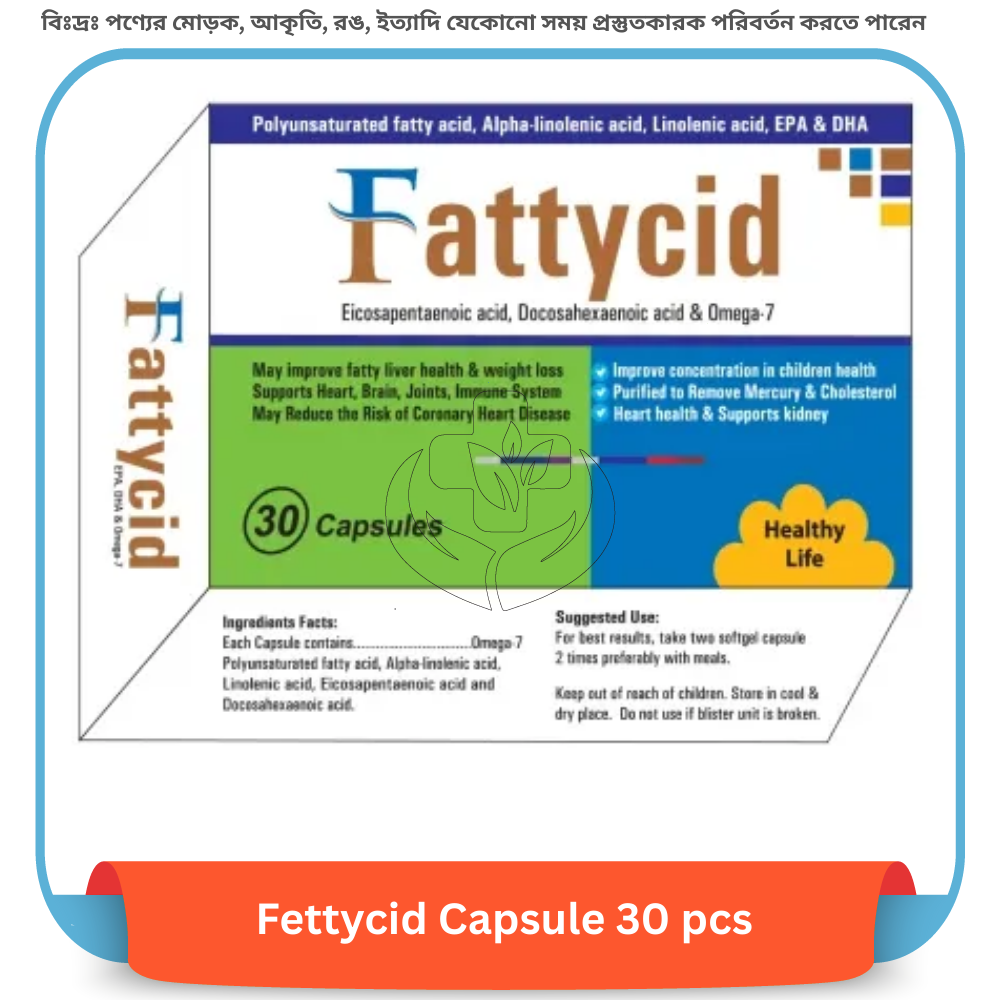
Fattycid Capsule 30 pcs
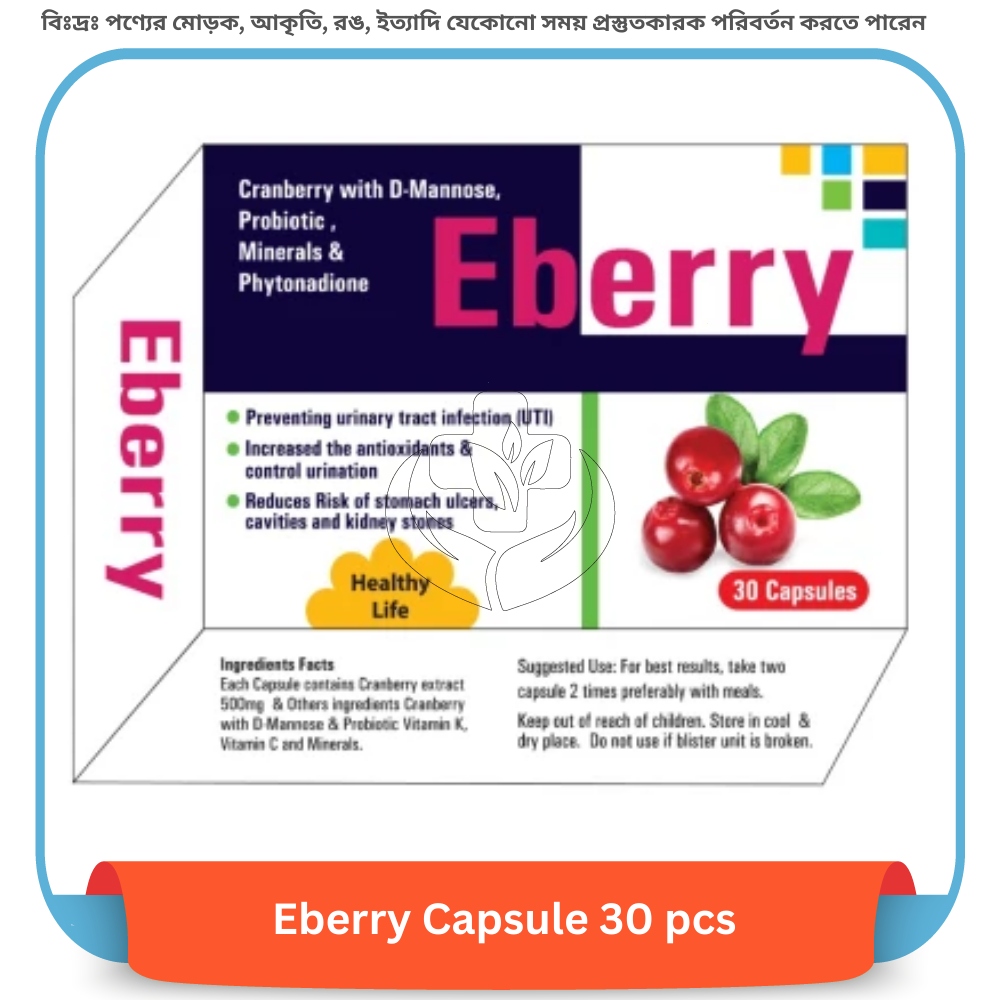
Eberry Capsule 30 pcs
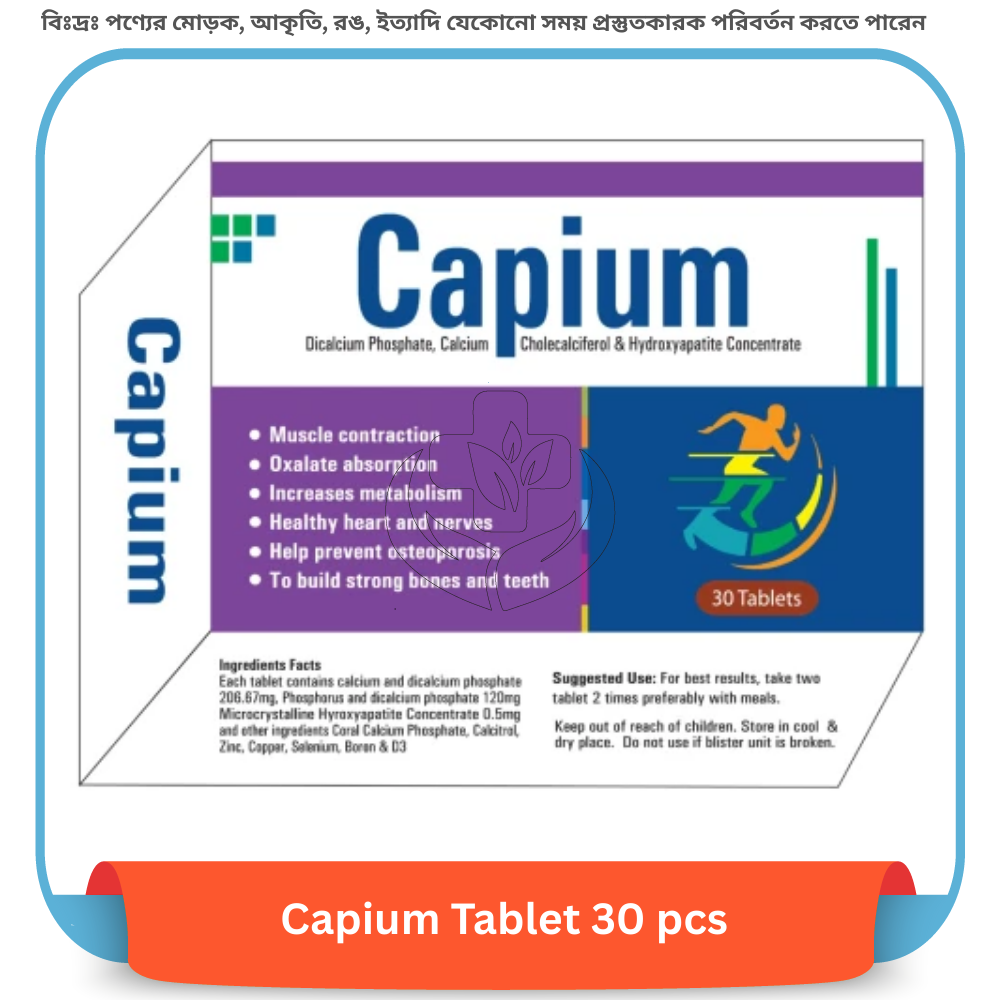
Capium Tablet 30 pcs
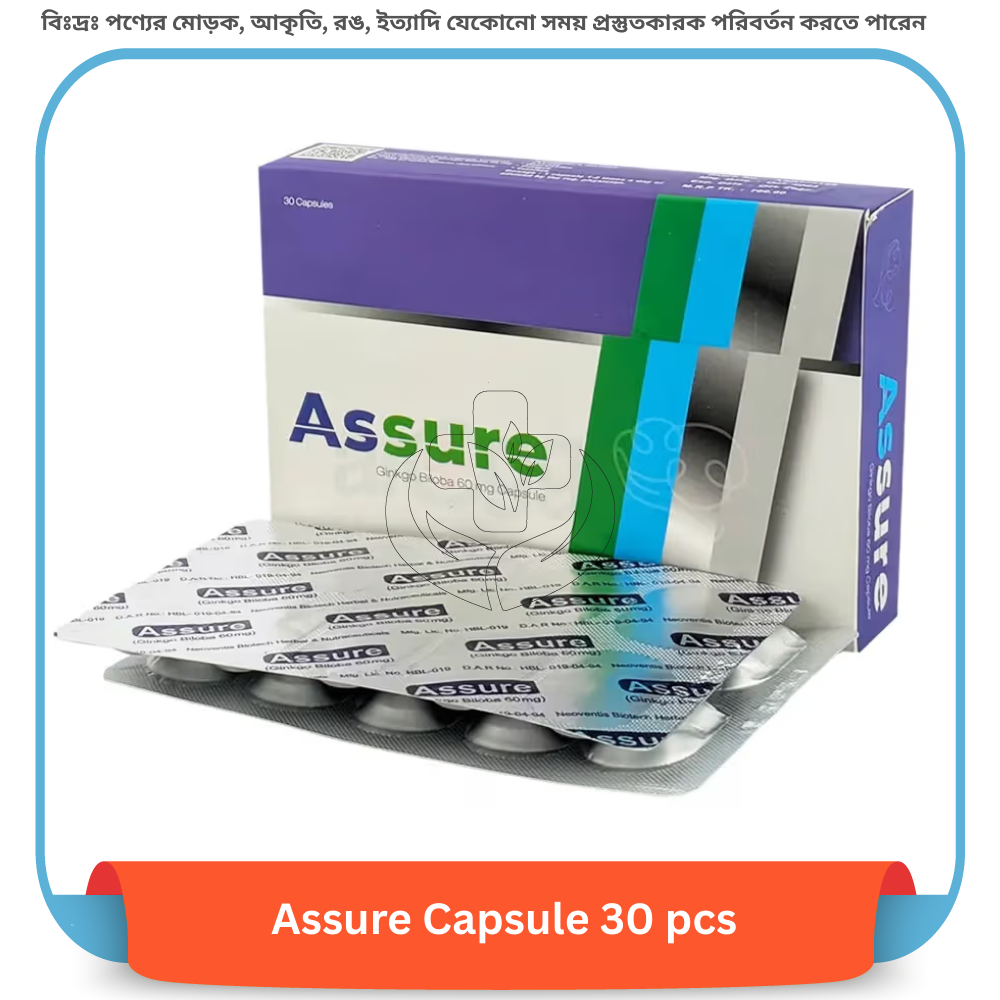
Assure Capsule 30 pcs
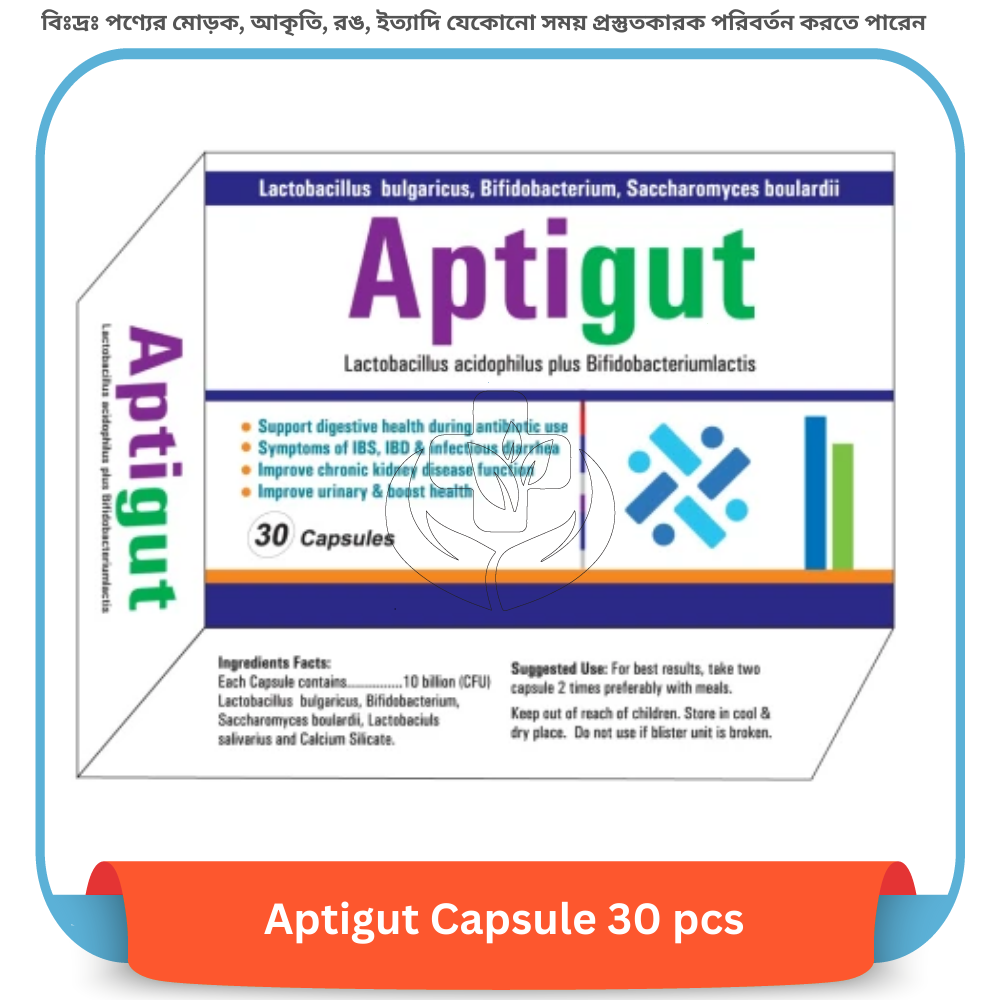
Aptigut Capsule 30 pcs
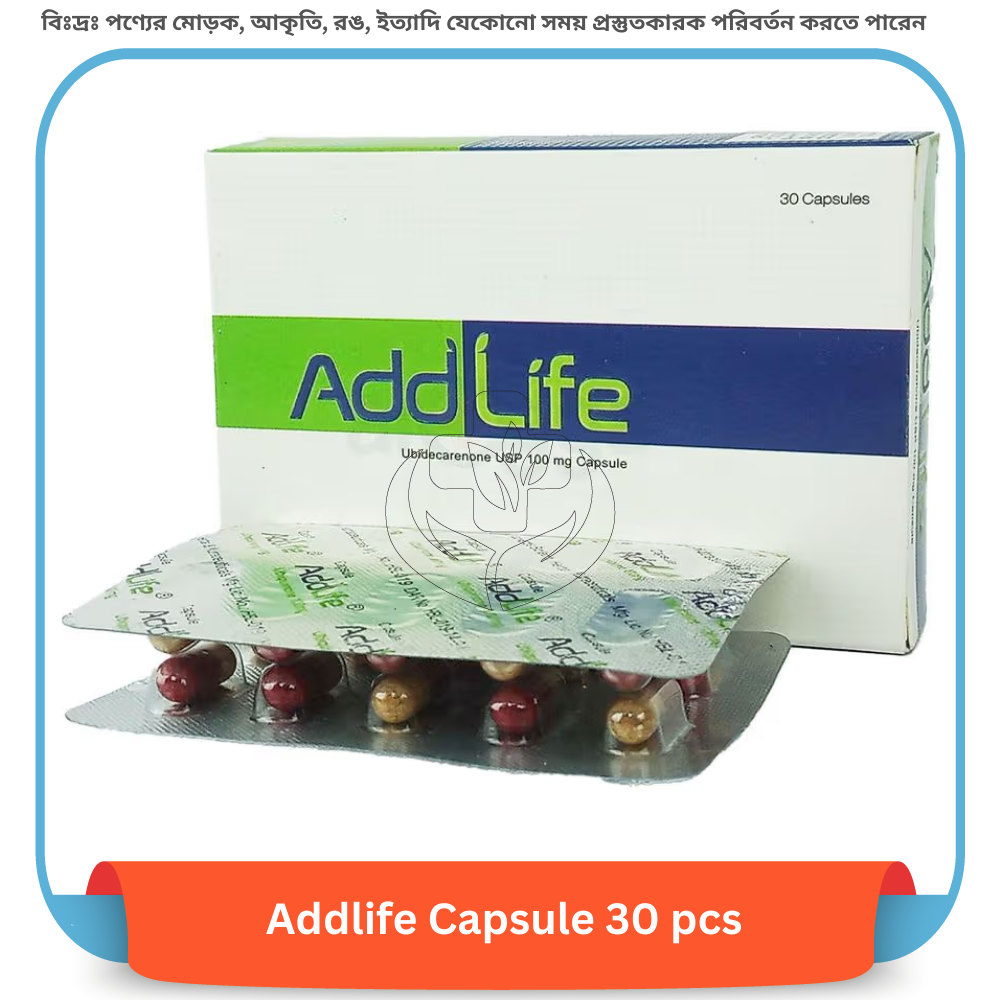
Addlife Capsule 30 pcs
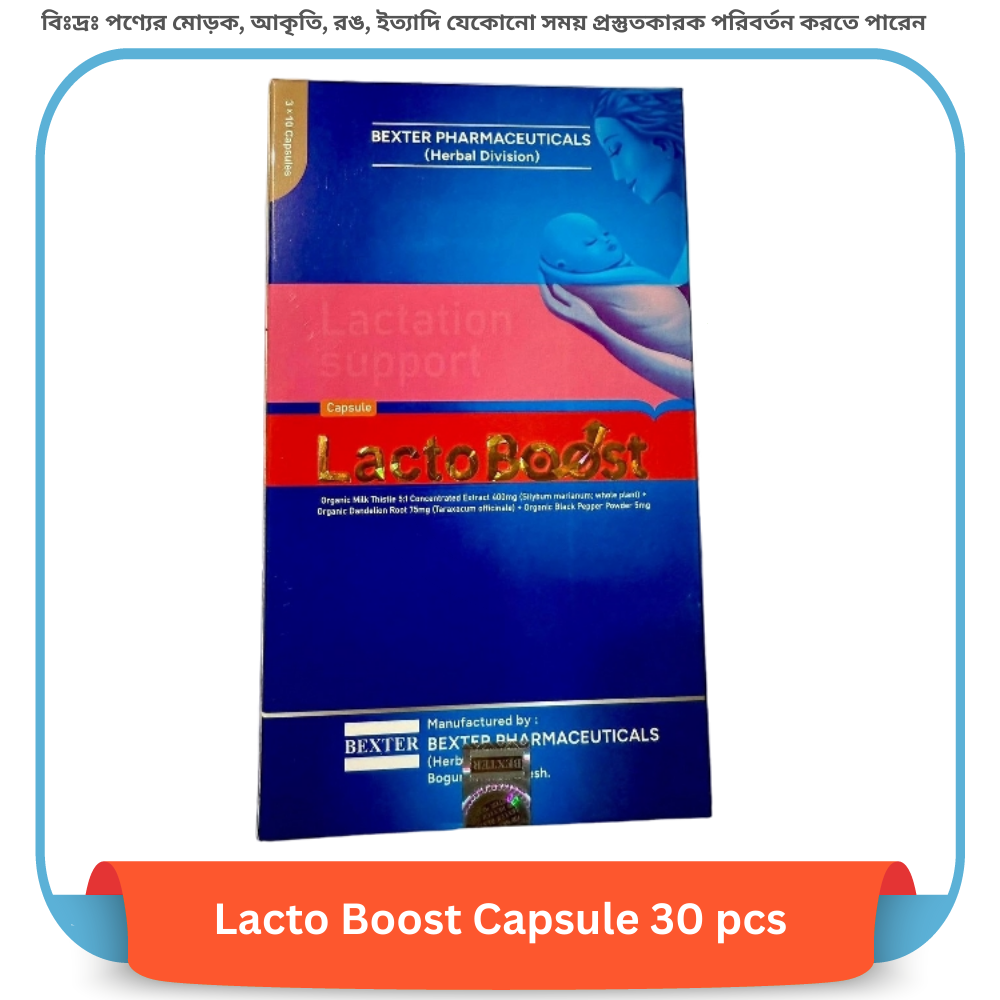
Lacto Boost Capsule 30 pcs
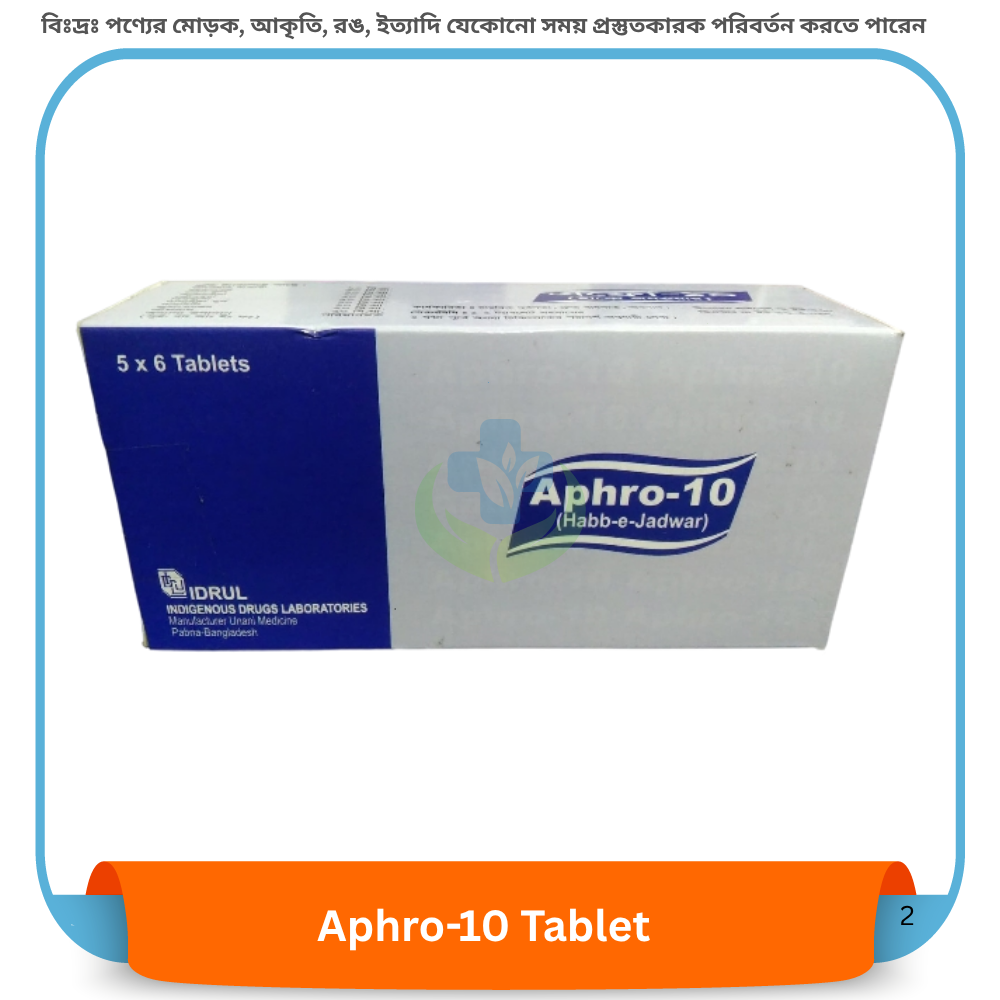
Aphro-10 Tablet 12 pcs
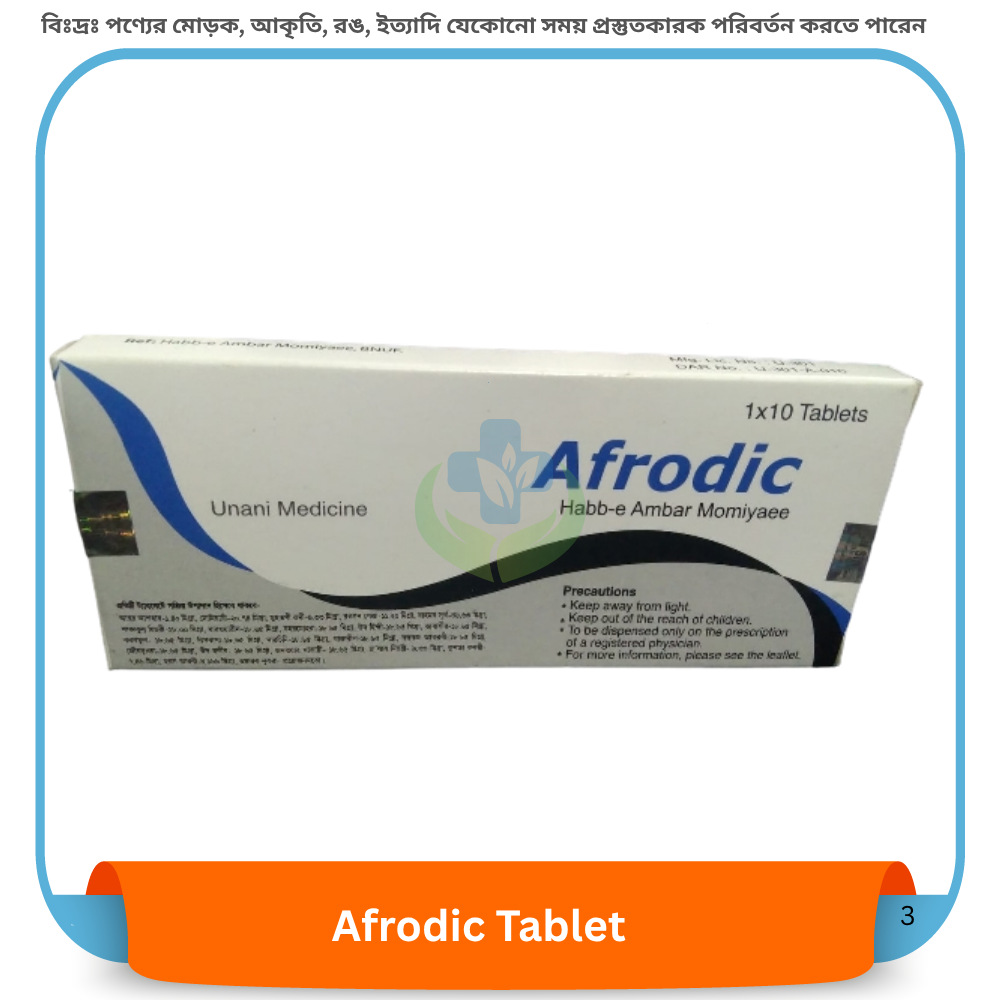
Afrodic Tablet 10 pcs

Valent Capsule 30 pcs
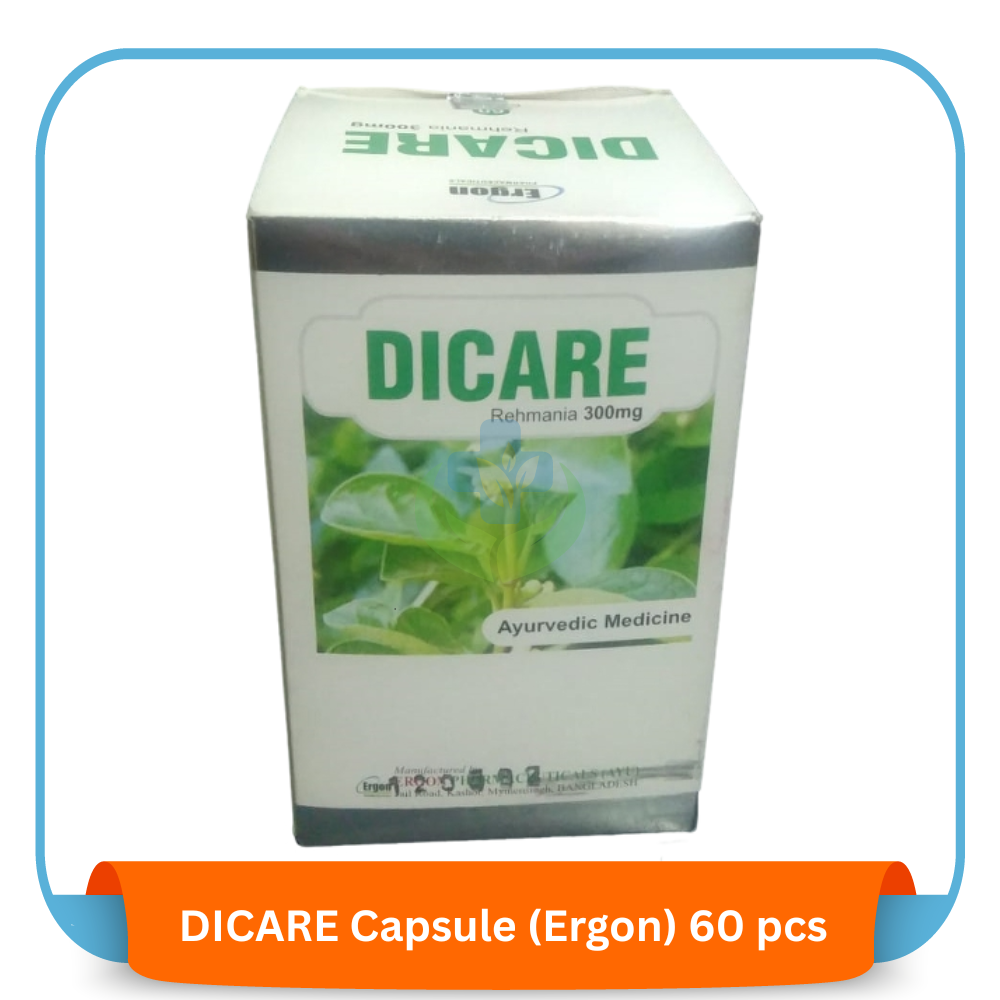
DICARE Capsule (Ergon) 60 pcs
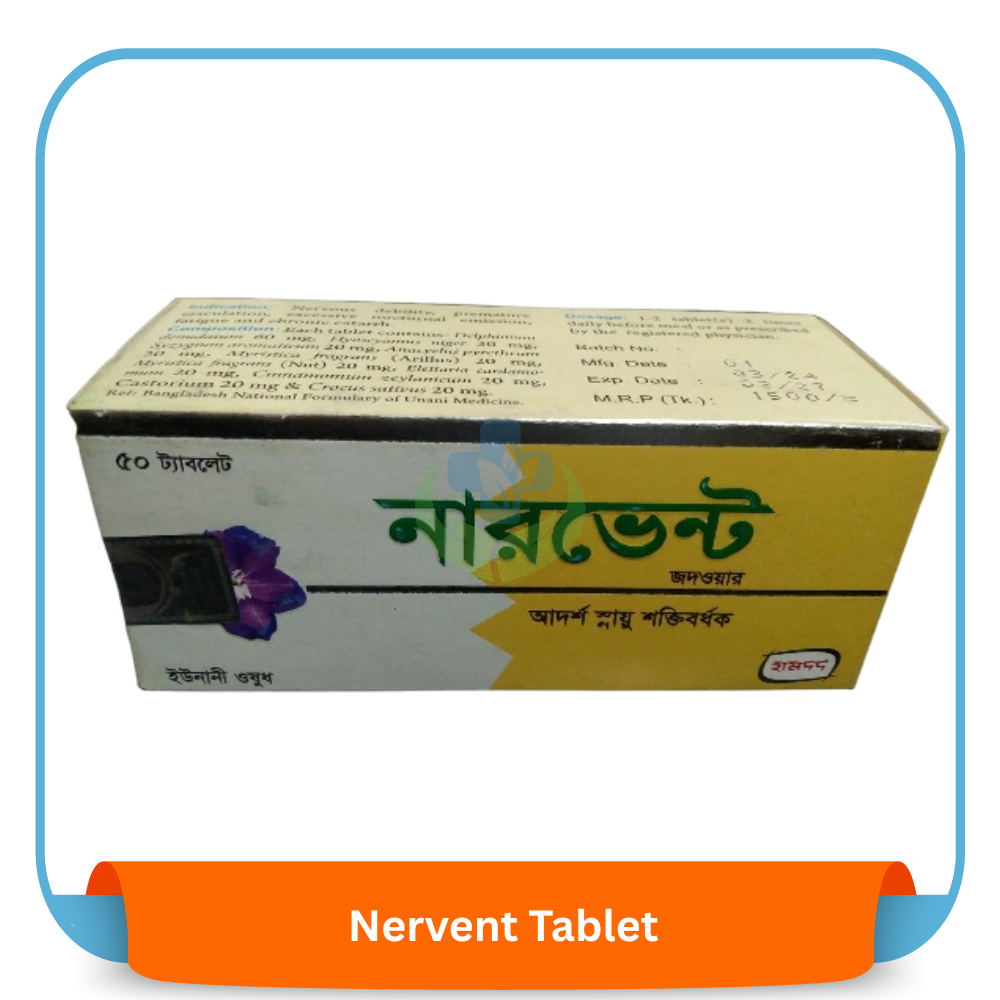
Nervent Tablet 50 pcs
VAGILAX Tablet 60 pcs
Trigone Capsule 8 pcs
Selvin Tablet 50 pcs
Power-30 Capsule 10 pcs
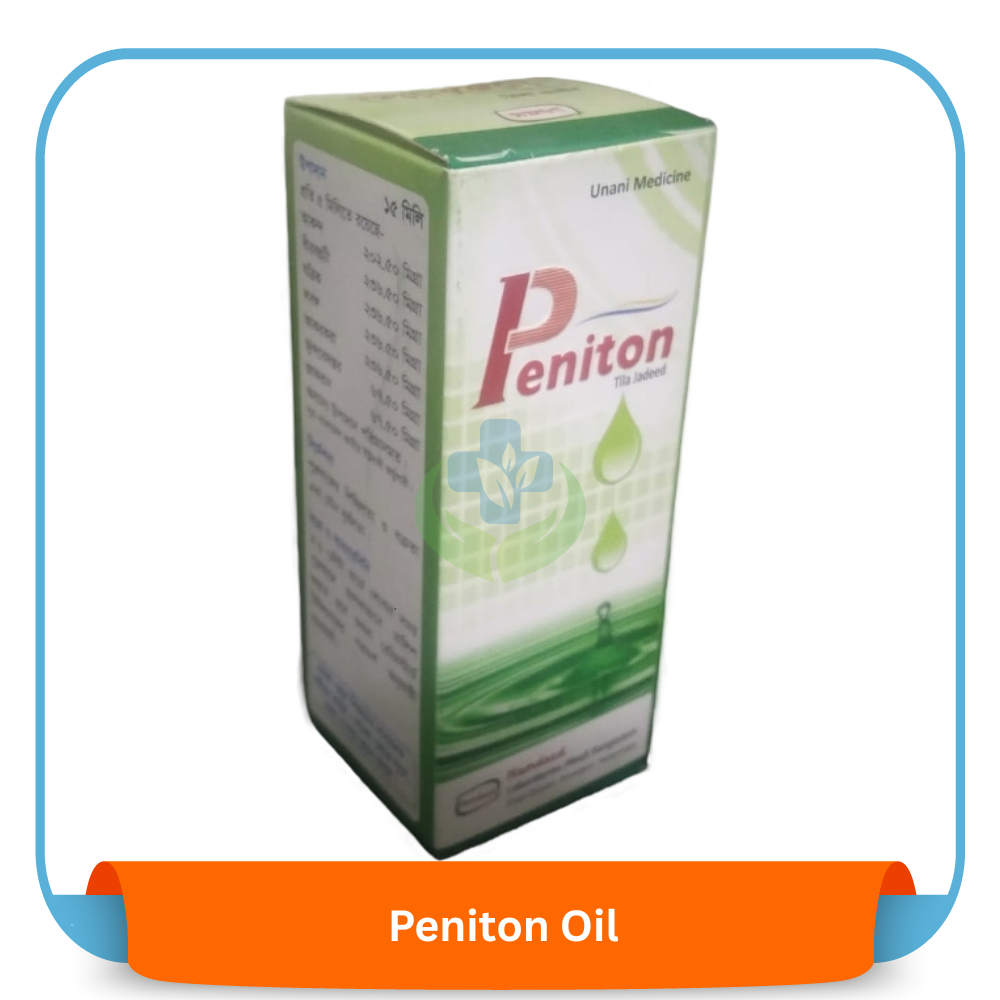
Peniton Oil 15 ml
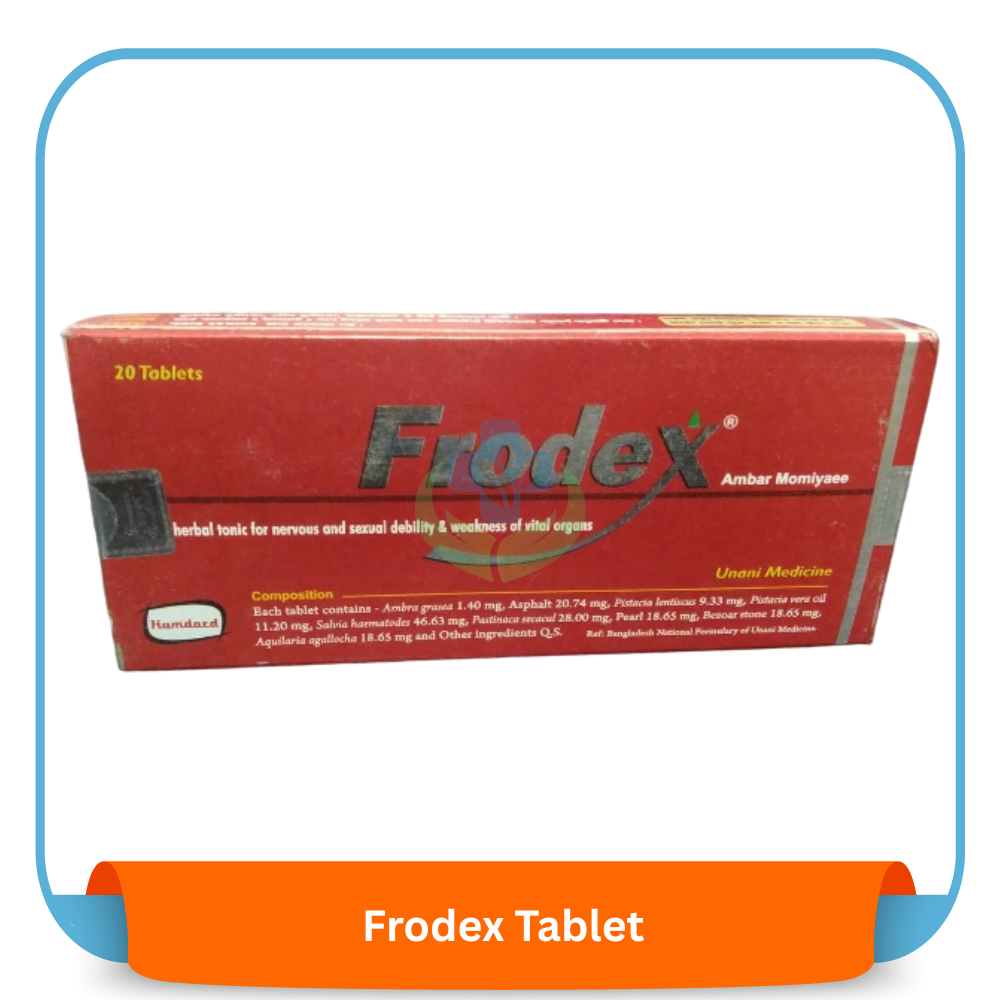
Frodex Tablet 20 pcs
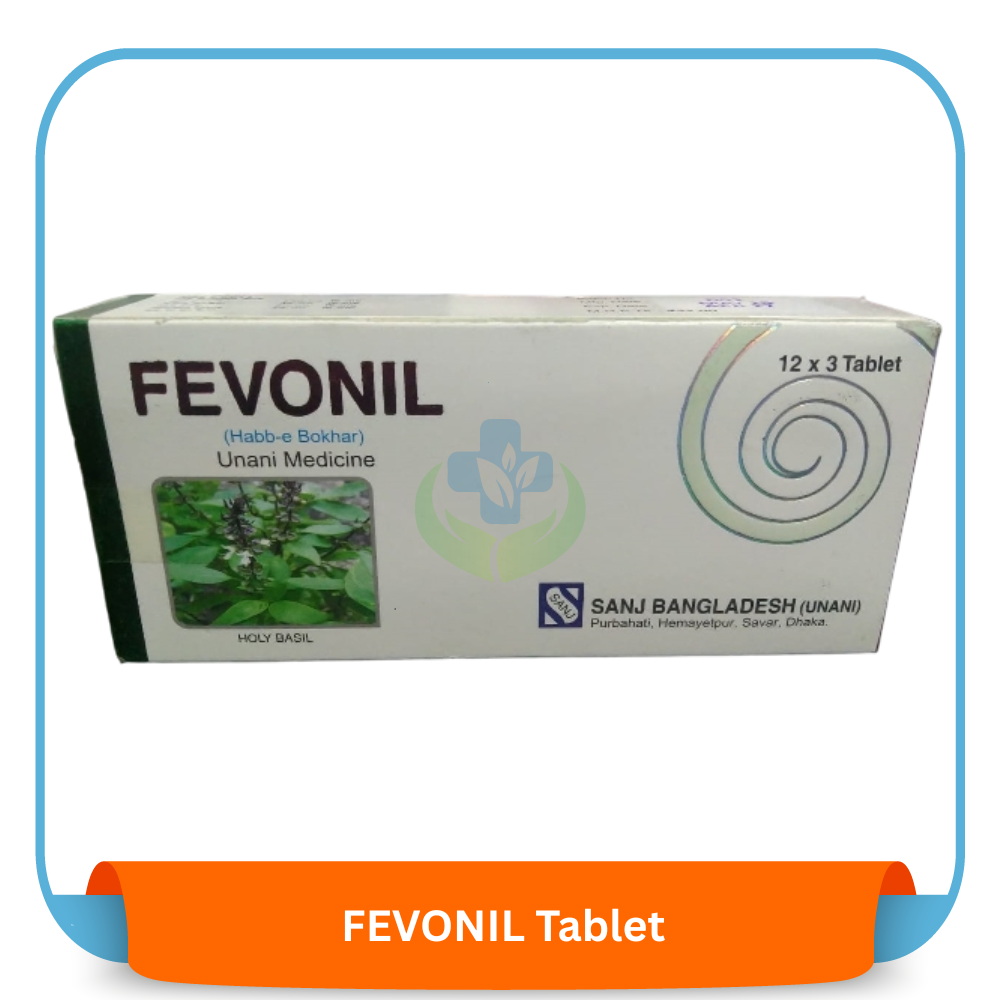
FEVONIL Tablet 36 pcs
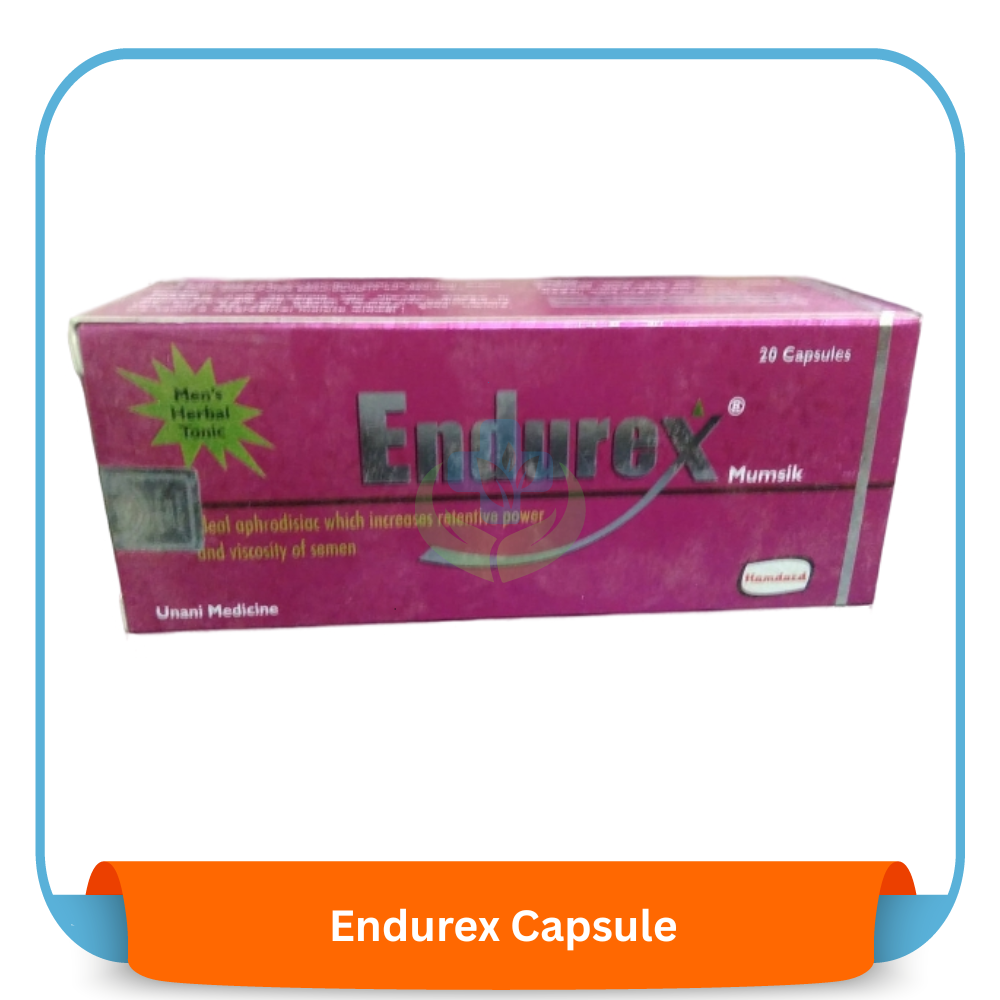
Endurex Capsule 20 pcs
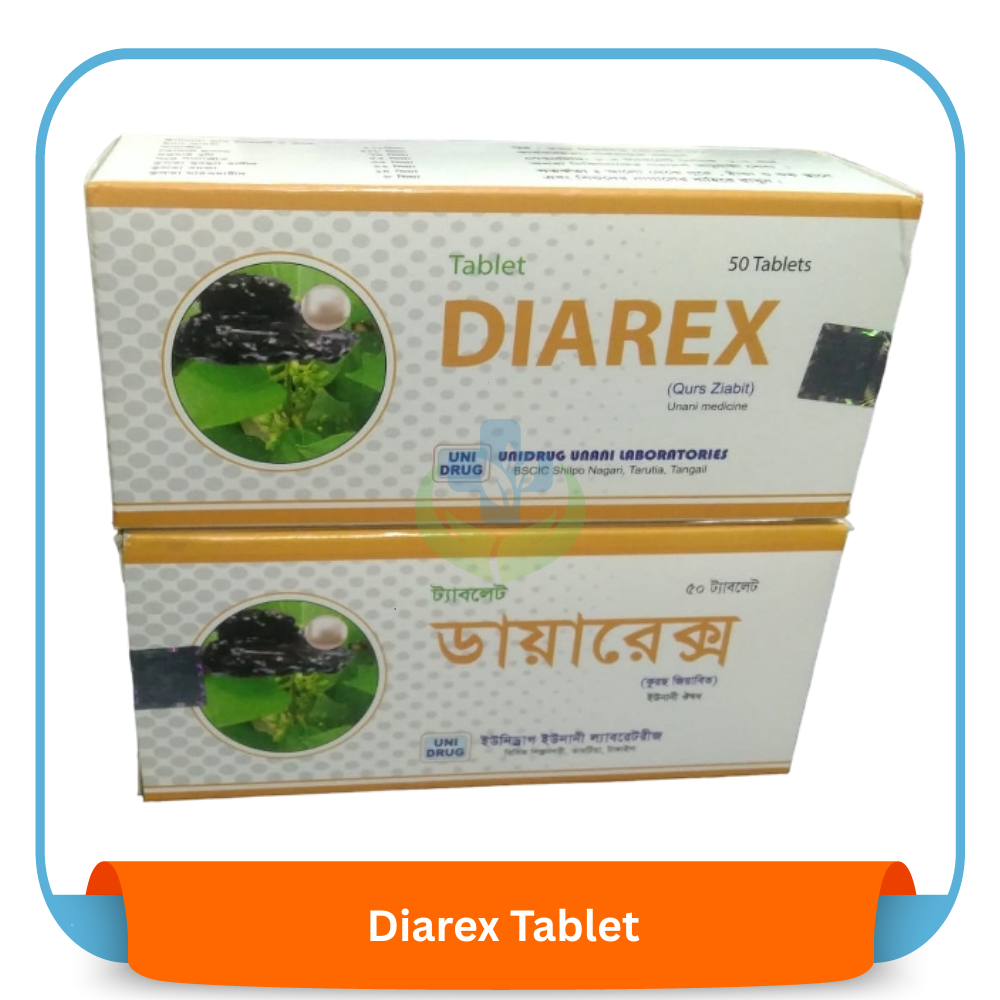
Diarex Tablet 50 pcs
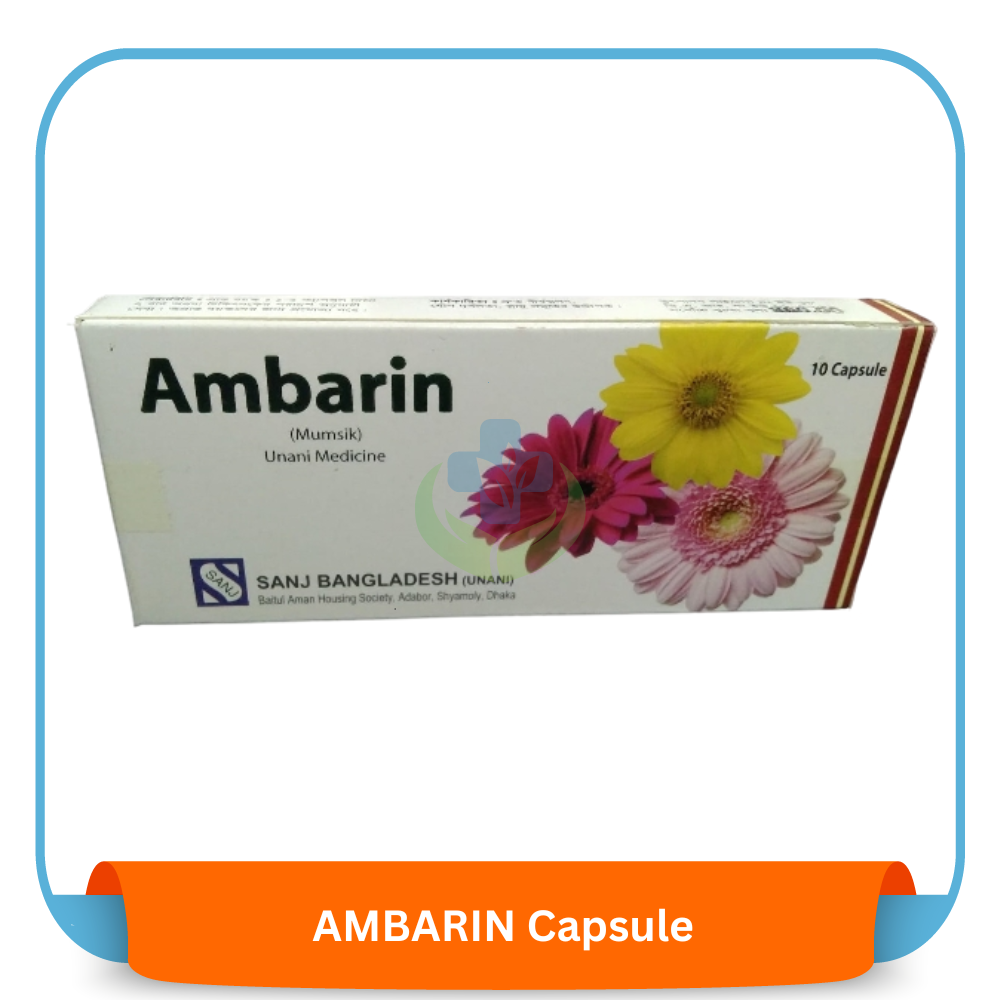
AMBARIN Capsule 10 pcs
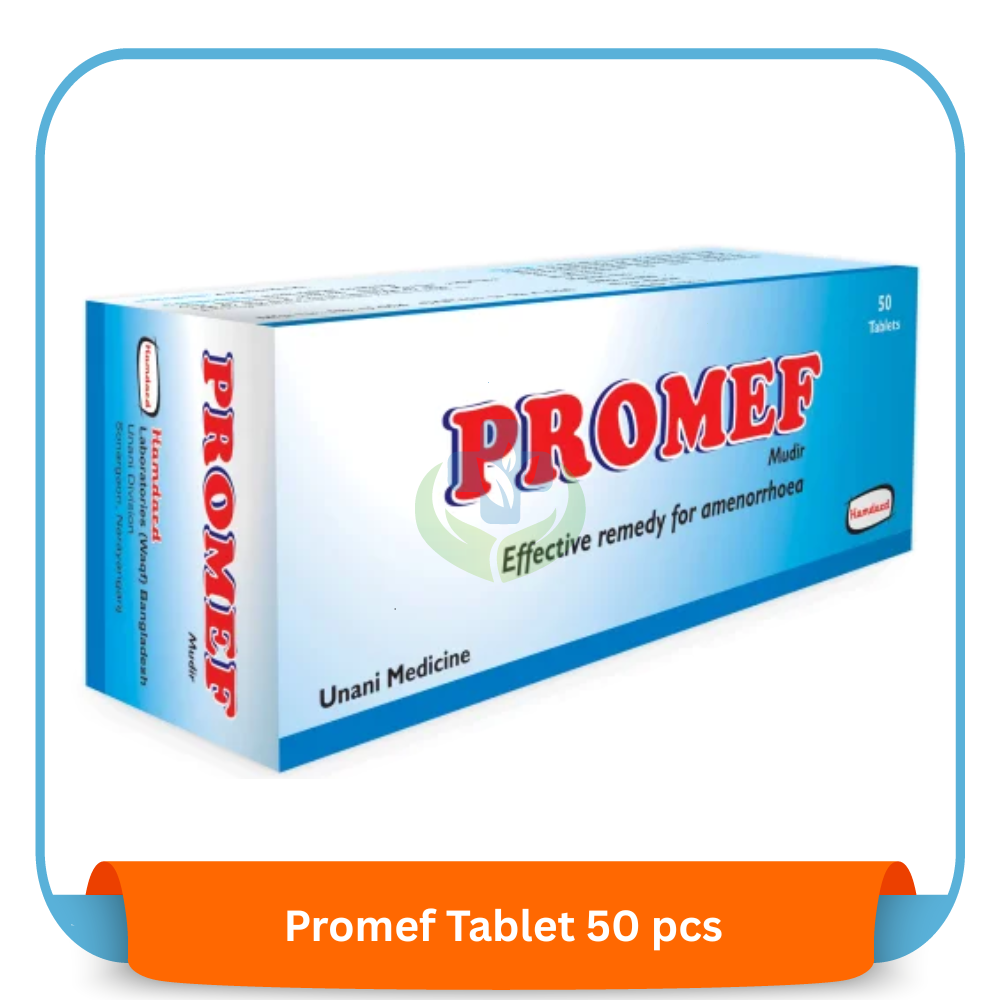
Promef Tablet 50 pcs
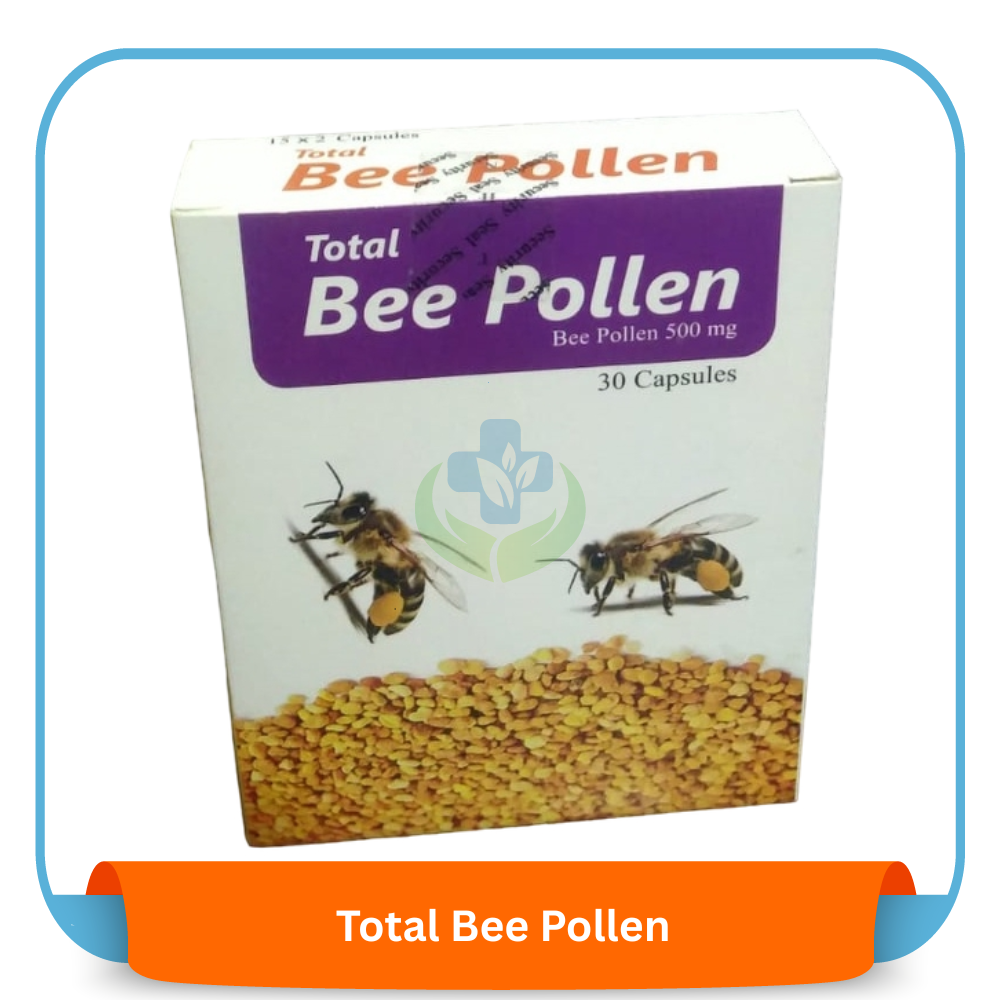
Total Bee Pollen Capsule 30 pcs
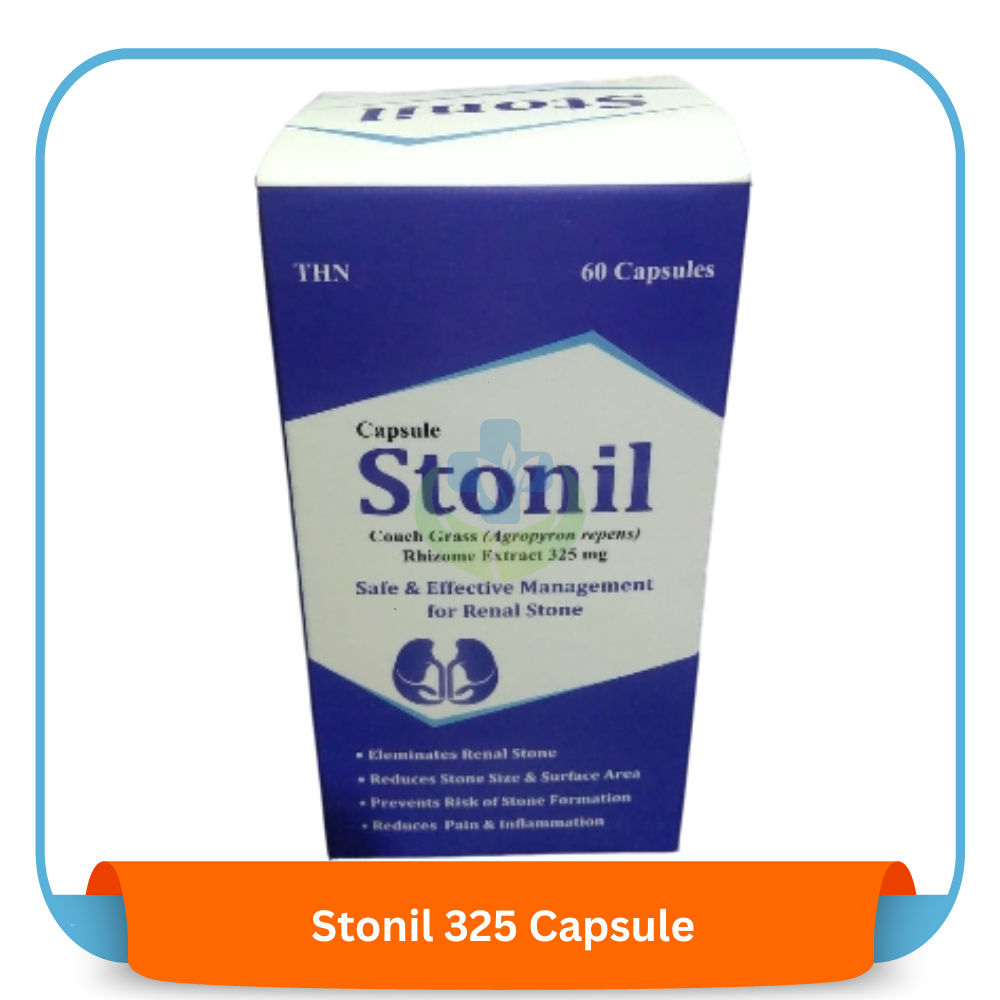
Stonil Capsule 60 pcs
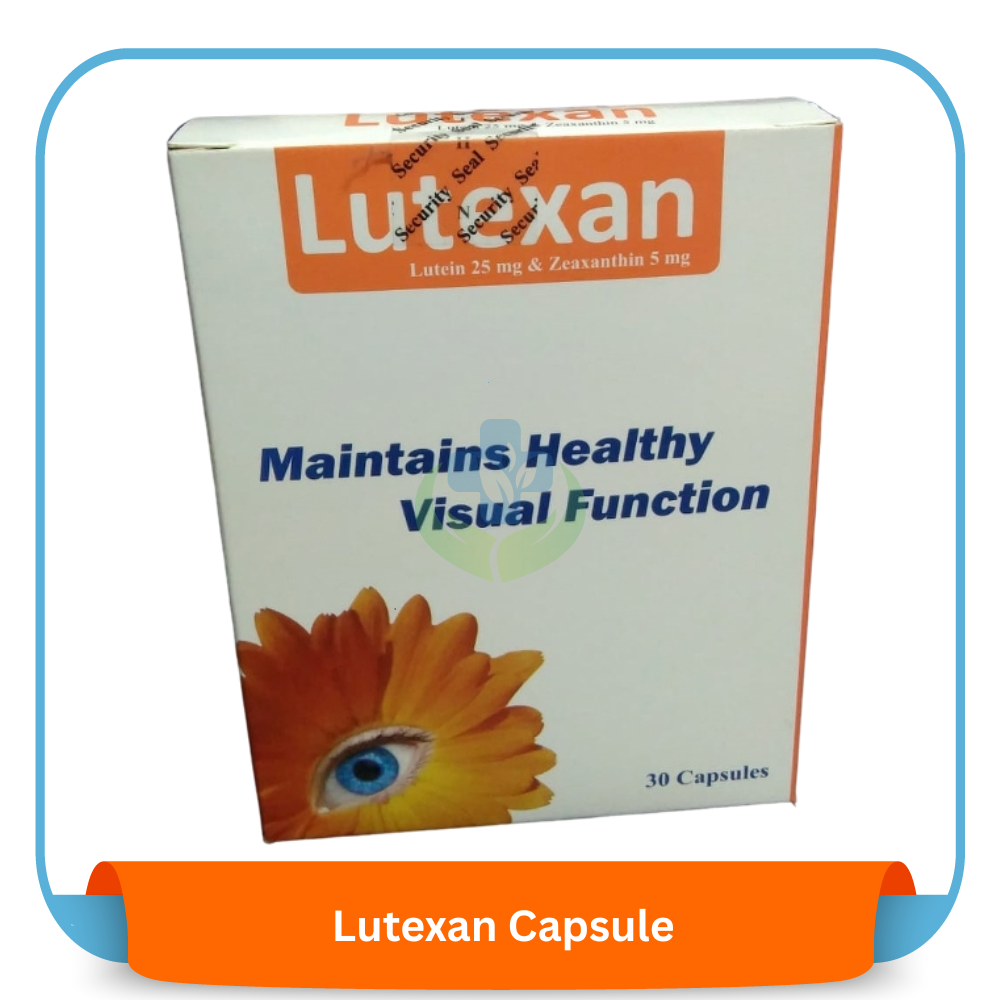
Lutexan Capsule 30 pcs
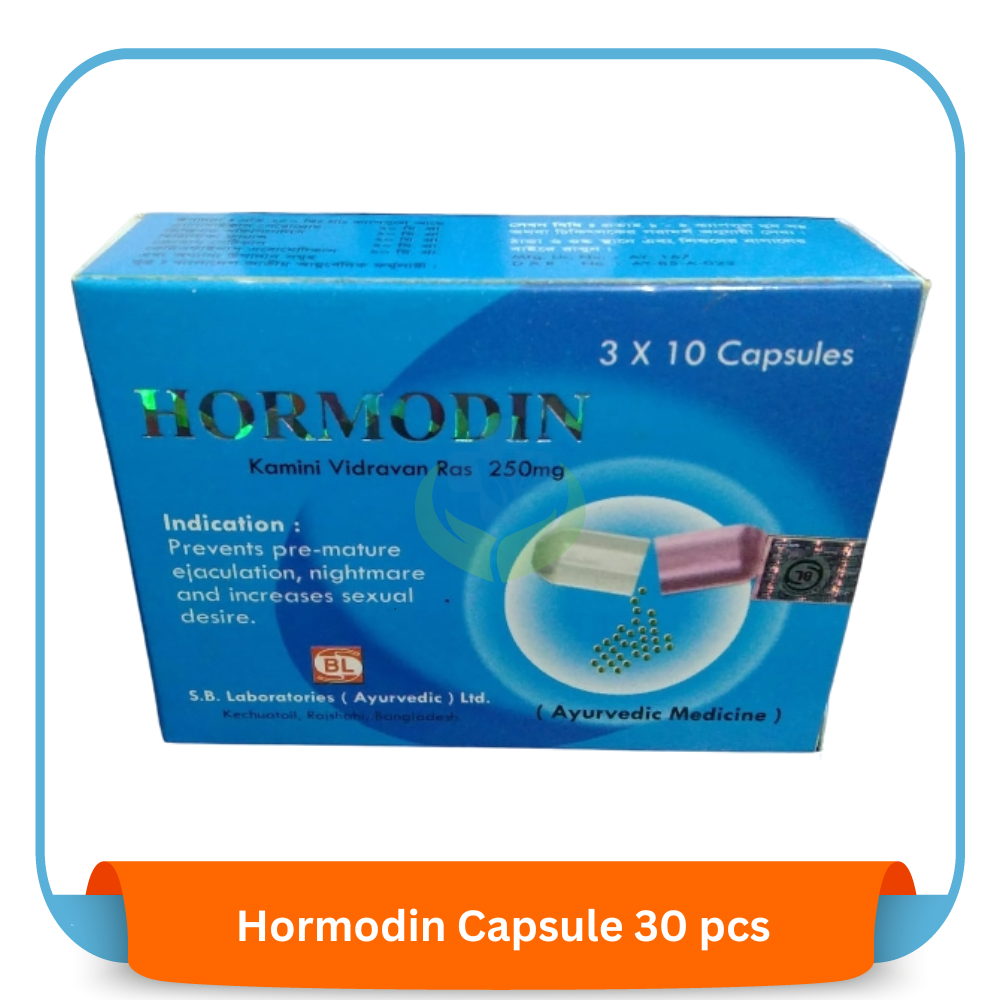
Hormodin Capsule 30 pcs
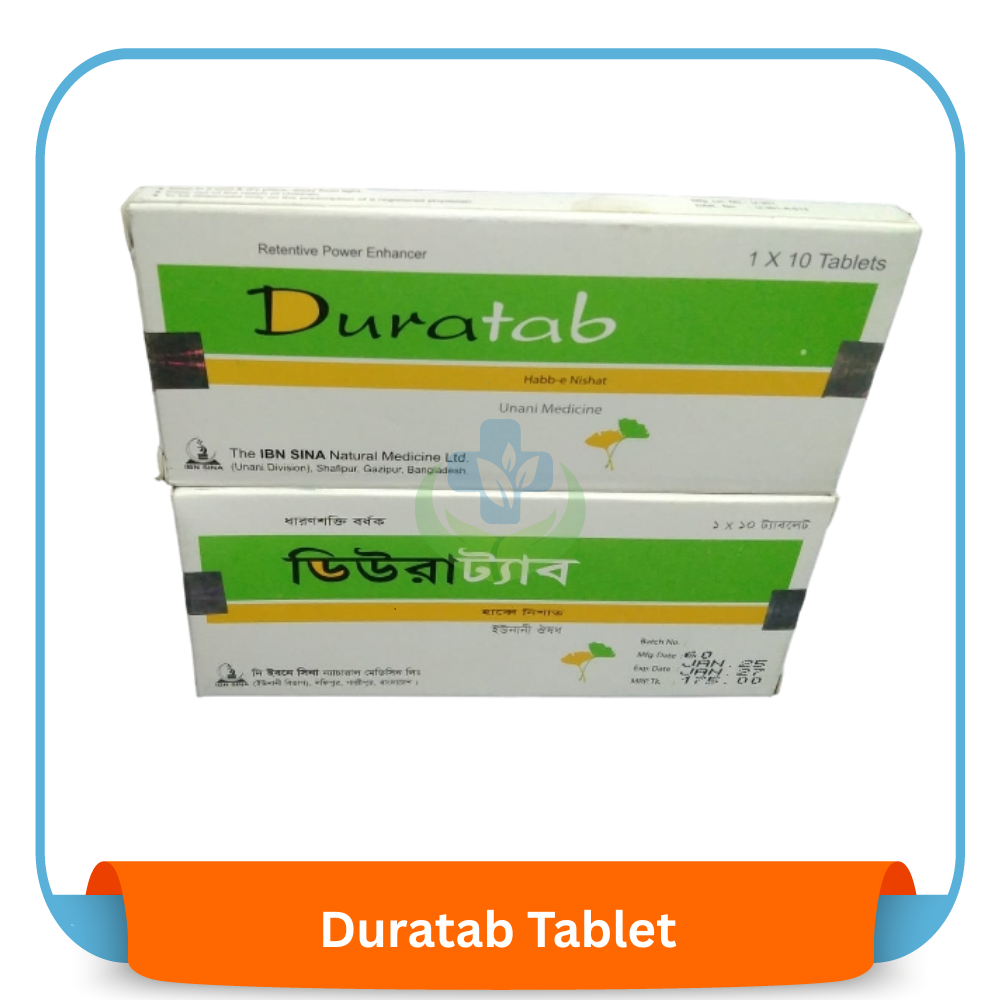
Duratab Tablet 10 pcs
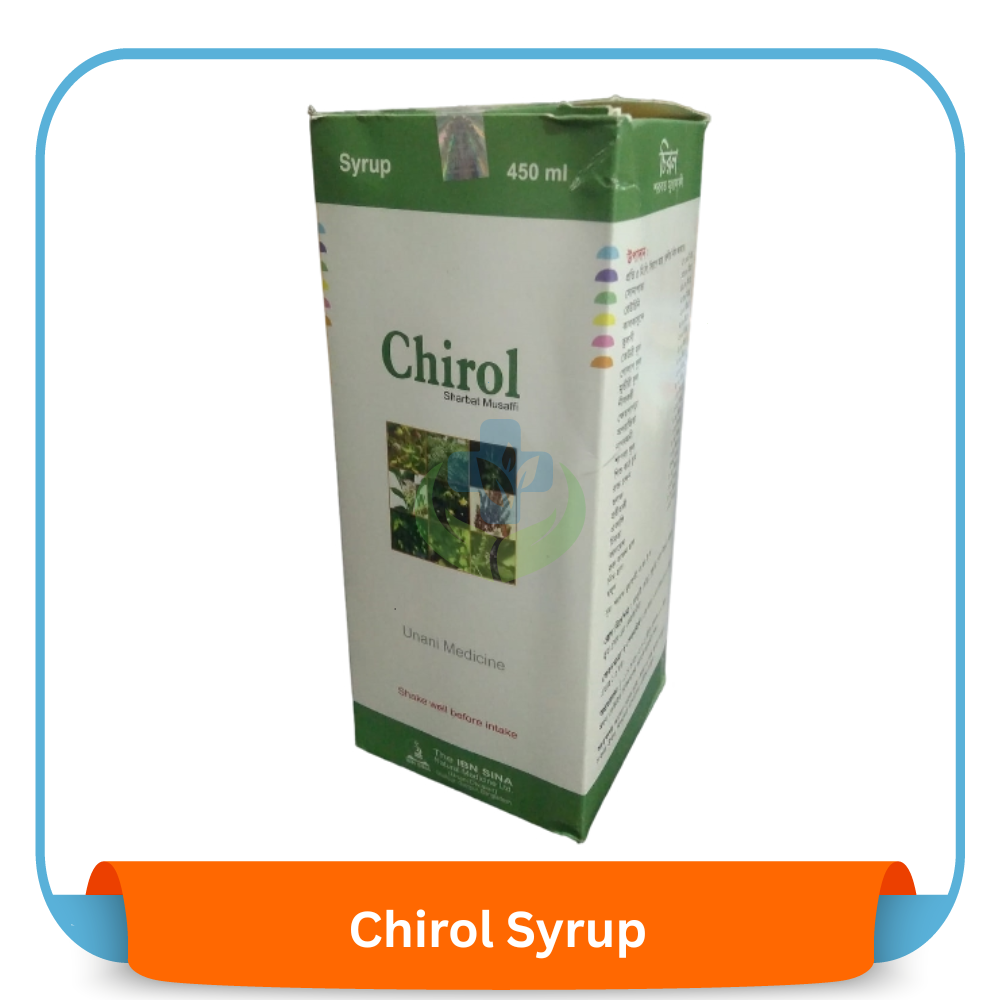
Chirol Syrup 450 ml

Orexis Tablet 30 pcs
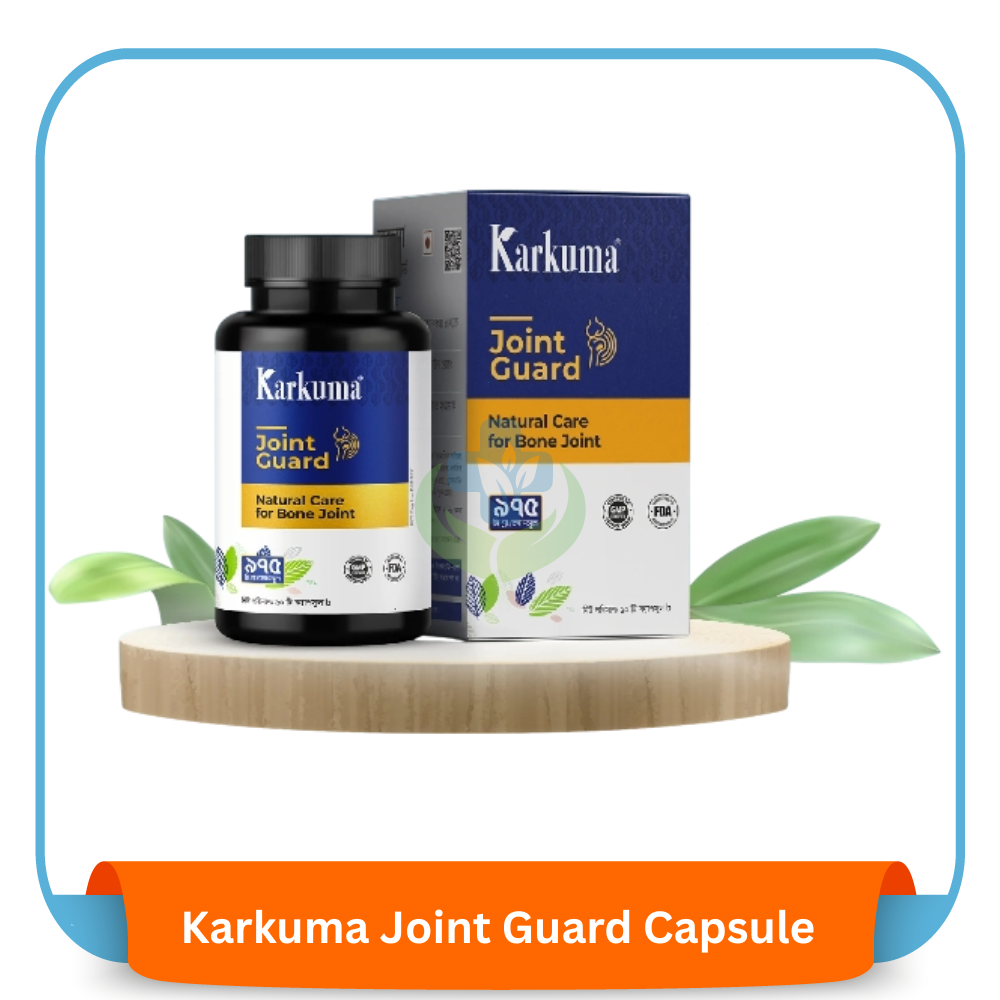
Karkuma Joint Guard Capsule 90 pcs
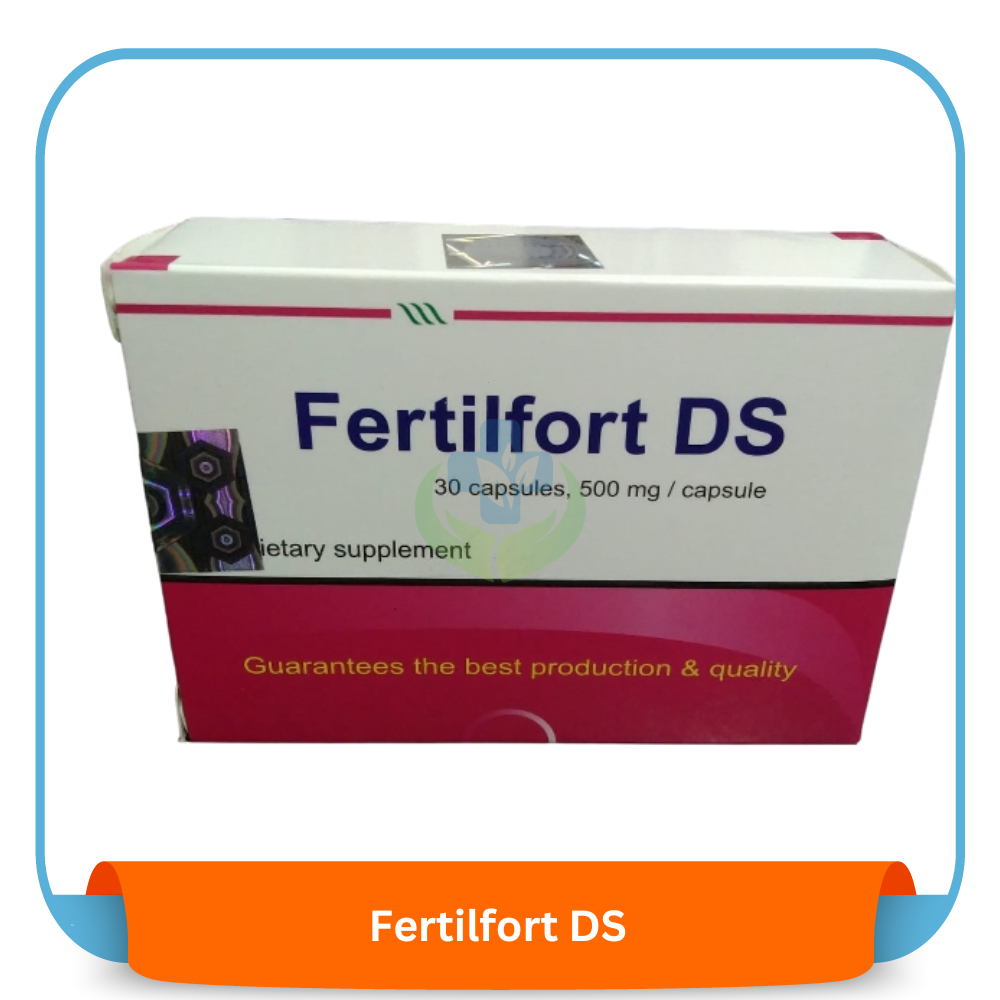
Fertilfort DS 30 pcs
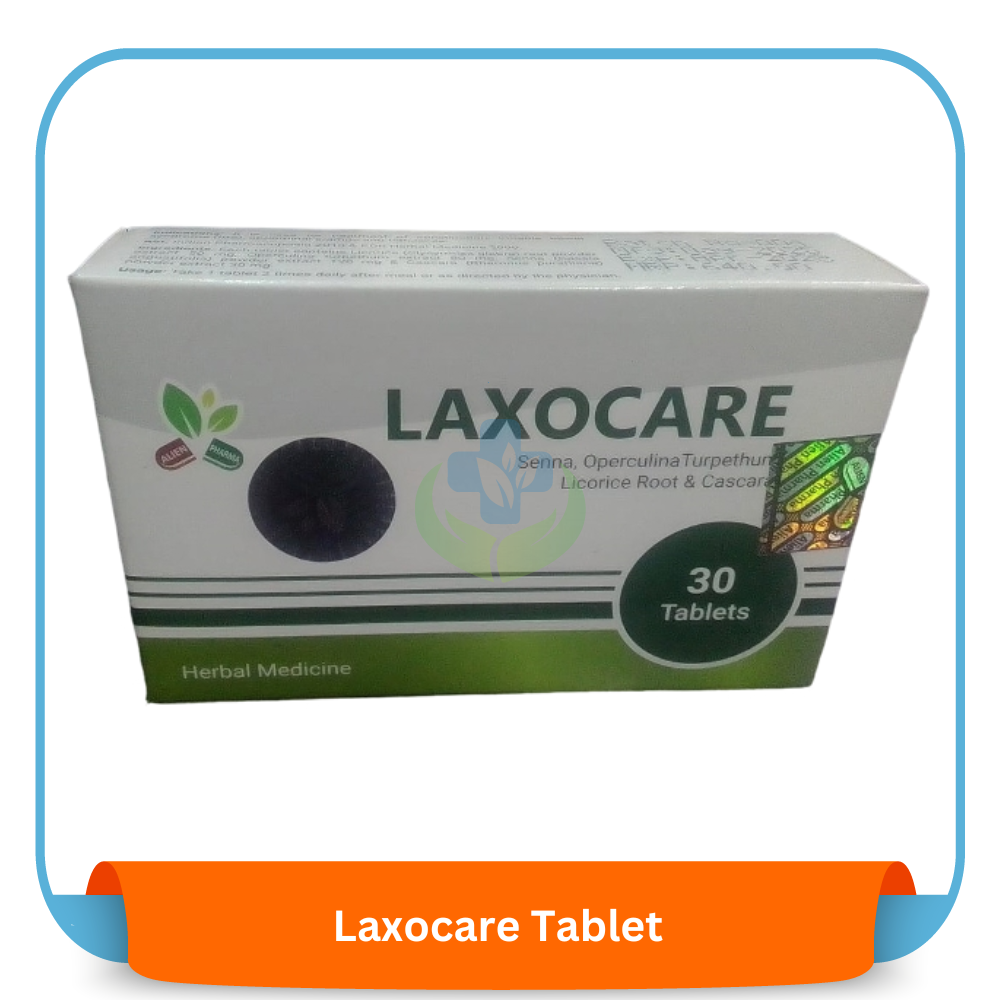
Laxocare Tablet 30 pcs
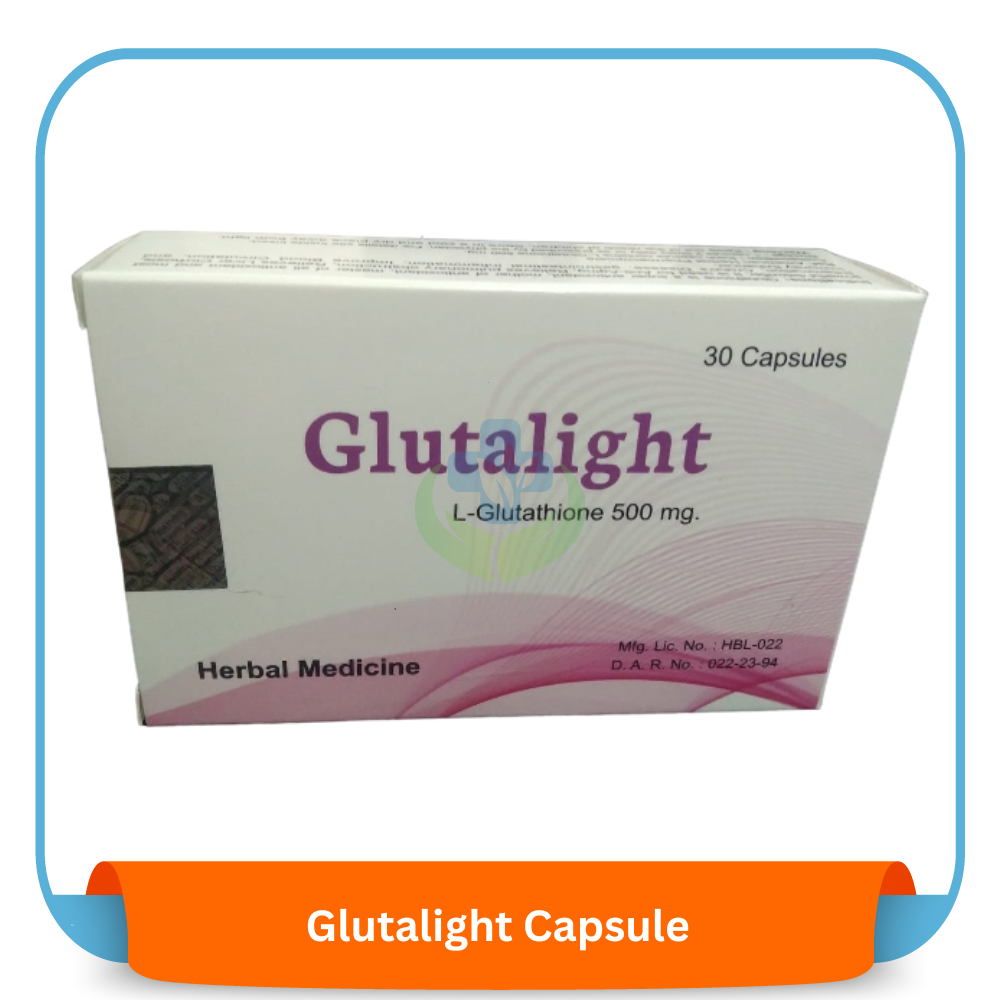
Glutalight Capsule 30 pcs
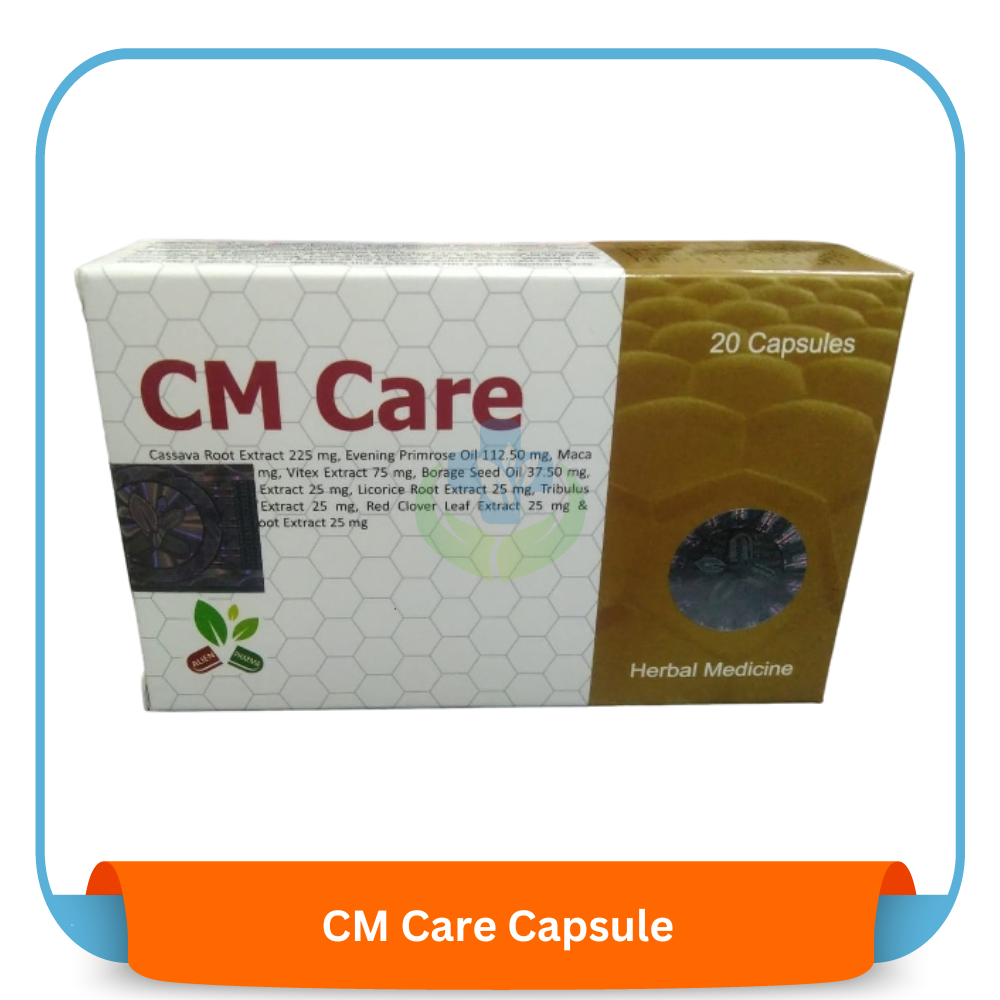
CM Care Capsule 20 pcs
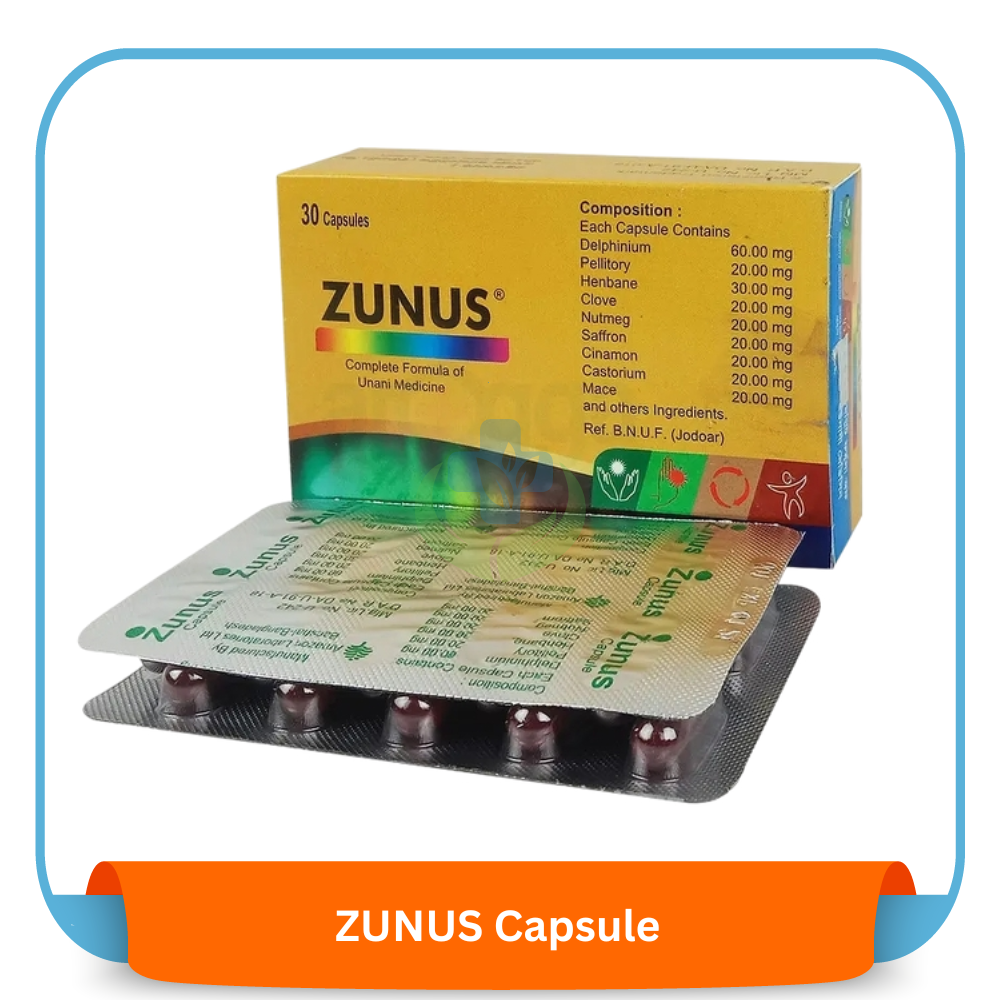
ZUNUS Capsule 30 pcs
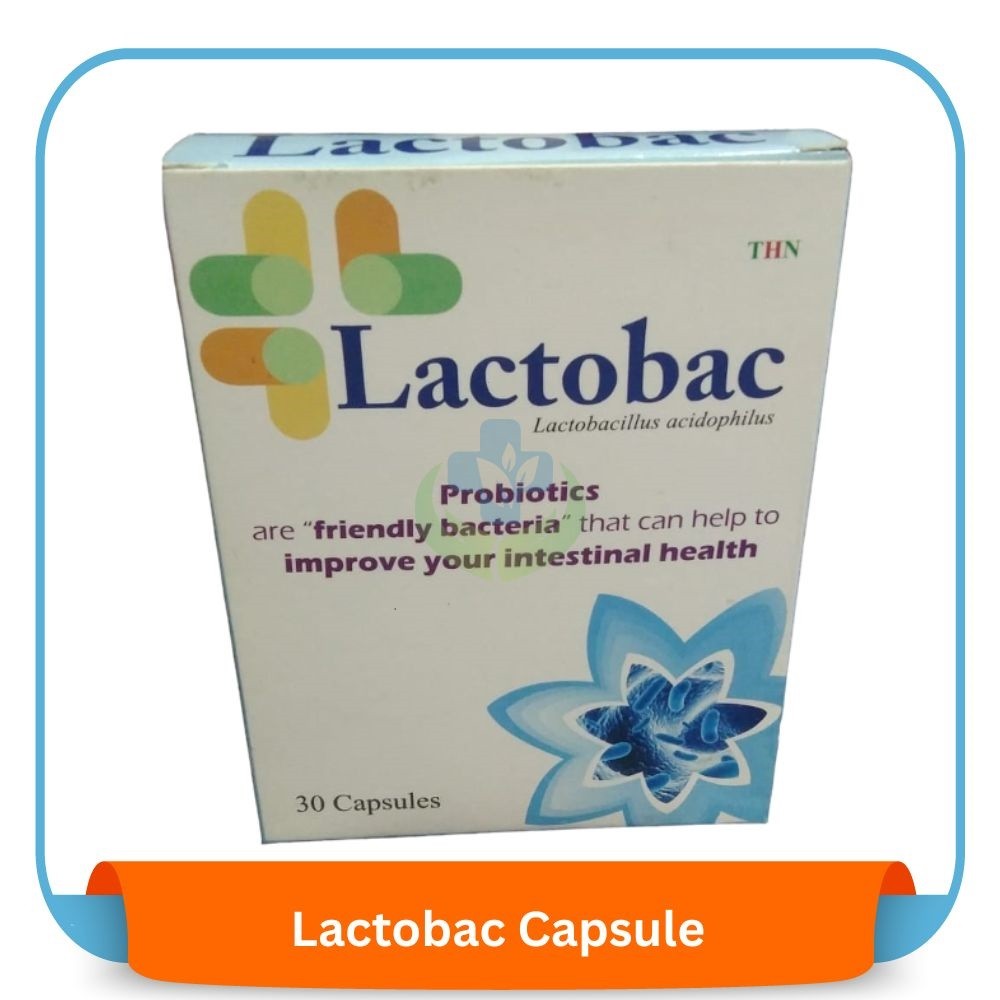
Lactobac Capsule 30 pcs
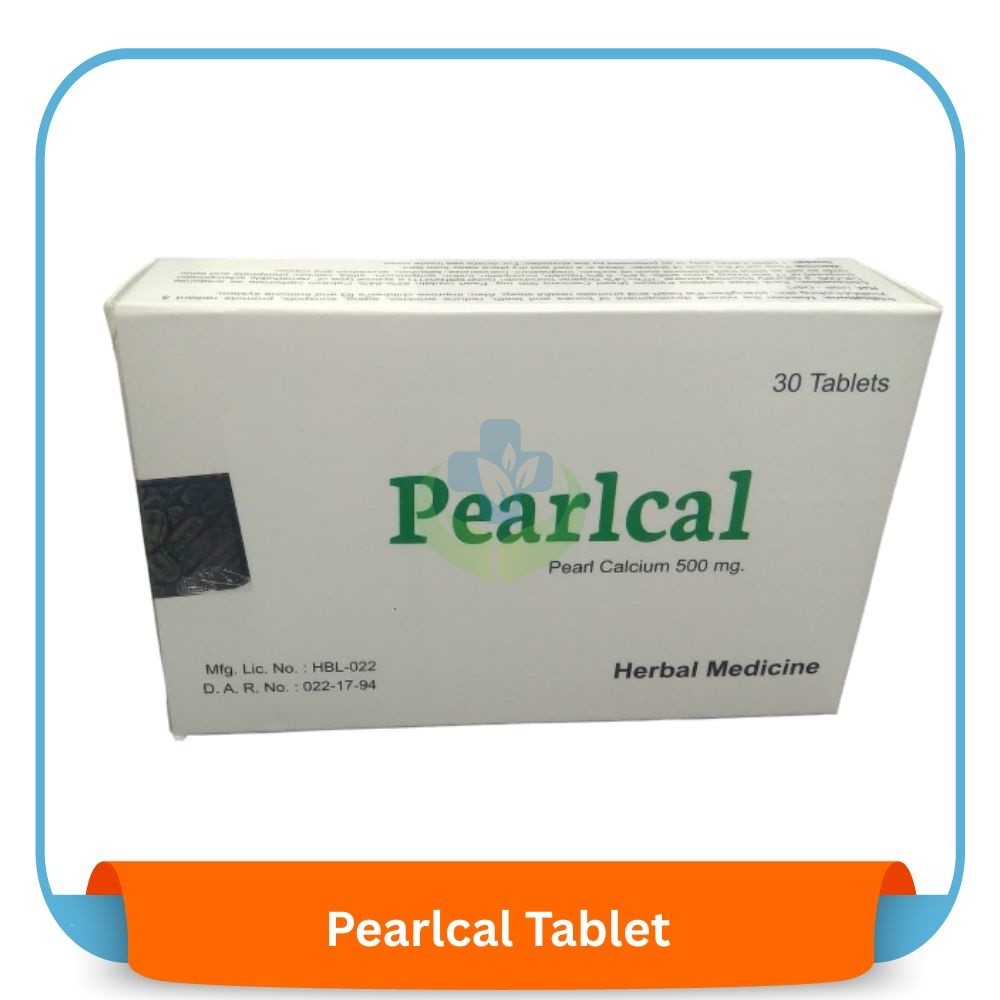
Pearlcal Tablet 30 pcs
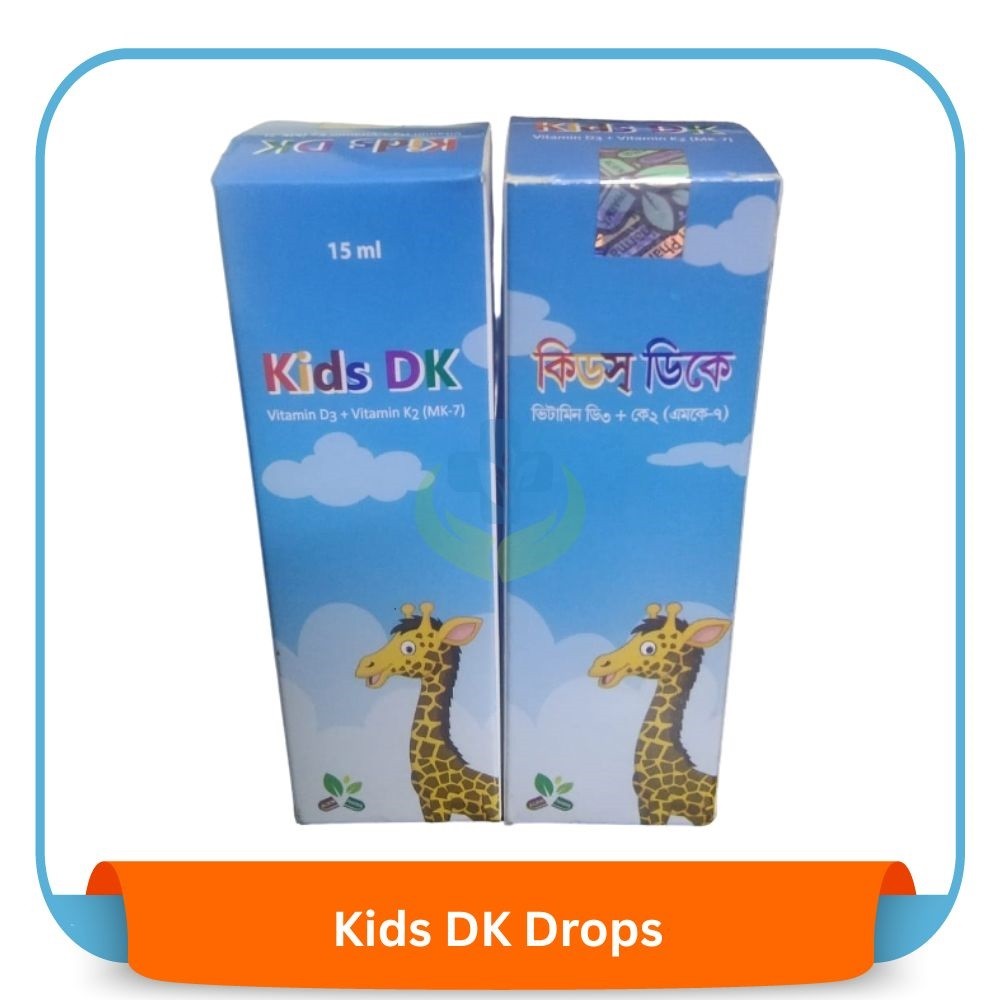
Kids DK Drops 15 ml
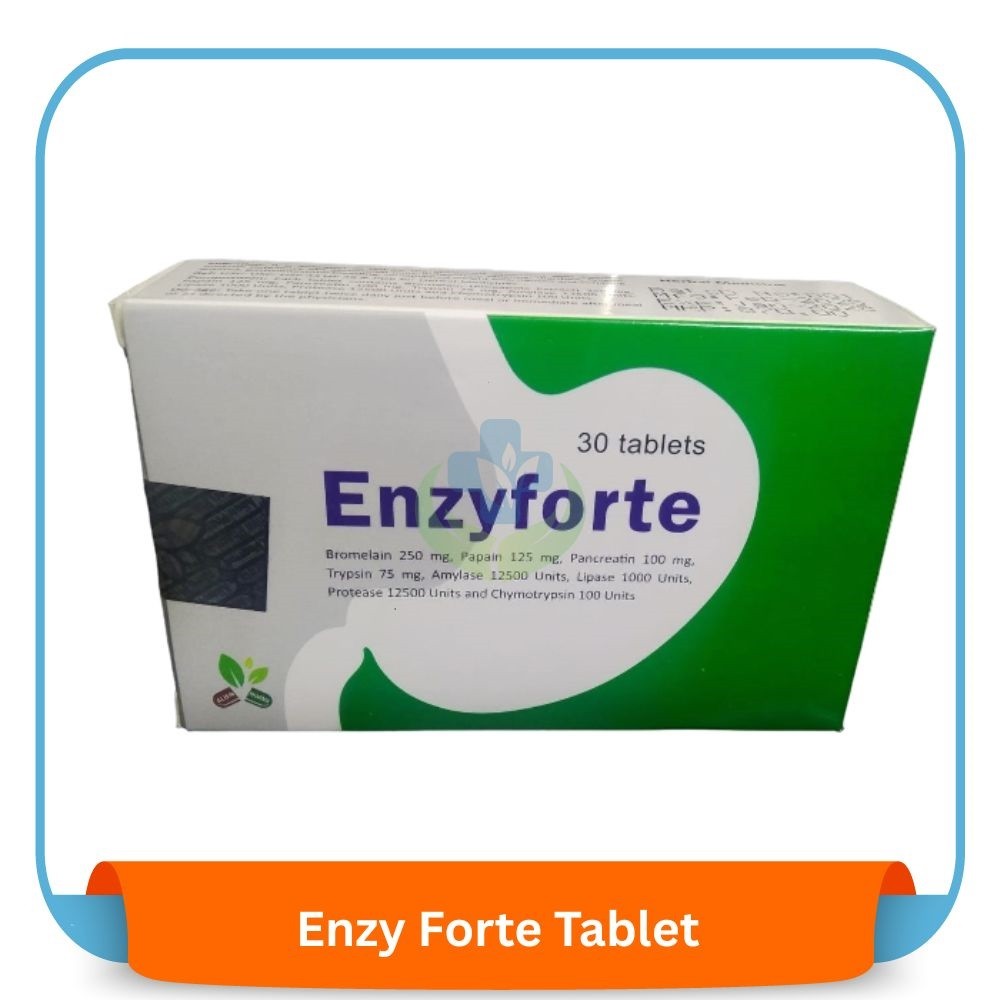
Enzy Forte Tablet 30 pcs
GIVICAP 500 Capsule 10 pcs


Contact Info
- Address: DOHS, Mirpur, Dhaka
- Phone: 01336 242 804
- Email: order@careonbd.com