






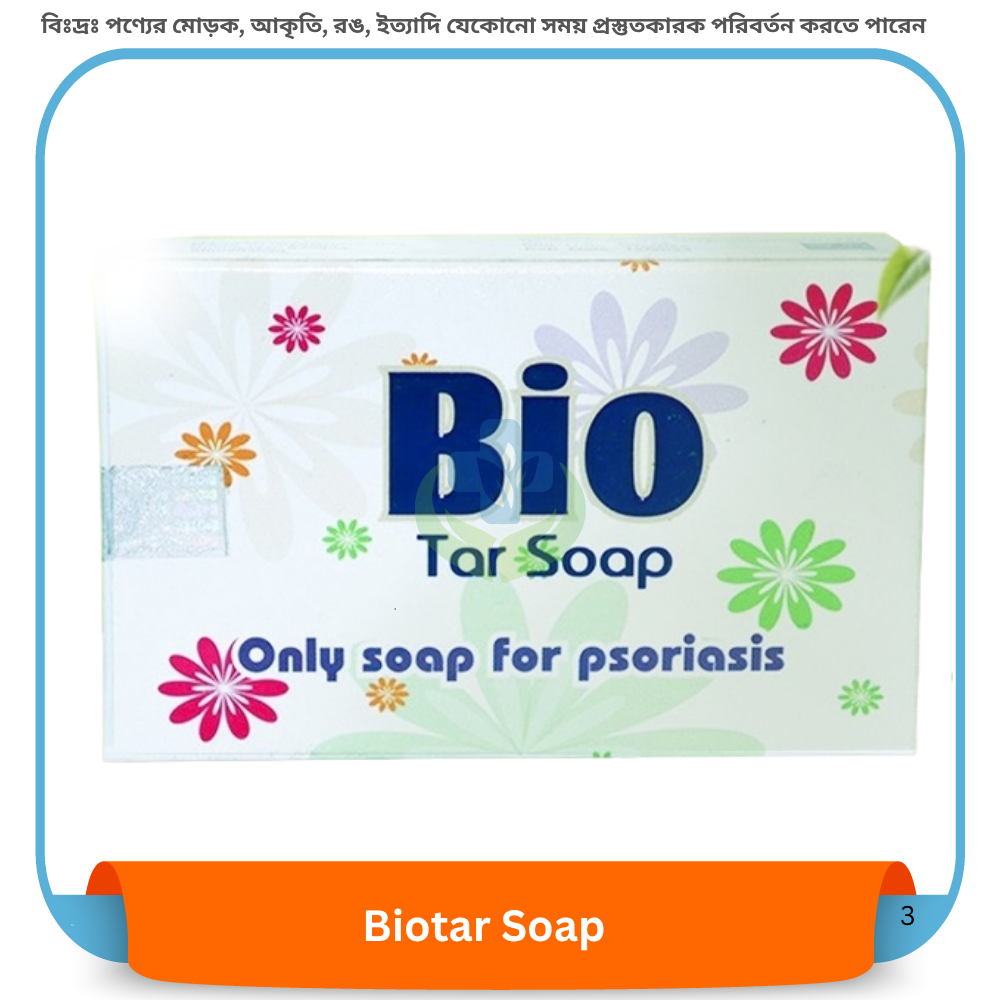
Bio Tar Soap 75gm
+88 01568-208768
-

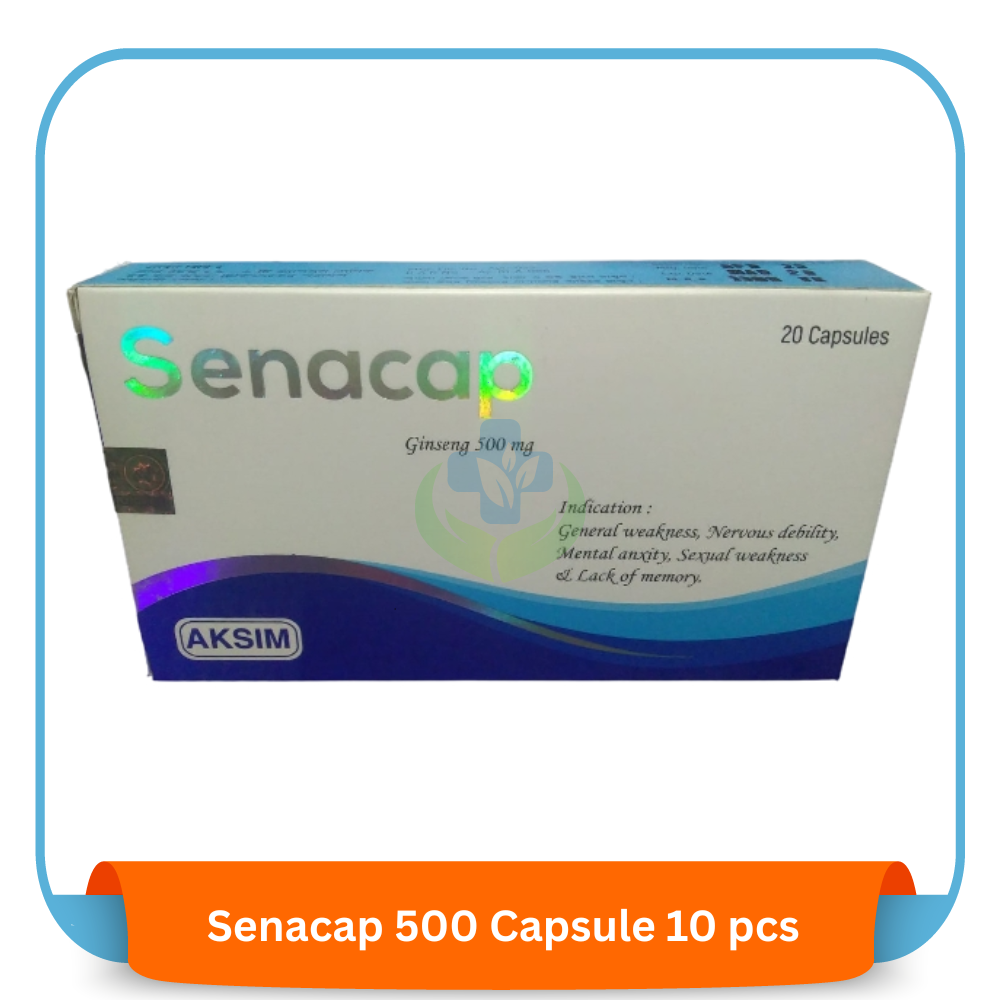
Senacap 500 Capsule 10 pcs
৳617.50 -
Xiovit D3 Pediatric Drops 30 ml
৳502.90 -
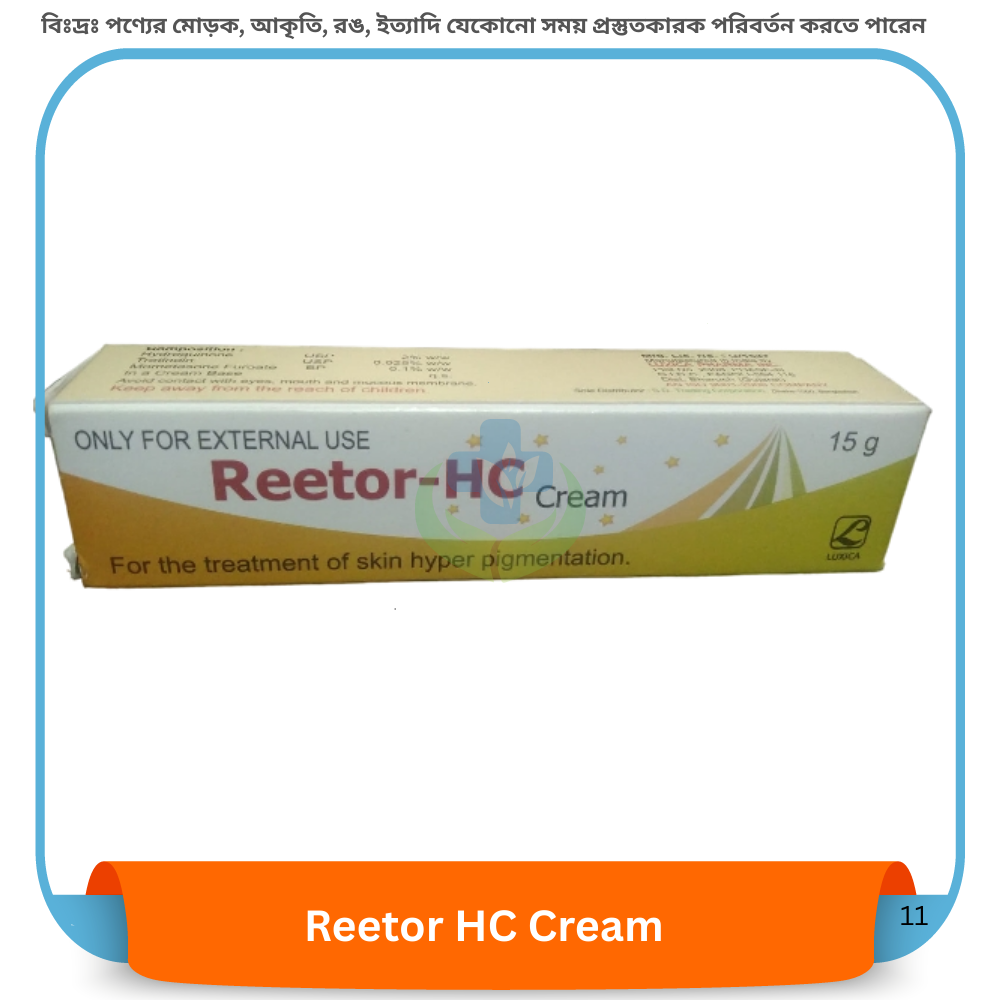
Reetor HC Cream 15 gm
৳841.30 -
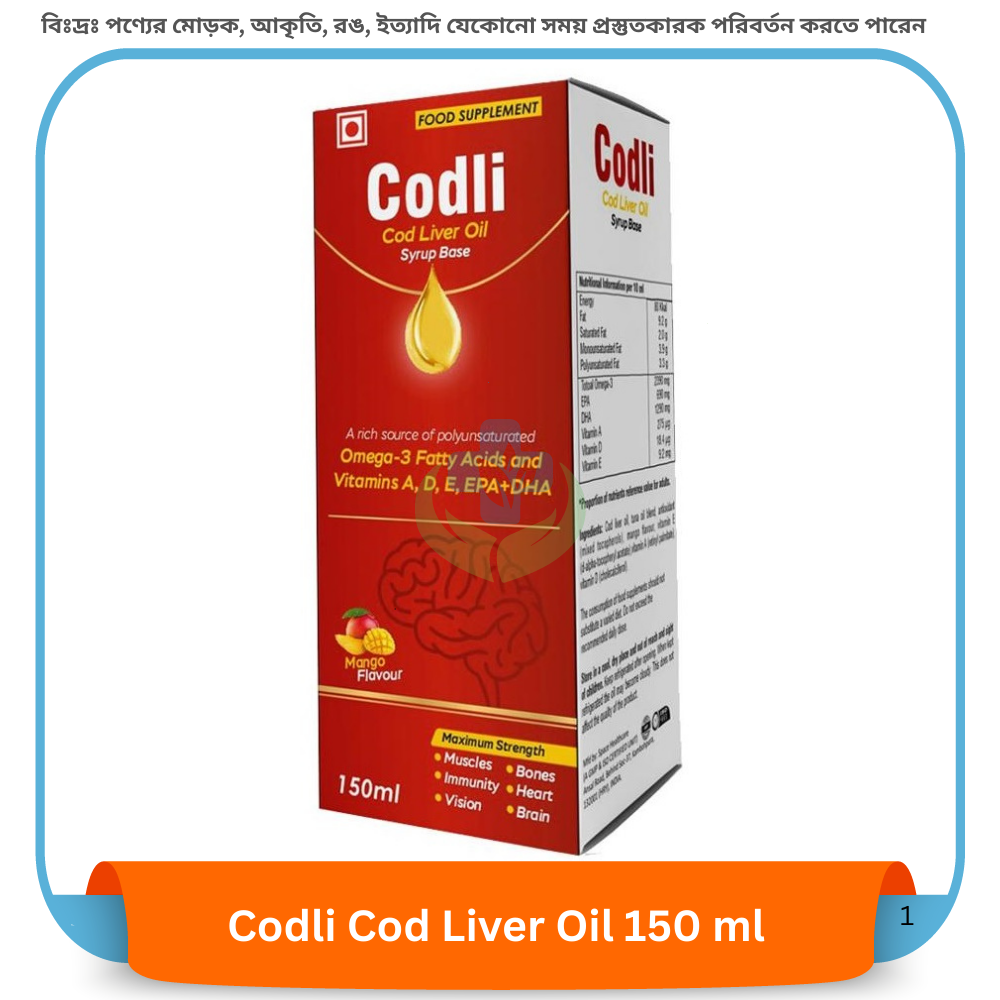
Codli Cod Liver Oil 150 ml
৳1,567.50 -
Nova-IQ Syrup 100 ml
৳714.40 -
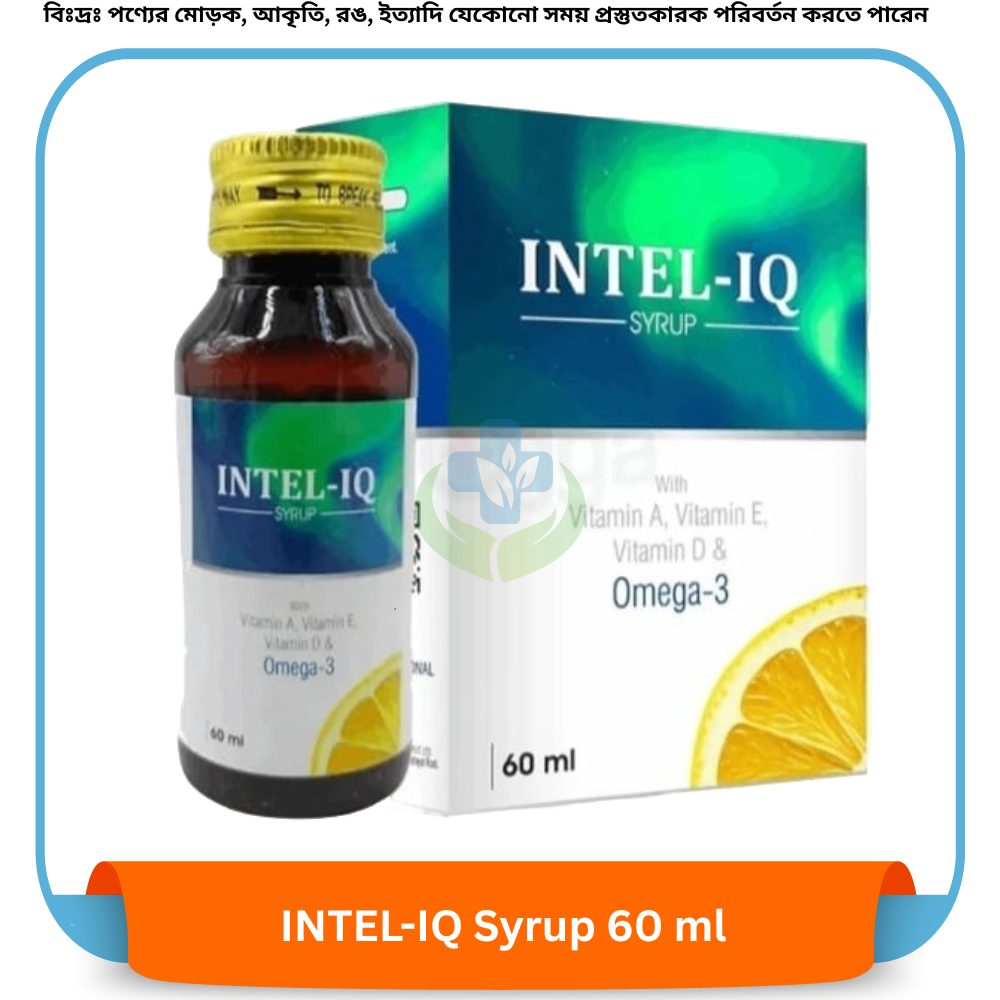
INTEL-IQ Syrup 60 ml
৳700.00

Bio Tar
Soap has been used for centuries
to treat skin conditions. Bio Tar Soap is an over-the-counter product
formulated to provide relief from persistent flaking and troubled skin by
slowing down the rapid growth of skin cells and reducing inflammation. The
addition of moisturizing agents like glycerin helps to counteract the drying
effects sometimes associated with tar treatments.
Benefits of Bio Tar Soap:
Ø Psoriasis Management: Helps to control and reduce
the red, scaly patches associated with psoriasis.
Ø Seborrheic Dermatitis Relief: Effective in managing
symptoms like dandruff and flaking on the scalp and body.
Ø Itching and Inflammation: Provides relief from
persistent itching and soothes inflamed skin.
Ø Skin Softening: The ingredients help to shed the hard, outer
layer of skin and remove dead skin cells.
Ø Moisturizing: Includes glycerin to help cool and moisturize
the skin, preventing excessive dryness.
Ingredients of Bio Tar Soap:
The
primary active ingredients in Bio Tar Soap are:
Ø Pine Tar (or Coal Tar):
The main therapeutic agent, typically at a low concentration (e.g., 1%). It
works by decreasing the rate of skin cell production.
Ø Glycerin: A moisturizing agent that helps keep the skin
hydrated.
Ø Other inactive ingredients
may include sodium palmate, water, sodium chloride, etc., which form the soap
base.
Uses of Bio Tar Soap:
Ø Used as a regular washing soap for individuals
with psoriasis, eczema, and seborrheic dermatitis.
Ø Can be used on the body and, in
some cases, as a shampoo for dandruff (consult a doctor for specific usage
instructions).
Directions for Use:
Ø Wet the affected area and rub the soap gently to
produce a rich lather.
Ø Leave the lather on the skin for approximately 3 to 5
minutes to allow the active ingredients to work effectively.
Ø Rinse thoroughly with water.
Ø Use as directed by a skincare
professional, usually during regular bathing routines.
Side Effects of Bio Tar Soap:
While
generally safe for most people in its low concentration, potential side effects
can include:
Ø Skin irritation, burning sensation, or stinging at the
application site.
Ø Rash or acne-like breakouts.
Ø Increased sensitivity to sunlight (photosensitivity), so sun
avoidance measures should be taken.
Ø Staining of the skin or fabrics.
Related products
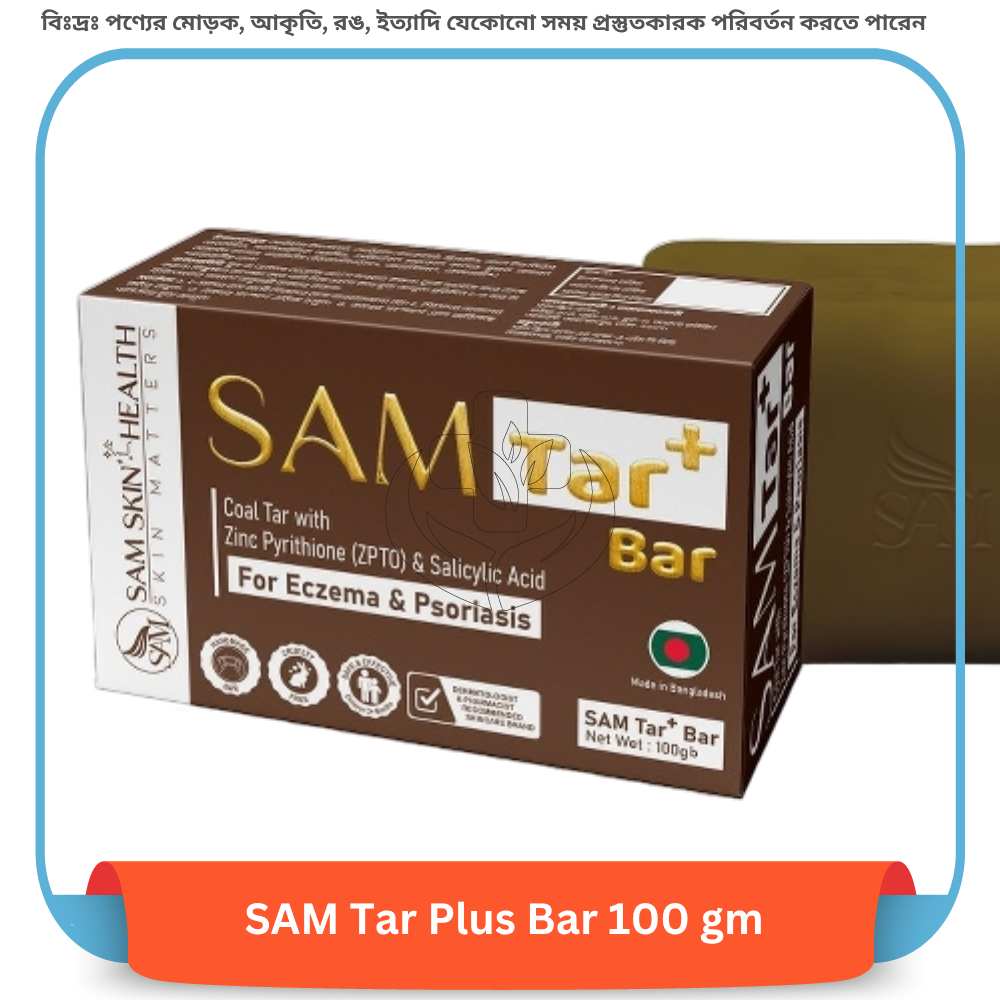
SAM Tar Plus Bar 100 gm
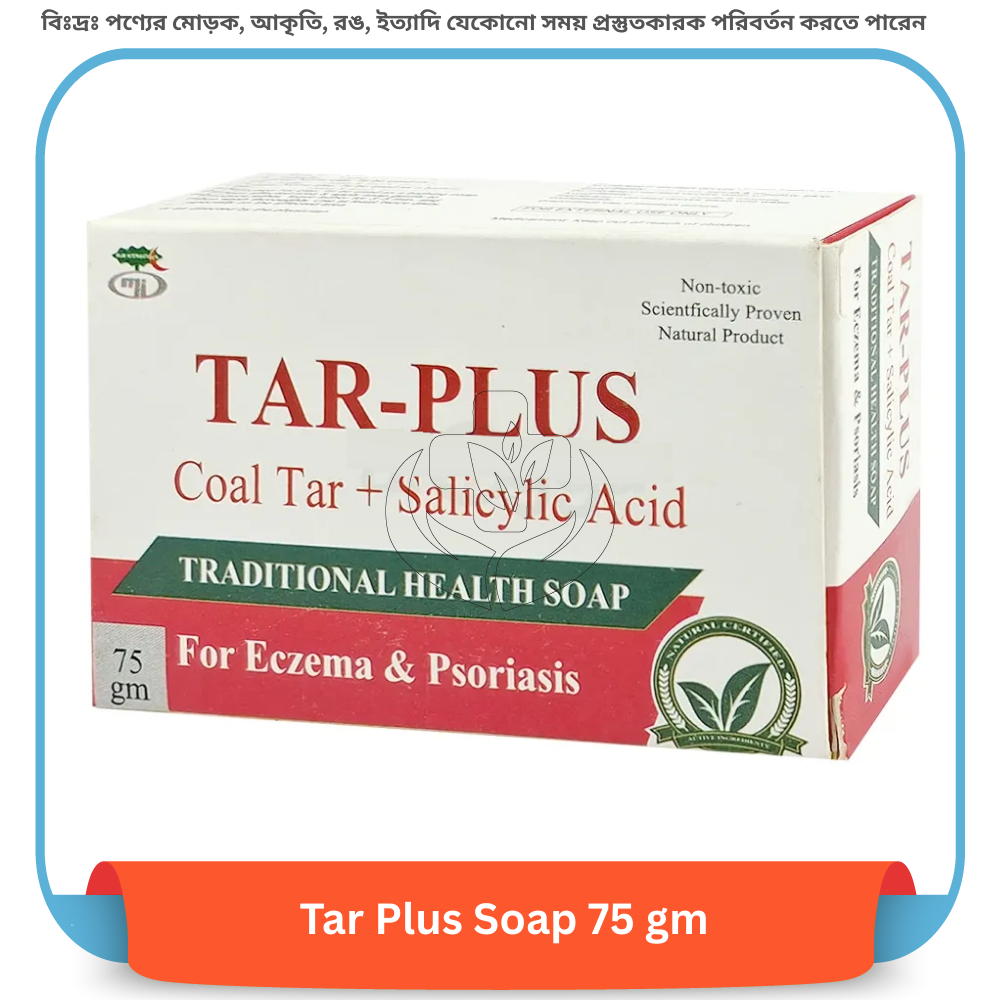
Tar Plus Soap 75 gm
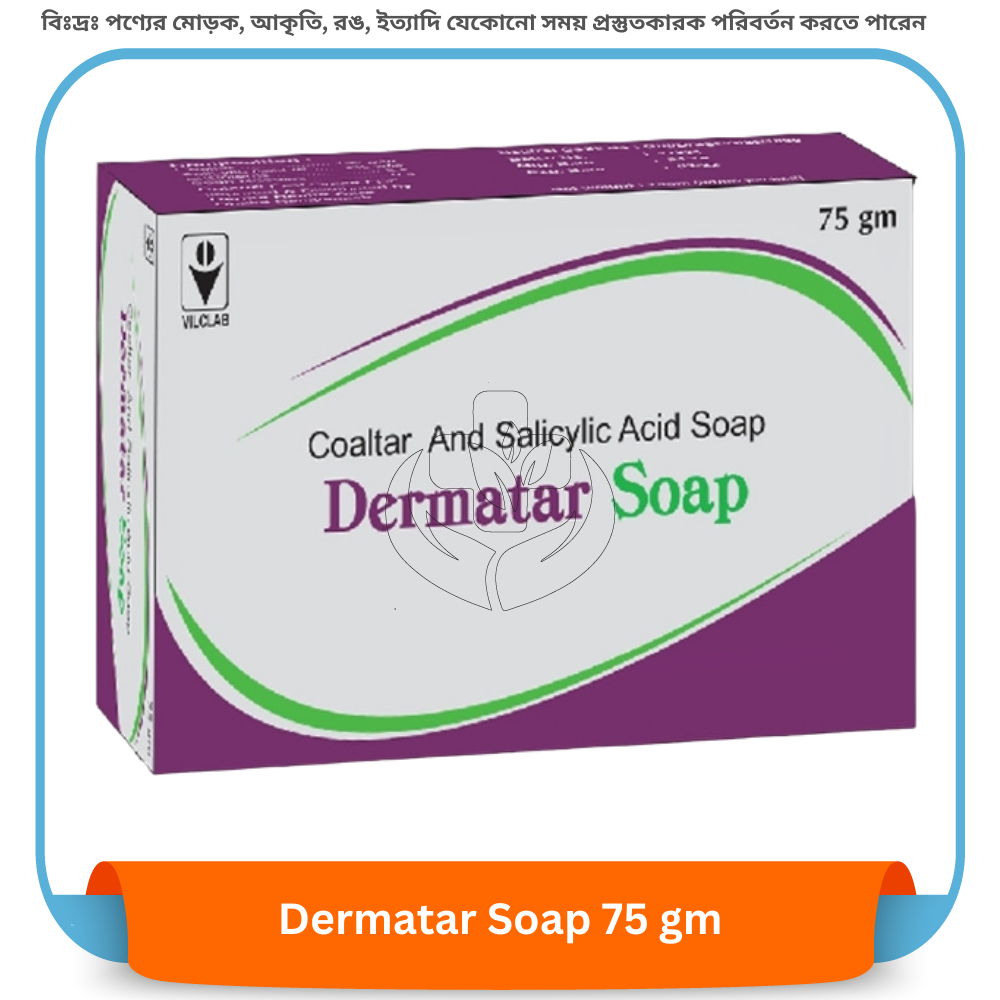
Dermatar Soap 75 gm
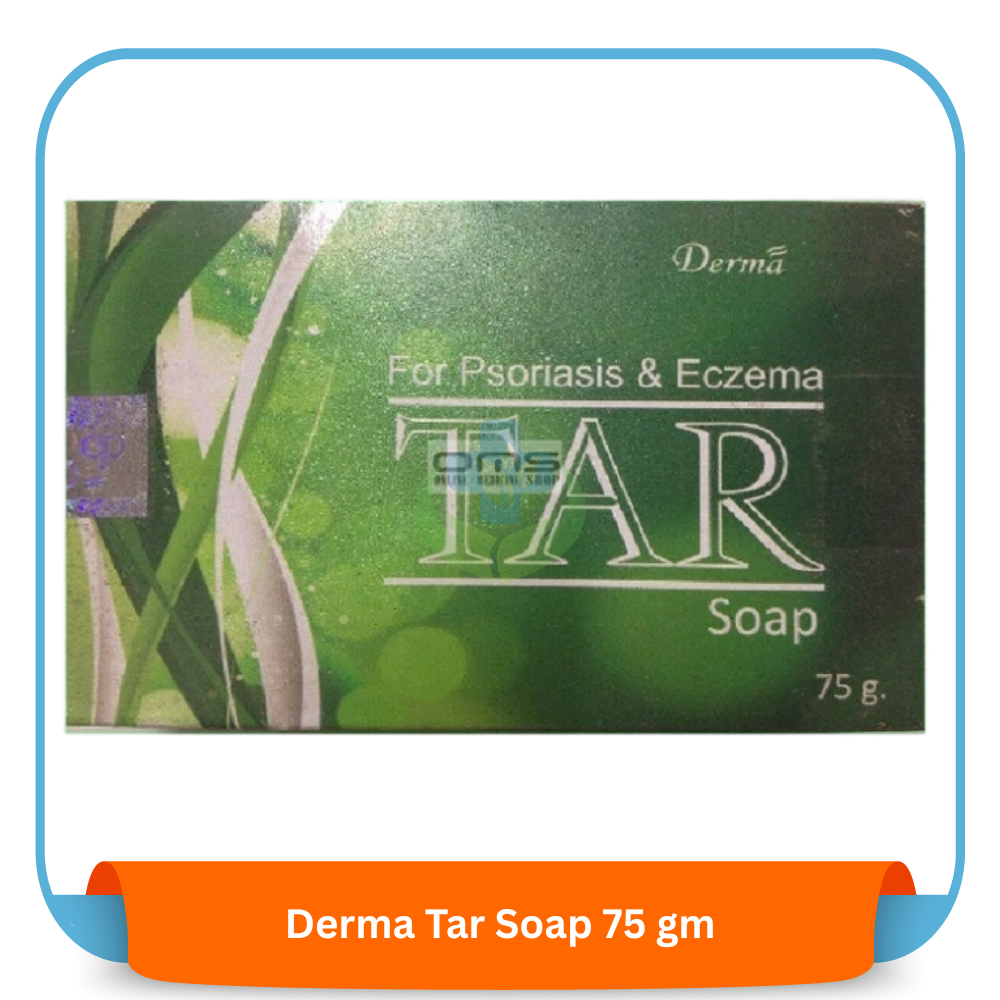
Derma Tar Soap 75 gm


Contact Info
- Address: DOHS, Mirpur, Dhaka
- Phone: 01336 242 804
- Email: order@careonbd.com