





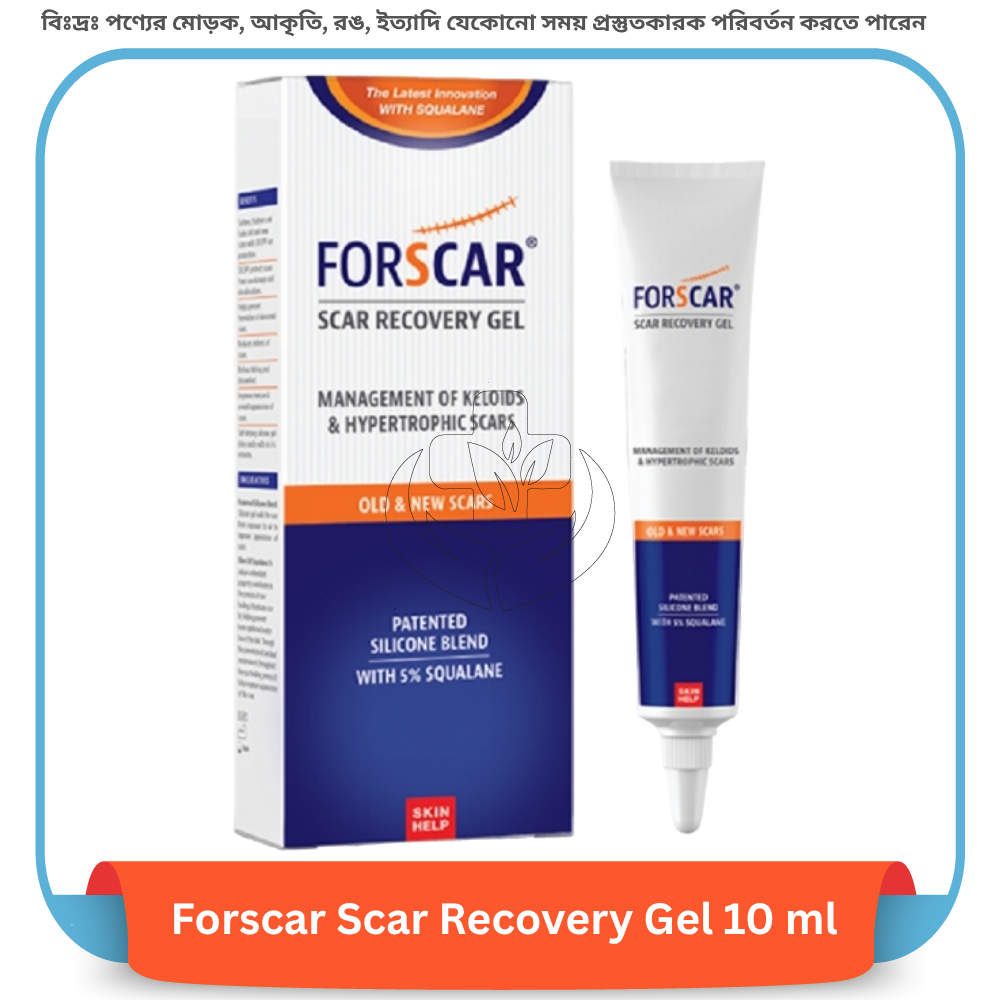
Forscar Scar Recovery Gel 10 ml
+88 01568-208768
-

Senacap 500 Capsule 10 pcs
৳617.50 -
Xiovit D3 Pediatric Drops 30 ml
৳502.90 -
Reetor HC Cream 15 gm
৳841.30 -
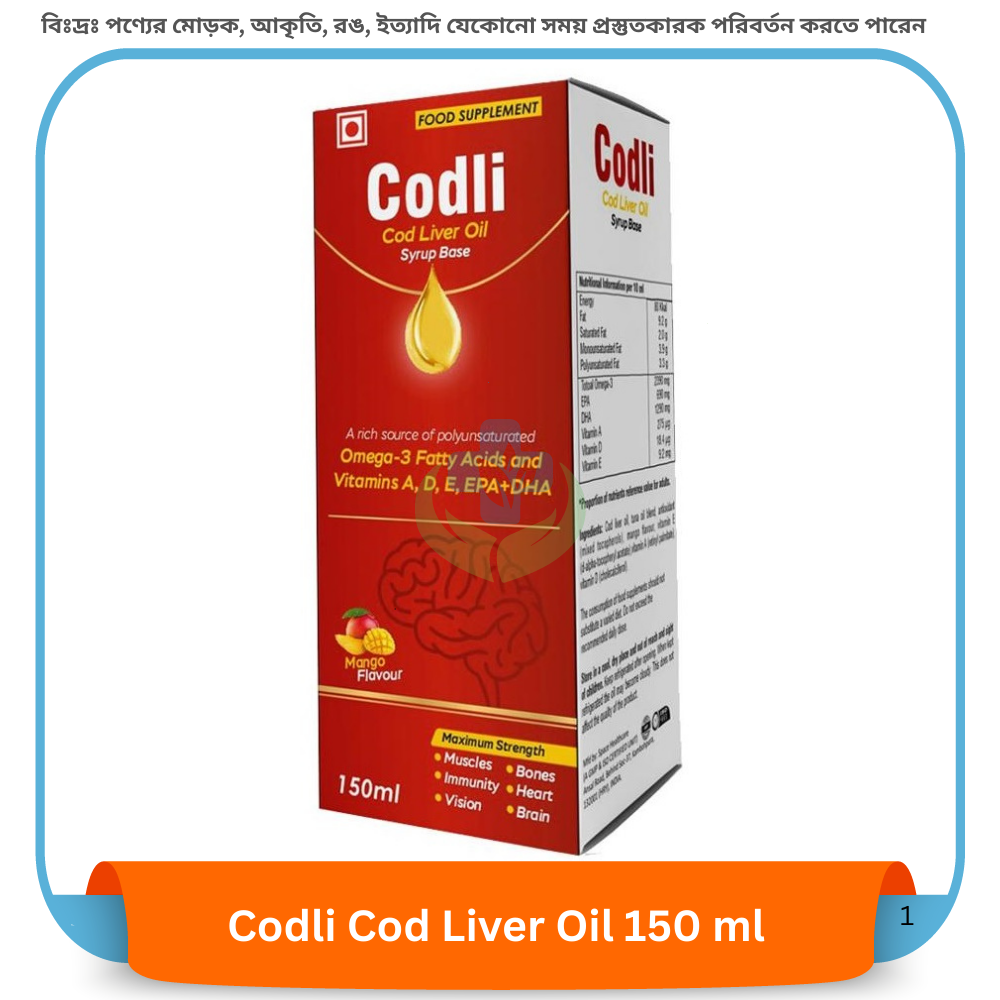
Codli Cod Liver Oil 150 ml
৳1,567.50 -
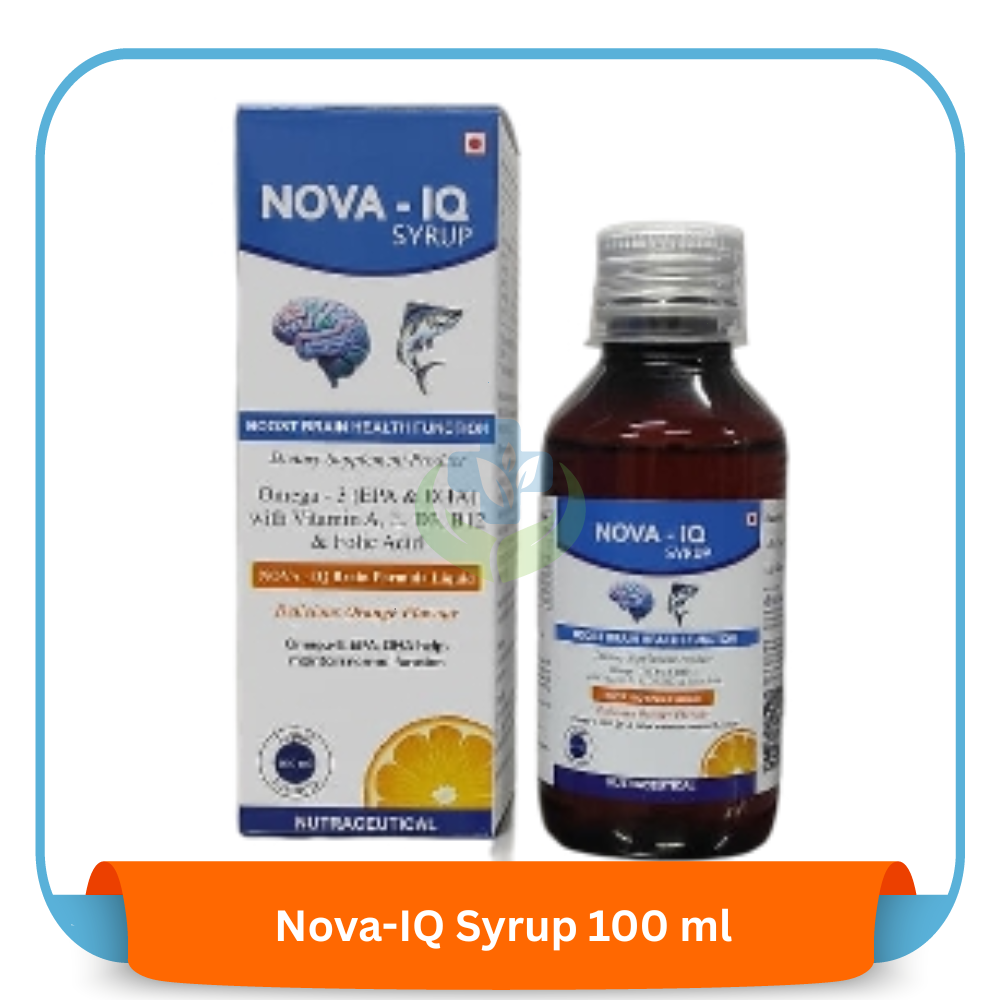
Nova-IQ Syrup 100 ml
৳714.40 -
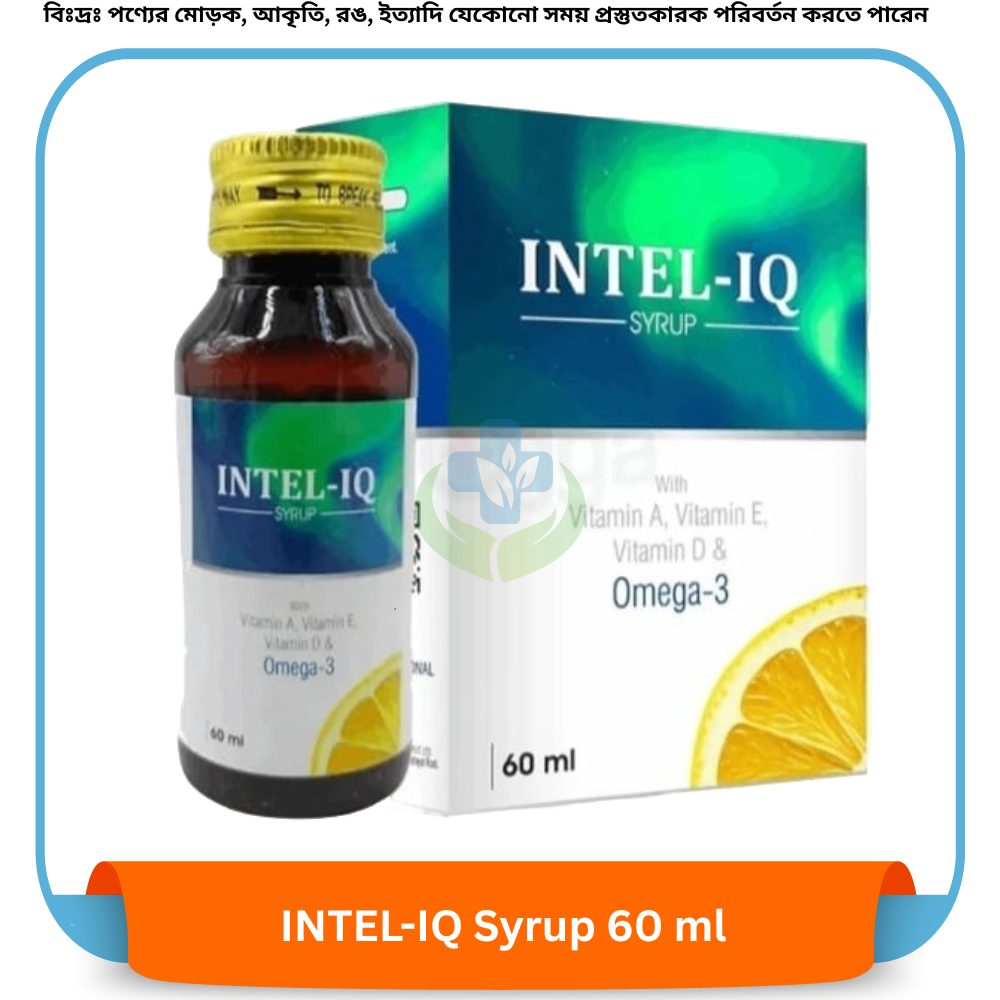
INTEL-IQ Syrup 60 ml
৳700.00
Forscar Scar Recovery Gel uses patented
medical-grade silicone technology and 5% antioxidant
olive oil squalane to help prevent and treat old and new scars,
including hypertrophic and keloid scars. It works by creating a breathable,
water-resistant barrier that hydrates the skin, normalizes collagen production,
and protects the scar from external invasion.Forscar Scar Recovery Gel is a
clinically proven, self-drying silicone gel designed to improve the appearance
and texture of scars resulting from surgeries, injuries, burns, C-sections, and
acne. Its innovative formula is non-tacky and flexible, making it effective for
use on irregular or hairy skin areas. Some variations also include SPF 30 for
sun protection.
Benefits of Forscar Scar Recovery
Gel
Key
benefits include softening, flattening, and fading both old and new scars,
reducing associated redness, itching, and discomfort, and improving overall
texture and appearance. The gel also helps prevent abnormal scar formation and
provides antioxidant protection and a barrier against external factors.
Ingredients of Forscar Scar Recovery
Gel
The
core ingredients are patented medical-grade silicones that flatten scars by
enhancing hydration and temperature of the skin's outer layer, and 5%
antioxidant olive oil squalane, which hydrates and protects against free
radical damage. A version with SPF 30 is also available for sun
protection.
Usage Instruction of Forscar Scar
Recovery Gel
Apply
a very thin layer twice daily to a clean, dry, closed wound. Allow it to dry
completely before applying other products or clothing. Reapply after water
exposure. Consistent use for at least 2-3 months is recommended for best
results. Do not apply to open wounds or third-degree burns.
Side Effects of Forscar Scar
Recovery Gel
Forscar
is generally well-tolerated, even by those with sensitive skin and children. It
is for external use only. Potential minor side effects include irritation
(discontinue use if this occurs) and not drying properly if too much is applied
(simply remove excess). Avoid contact with eyes, mucous membranes, or open
wounds.
Related products
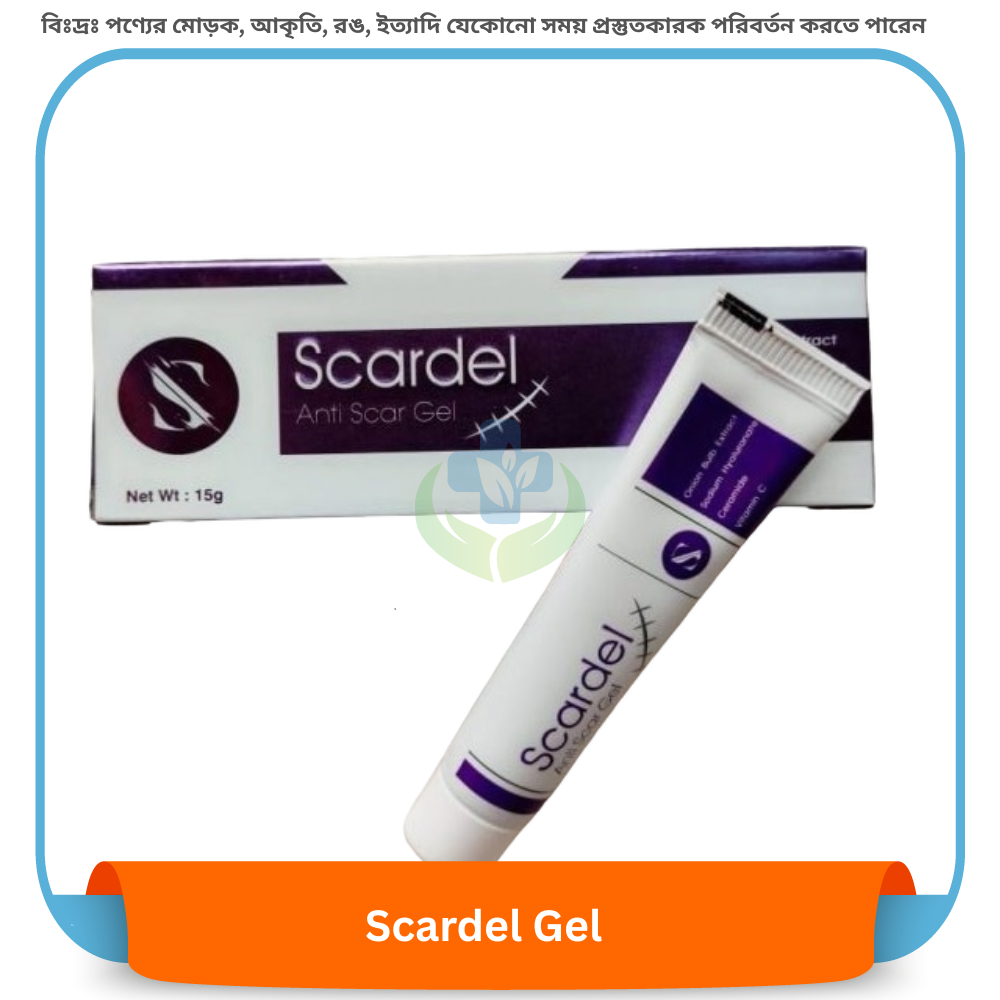
Scardel Gel 15 gm
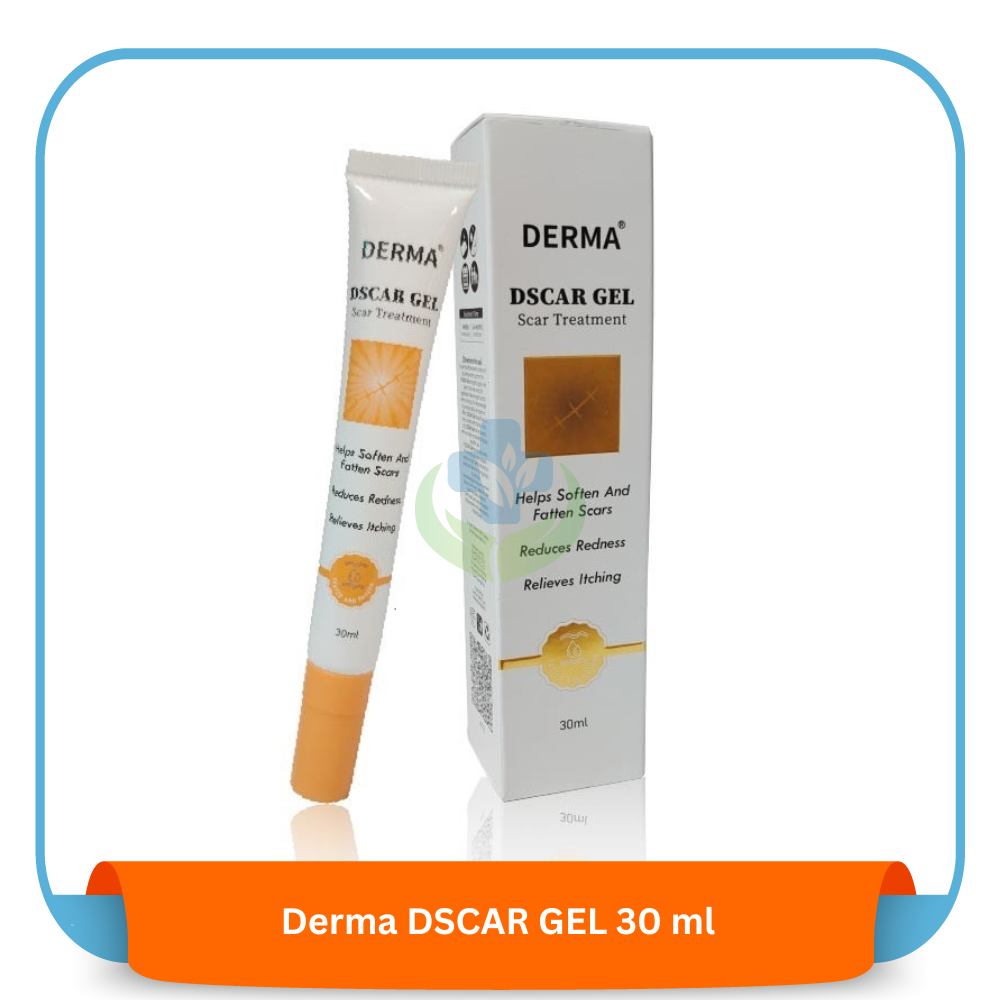
Derma DSCAR GEL 30 ml


Contact Info
- Address: DOHS, Mirpur, Dhaka
- Phone: 01336 242 804
- Email: order@careonbd.com