




HA Serum 30 ml
+88 01568-208768
-

Senacap 500 Capsule 10 pcs
৳617.50 -
Xiovit D3 Pediatric Drops 30 ml
৳502.90 -
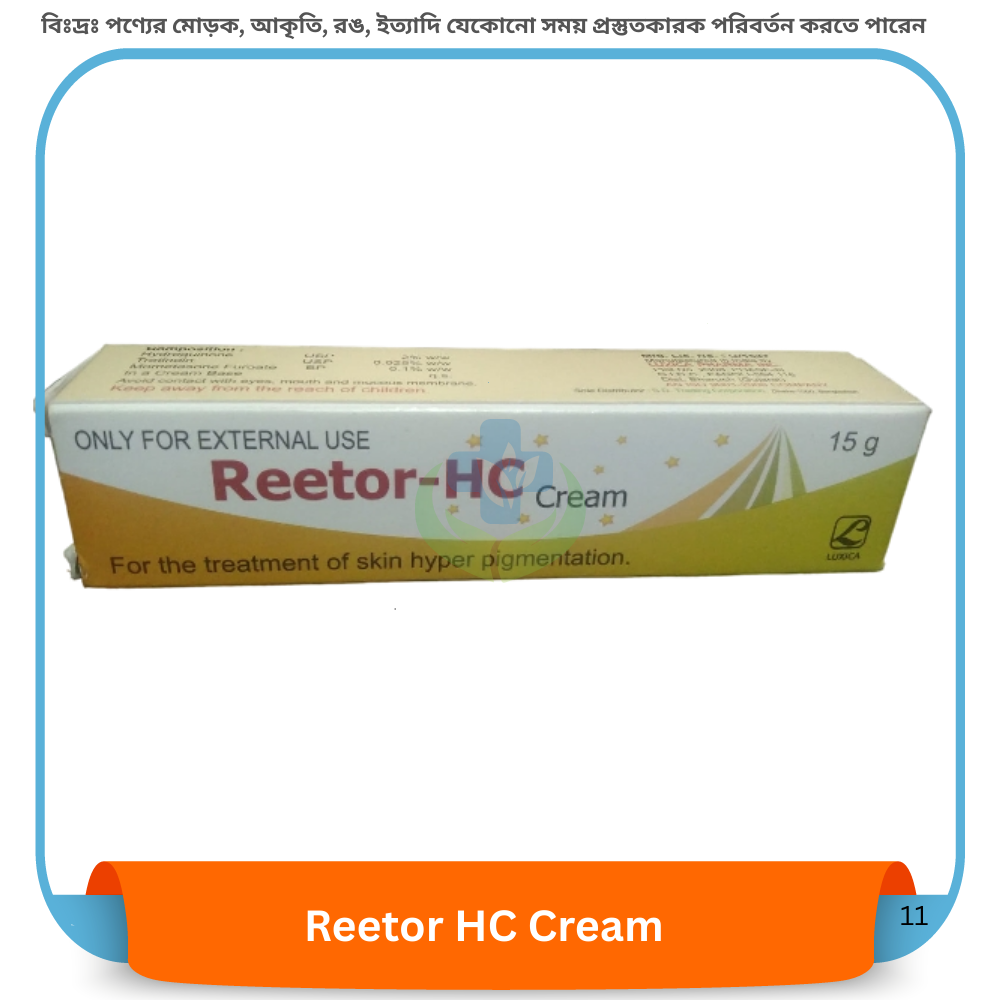
Reetor HC Cream 15 gm
৳841.30 -
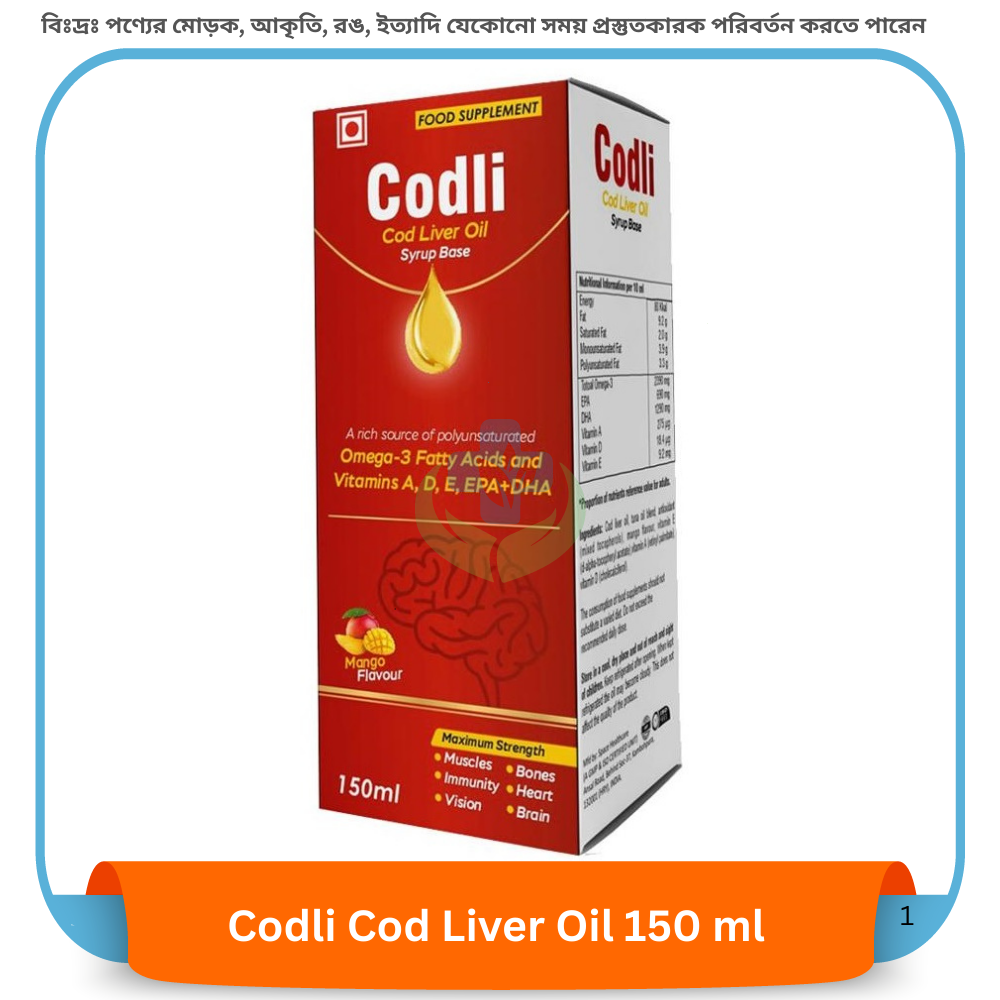
Codli Cod Liver Oil 150 ml
৳1,567.50 -
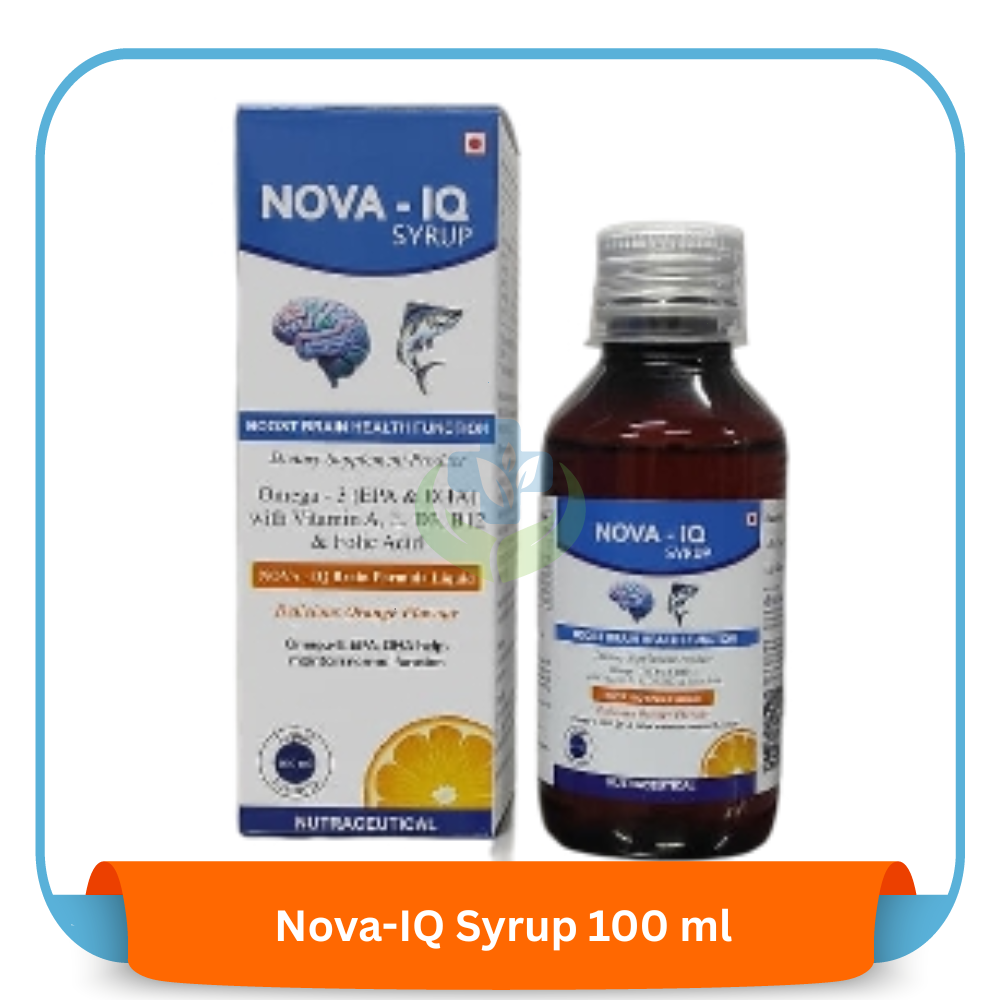
Nova-IQ Syrup 100 ml
৳714.40 -
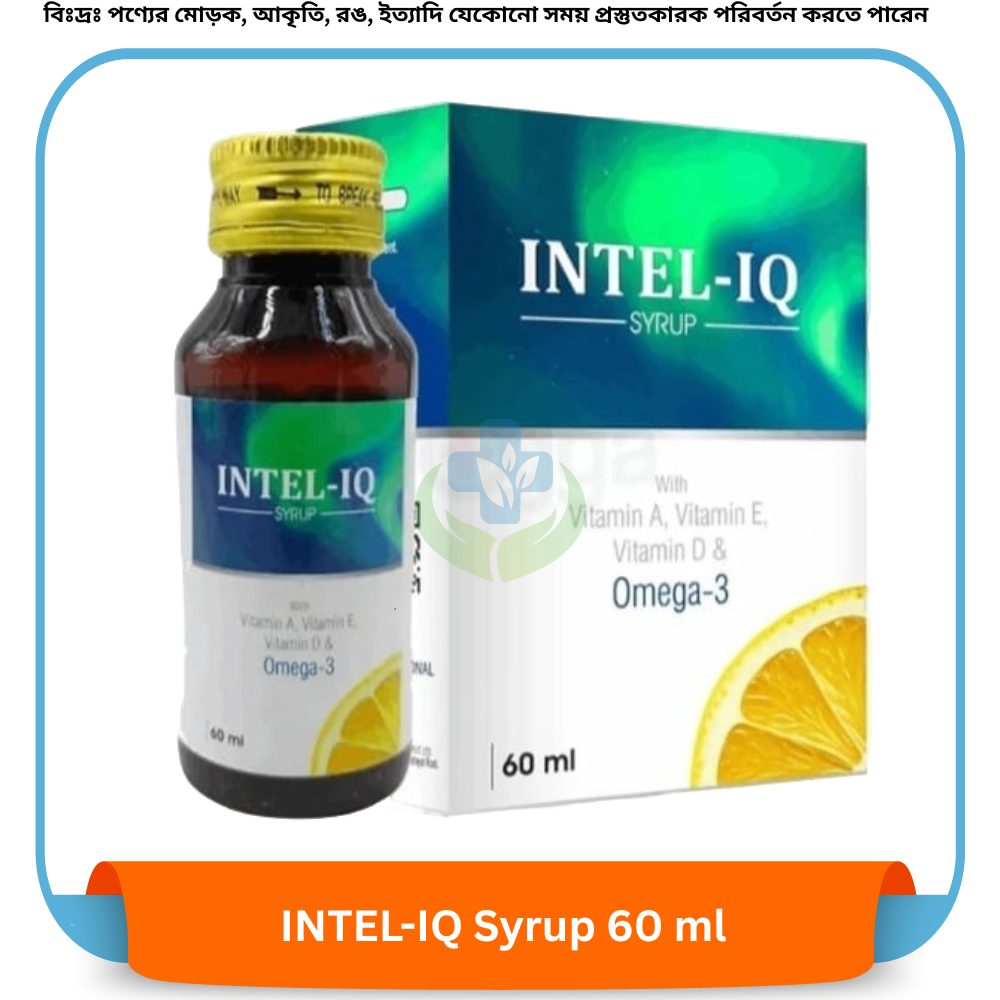
INTEL-IQ Syrup 60 ml
৳700.00
HA Serum (Hyaluronic Acid Serum) is a skincare staple, often
called a "moisture magnet," renowned for its ability to provide
intense hydration, leading to visibly plumped and smoother skin. It is safe and
effective for all skin types, including sensitive and acne-prone skin, and
helps minimize the visible signs of aging.
Introduction of Hyaluronic Acid (HA)
serum:
Hyaluronic
acid is a naturally occurring substance in the body that keeps tissues
lubricated and moist. As we age, its natural levels decrease, leading to
dryness, fine lines, and loss of elasticity. An HA serum replenishes this vital
component topically, drawing moisture from the environment and locking it into
the skin. This lightweight, non-greasy formula absorbs quickly to provide an
instant hydration boost, making skin look firmer, fresher, and more
radiant.
Benefits of Hyaluronic Acid (HA)
serum:
Regular
use of HA serum offers numerous benefits:
Ø Deep and Lasting Hydration: It
acts as a powerful humectant, capable of holding up to 1,000 times its weight
in water, delivering profound moisture to all skin layers.
Ø Reduced Appearance of Fine Lines and Wrinkles: By
plumping the skin with moisture, HA helps smooth out fine lines and wrinkles,
contributing to a more youthful complexion.
Ø Improved Skin Elasticity and Firmness: HA
supports collagen production and improves skin structure, helping it stretch
and flex and reducing sagging.
Ø Strengthened Skin Barrier: A
well-hydrated skin barrier functions better as a shield against environmental
stressors like pollution and harsh weather.
Ø Soothed Irritation and Redness: Its
anti-inflammatory properties help calm sensitive or irritated skin, providing
relief from dryness, tightness, and redness.
Ø Enhanced Product Effectiveness: Applying
HA serum first can help other skincare ingredients, like vitamins and
antioxidants, penetrate deeper and work more efficiently.
Ingredients of Hyaluronic Acid (HA)
serum:
While
formulations vary by brand, a typical HA serum is primarily water-based and
often includes ingredients that enhance its efficacy or soothe the skin:
Ø Aqua (Water): The
primary solvent and a source of moisture that the HA can bind to.
Ø Sodium Hyaluronate: The
salt form of hyaluronic acid, often used because its smaller molecular weight
allows for deeper skin penetration.
Ø Glycerin: Another effective humectant
that draws moisture into the skin.
Ø Panthenol (Vitamin B5): A
soothing and hydrating agent that aids in skin repair.
Ø Citric Acid: Used to adjust the product's pH level for
optimal skin compatibility.
Ø Phenoxyethanol/Ethylhexylglycerin: Preservatives
to ensure product safety and shelf life.
Usage Instructions of Hyaluronic
Acid (HA) serum:
For
optimal results, apply HA serum correctly as part of your skincare
regimen:
Ø Cleanse Your Face: Start
with a clean face using your regular cleanser.
Ø Apply to Damp Skin: Hyaluronic
acid works by drawing in moisture, so applying it to damp skin (after cleansing
or using a mist/toner) is key to maximizing hydration and preventing it from
pulling water from the deeper layers of your skin.
Ø Dispense and Massage: Place
a few drops (usually 2-3) onto your fingertips and gently massage the serum
into your face and neck.
Ø Layer with Other Products: Follow
with any other serums you may use (e.g., Vitamin C or Niacinamide), then your
daily moisturizer to seal in the hydration and prevent moisture loss.
Ø Sunscreen (AM Routine): Always
finish your morning routine with a broad-spectrum sunscreen.
Ø Frequency: It is safe for daily use,
both in the morning and at night.
Side Effects of Hyaluronic Acid (HA)
serum:
Hyaluronic
acid is generally considered very safe and is well-tolerated by most skin types
because it is a naturally occurring substance in the body.
Ø Rare Irritation: In
rare cases, some individuals may experience temporary side effects like mild
redness, itching, or slight swelling at the application site, especially with
certain formulations or if other active ingredients are present.
Ø Patch Test Recommended: As
with any new skincare product, performing a patch test on a small area of skin
before full use is always advisable.
Ø Injection-related Risks: Side effects are generally associated with injectable dermal fillers (which are medical procedures) and not topical serums; these may include bruising or injection site reactions.
Related products
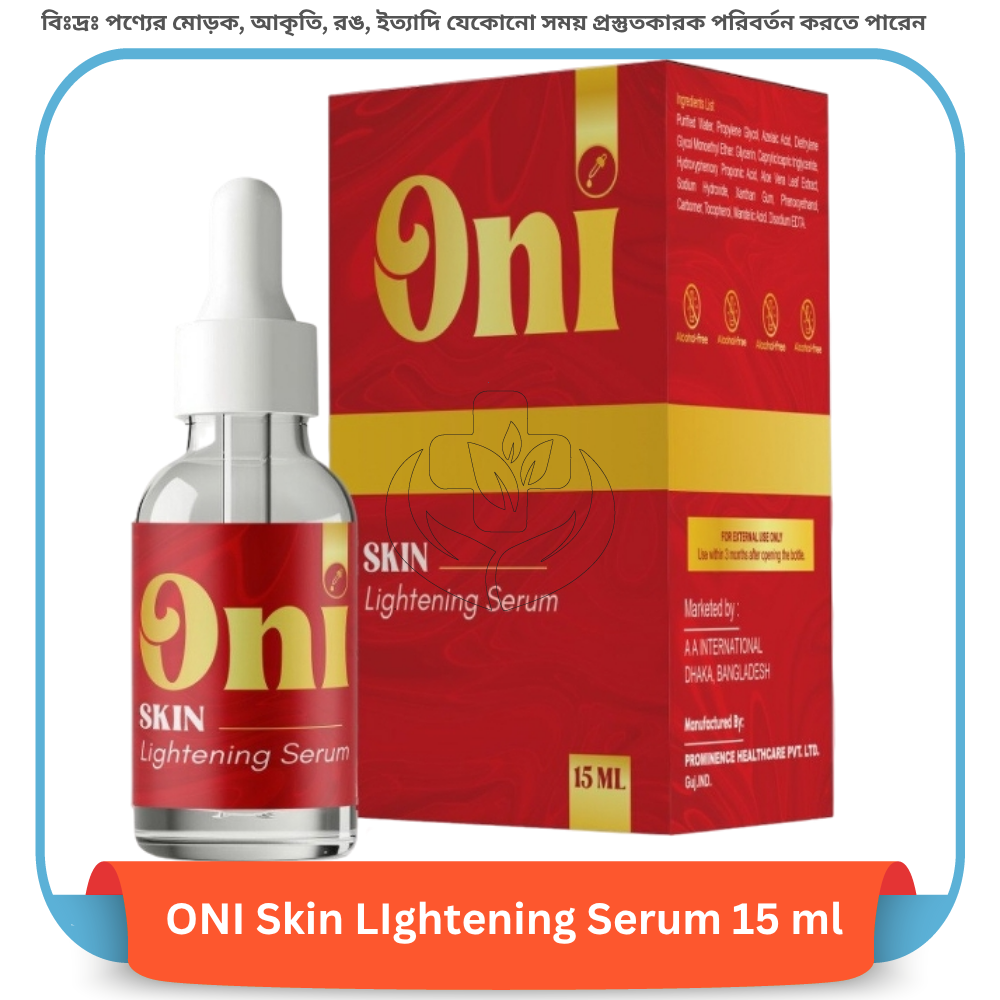
ONI Skin LIghtening Serum 15 ml
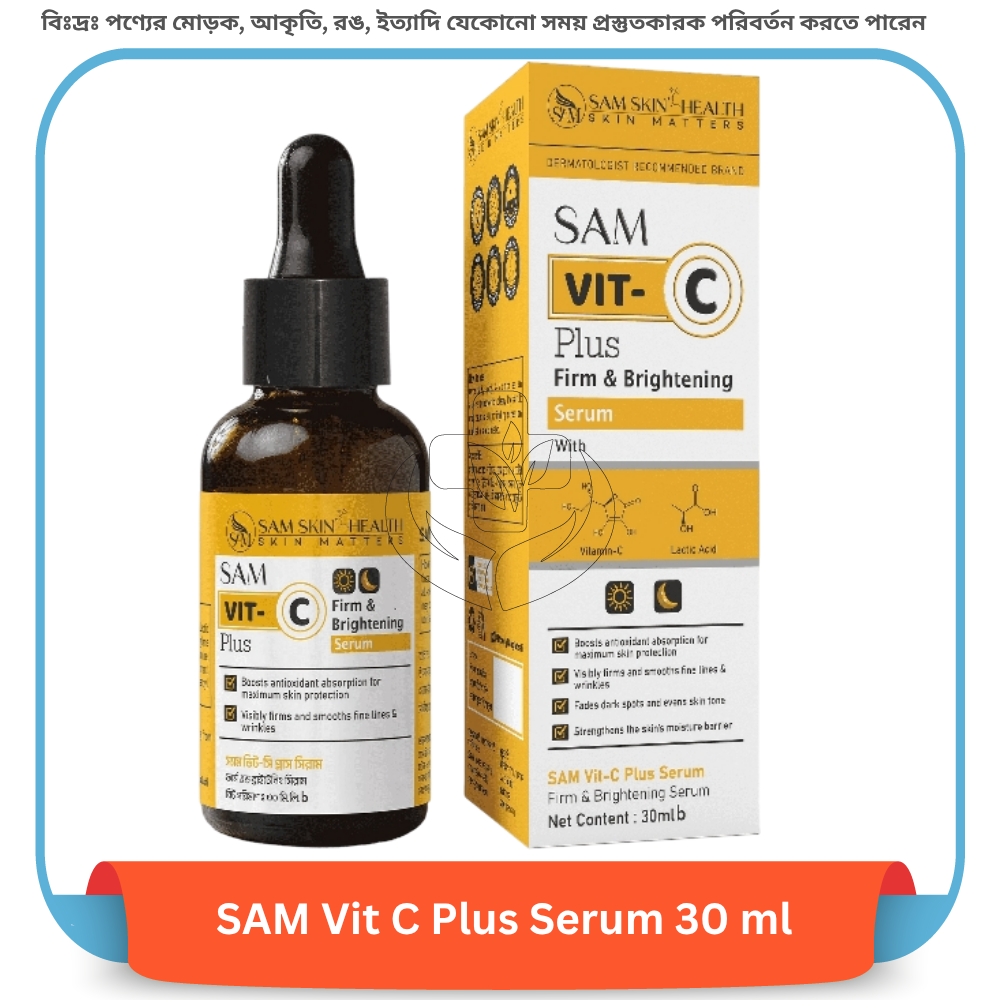
SAM Vit C Plus Serum 30 ml
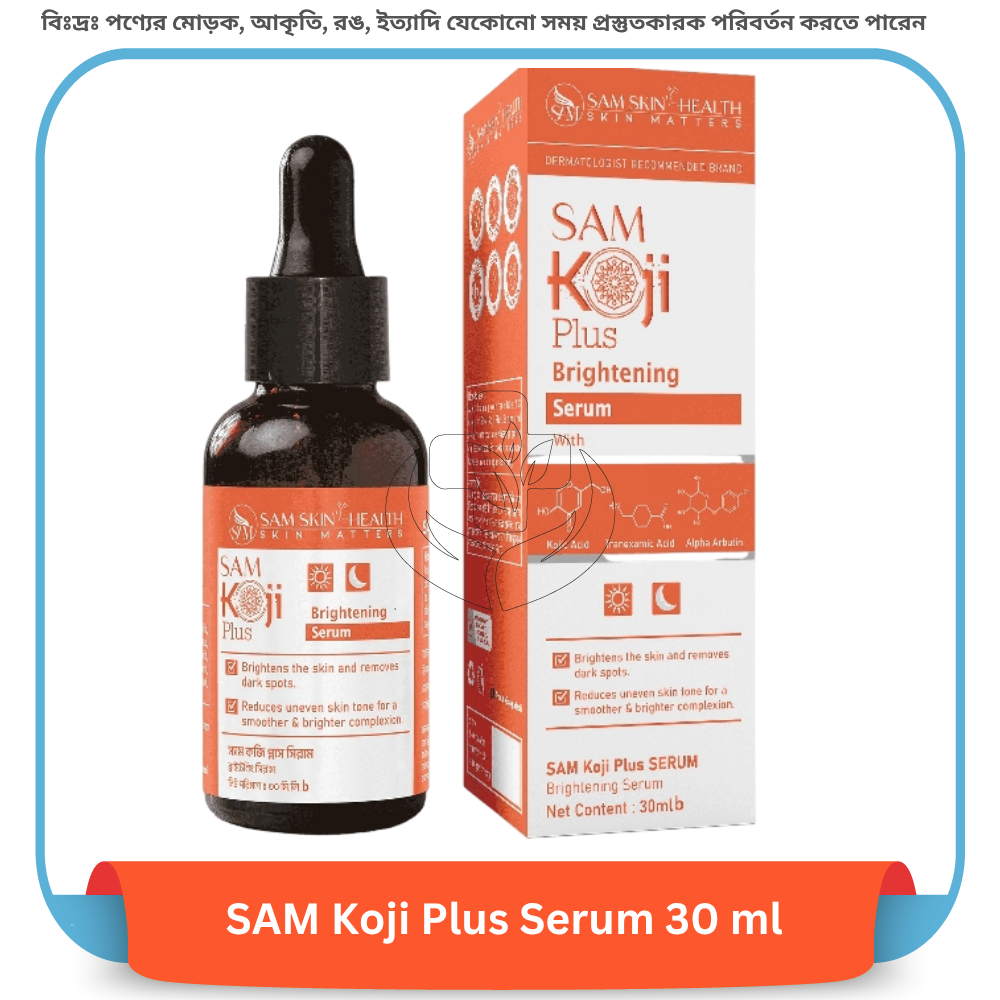
SAM Koji Plus Serum 30 ml
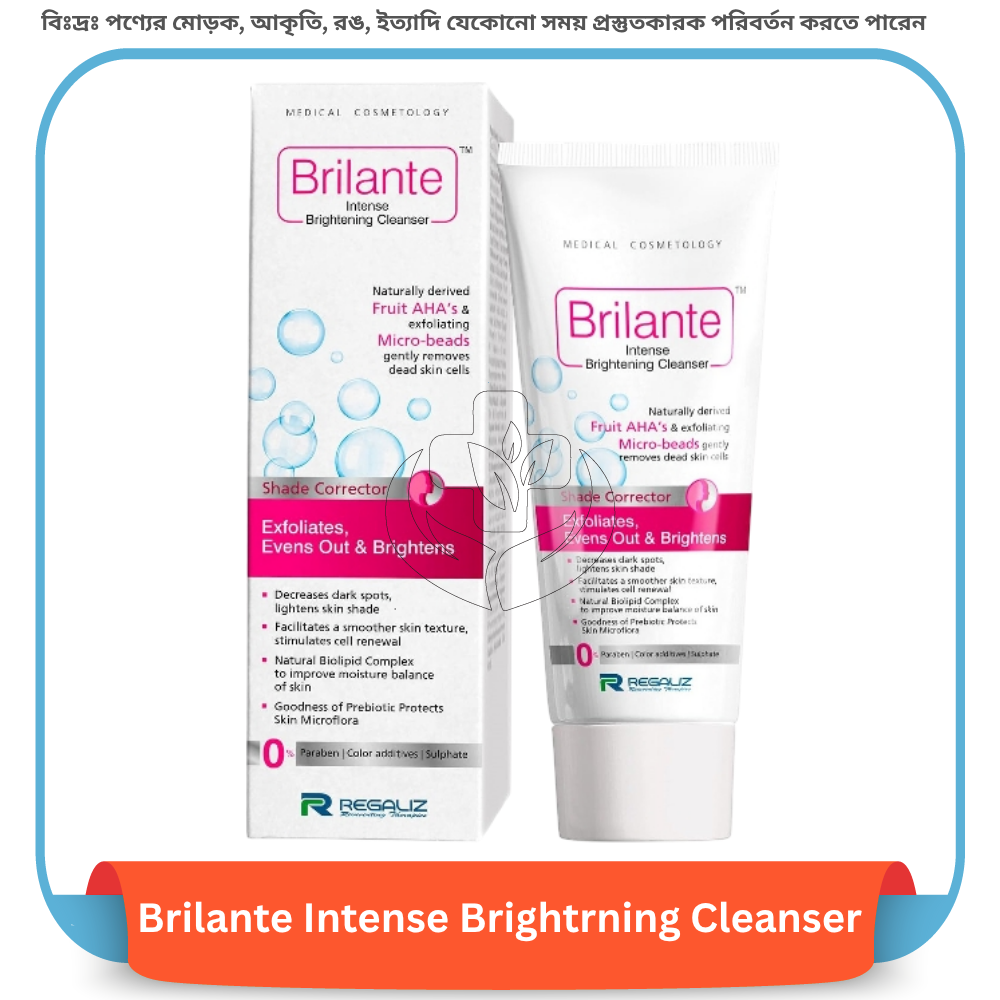
Brilante Intense Brightrning Cleanser
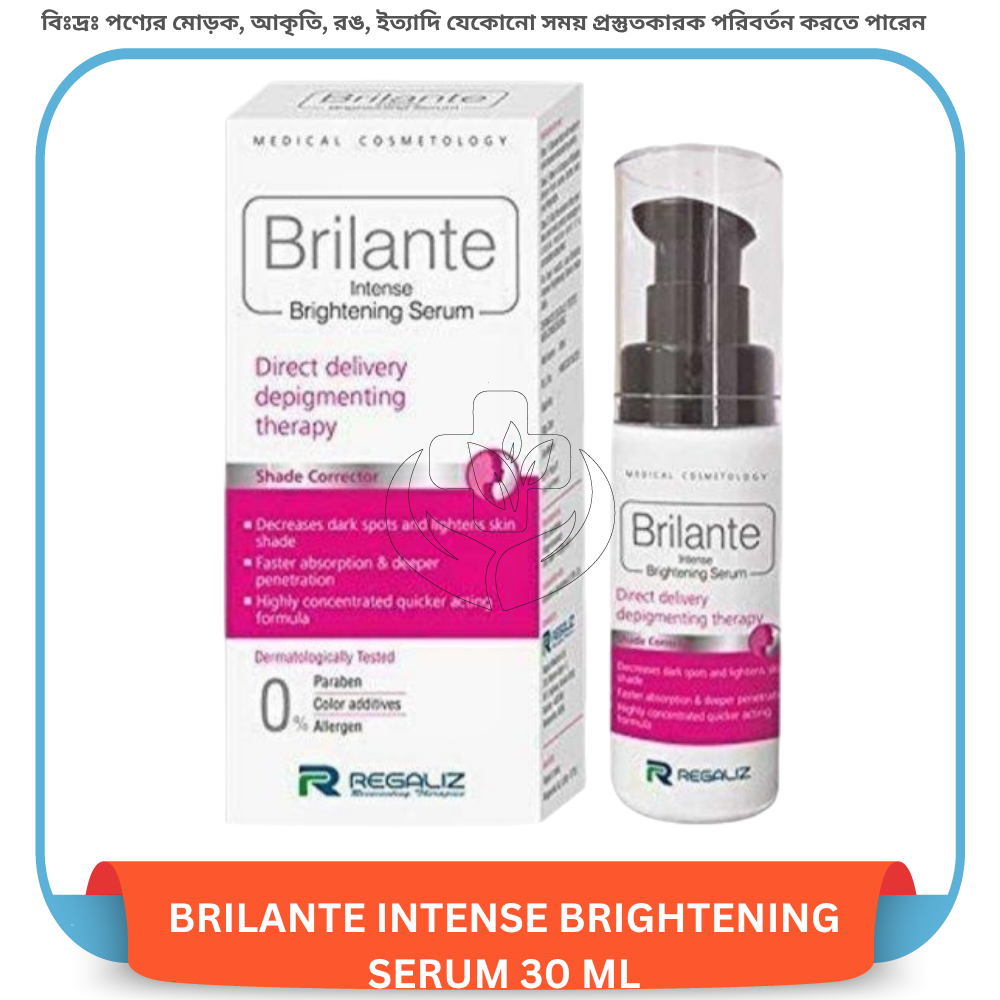
BRILANTE INTENSE BRIGHTENING SERUM 30 ML
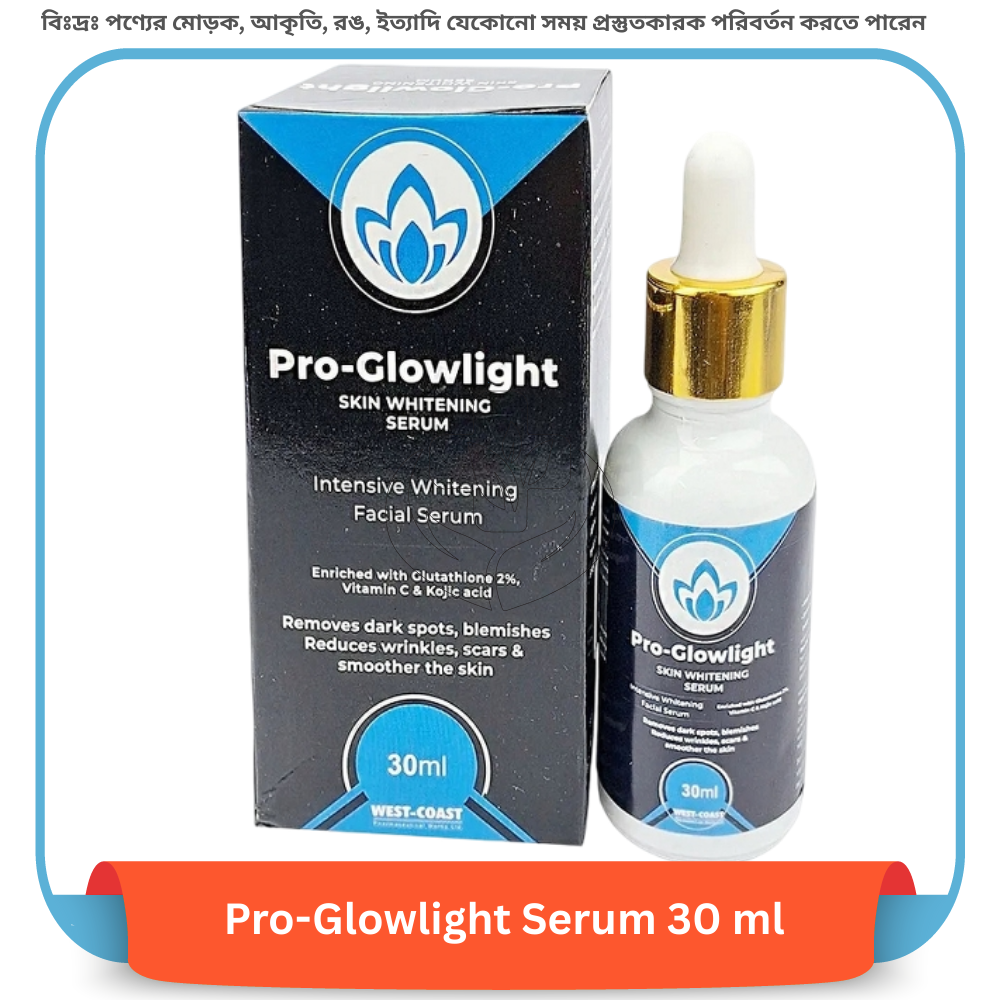
Pro-Glowlight Serum 30 ml
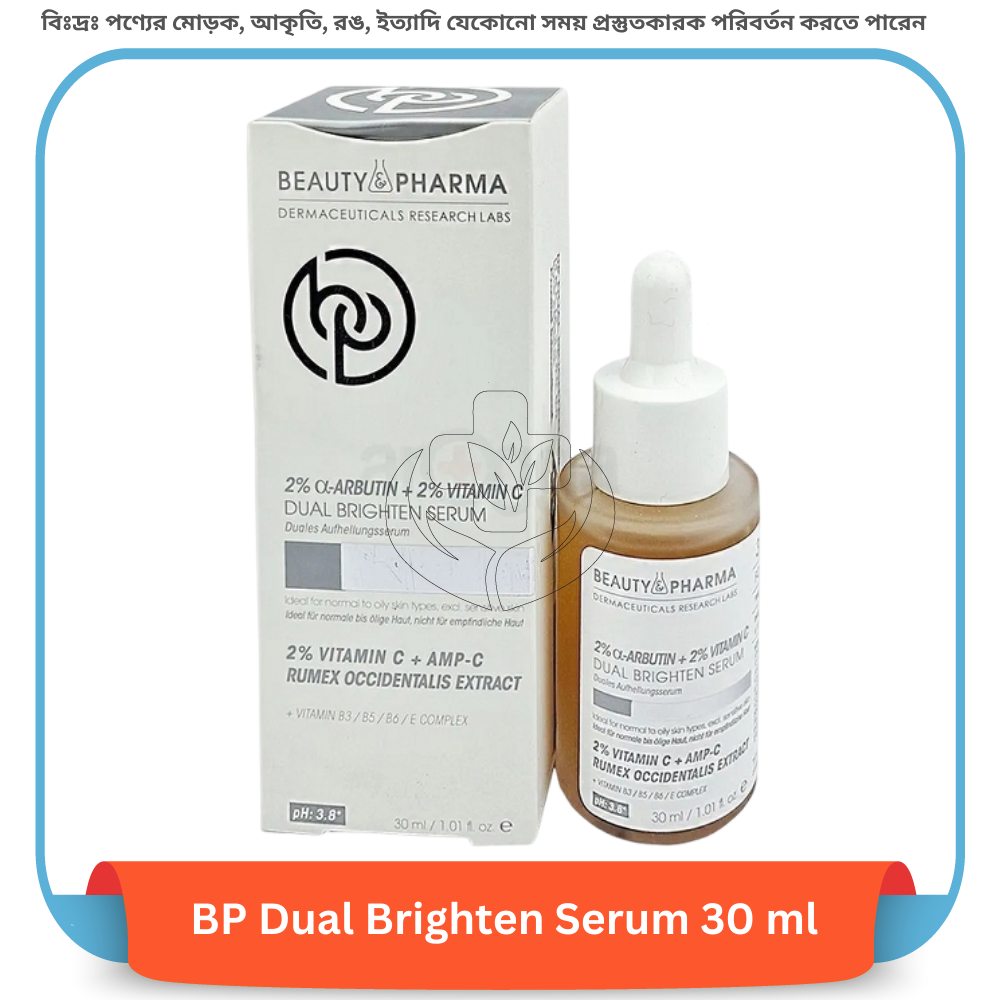
BP Dual Brighten Serum 30 ml
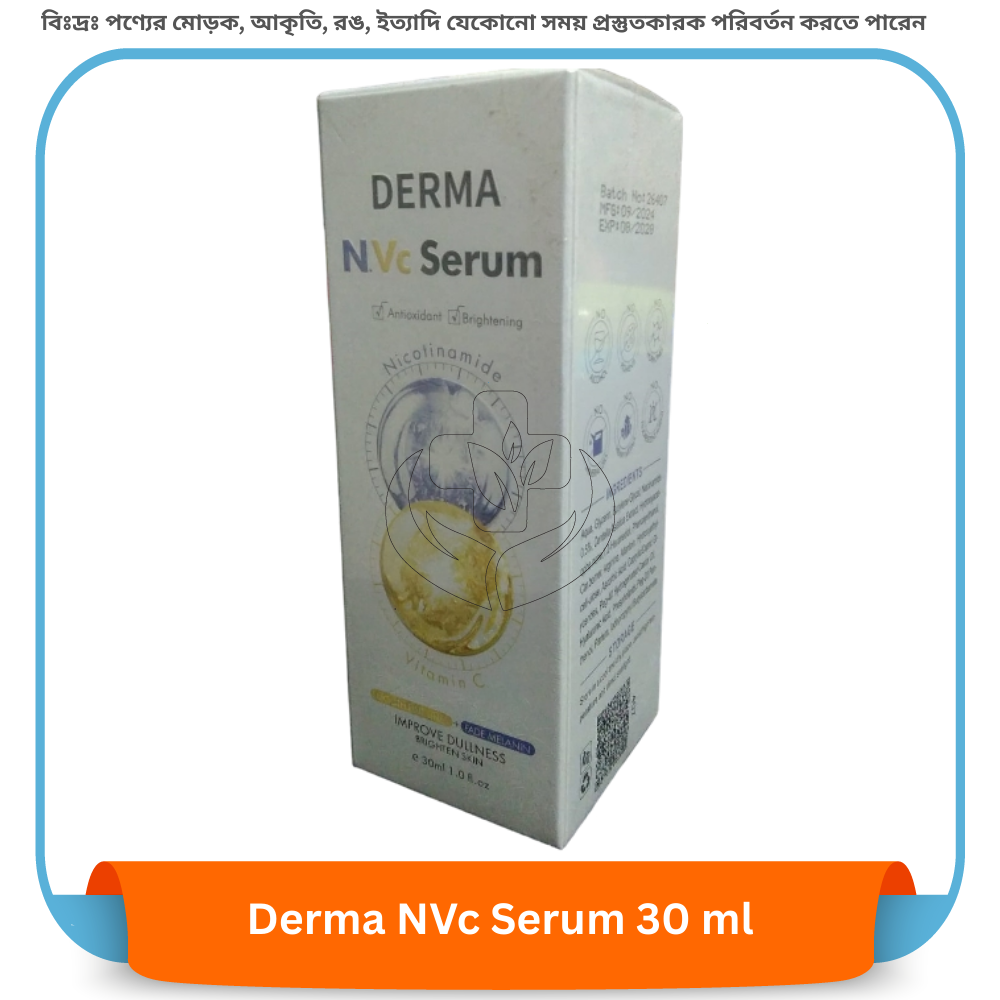
Derma NVc Serum 30 ml


Contact Info
- Address: DOHS, Mirpur, Dhaka
- Phone: 01336 242 804
- Email: order@careonbd.com