




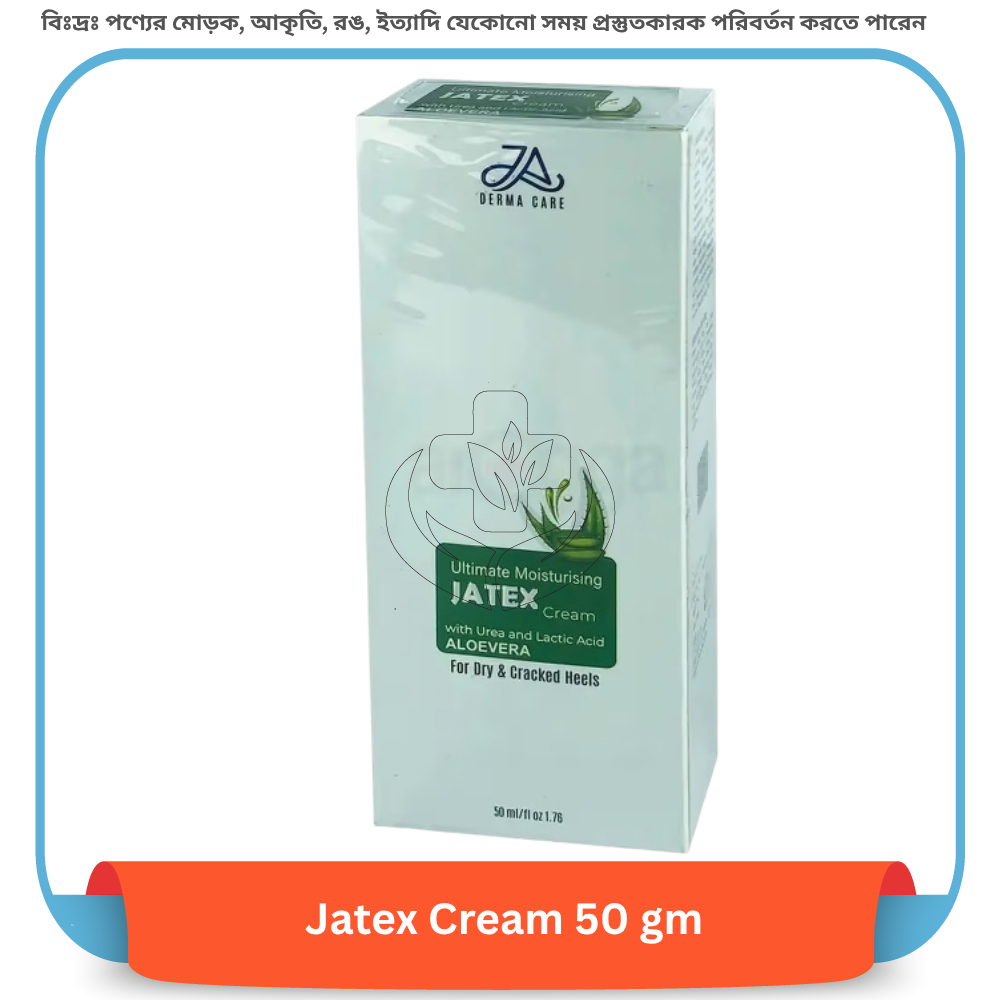
Jatex Cream 50 gm
+88 01568-208768
-

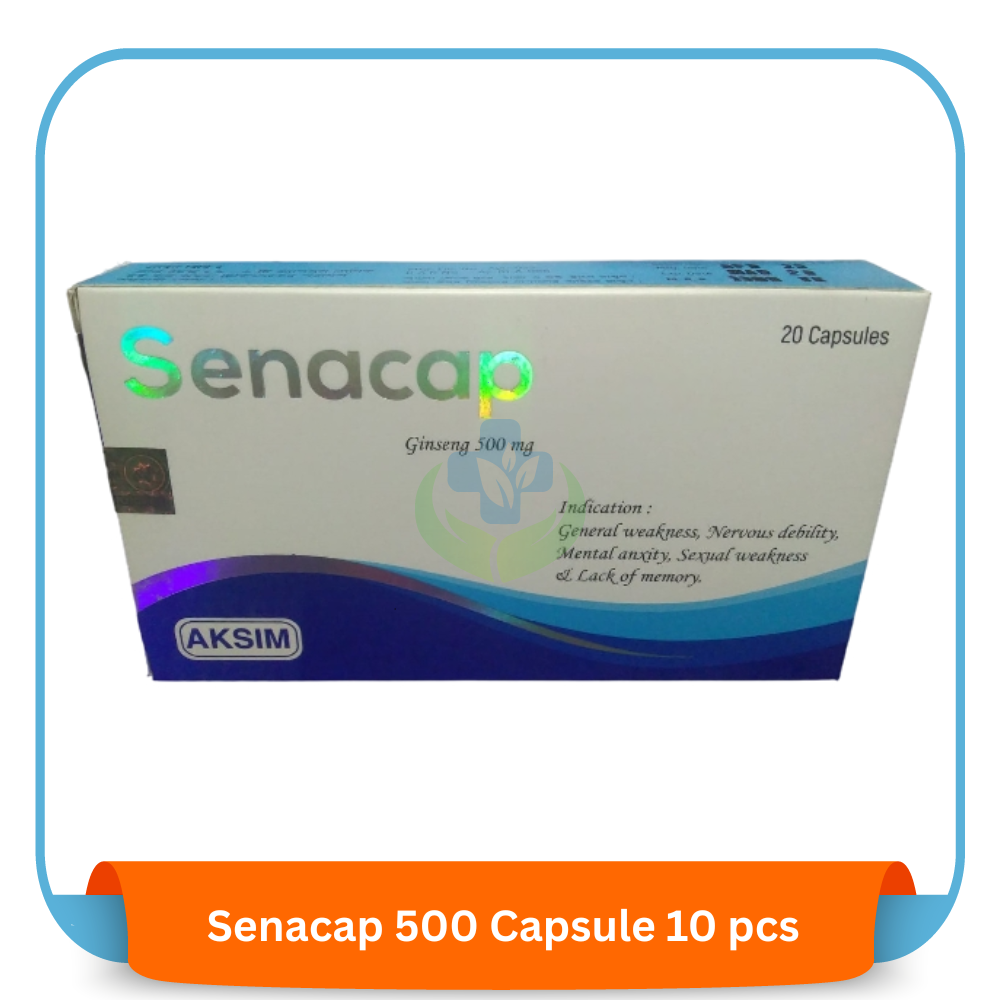
Senacap 500 Capsule 10 pcs
৳617.50 -
Xiovit D3 Pediatric Drops 30 ml
৳502.90 -
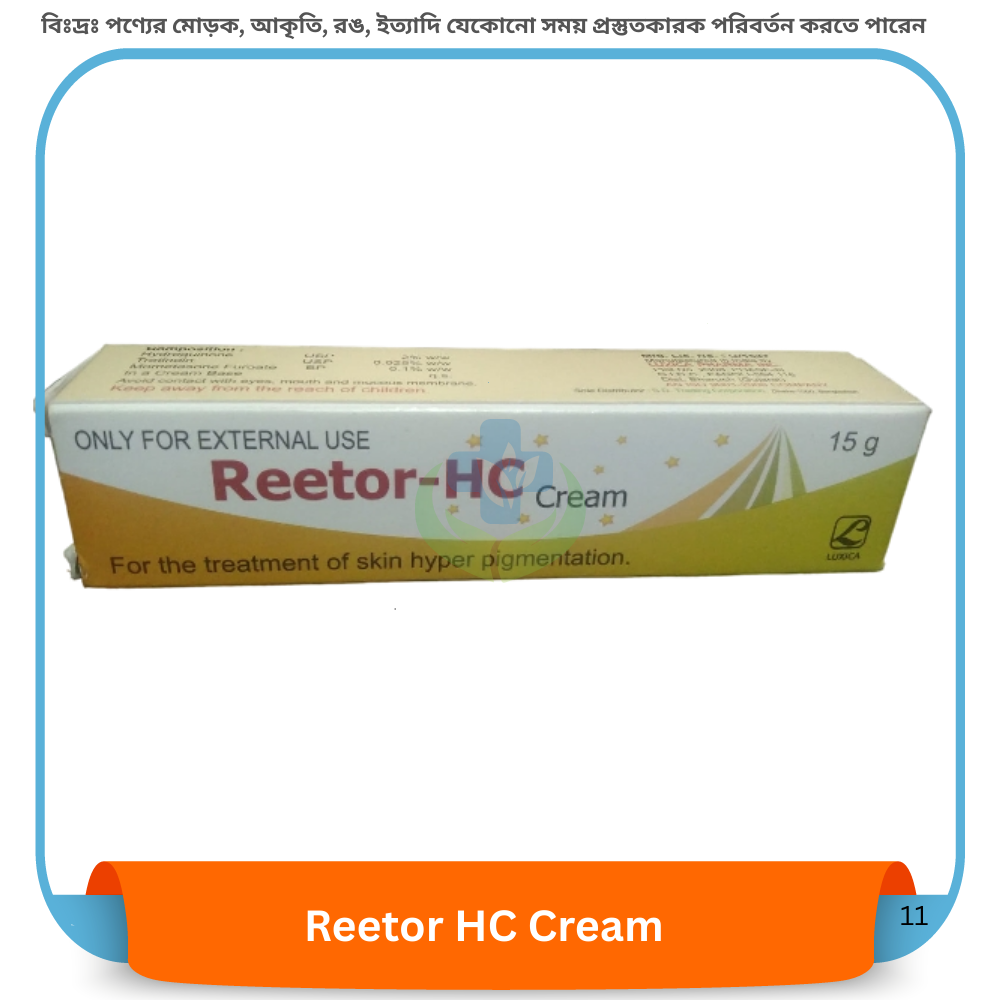
Reetor HC Cream 15 gm
৳841.30 -
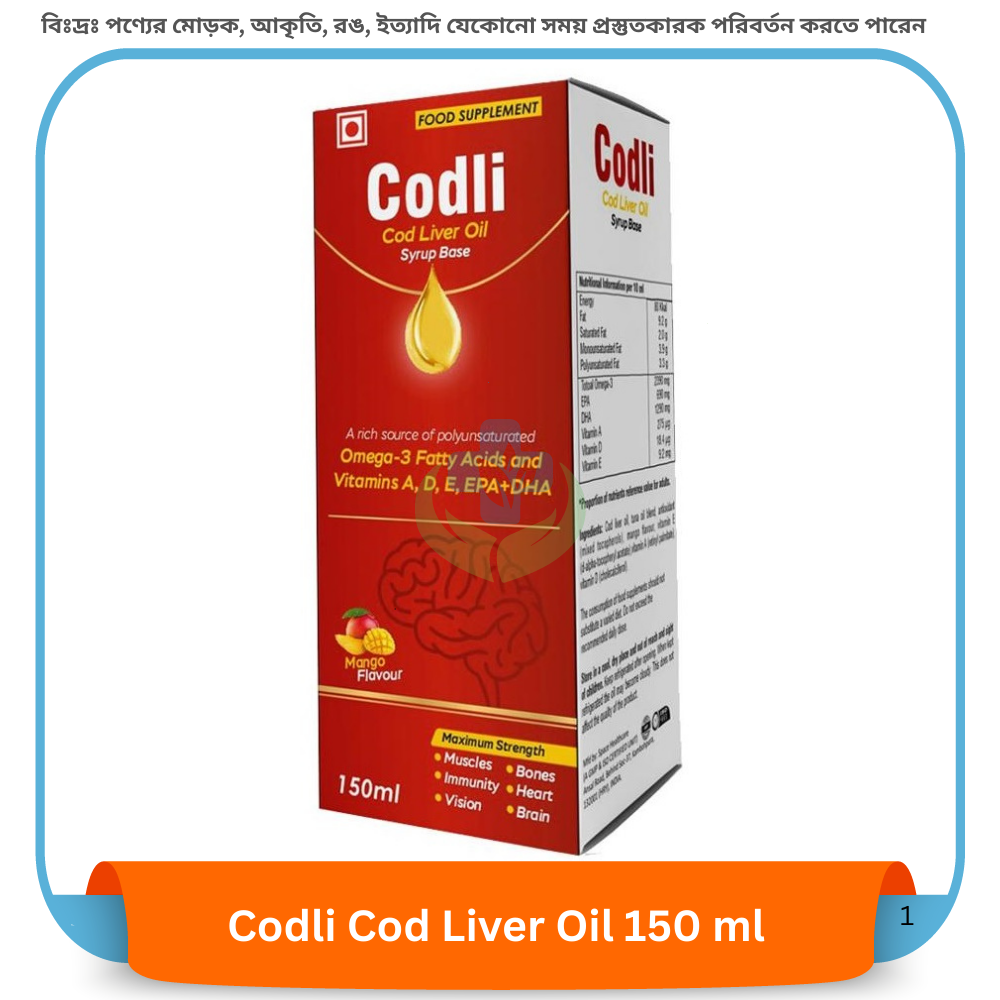
Codli Cod Liver Oil 150 ml
৳1,567.50 -
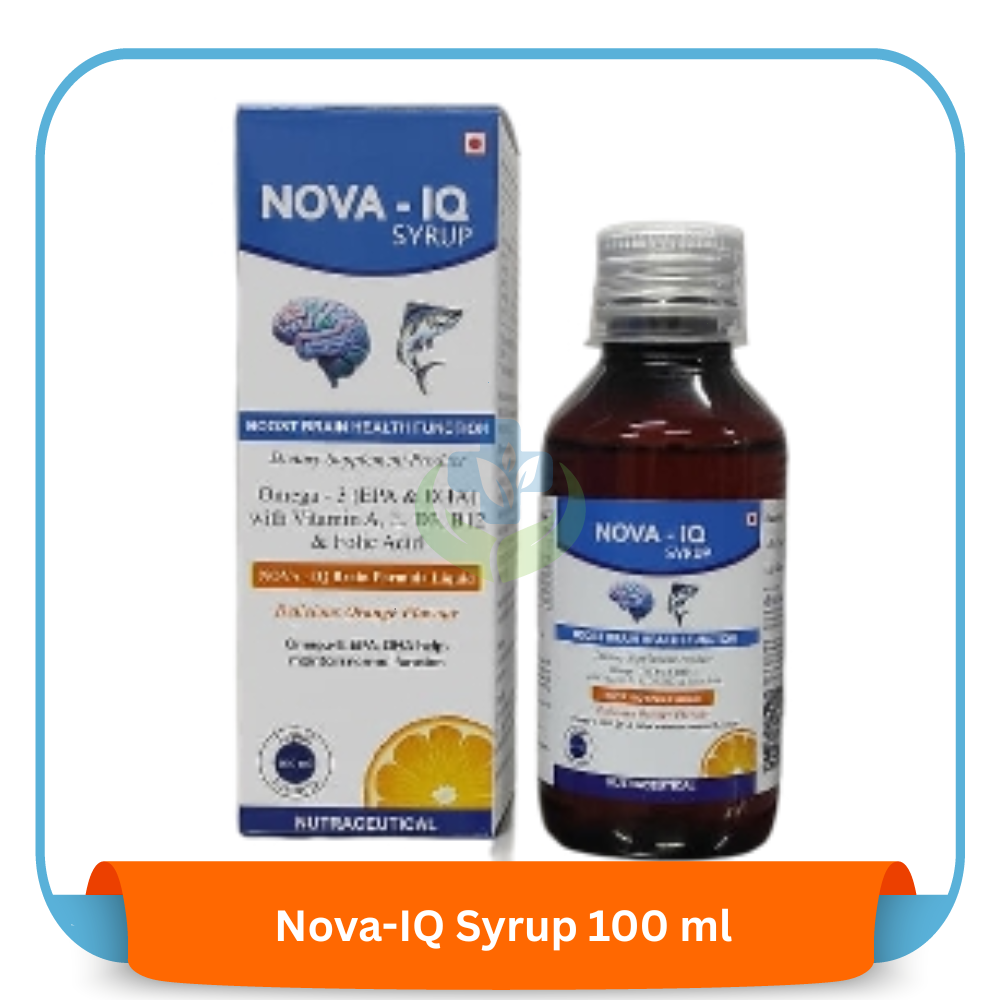
Nova-IQ Syrup 100 ml
৳714.40 -
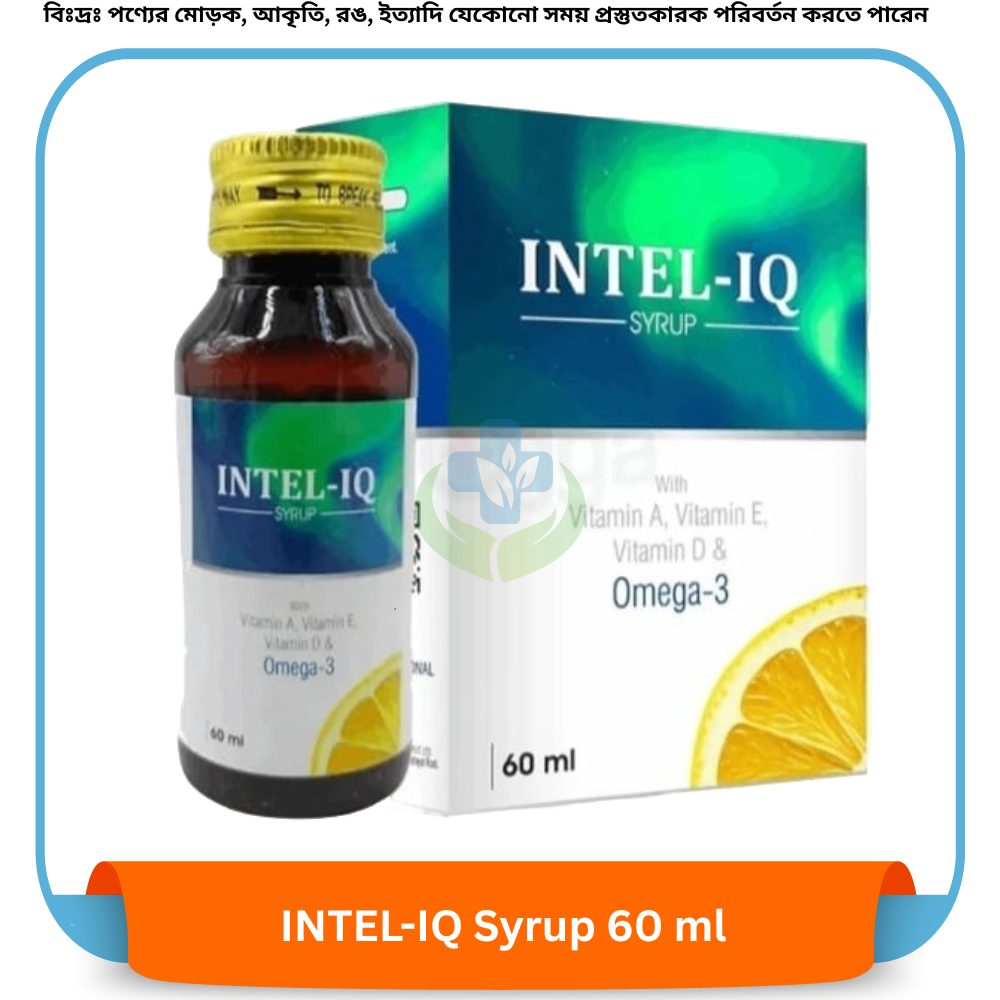
INTEL-IQ Syrup 60 ml
৳700.00
Jatex Cream rich in vitamins A, C, and E, provides deep
hydration, reduces inflammation, and treats acne/sunburn due to its
anti-inflammatory properties. It is generally applied to clean skin as a
moisturizer or spot treatment. While safe for most, it can cause allergic
reactions (redness, stinging) in some individuals.
Jatex Cream Benefits
Ø Deep Hydration: Acts as a moisturizer, particularly useful for oily
skin without clogging pores.
Ø Healing &
Anti-inflammatory: Soothes sunburn, reduces skin irritation, and aids in
treating cuts and stings.
Ø Acne Treatment: Its antimicrobial properties help treat acne and
reduce scars.
Ø Anti-Aging: Known to promote skin elasticity and reduce the
appearance of wrinkles.
Ø
Versatile Skin
Soothing: Effective for reducing inflammation from eczema or
psoriasis.
Common Ingredients in Jatex Cream
Ø Pure Aloe Vera
Gel: Primary ingredient.
Ø Hydrators: Glycerin, hyaluronic acid.
Ø Soothing Agents: Chamomile, allantoin.
Ø
Additives to Avoid: High alcohol content, added fragrances, or parabens.
How to Use Jatex Cream
Ø Patch Test: Apply to a small area (like the wrist) for 24 hours
to check for sensitivity.
Ø Facial
Moisturizer: Apply to cleansed skin, ideally
during the day. It can be topped with sunscreen.
Ø Spot Treatment: Apply directly to acne or burns, 1-2 times daily.
Ø
As a Mask: Leave on for 10-15 minutes and rinse with cool
water.
Side Effects and Risks of Jatex Cream
Ø Skin Irritation: Potential for burning, stinging, or redness in
sensitive individuals.
Ø Allergic
Reactions: Rashes or hives may occur, especially
in those allergic to plants in the lily family (onions, garlic).
Ø Inproper Usage: Using unprocessed gel that contains too much yellow
sap (aloin) can cause severe irritation.
Ø Drug Interactions: Topical aloe may increase the absorption of medicinal creams like hydrocortisone.
Related products
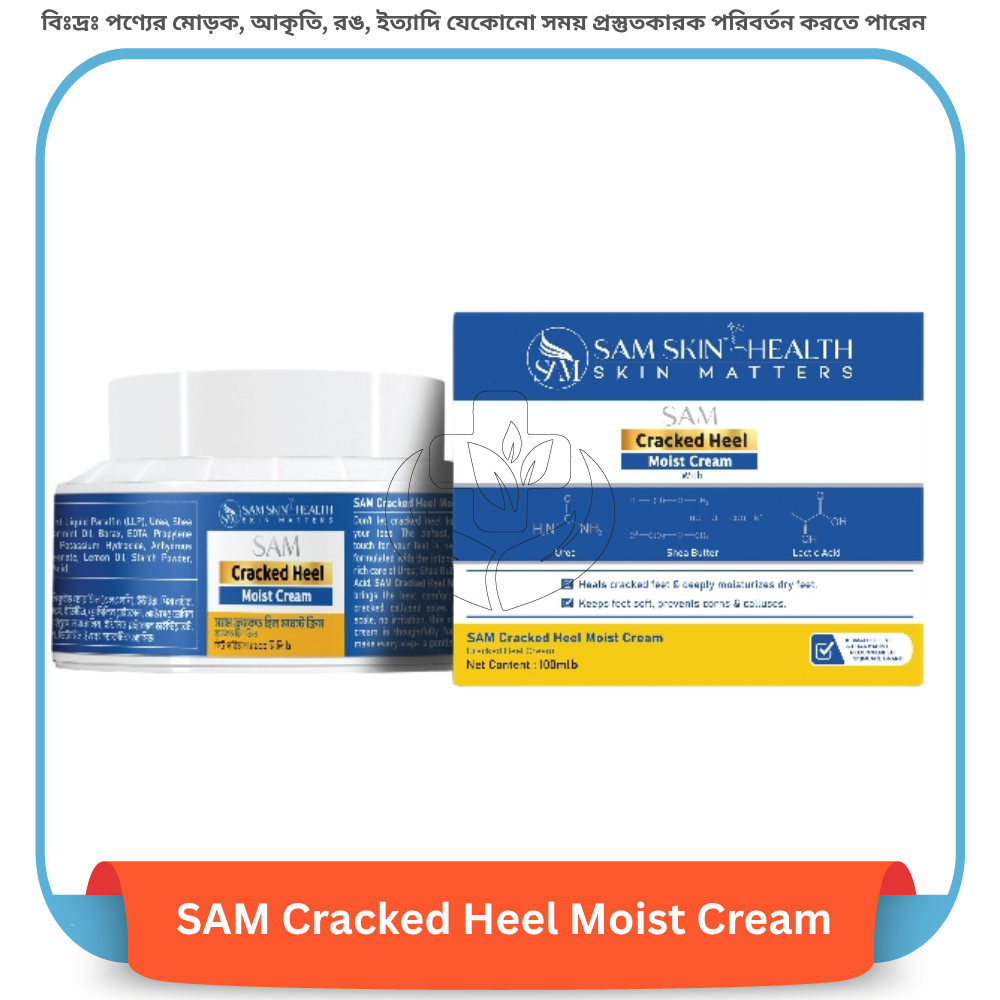
SAM Cracked Heel Moist Cream 100 ml
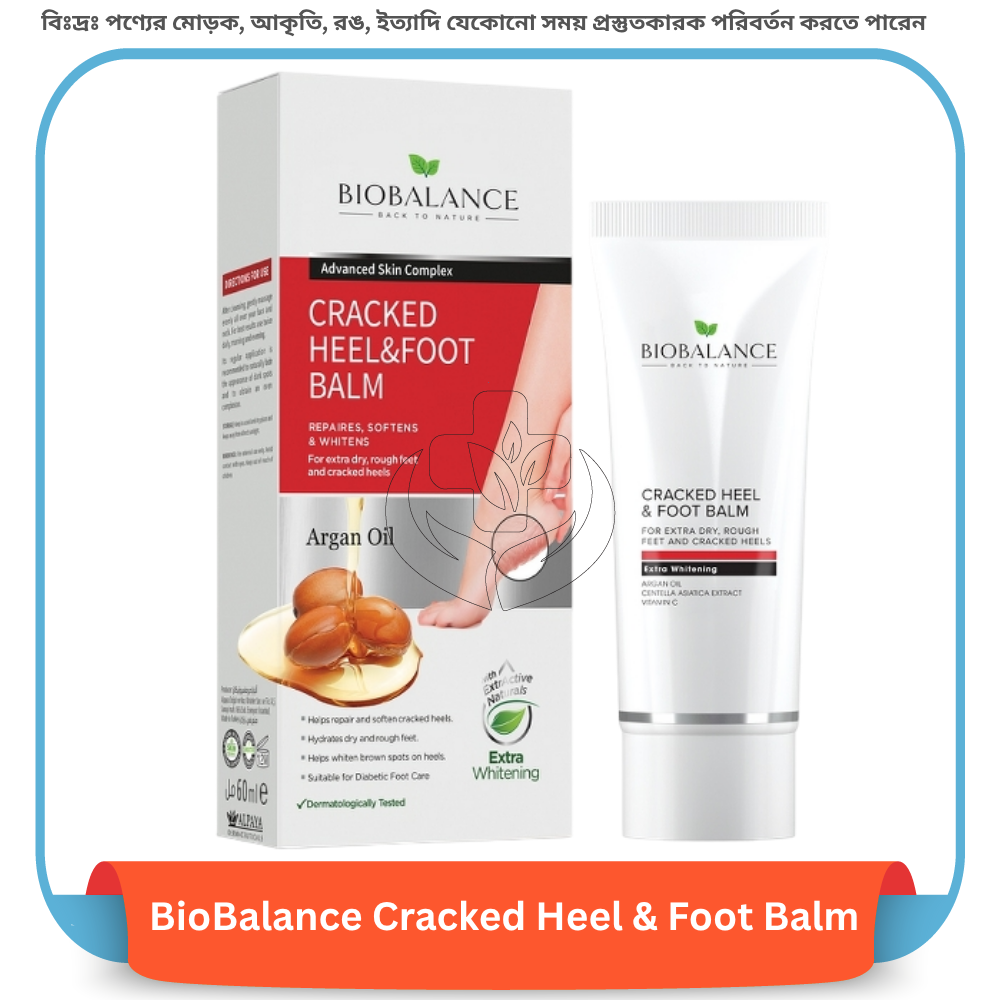
BioBalance Cracked Heel & Foot Balm 60 ml
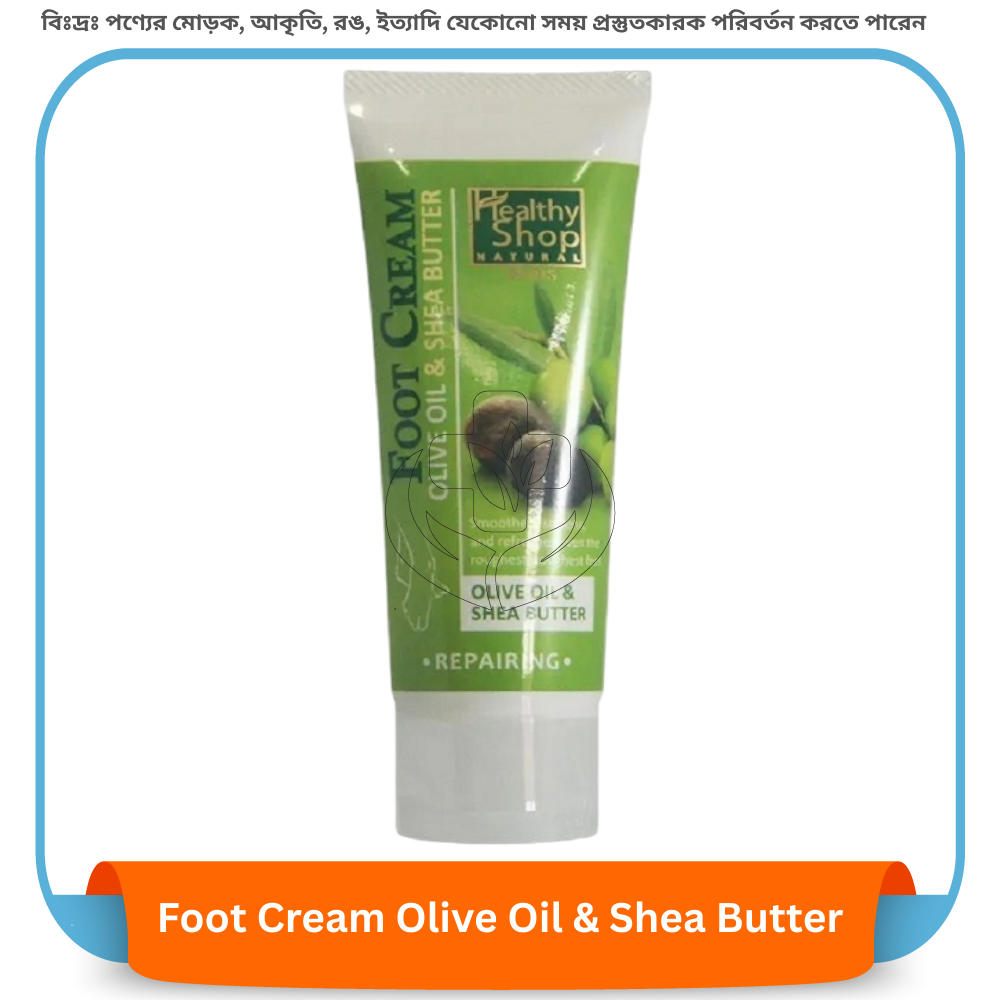
Healthy Soap Foot Cream Olive Oil & Shea Butter 50 ml
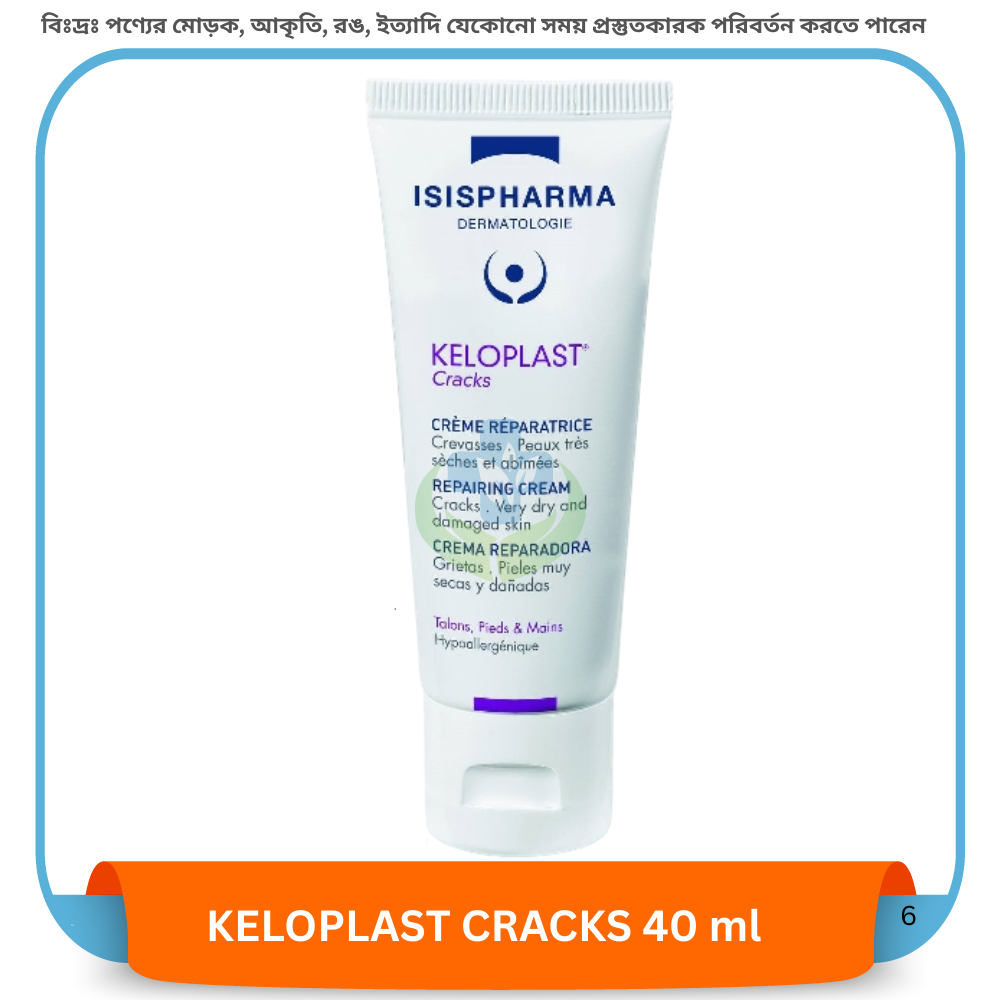
KELOPLAST CRACKS 40 ml
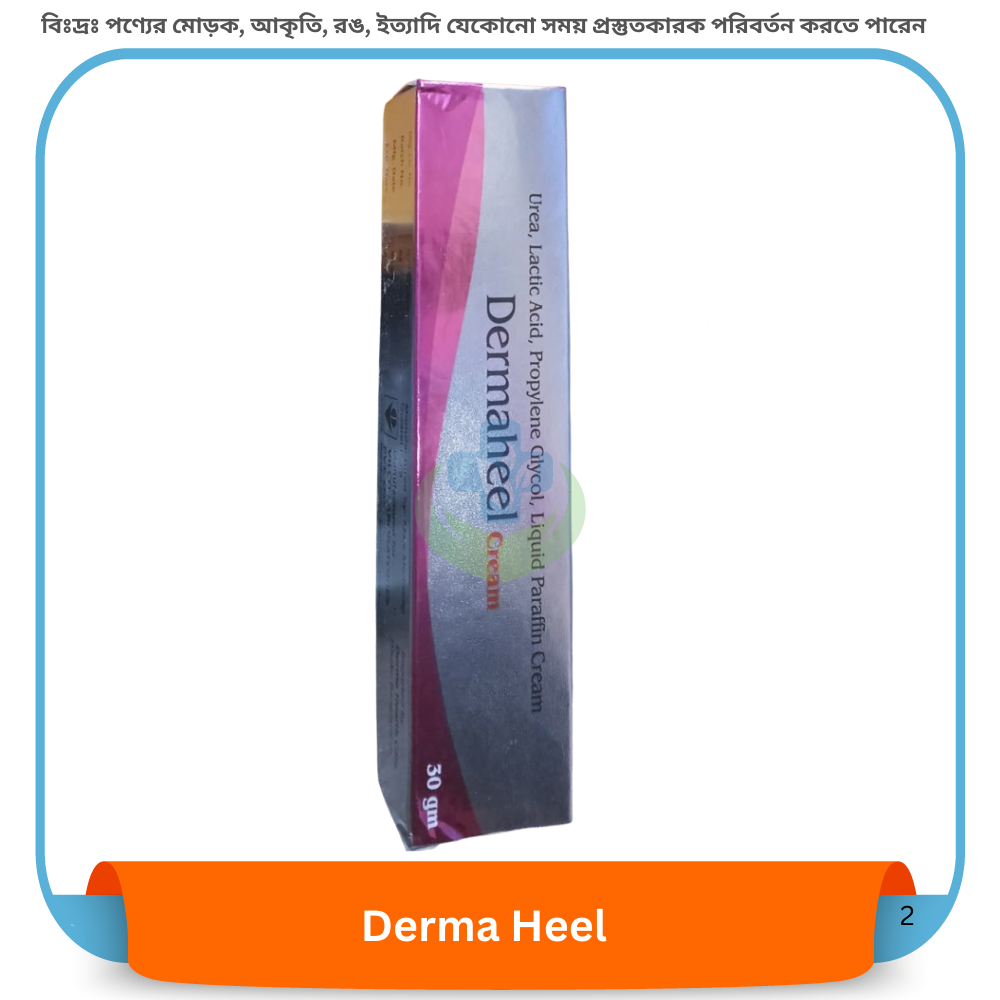
Derma Heel Cream 30 gm
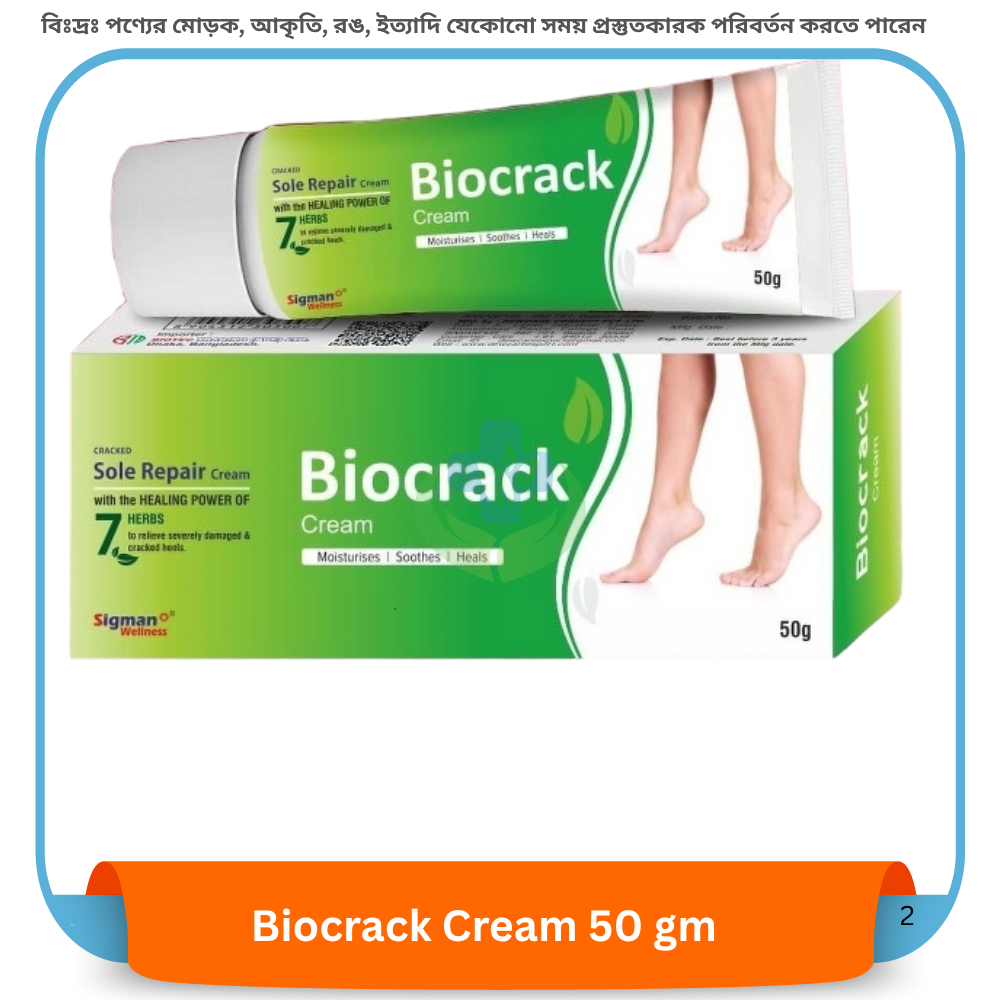
Biocrack Cream 50 gm
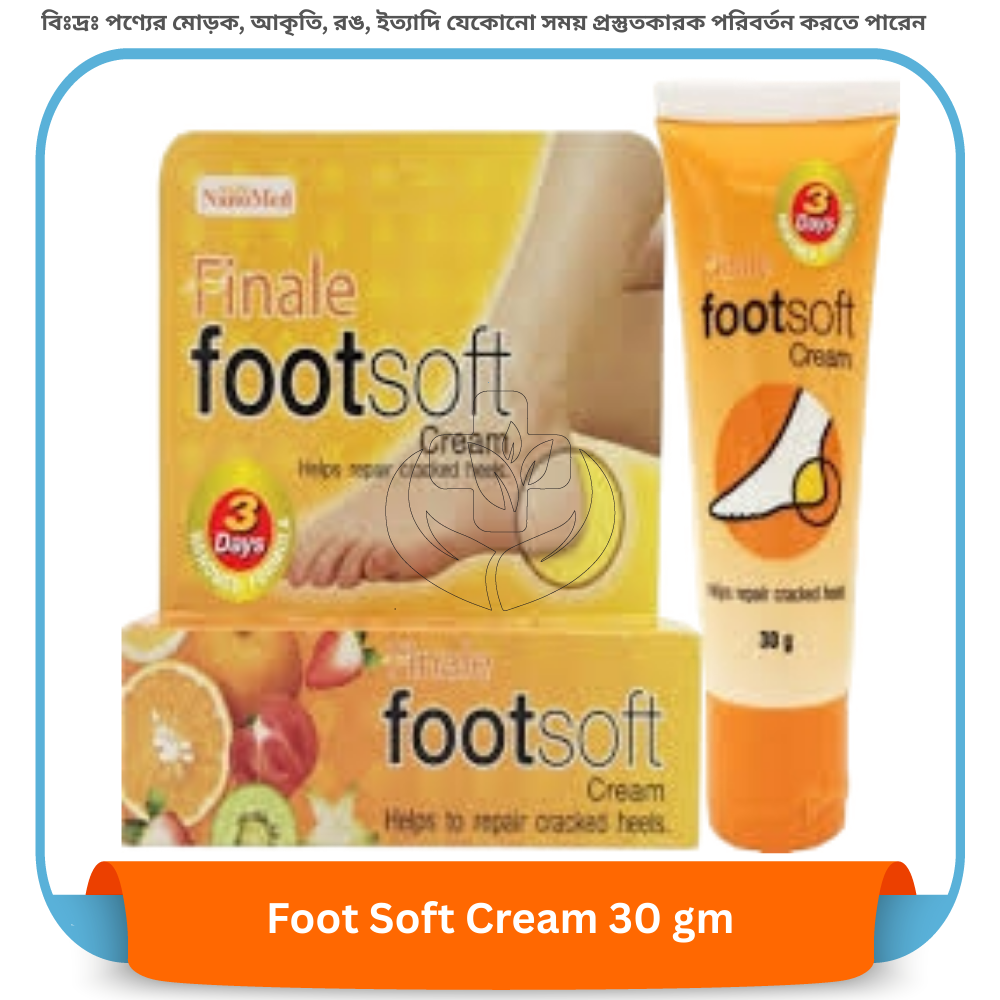
Foot Soft Cream 30 gm


Contact Info
- Address: DOHS, Mirpur, Dhaka
- Phone: 01336 242 804
- Email: order@careonbd.com