






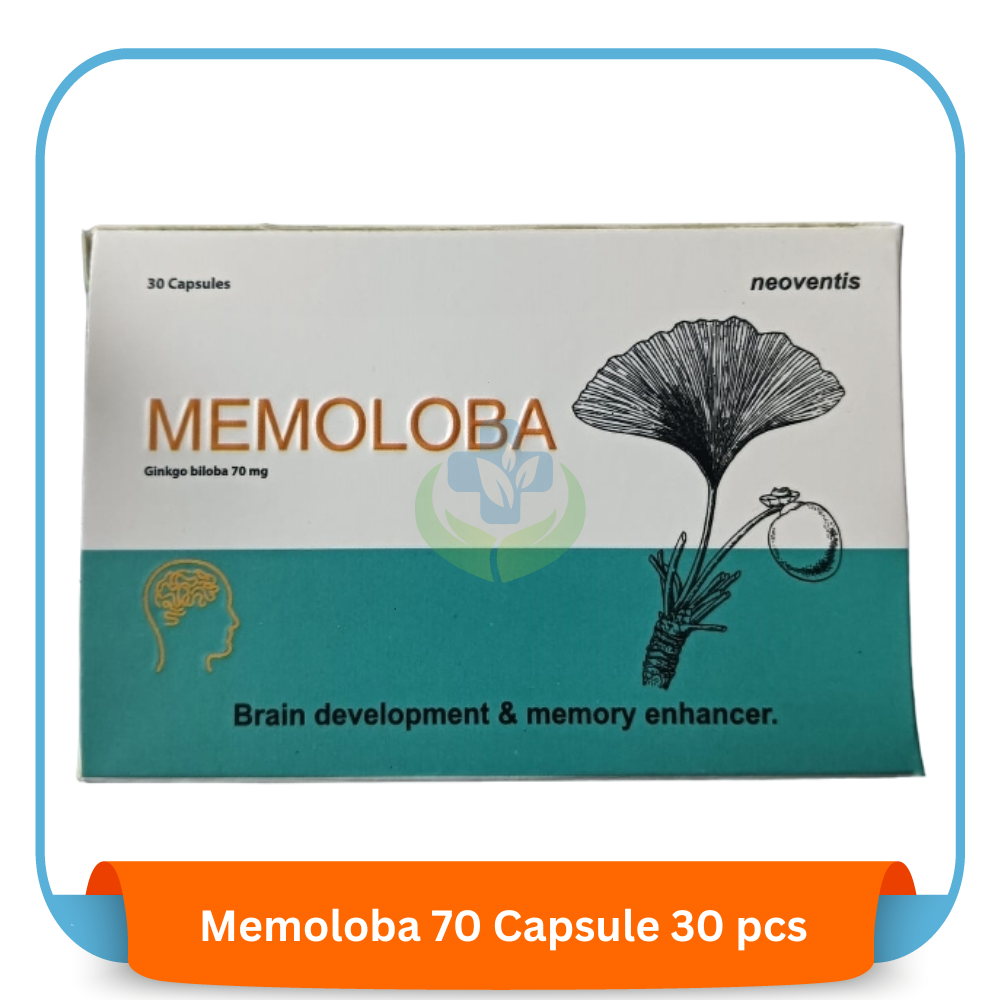
Memoloba 70 Capsule 30 pcs
+88 01568-208768
-

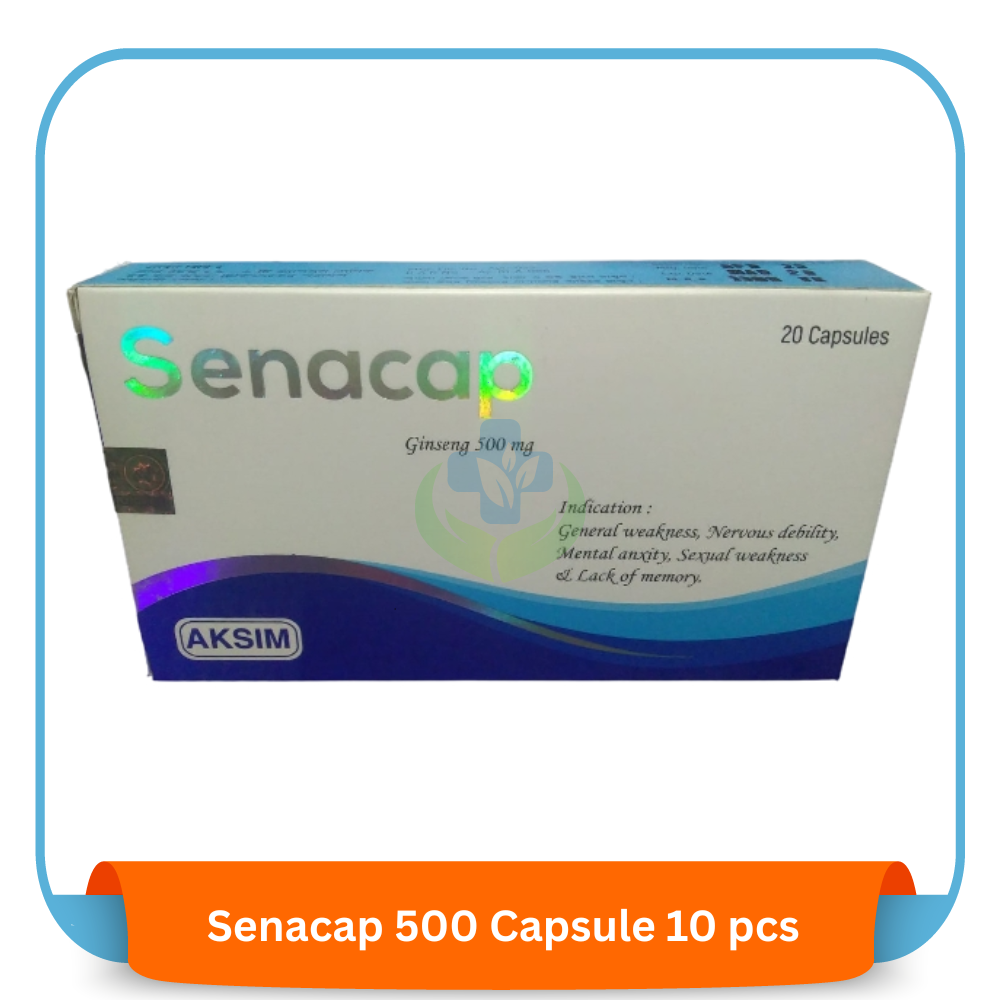
Senacap 500 Capsule 10 pcs
৳617.50 -
Xiovit D3 Pediatric Drops 30 ml
৳502.90 -
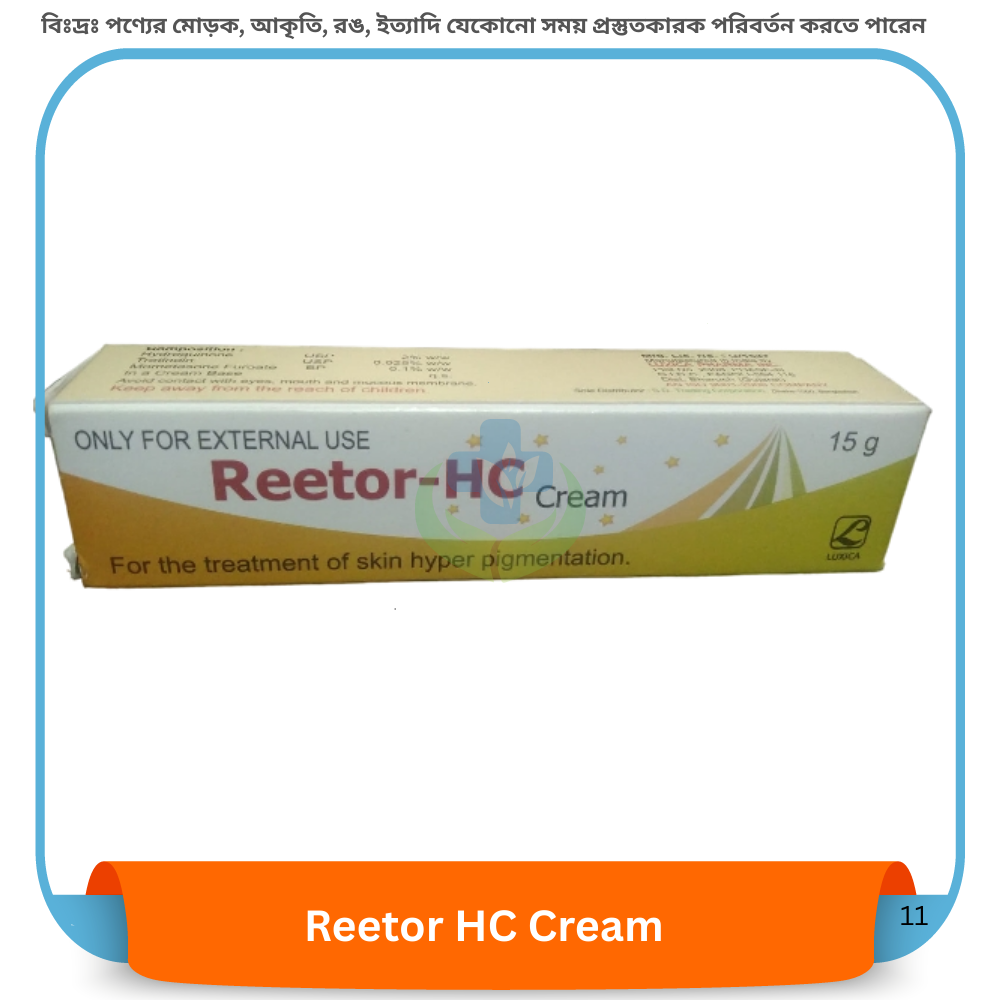
Reetor HC Cream 15 gm
৳841.30 -
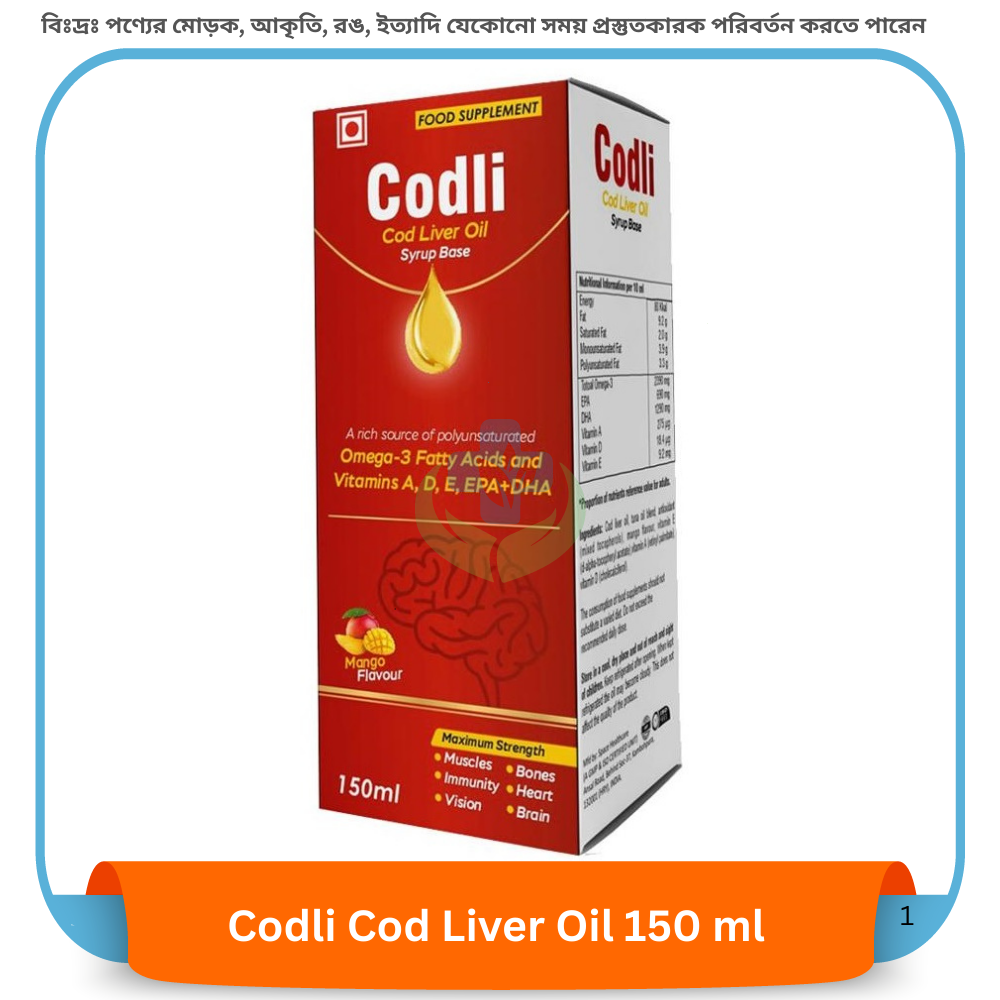
Codli Cod Liver Oil 150 ml
৳1,567.50 -
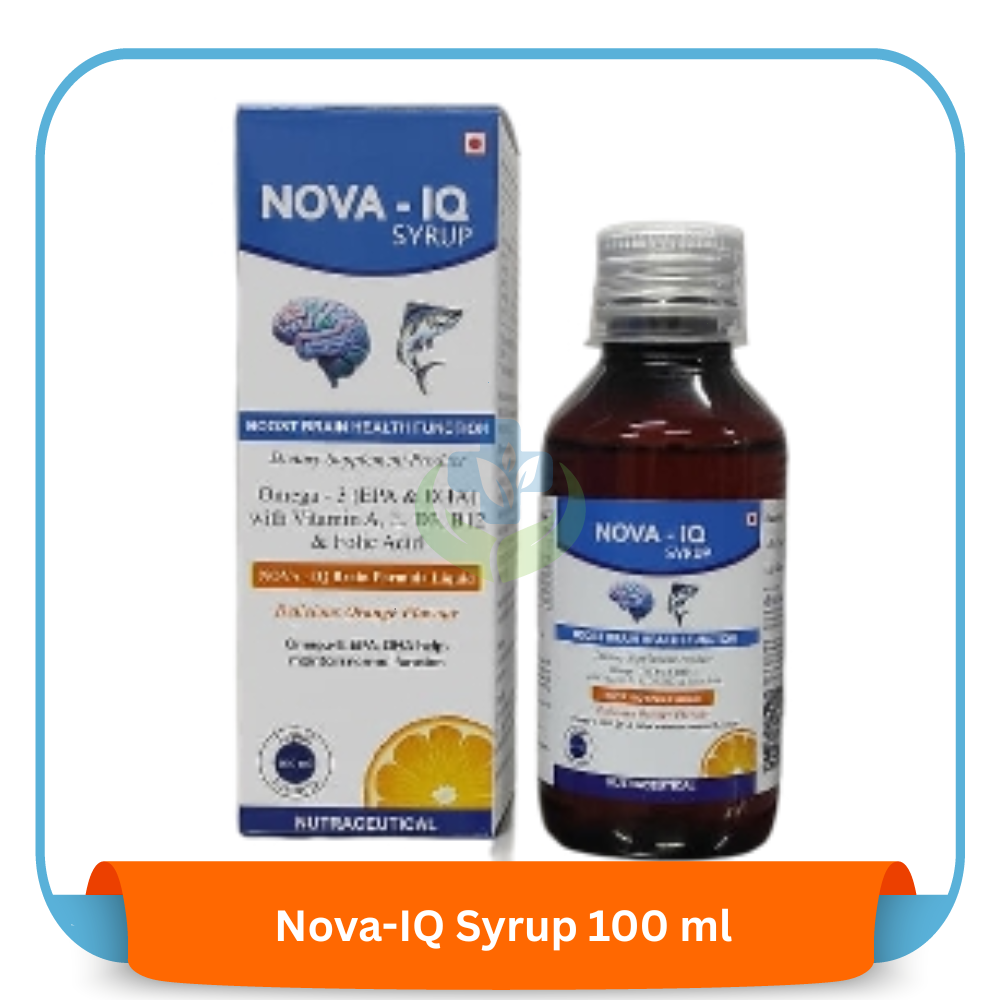
Nova-IQ Syrup 100 ml
৳714.40 -
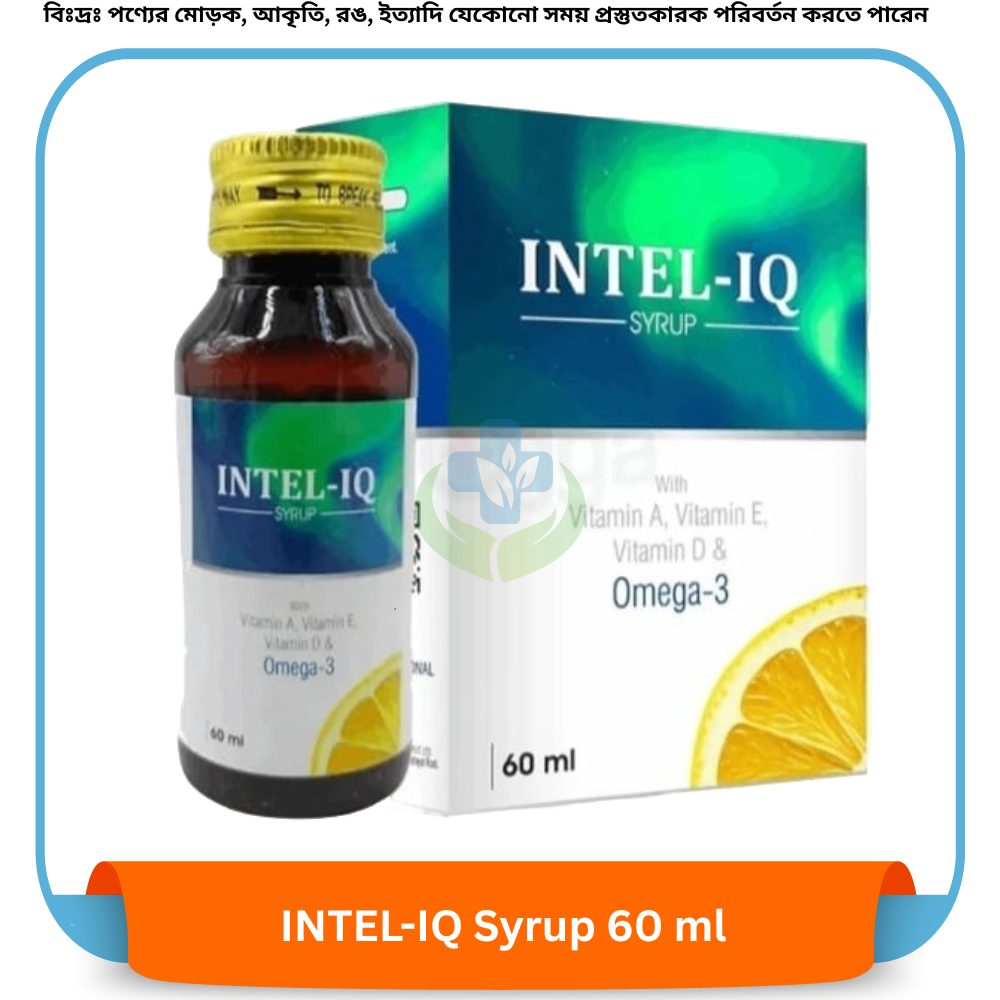
INTEL-IQ Syrup 60 ml
৳700.00
Memoloba 70 (Ginkgo
biloba) is a supplement that comes in capsule or tablet form. Some people claim
it may help many conditions like memory
loss, dementia, eye problems, poor blood circulation and ringing in your ears. This supplement doesn't diagnose, treat, cure or
prevent any condition.
Benefits of Memoloba 70, including at a 70 mg dose,
are centered on its antioxidant and circulatory properties, which may support
brain function, mental health, and eye health. However, clinical evidence is
inconsistent, and 70 mg is a relatively low dose compared to those typically
used in research. The most studied standardized extract is EGb 761.
Potential Benefits of Memoloba
70
Brain function
Memory and cognition: Memoloba's
ability to improve blood flow to the brain is thought to help with age-related
cognitive decline, including in people with dementia and Alzheimer's disease.
However, some large studies, such as the Memoloba
Evaluation of Memory (GEM) study, found no significant effect on reducing
dementia or age-related memory loss. In healthy individuals, the effects on
memory and thinking are also inconsistent.
Anxiety and depression: Limited studies suggest Memoloba may
help reduce symptoms of anxiety, and it has shown promise as an adjunctive
treatment for depression in older adults with post-stroke depression.
Circulation and heart
health
Blood flow: Memoloba contains flavonoids and terpenoids that can help
dilate blood vessels and reduce platelet "stickiness," which improves
overall circulation.
Peripheral artery disease: It may help alleviate leg pain caused by
clogged arteries (intermittent claudication), though regular exercise is
considered a more effective treatment.
Raynaud's phenomenon: Memoloba may also help reduce symptoms
of Raynaud's, a condition that causes numbness in fingers and toes due to
cold-induced spasms.
Eye and vision health
Eye health: Due to its antioxidant effects and ability to improve
blood flow, Memoloba may help protect the optic nerve and retina, potentially
benefiting individuals with glaucoma and age-related macular degeneration.
Dosage considerations
for 70 mg
Below typical study doses: A 70 mg dose is below the 120–240 mg
daily dosage most commonly evaluated in clinical trials for conditions like
dementia and cognitive decline.
Variable effectiveness: A smaller dose may not provide the same
effects observed in studies that used higher, divided doses.
Timing of effects: For any potential benefits to become
noticeable, it may be necessary to take Memoloba for 4 to 6 weeks.
Risks and precautions
FDA status: Memoloba is sold as a supplement and is not approved by
the U.S. Food and Drug Administration (FDA) as a medication for any specific
condition.
Side effects: Common side effects are generally mild
and can include headaches, upset stomach, and dizziness.
Bleeding risk: Memoloba can thin the blood and should
be avoided if you take anticoagulant (blood thinner) medications like warfarin
or aspirin. You should also stop taking it at least two weeks before any
surgery.
Other risks: Avoid Memoloba if you have a history of seizures or
epilepsy. Pregnant or breastfeeding women and children should not take ginkgo
biloba.
Toxic seeds: Never eat unprocessed ginkgo seeds, as they are poisonous.
Related products
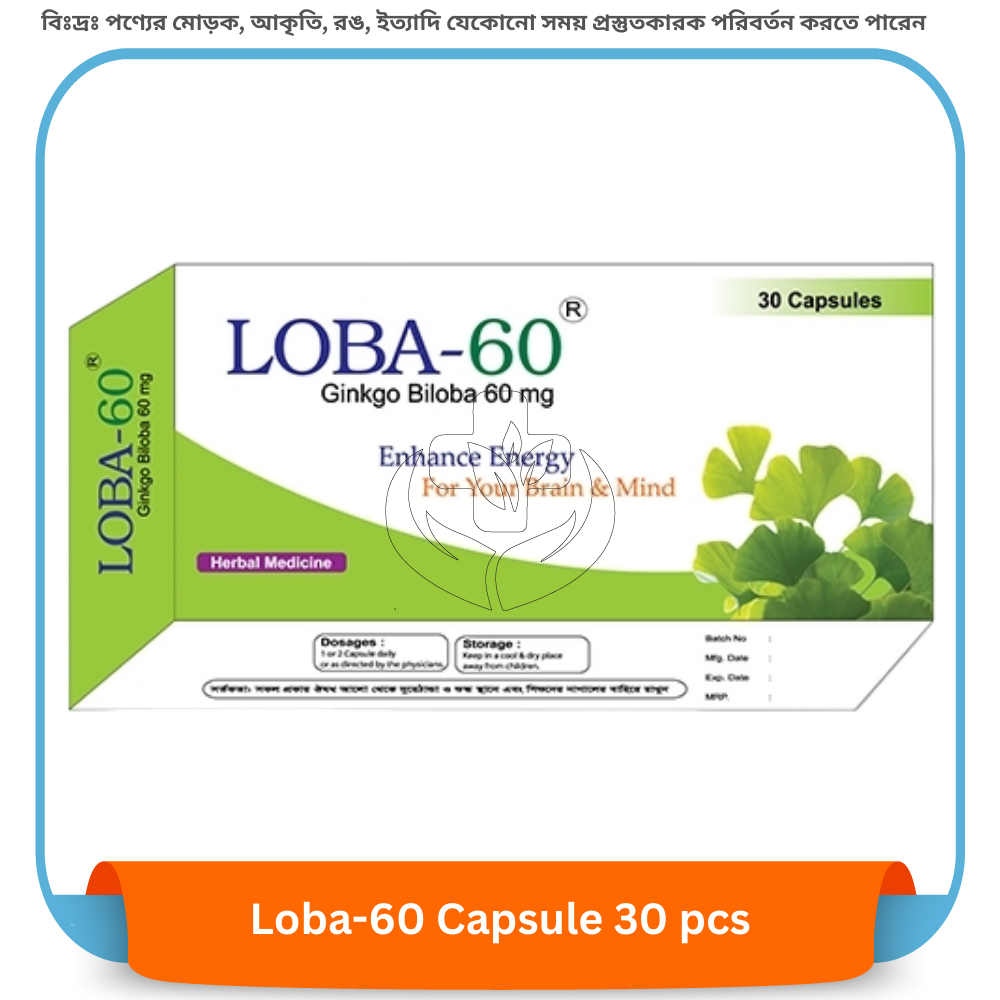
Loba-60 Capsule 30 pcs
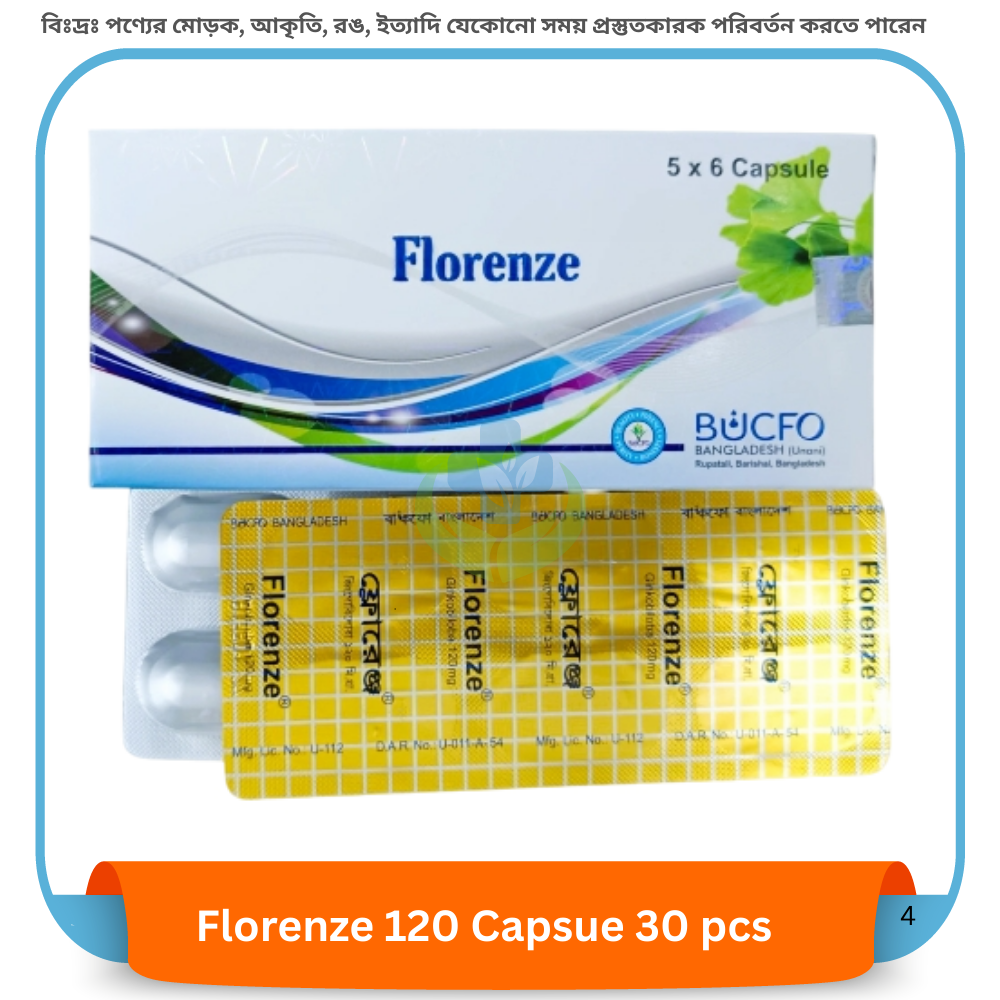
Florenze 120 Capsue 30 pcs
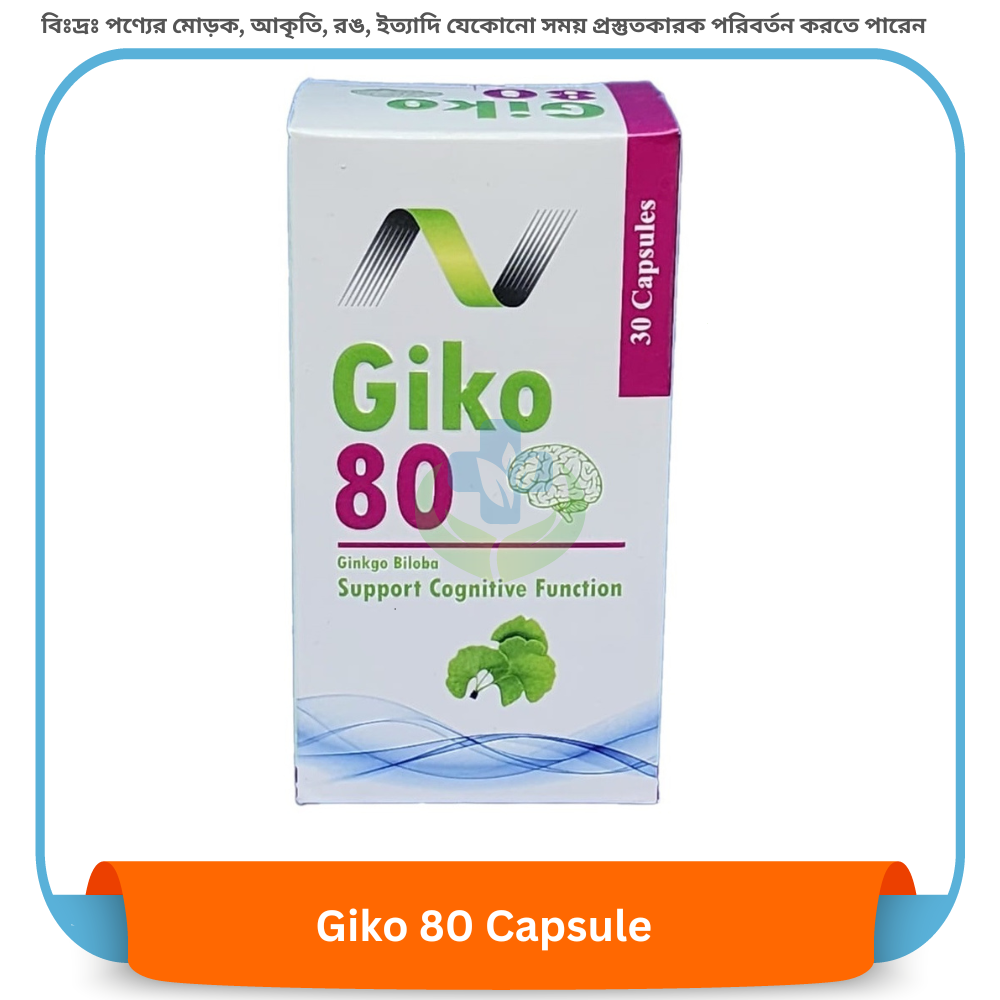
Giko 80 Capsule 30 pcs


Contact Info
- Address: DOHS, Mirpur, Dhaka
- Phone: 01336 242 804
- Email: order@careonbd.com