





Moisture Lotion 120 ml
+88 01568-208768
-

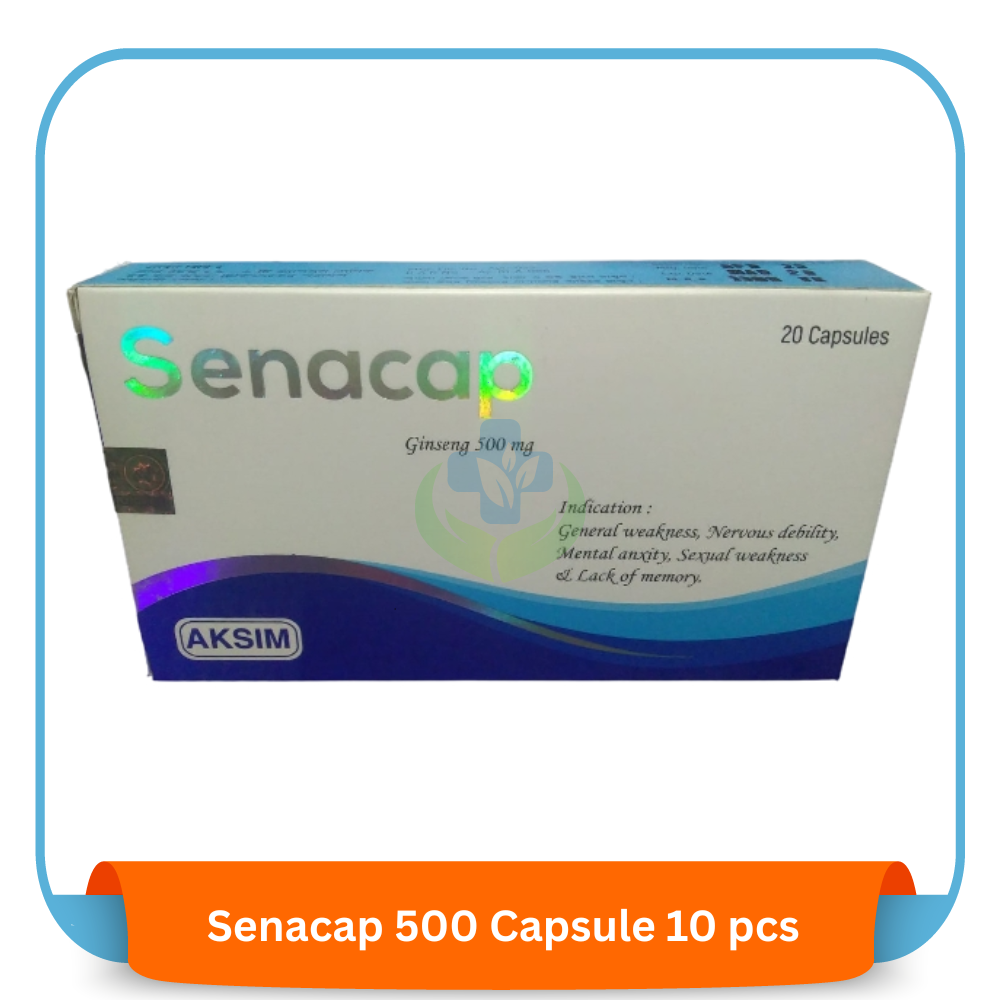
Senacap 500 Capsule 10 pcs
৳617.50 -
Xiovit D3 Pediatric Drops 30 ml
৳502.90 -
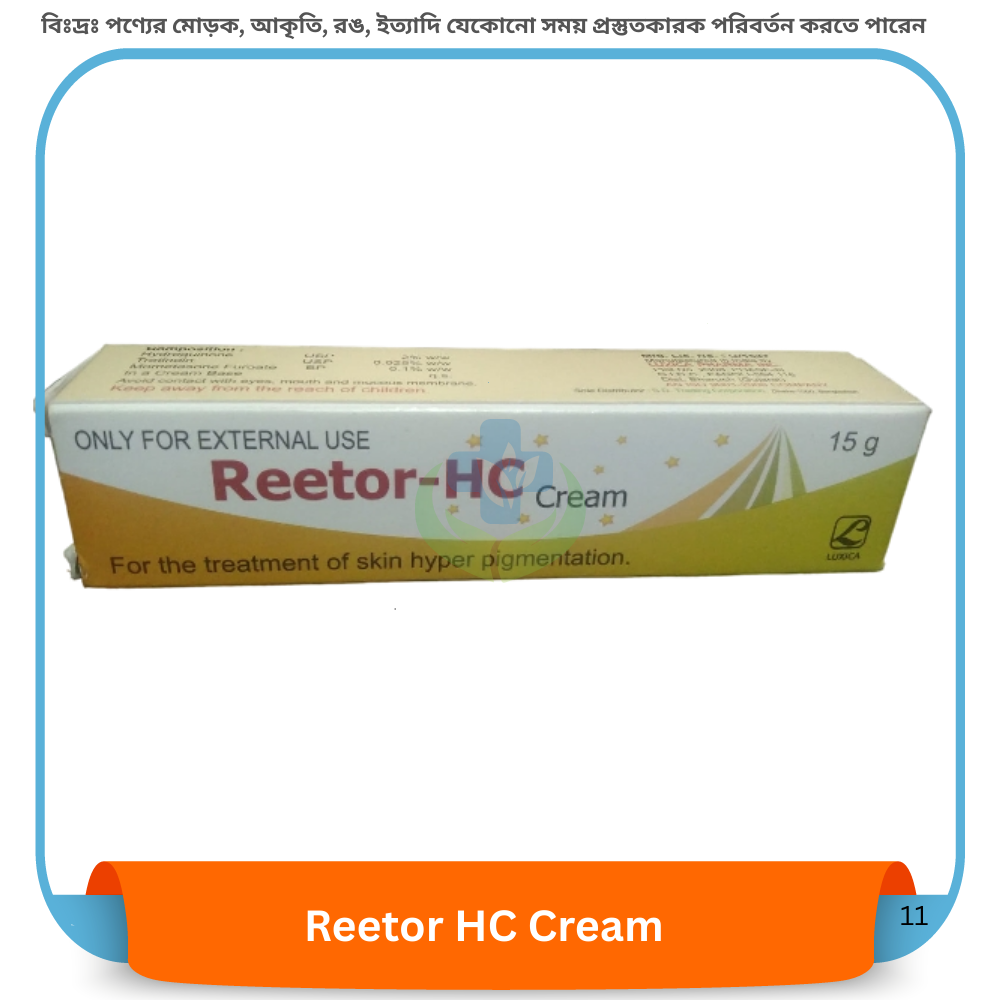
Reetor HC Cream 15 gm
৳841.30 -
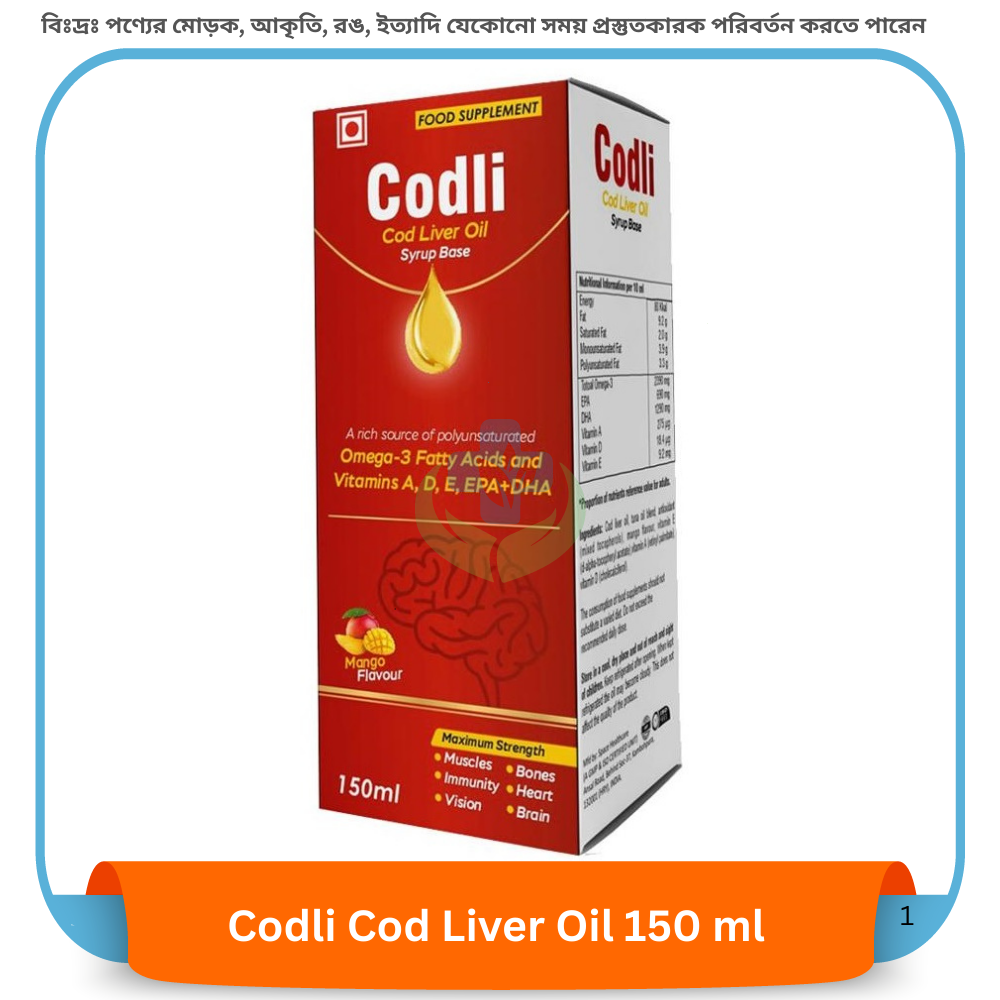
Codli Cod Liver Oil 150 ml
৳1,567.50 -
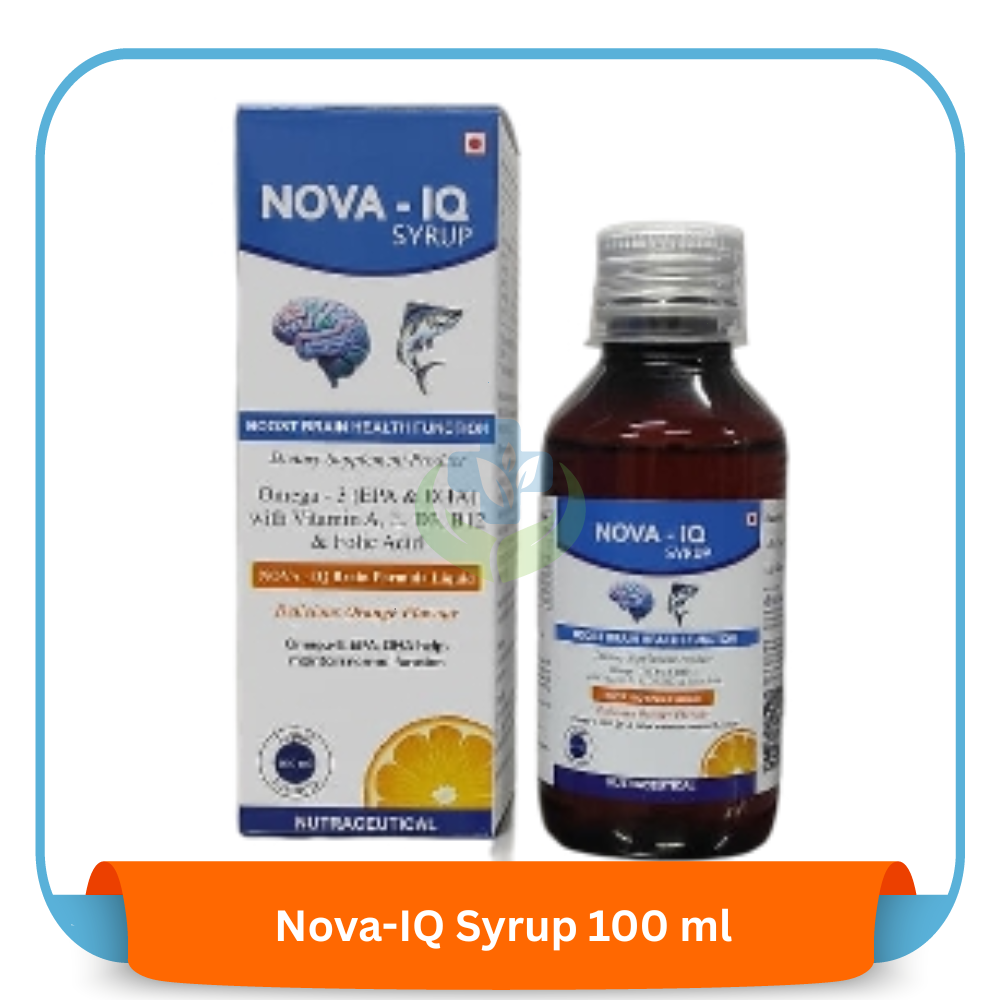
Nova-IQ Syrup 100 ml
৳714.40 -
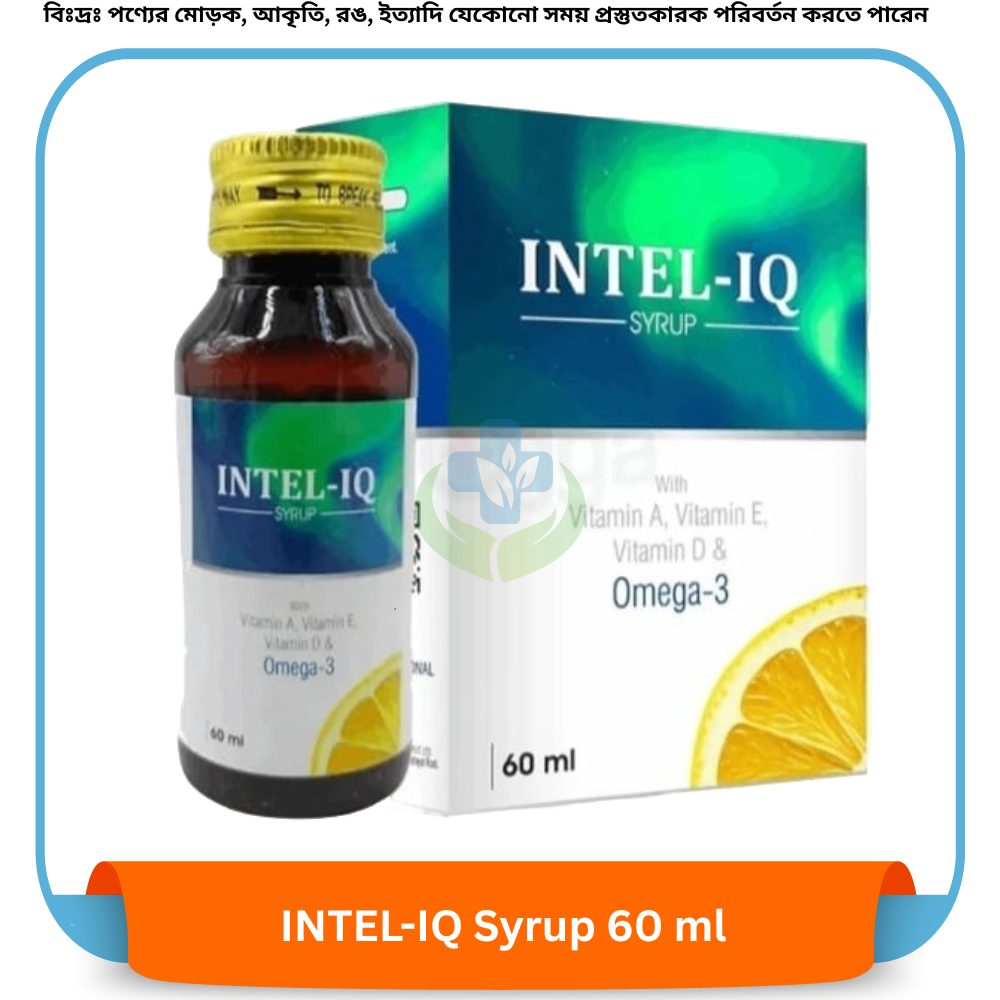
INTEL-IQ Syrup 60 ml
৳700.00
Moisture Lotion is a lightweight,
low-viscosity skincare product designed to hydrate, soften, and protect the
skin by preventing moisture loss. It is widely used in daily skincare routines
to maintain a healthy, radiant complexion for all skin types.
Introduction of Moisture lotion:
A
moisture lotion, or emollient, is a cosmetic preparation that bridges the gap
between medicine and consumer goods. Its primary function is to supplement the
skin's natural production of sebum to protect, moisturize, and lubricate the
skin. Unlike thicker creams, lotions are oil-in-water emulsions with low
viscosity, making them easy to spread over large areas of the body and quick to
absorb without a greasy residue.
Benefits of Moisture lotion:
Regular
use of a moisturizing lotion offers numerous benefits for skin health:
Ø Deep Hydration: It works by attracting and sealing
moisture into the outer layer of the skin, preventing dryness and flakiness.
Ø Soothes Irritation: Ingredients
often have calming properties that help to reduce redness, inflammation,
itching, and stinging sensations associated with dry or sensitive skin.
Ø Protective Barrier: It
creates a barrier on the skin's surface to shield it from harsh environmental
factors like wind, cold, and pollution.
Ø Supports Skin Barrier Health: Applying
it regularly helps to strengthen and restore the skin's natural protective
barrier function.
Ingredients of Moisture lotion:
Moisturizers
use a combination of different ingredient types to achieve their effects:
Ø Humectants: These attract and bind water from the
atmosphere and deeper layers of the skin. Common examples include Glycerin, Hyaluronic
Acid, and Sodium PCA.
Ø Emollients: These smooth and soften the skin by
filling the spaces between skin cells, improving texture. Examples
include Shea Butter, Caprylic/Capric Triglyceride,
and lactic acid.
Ø Occlusives: These
create a protective film or barrier on the skin's surface to prevent
transepidermal water loss (TEWL). Examples include Dimethicone, Mineral
Oil, and petrolatum.
Ø Nourishing Agents: Ingredients
like Aloe Vera extract and Vitamin E provide
additional nourishment, antioxidant protection, and soothing properties.
Usage Instructions of Moisture
lotion:
For
best results, follow these general instructions:
Ø
Cleanse first: Apply
the lotion to clean, dry skin.
Ø
Apply liberally: Use
a sufficient amount to cover the entire desired area (face, hands, body).
Ø
Massage gently: Use
soft, circular motions to massage the product into the skin until it is fully
absorbed.
Ø
Frequency: Use
once or twice daily, or as often as recommended by a dermatologist, especially
after bathing or showering to maximize moisture retention.
Ø
External Use Only: Avoid
contact with eyes; if accidental contact occurs, wash eyes immediately with
water.
Side Effects of Moisture lotion:
Moisture
lotion is generally safe for use and well-tolerated, but some individuals may
experience minor side effects, especially if they have sensitive skin or
specific allergies:
Ø Skin Irritation: This
is the most common side effect and can manifest as subjective sensations like a
burning, stinging, itching, or tingling feeling.
Ø Allergic Reactions: Symptoms
may include a rash, hives, or swelling. Check the ingredients list if you have
known allergies.
Ø Acne Breakouts: Some
formulations may worsen acne in acne-prone individuals; look for products
labeled "non-comedogenic" (will not clog pores).
Ø Increased Sun Sensitivity: Certain
ingredients (e.g., some preservatives or alpha hydroxy acids, if present) may
make skin more sensitive to the sun. In such cases, use sunscreen and wear
protective clothing when outdoors.
If any unusual or severe side effects occur, discontinue use and consult a physician or pharmacist immediately. You can check specific product information for approved uses and potential side effects on reliable sources like WebMD or consult the NHS or a personal doctor for medical advice.
Related products
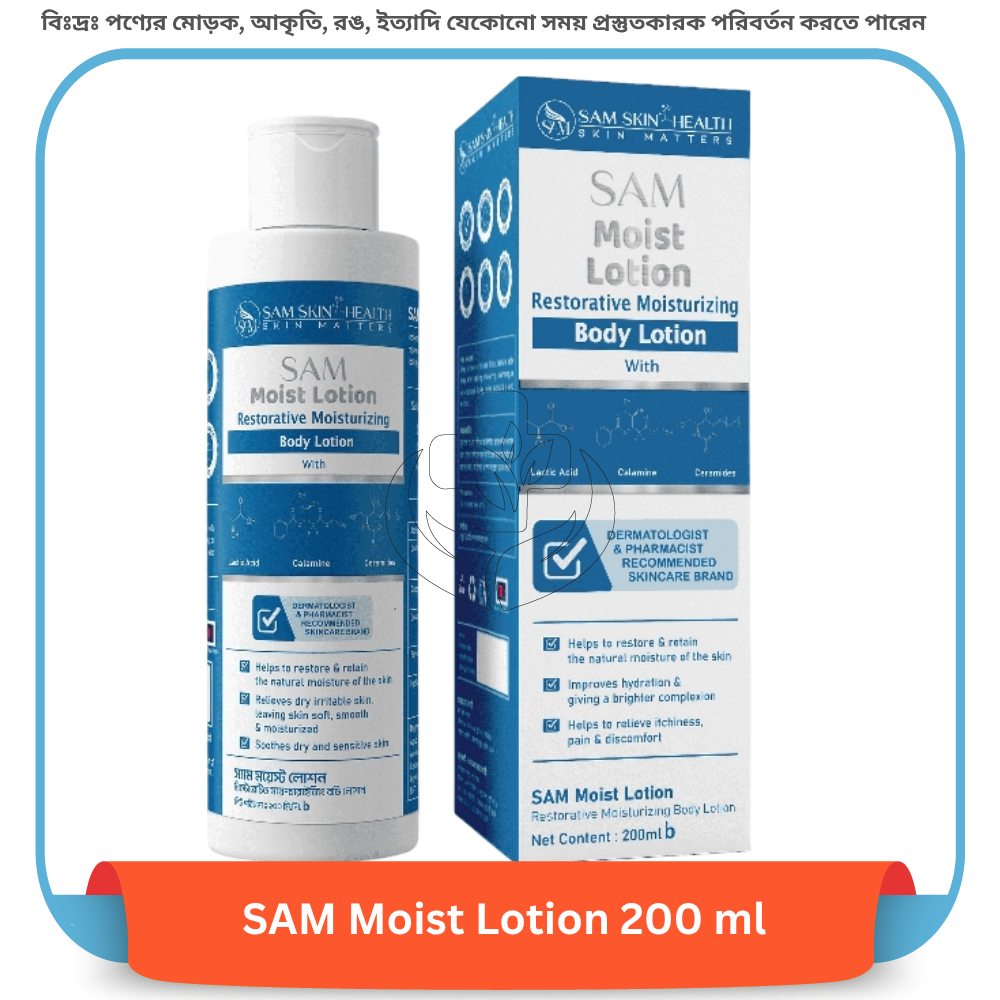
SAM Moist Lotion 200 ml
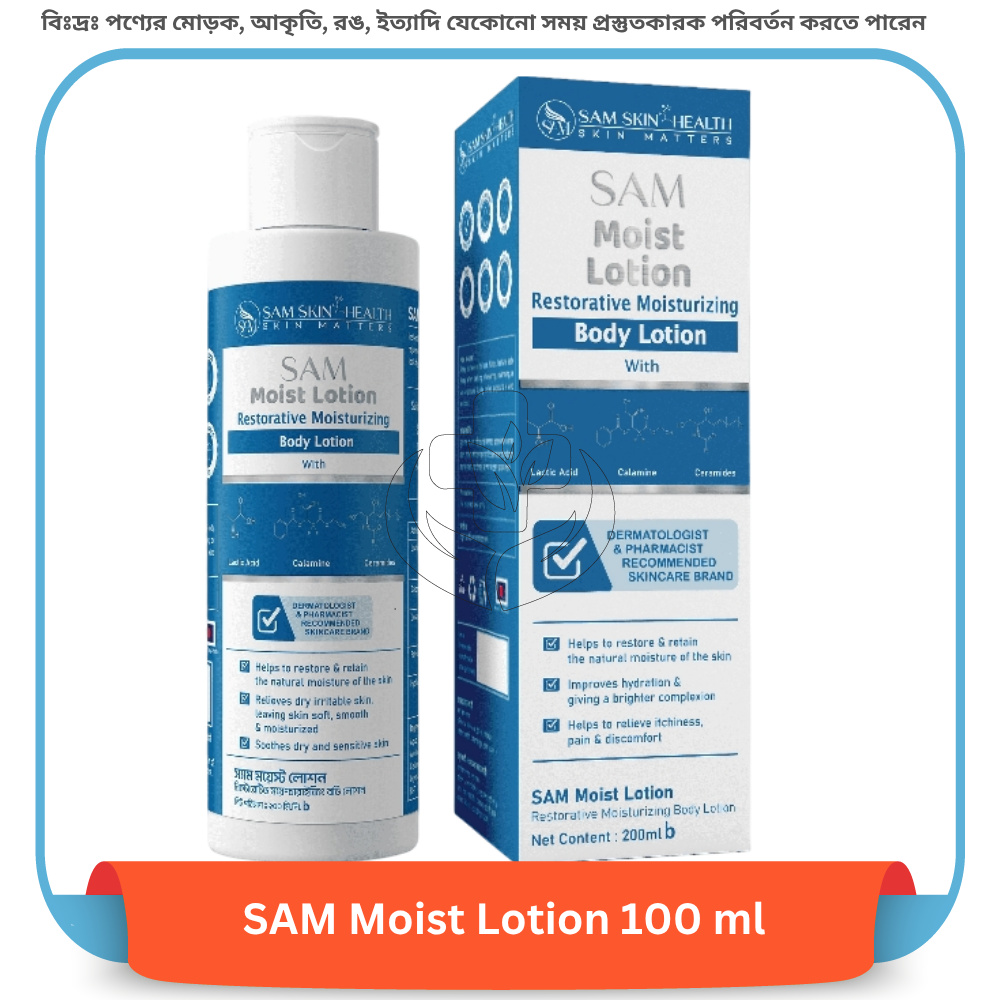
SAM Moist Lotion 100 ml
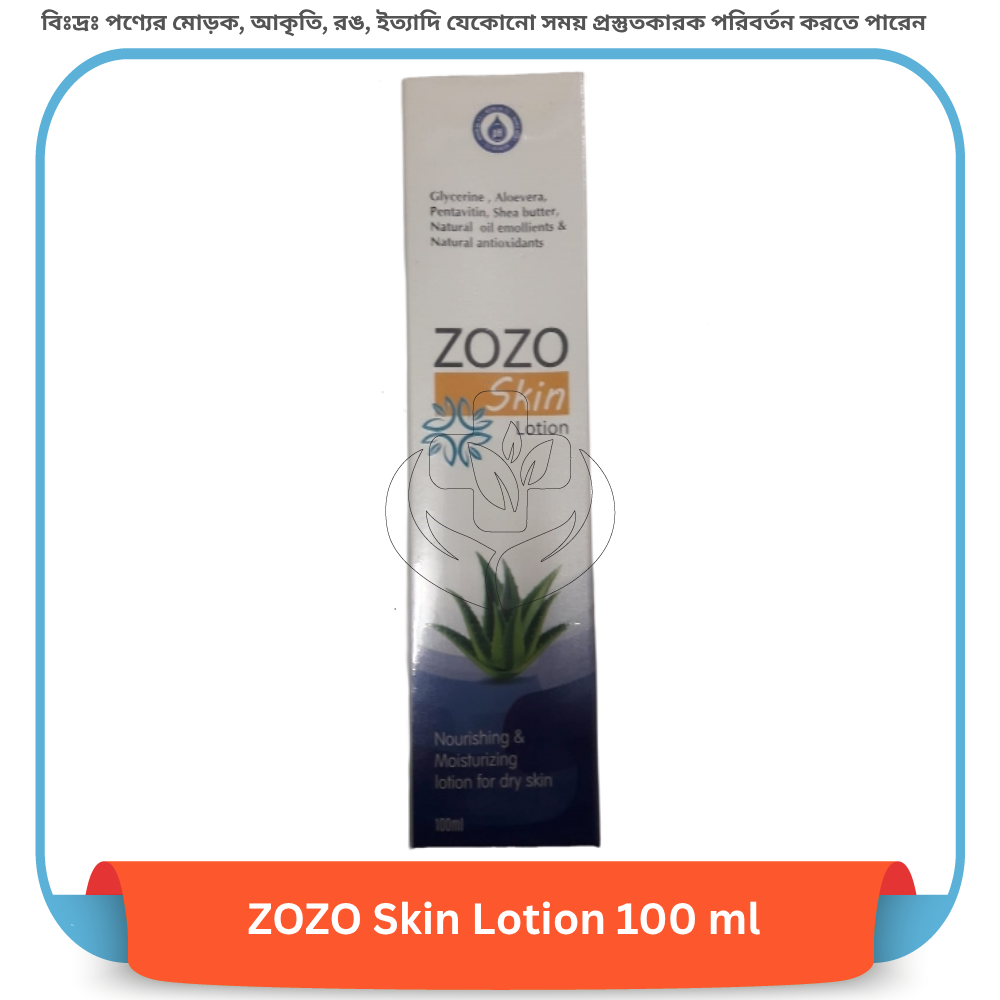
ZOZO Skin Lotion 100 ml
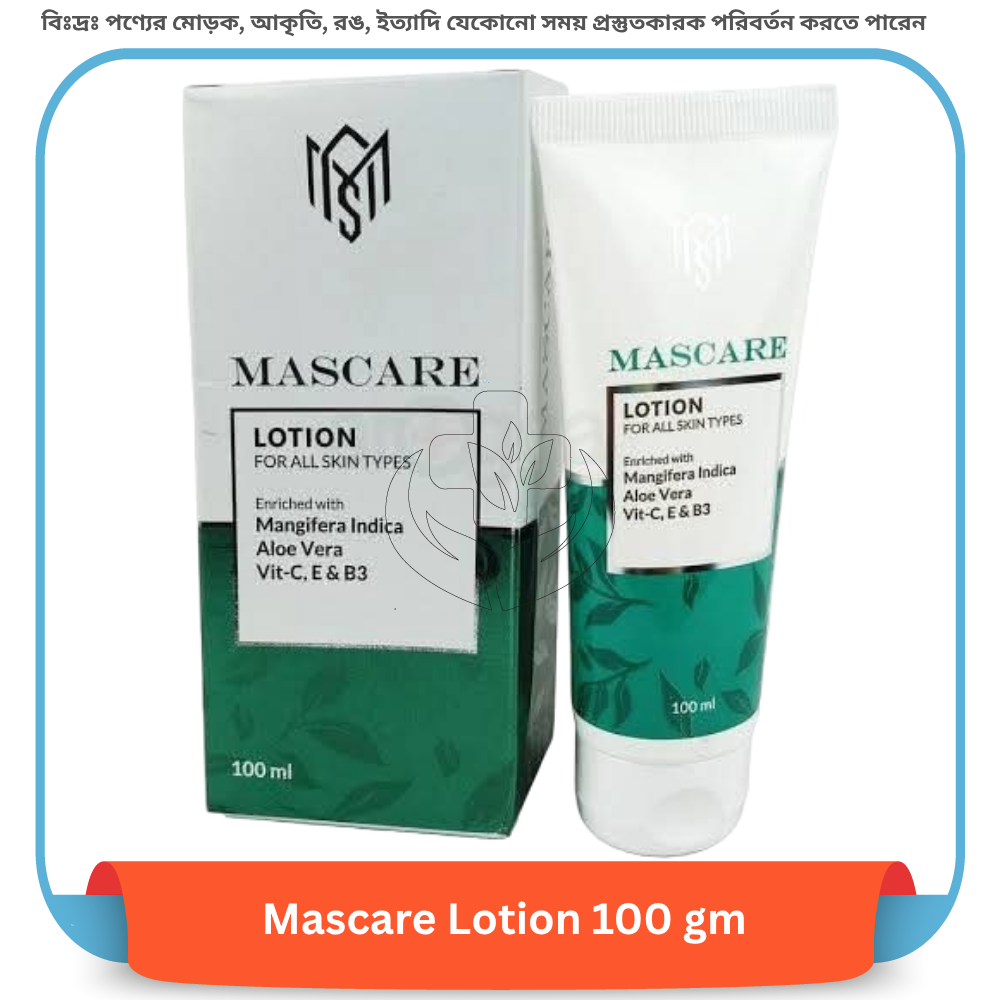
Mascare Lotion 100 gm
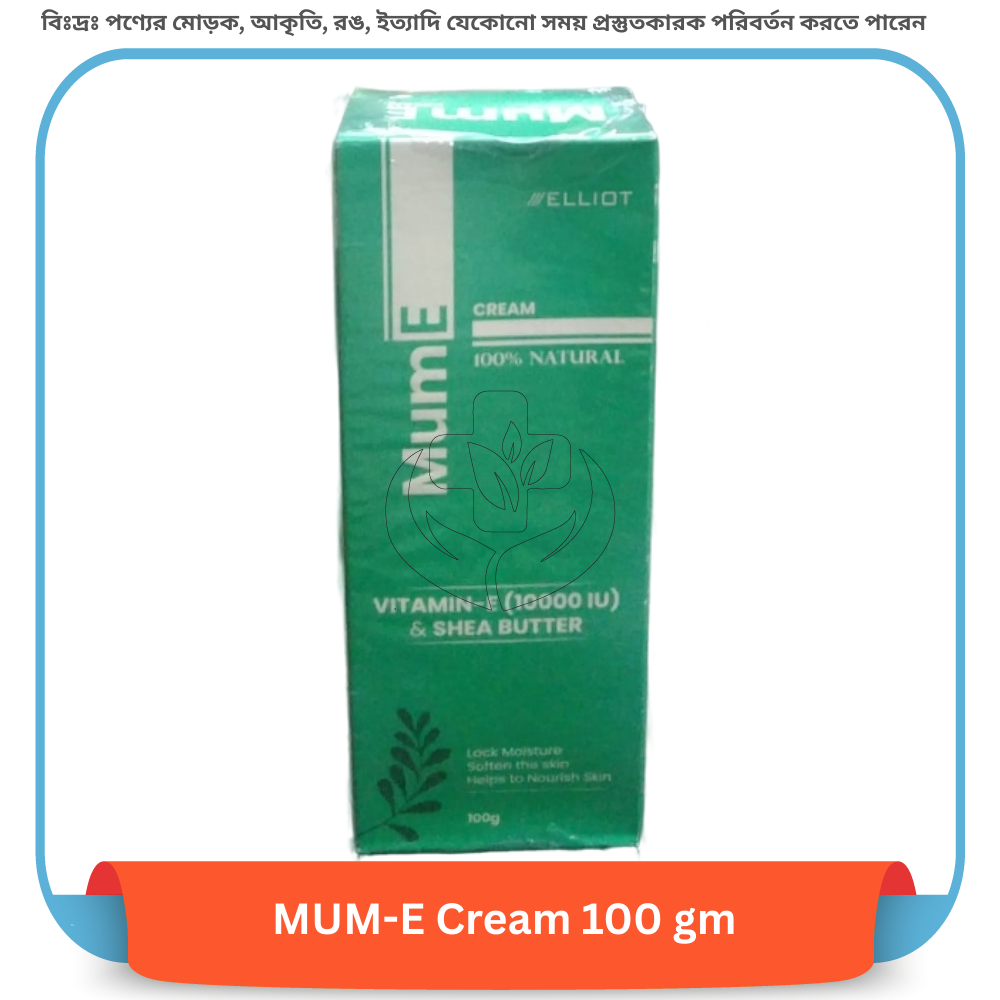
MUM-E Cream 100 gm
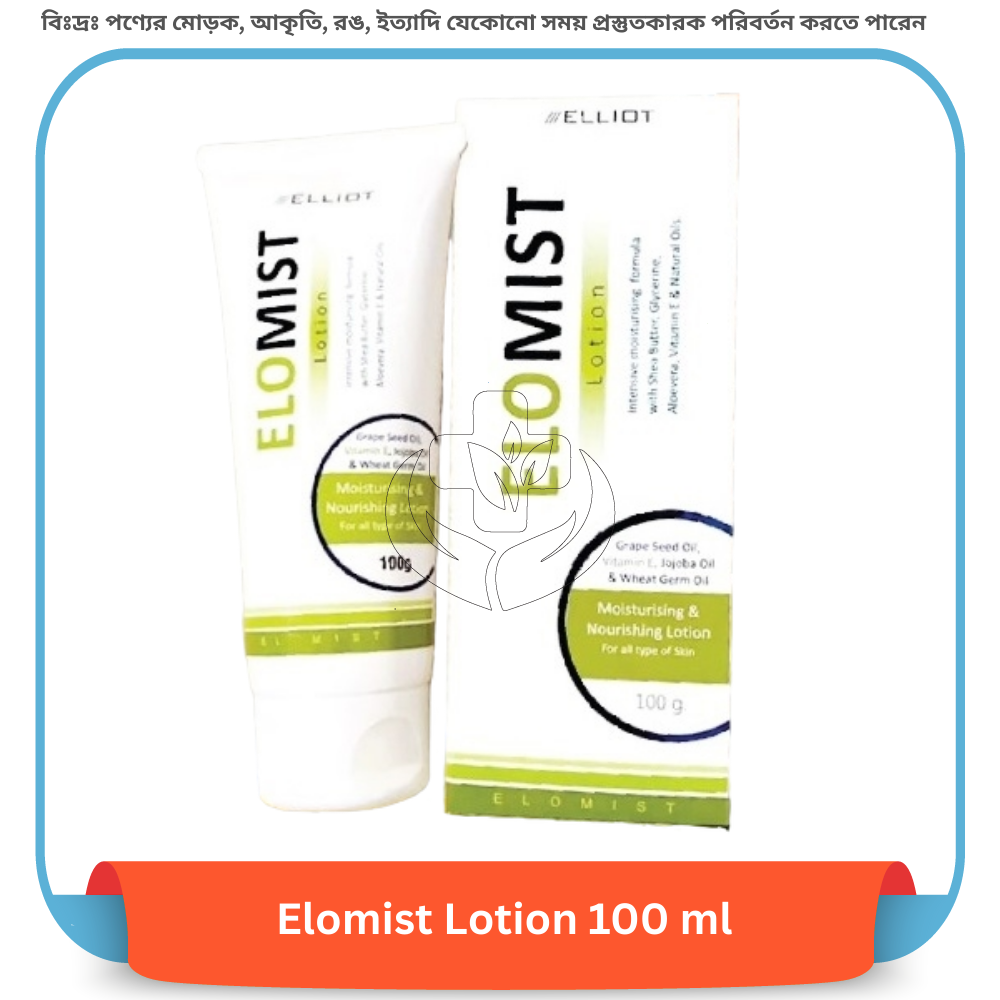
Elomist Lotion 100 ml
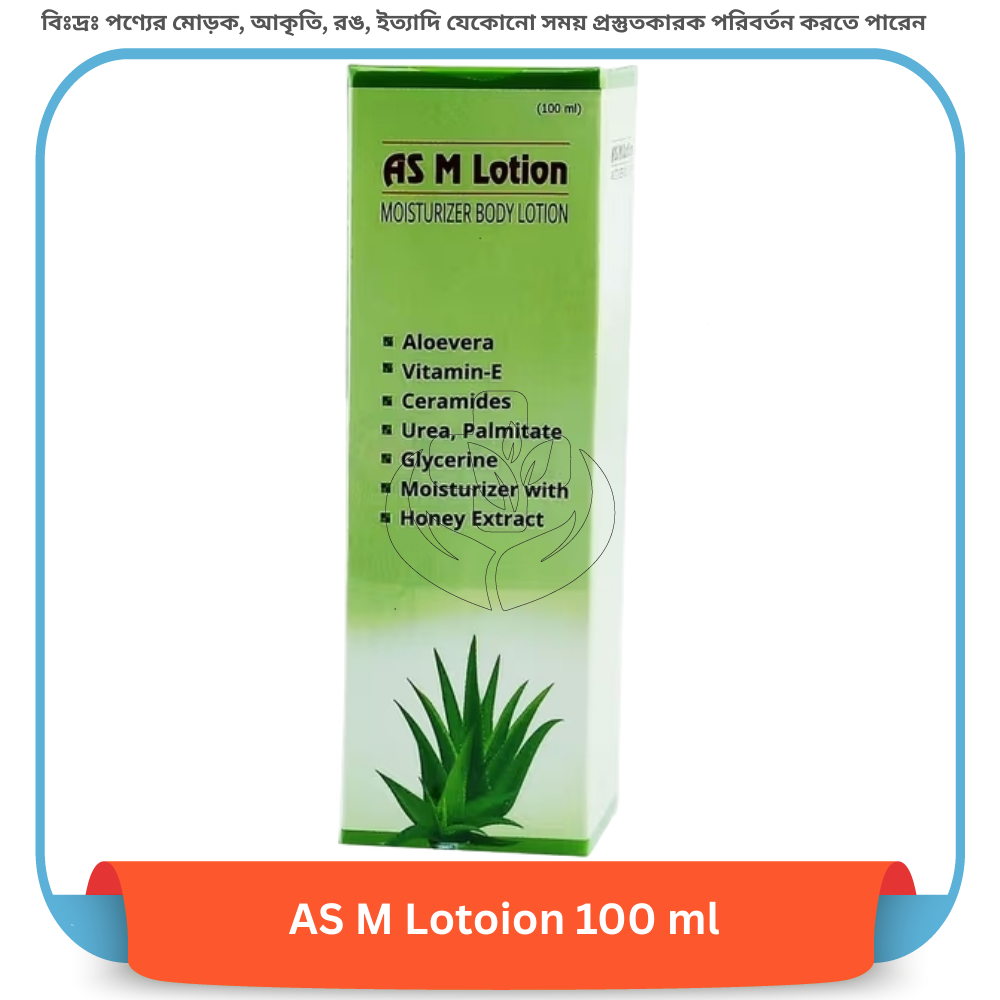
AS M Lotion 100 ml
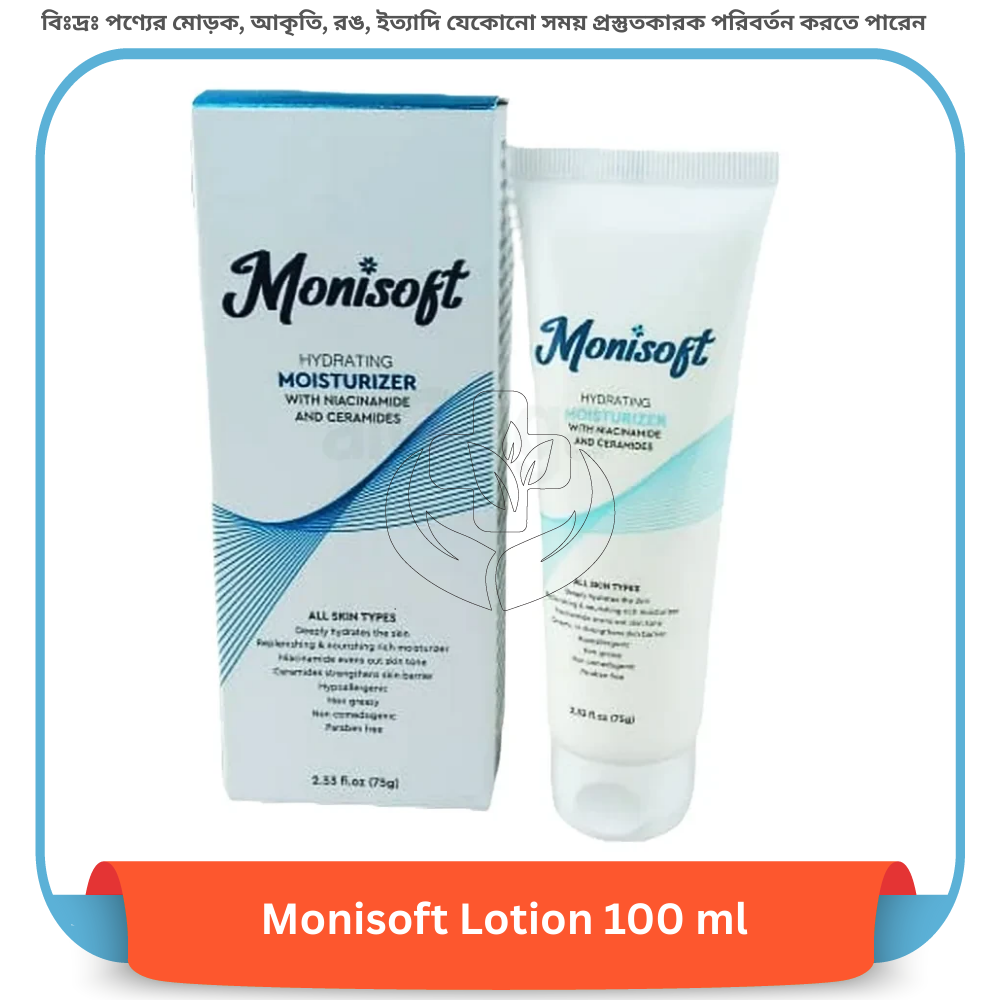
Monisoft Lotion 100 ml
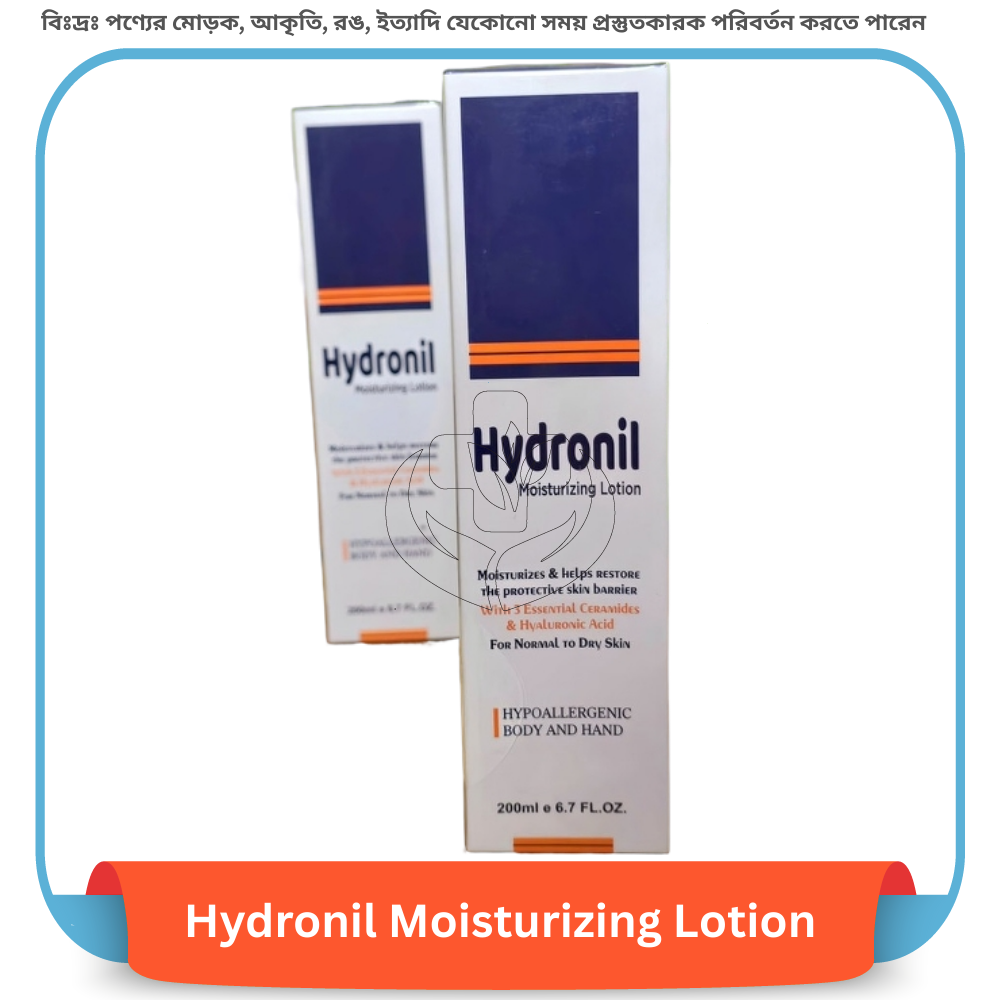
Hydronil Moisturizing Lotion 200 ml
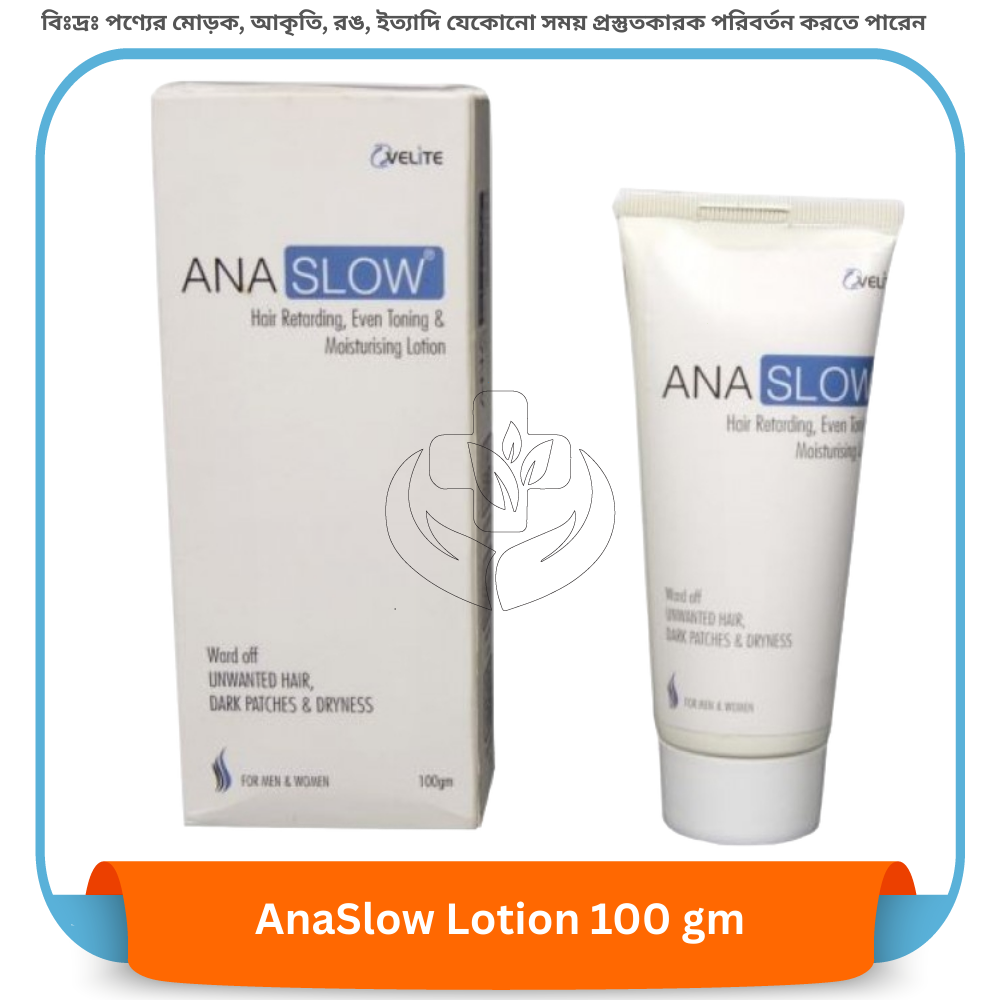
AnaSlow Lotion 100 gm
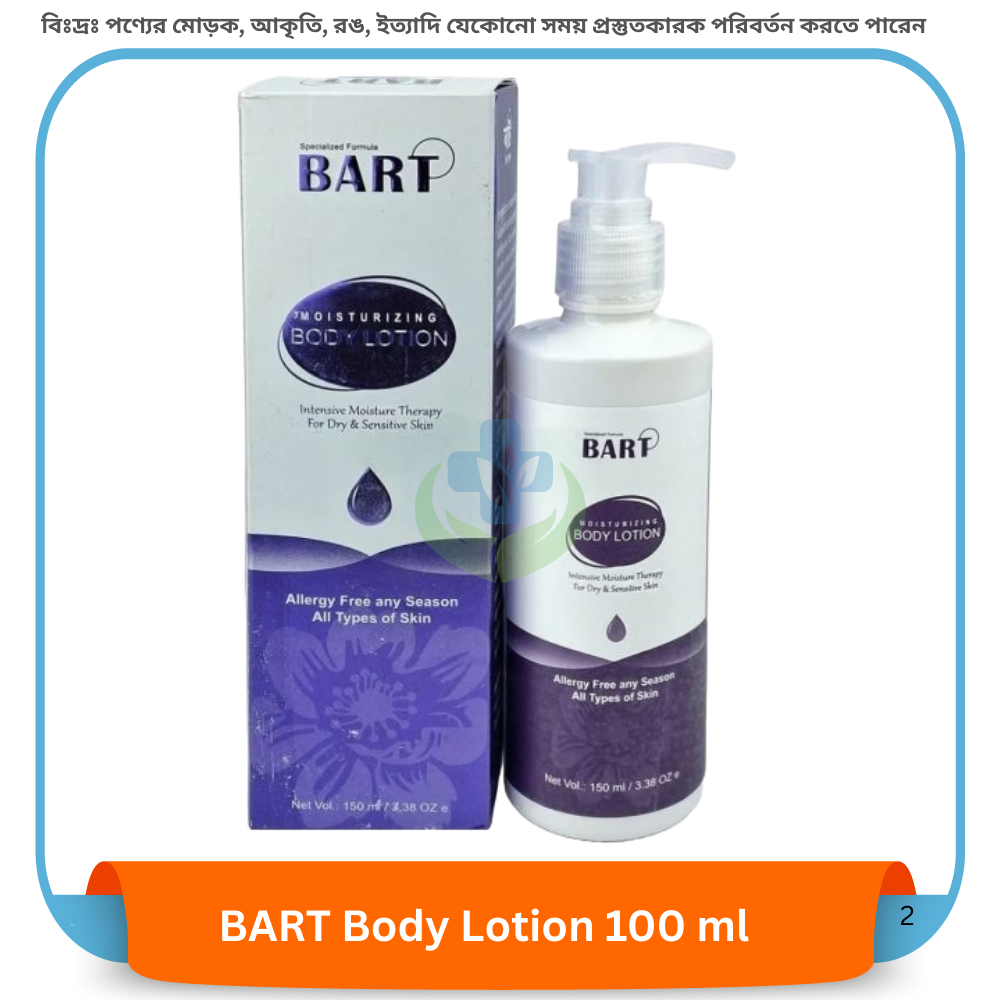
BART Body Lotion 100 ml

Moistonomics 150ml
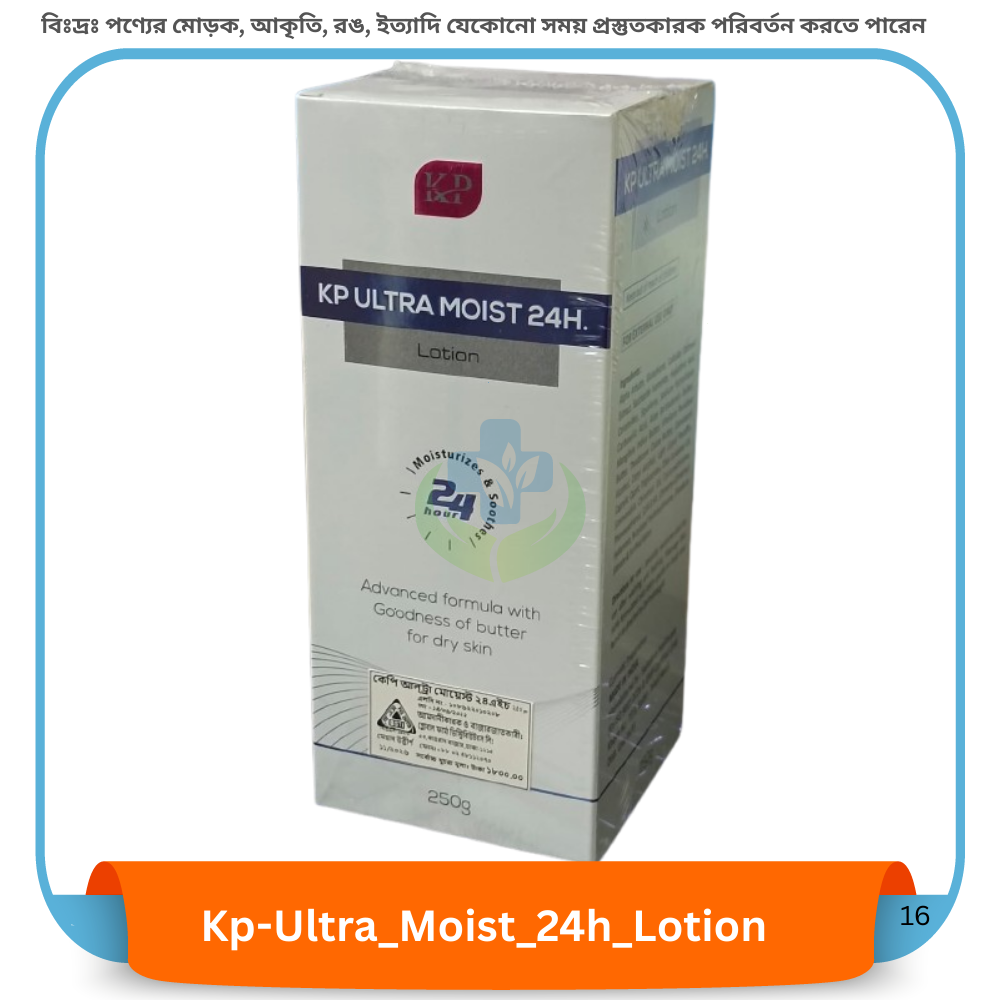
Kp-Ultra Moist 24h Lotion 250 gm
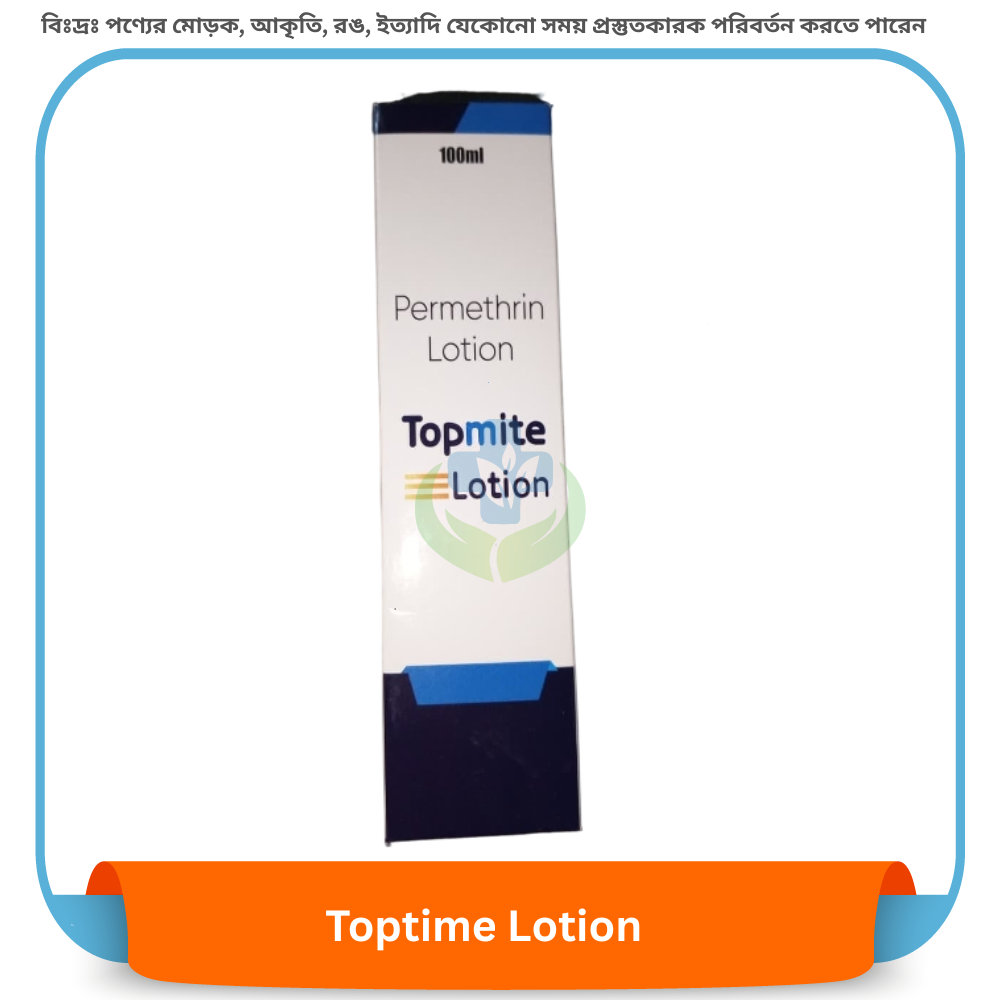
Toptime Lotion 100 ml
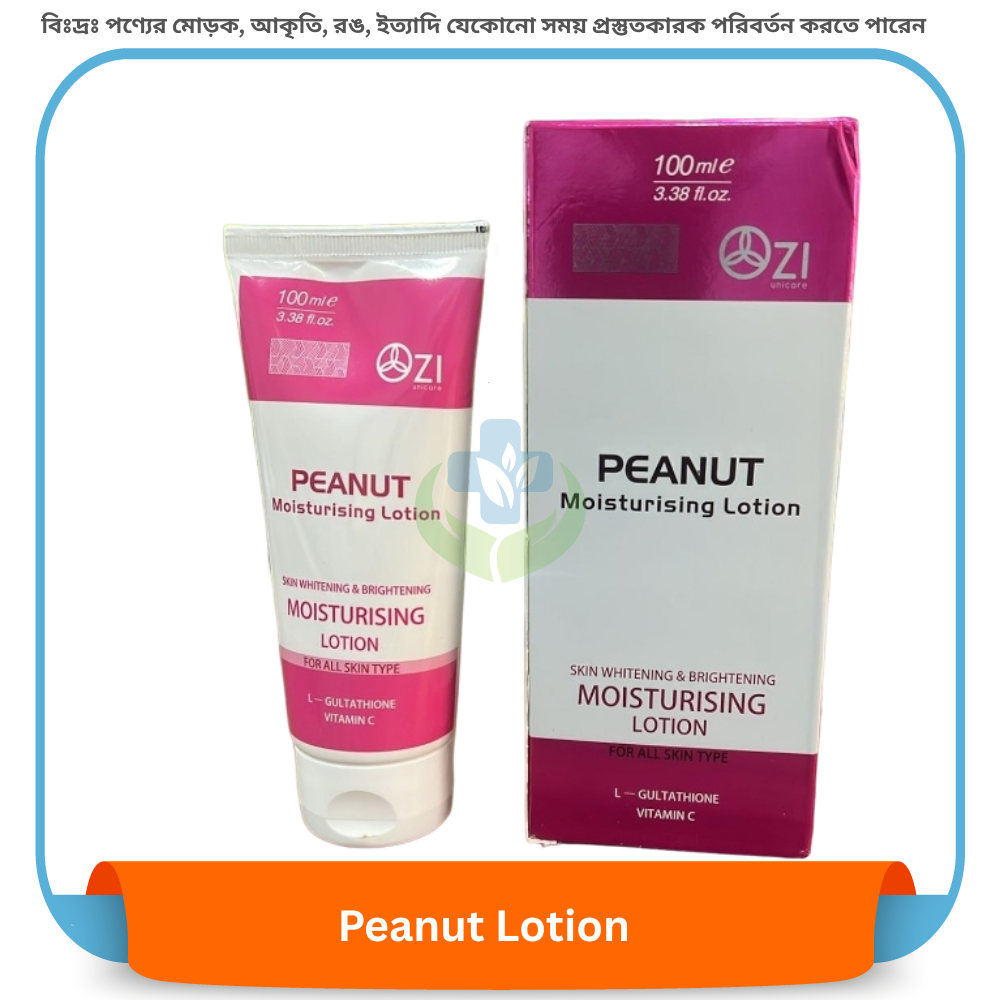
Peanut Lotion 100 ml
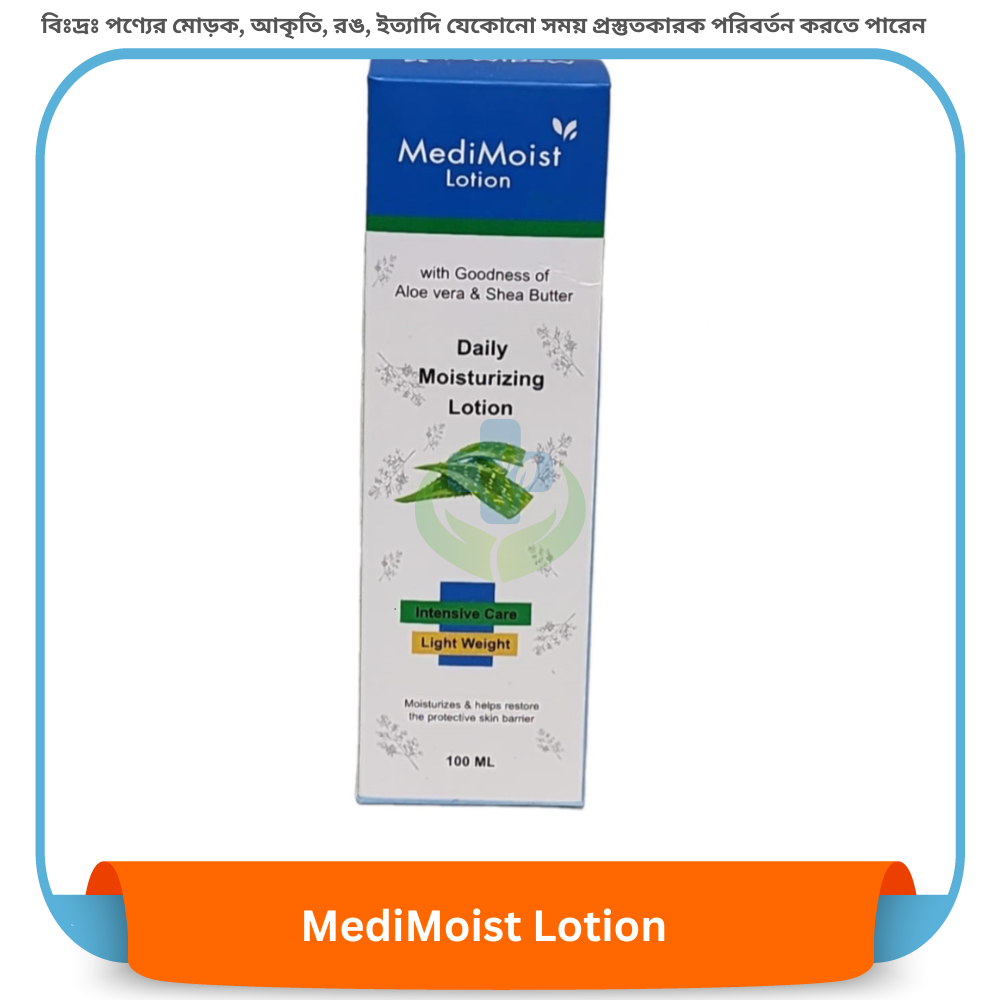
MediMoist Lotion 100ml
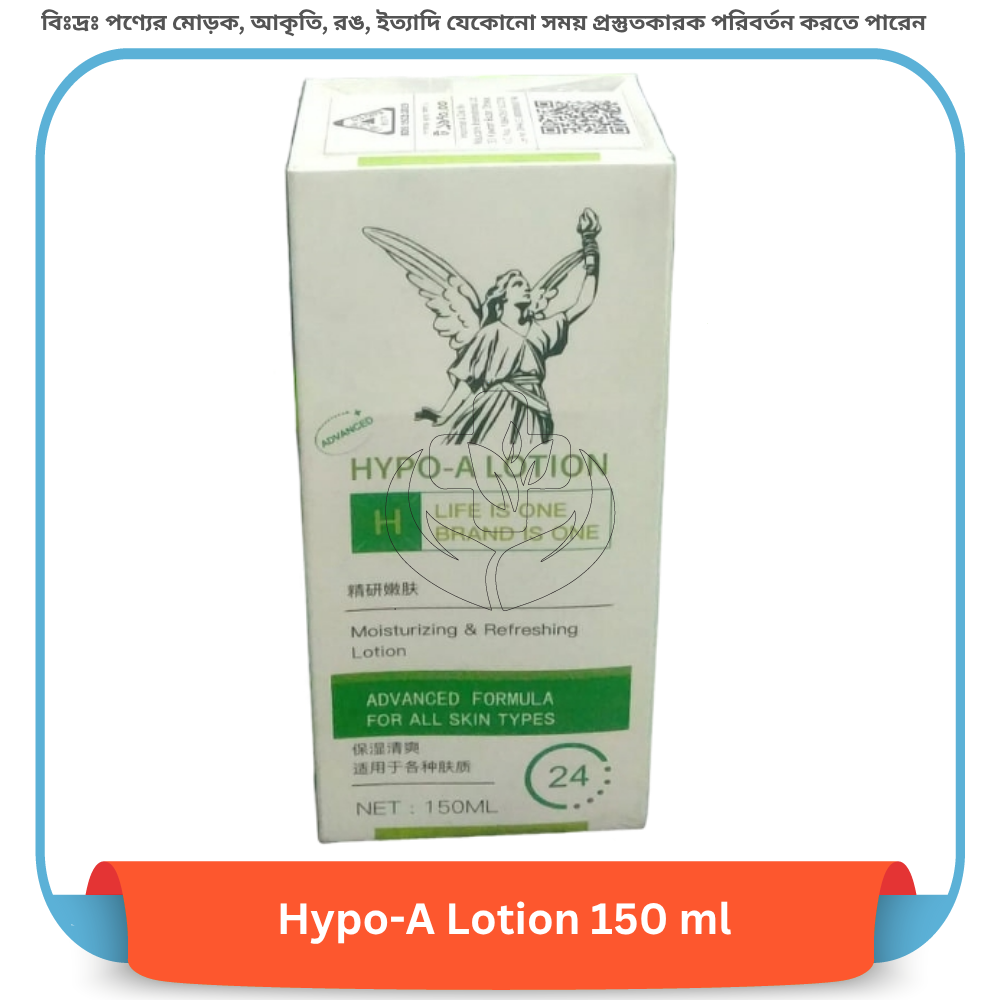
Hypo-A Lotion 150 ml
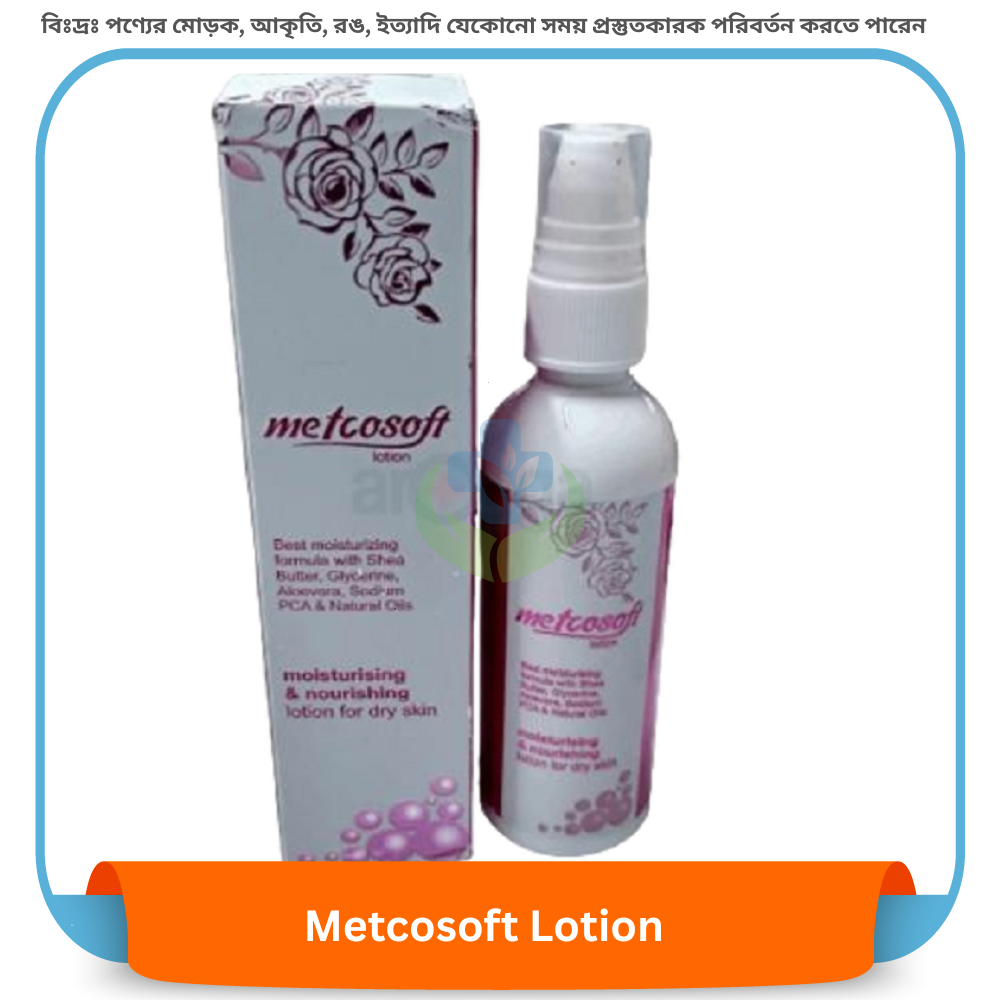
Metcosoft Lotion 100 ml
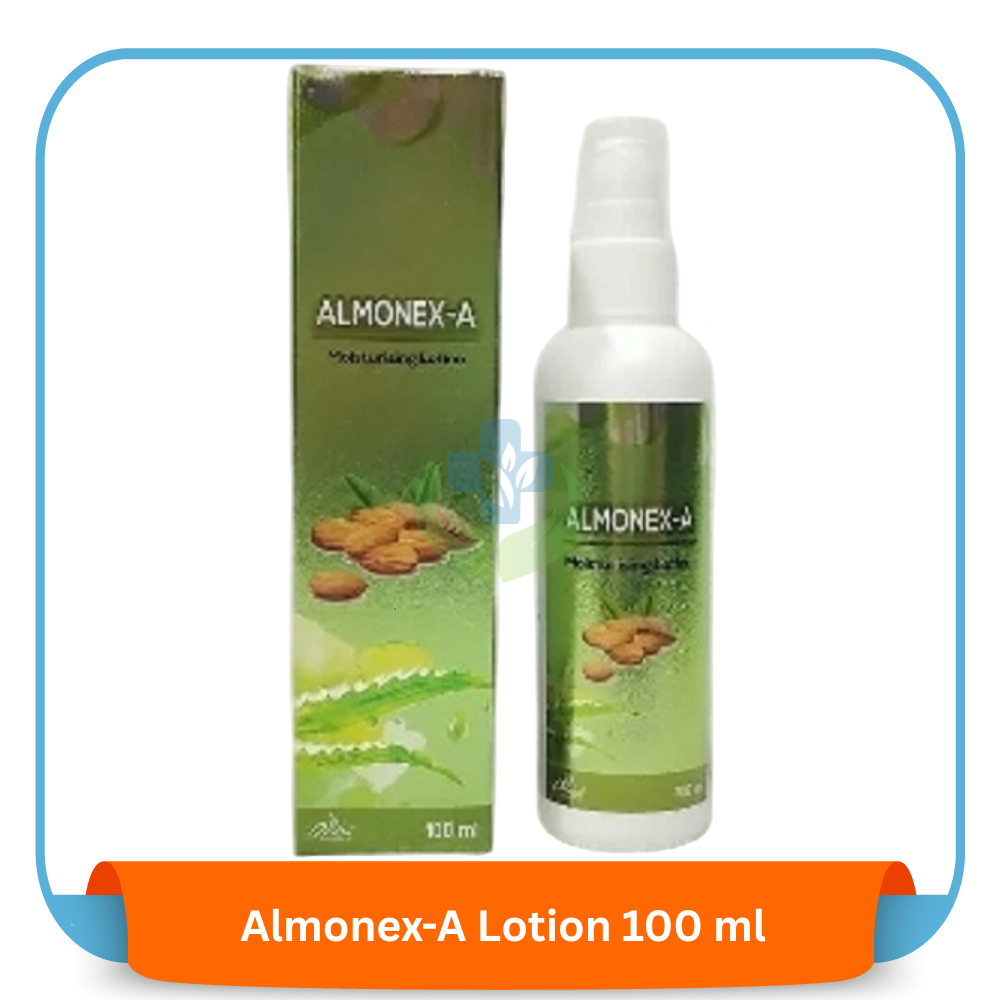
Almonex-A Lotion 100 ml
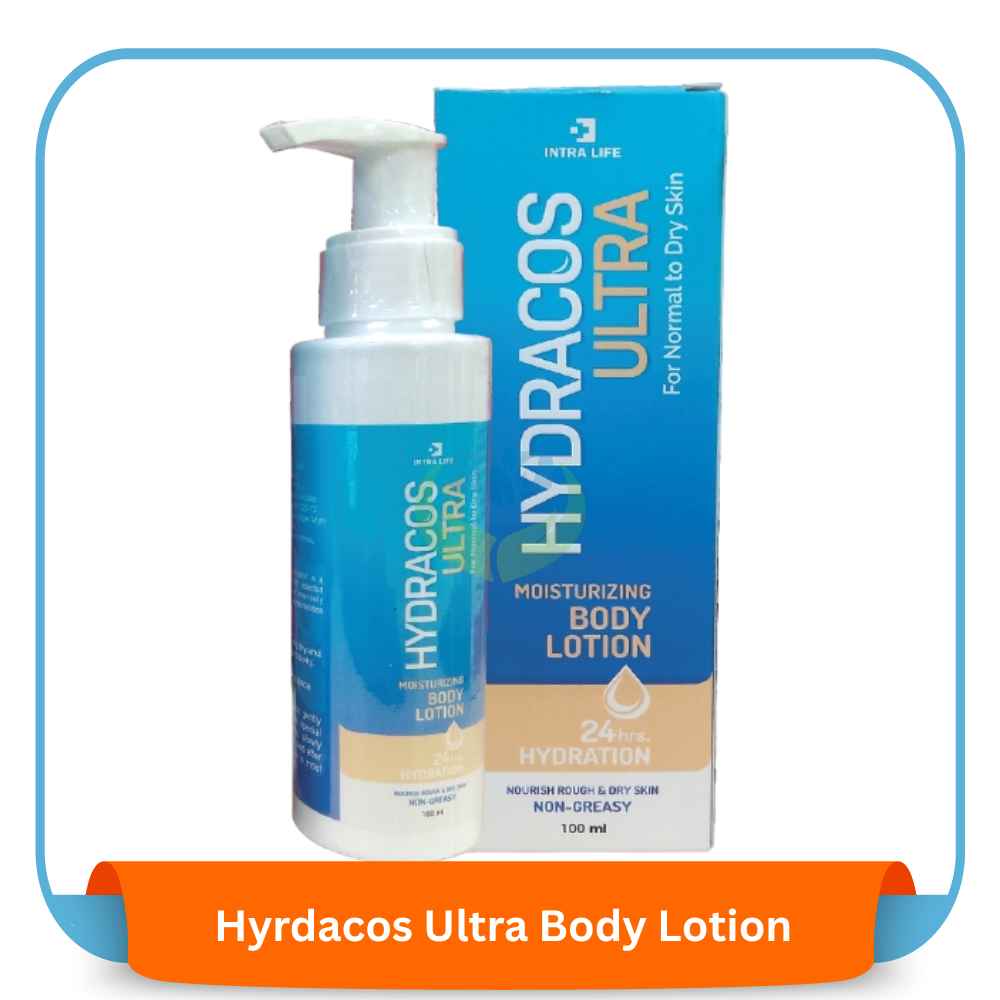
Hydracos Ultra Body Lotion 100 ml
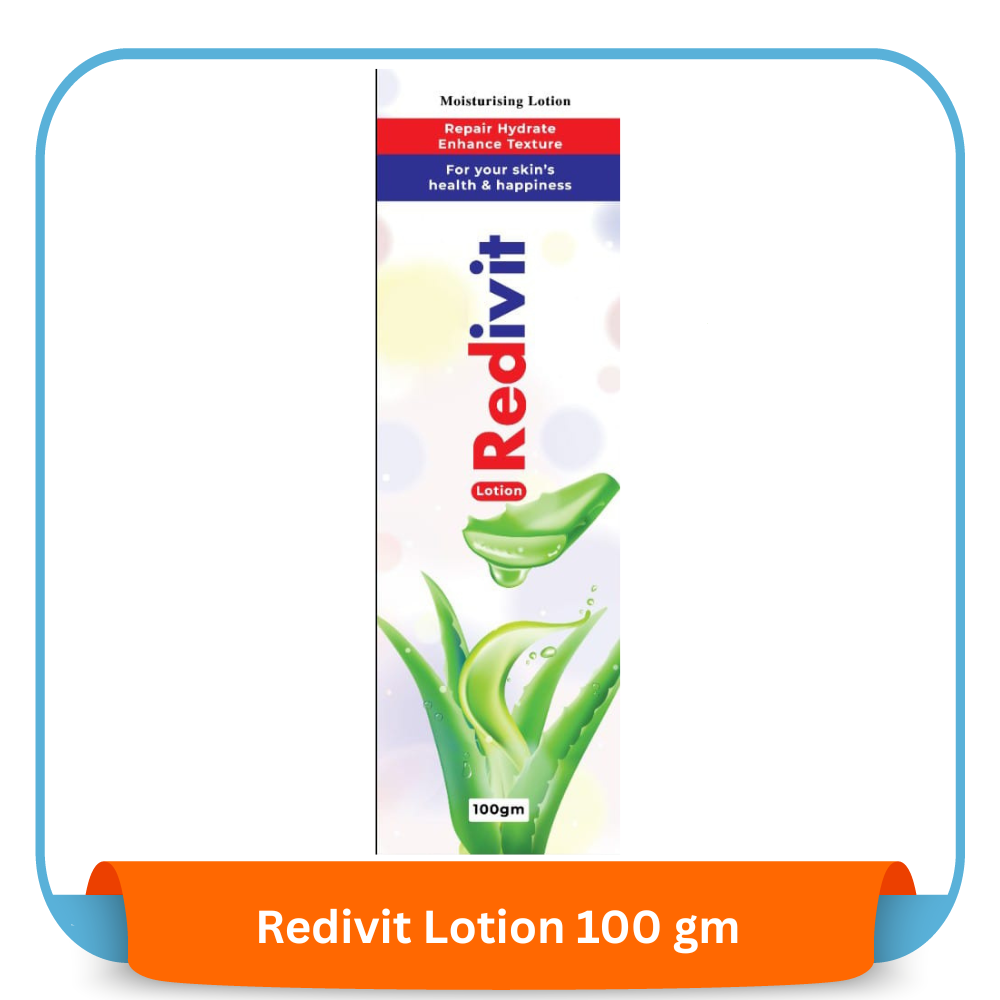
Redivit Lotion 100 gm


Contact Info
- Address: DOHS, Mirpur, Dhaka
- Phone: 01336 242 804
- Email: order@careonbd.com