



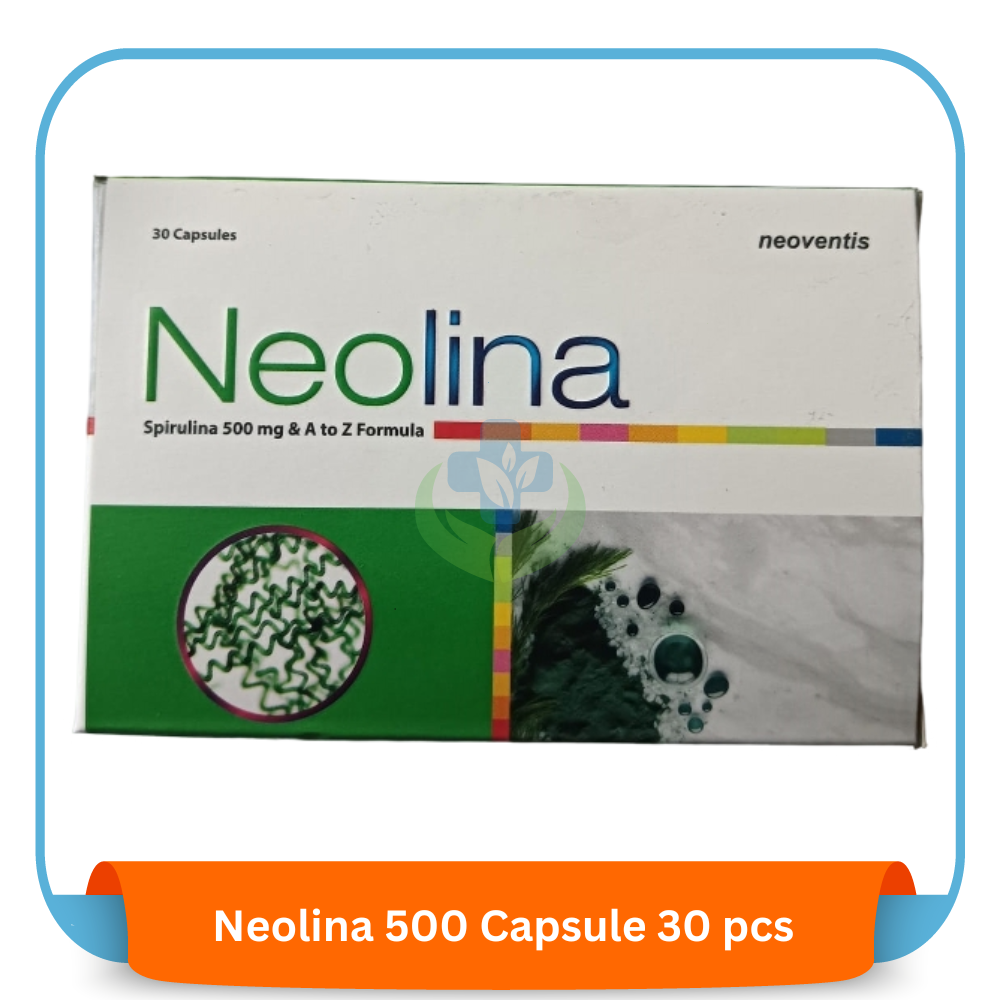
Neolina 500 Capsule 30 pcs
+88 01568-208768
-

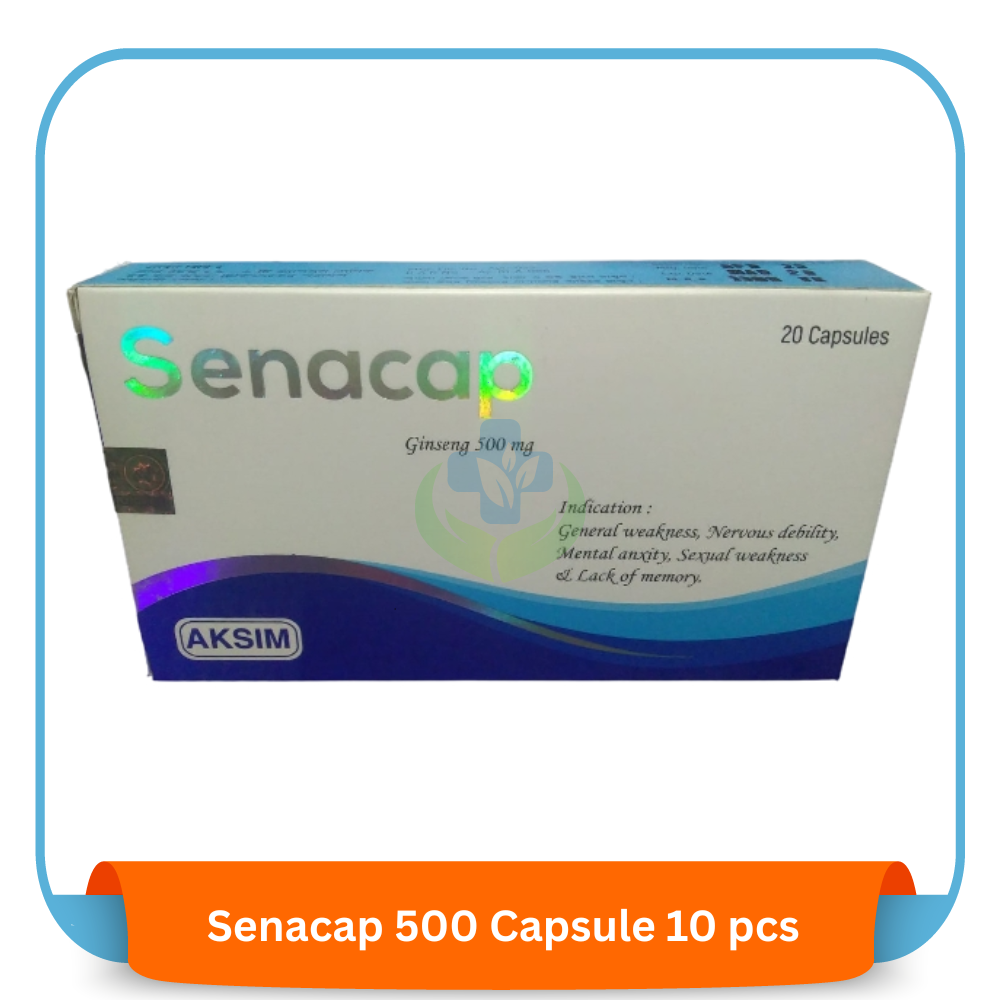
Senacap 500 Capsule 10 pcs
৳617.50 -
Xiovit D3 Pediatric Drops 30 ml
৳502.90 -
Reetor HC Cream 15 gm
৳841.30 -
Codli Cod Liver Oil 150 ml
৳1,567.50 -
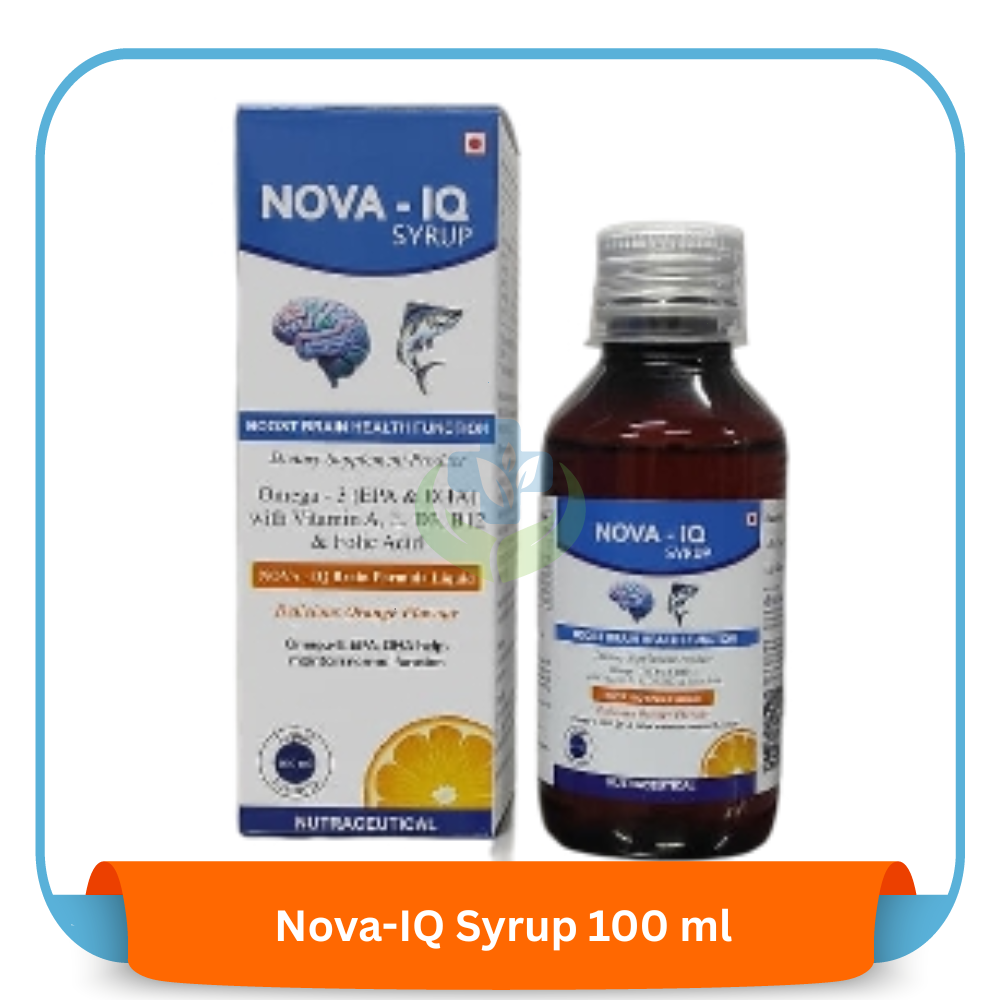
Nova-IQ Syrup 100 ml
৳714.40 -
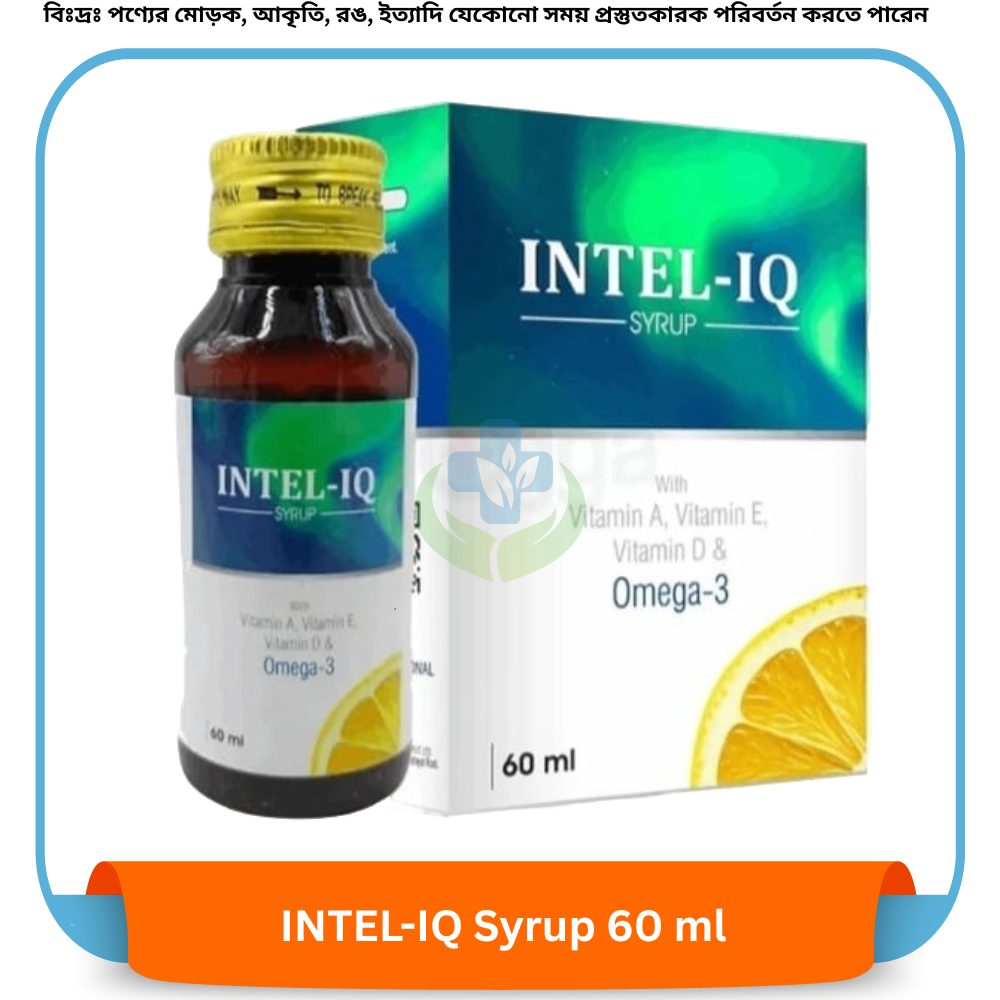
INTEL-IQ Syrup 60 ml
৳700.00
Neolina 500 (Spirulina 500) is a rich source of vitamins, minerals, and fatty acids. It's also high in the plant protein phycocyanin,
which has antioxidant and anti-inflammatory properties. Many antioxidants in
spirulina have anti-inflammatory effects in the body. Chronic inflammation
contributes to cancer and other diseases
Based on its nutrient
profile, a 500mg spirulina supplement may offer a variety of benefits,
including antioxidant and anti-inflammatory support, improved cholesterol
levels, and enhanced immune function. As with any dietary supplement, the
effects can vary, and more research is ongoing to confirm some of the more
significant health claims. A 500mg dosage is often a starting point, with many
users and manufacturers suggesting 2 to 10 tablets daily, depending on
individual needs.
Antioxidant and
anti-inflammatory properties
Neutralizes free radicals: Spirulina contains phycocyanin, an
antioxidant pigment that gives it its blue-green color. Phycocyanin can help
fight oxidative stress by neutralizing free radicals, which cause cellular
damage that contributes to disease and aging.
Reduces inflammation: The anti-inflammatory effects of spirulina
may help manage symptoms of allergic rhinitis (hay fever).
Supports immune health: Spirulina may stimulate the production of
infection-fighting white blood cells and antibodies, which strengthens your
overall immune system.
Heart and metabolic
health
Improves cholesterol: Studies have shown that supplementing with
spirulina can help reduce total cholesterol, LDL ("bad") cholesterol,
and triglyceride levels, while raising HDL ("good") cholesterol
levels. This may help lower the risk of heart disease.
May lower blood pressure: Spirulina may increase the production of
nitric oxide, a signaling molecule that helps blood vessels relax and dilate. A
review of studies suggests that doses of 1–8 grams of spirulina daily can
reduce blood pressure.
Supports blood sugar control: Research in people with type 2 diabetes
suggests that taking 0.8–8 grams of spirulina per day can significantly reduce
fasting blood sugar levels.
Potential benefits for
physical and mental wellness
Boosts energy and reduces fatigue: As a rich source of iron and B vitamins,
spirulina can support energy production. The antioxidants in spirulina may also
help reduce exercise-induced oxidative damage, which contributes to muscle
fatigue.
Supports weight management: Some evidence suggests spirulina may aid
weight loss by reducing appetite and slowing food absorption, but more research
is needed.
Enhances muscle strength and endurance: By helping to reduce exercise-induced
oxidative stress, spirulina may improve muscle strength and endurance. Some
studies also point to improved oxygen uptake during exercise.
Nutritional content
One tablespoon (7g) of
spirulina powder provides a range of nutrients:
Protein: 4g of high-quality protein, containing all essential amino
acids.
Vitamins: Contains a good amount of B vitamins, including B1
(Thiamin) and B2 (Riboflavin). It's important to note that the B12 found in
spirulina is typically a "pseudovitamin" and not an active form for
humans.
Minerals: Provides significant amounts of copper and iron, with
smaller amounts of magnesium, potassium, and manganese.
Fatty Acids: Contains a small amount of both omega-3 and omega-6 fatty
acids.
How to use spirulina
500mg tablets
Gradual start: Begin with a low dosage, such as one 500mg
tablet per day, and increase gradually to avoid digestive side effects like
gas, bloating, or diarrhea.
Recommended dosage: The total recommended daily intake is often
between 1 and 5 grams, which can translate to 2 to 10 of the 500mg tablets,
depending on the desired effect.
Timing: You can take the tablets before or after meals, or split the
dosage throughout the day. Taking them with plenty of water is recommended.
Consistency: Regular intake is advised to experience the full benefits.
Potential side effects
and warnings
While generally safe,
there are some precautions to consider:
Contamination: Spirulina can be contaminated with heavy
metals (mercury, lead) or toxins produced by other algae (microcystins) if not
sourced from a reputable, clean-water grower. Choose third-party tested
products.
Phenylketonuria (PKU): Spirulina contains the amino acid
phenylalanine and is not safe for individuals with this genetic disorder.
Autoimmune conditions: Its immune-boosting properties may be a
concern for people with autoimmune diseases.
Drug interactions: Spirulina can act as a blood thinner, so
consult a doctor if you take anticoagulant medication.
Digestive issues: Especially when starting out, some people
experience nausea, diarrhea, or an upset stomach.
Related products
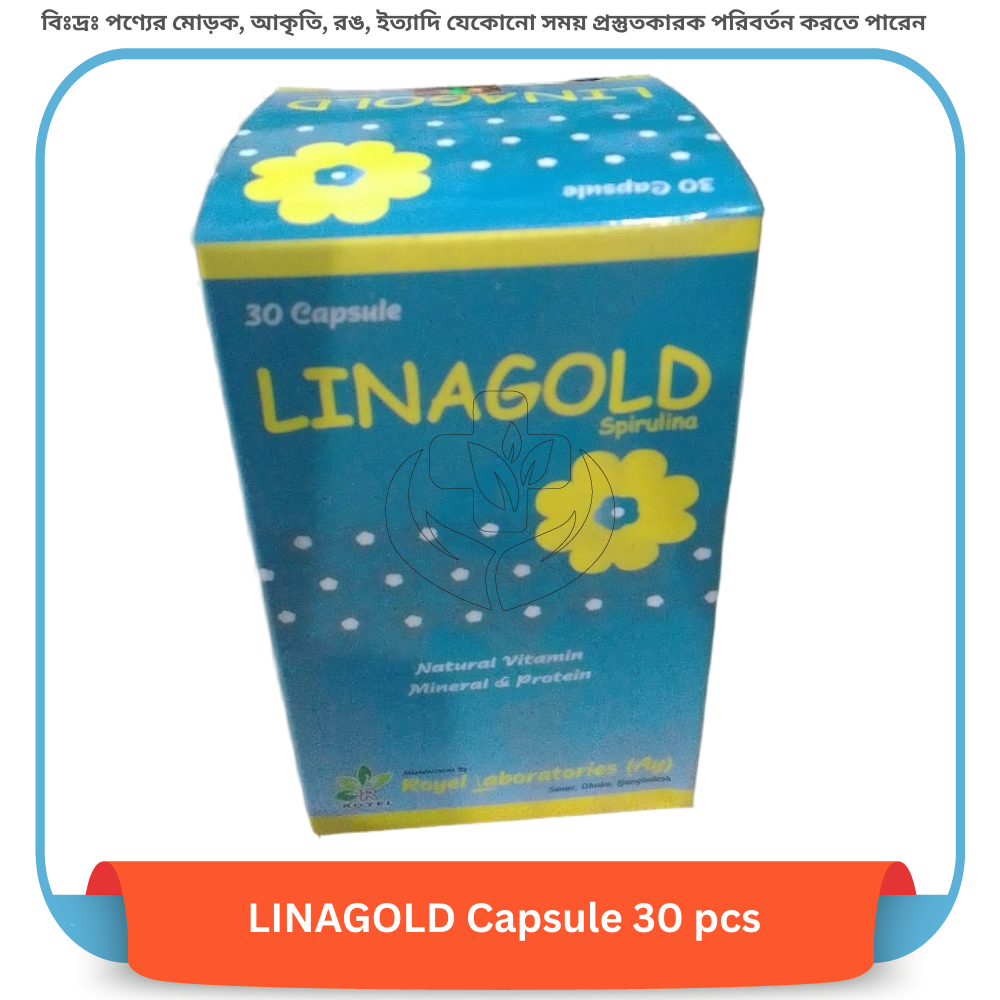
LINAGOLD Capsule 30 pcs
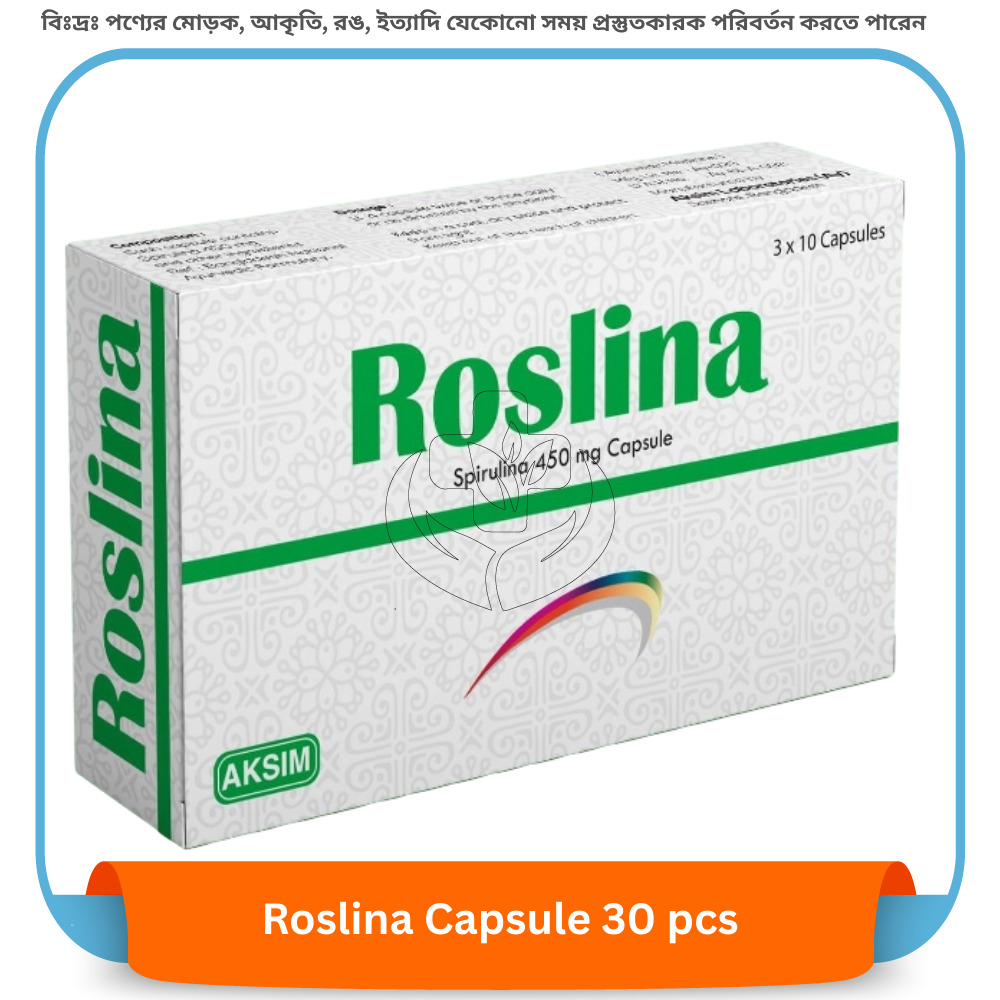
Roslina Capsule 30 pcs


Contact Info
- Address: DOHS, Mirpur, Dhaka
- Phone: 01336 242 804
- Email: order@careonbd.com