








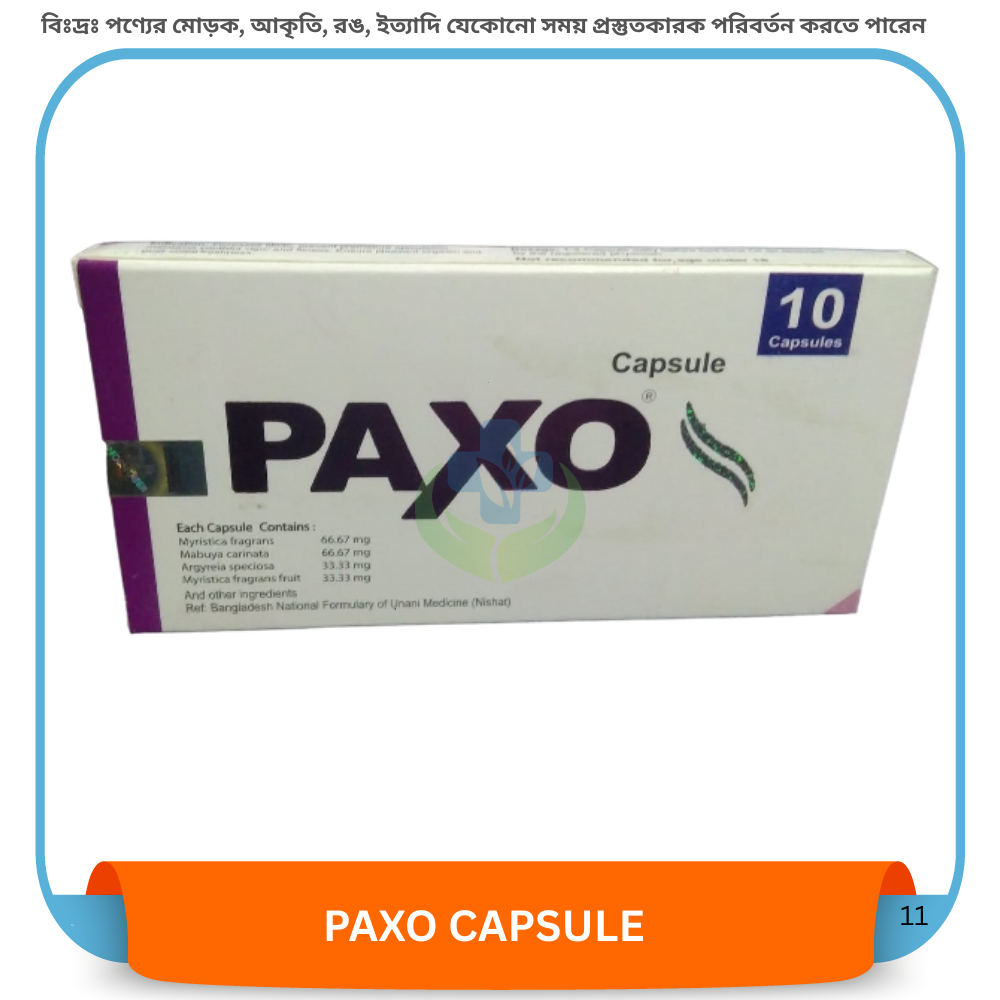
PAXO CAPSULE 10 PCS
+88 01568-208768
-

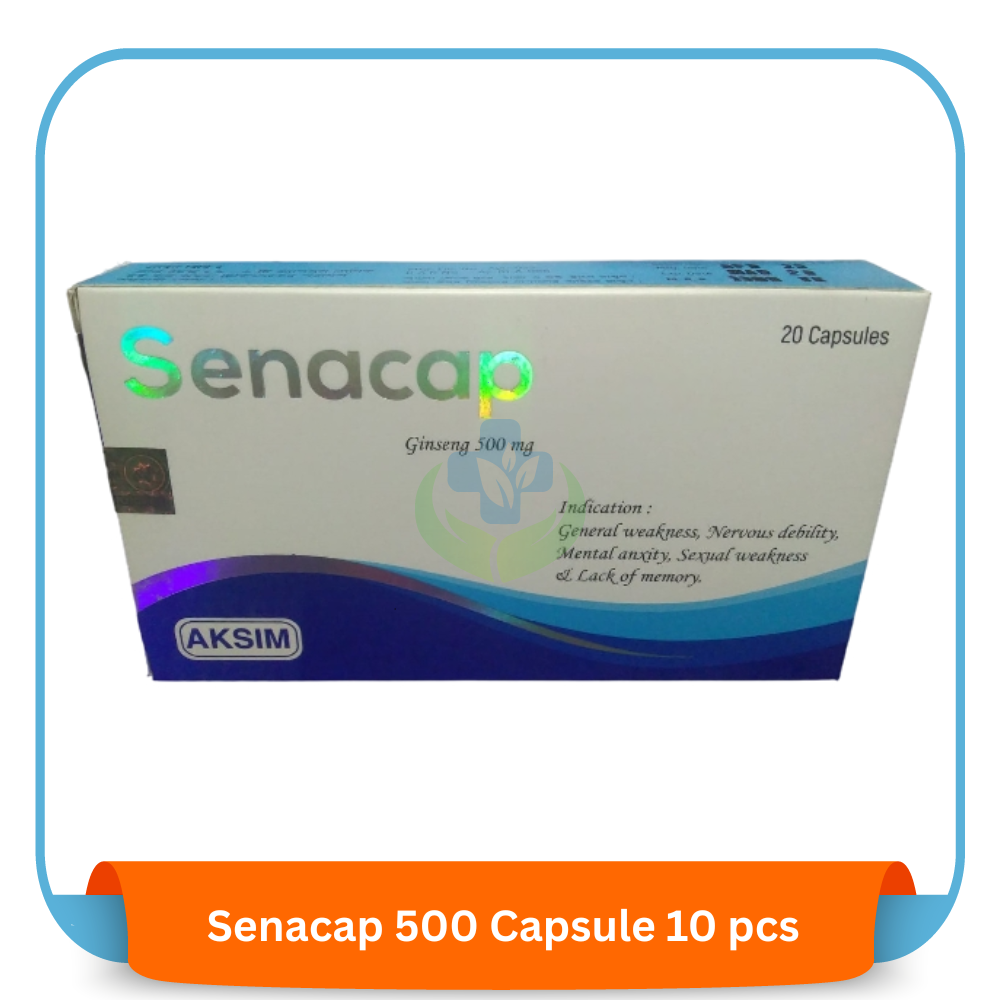
Senacap 500 Capsule 10 pcs
৳617.50 -
Xiovit D3 Pediatric Drops 30 ml
৳502.90 -
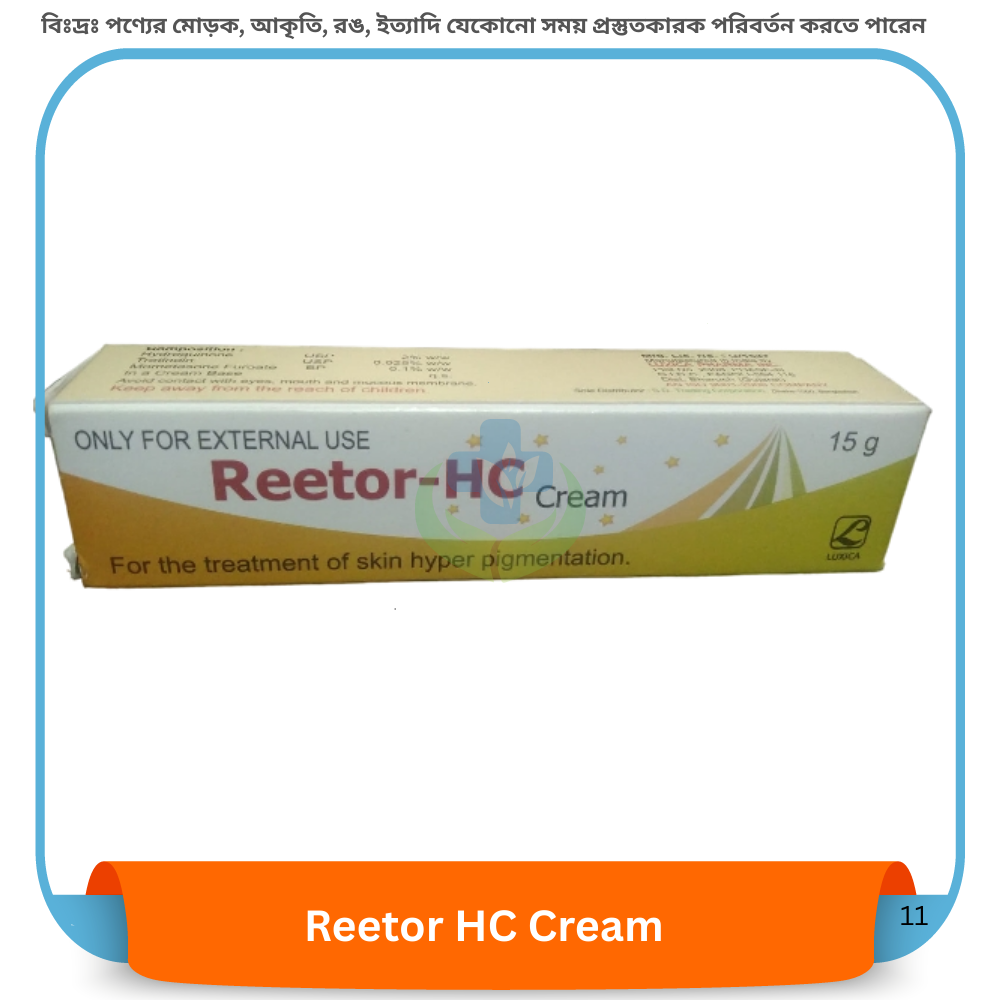
Reetor HC Cream 15 gm
৳841.30 -
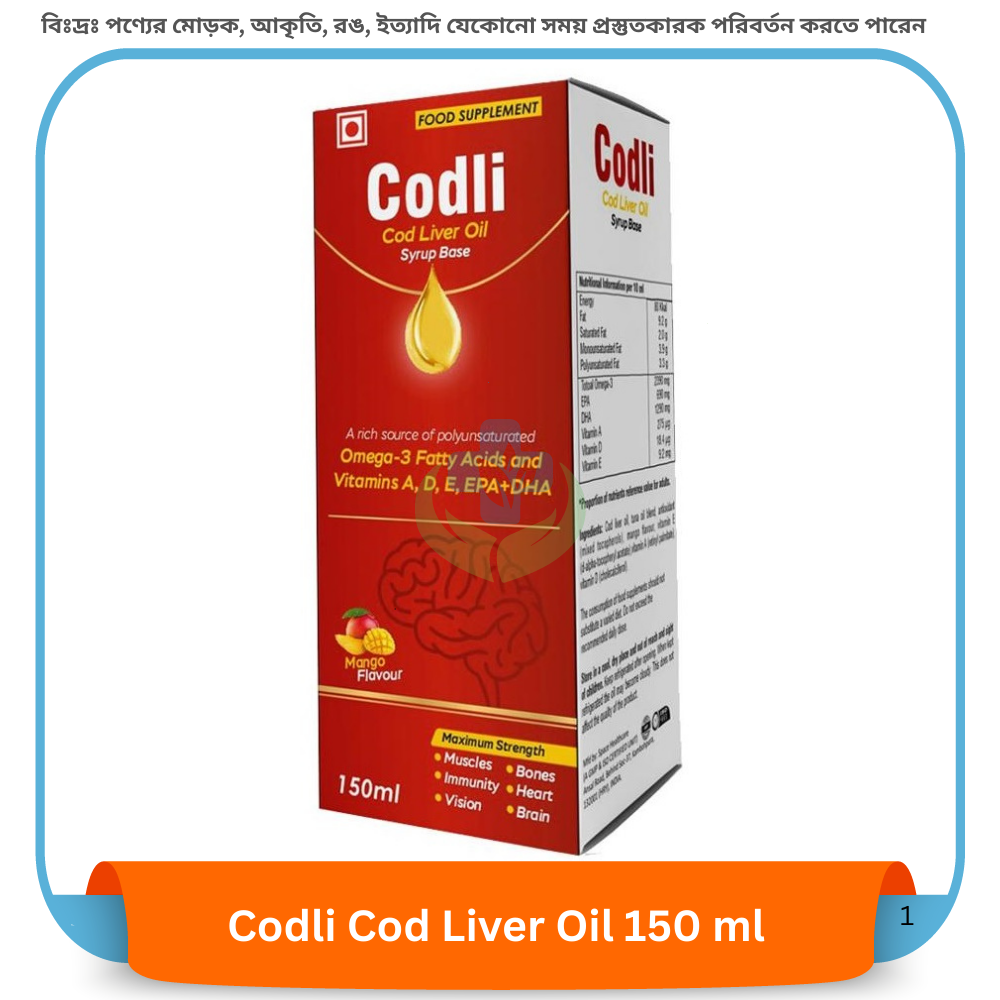
Codli Cod Liver Oil 150 ml
৳1,567.50 -
Nova-IQ Syrup 100 ml
৳714.40 -
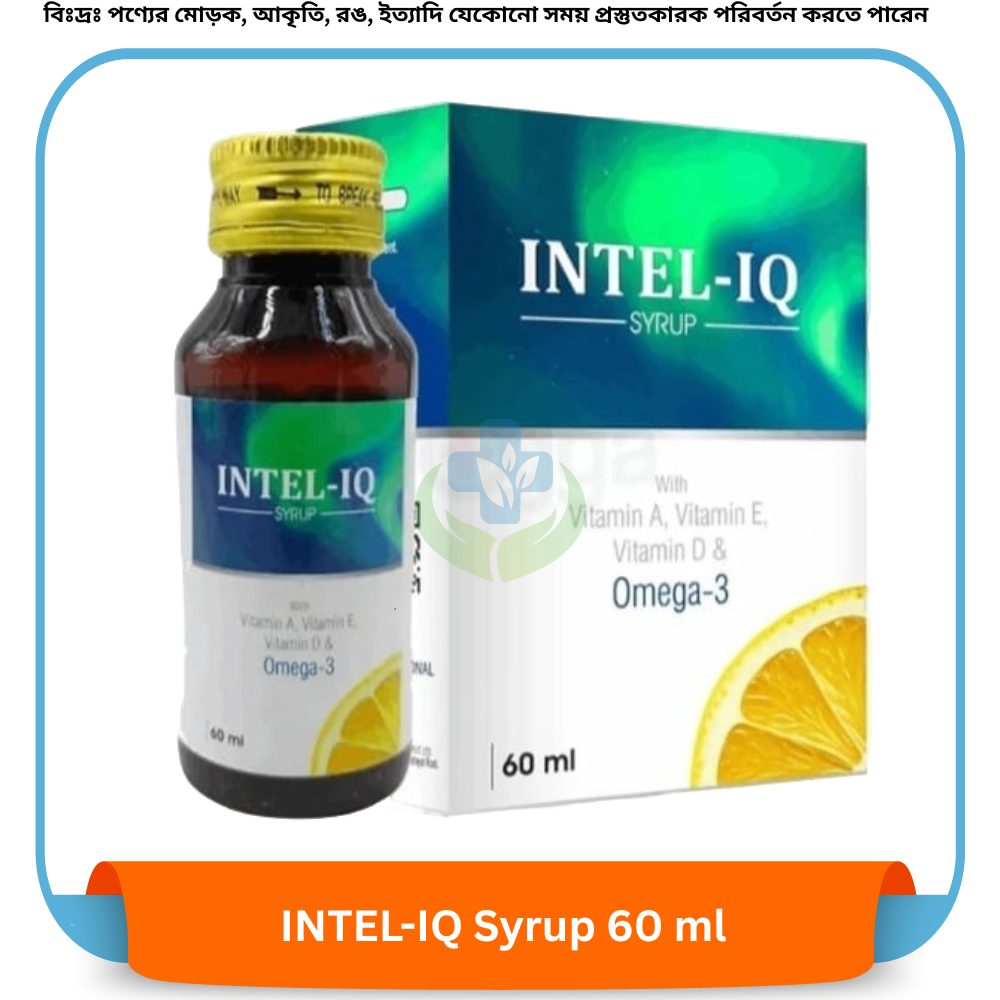
INTEL-IQ Syrup 60 ml
৳700.00


“Paxo Capsule” with three ingredients is often
combined in traditional Ayurvedic formulations to treat digestive,
neurological, and reproductive issues. Myristica Fragrans (Nutmeg)
provides warming and digestive support, Argyreia Speciosa (Elephant
Creeper) acts as a rejuvenating tonic, and Mabuya Carinata (historically
associated with specific animal-derived preparations in ancient texts) is
sometimes referenced in specialized traditional contexts, though it is not a
common plant-based herb.
Myristica Fragrans (Nutmeg)
Nutmeg is the dried seed of the fruit
from the Myristica fragrans tree.
Benefits:
Ø Digestive Health: Used to
treat diarrhea, gas, and stomach spasms.
Ø Pain Relief: Applied
topically or taken to relieve pain from mouth sores or toothaches.
Ø Mental Health: Historically
used for anxiety and insomnia.
Ø Other: Hypoglycemic
effects for blood sugar control and aphrodisiac properties.
Administration:
Ø Powder: Traditionally
used in lower amounts.
Ø Capsule: Follow
specific product labeling; however, clinical trials for therapeutic dosing
are lacking.
Side Effects:
Ø Intoxication: Large amounts
can cause hallucinations, confusion,
and dizziness.
Ø Physical: Tachycardia
(rapid heartbeat), nausea, vomiting, and dry mouth.
Ø Serious: Seizures and
death have been reported in extreme cases of overdose.
Argyreia Speciosa (Elephant Creeper / Vruddhadaru)
This is a "Rasayana"
(rejuvenating) herb used extensively in Ayurveda as an adaptogen.
Benefits:
Ø Rejuvenation: Known
as anti-aging and used to improve strength and immunity.
Ø Nervous System: Used
for rheumatism and neurological disorders.
Ø Reproductive Health: Improves sperm
quality and acts as an aphrodisiac.
Ø Digestive: Treats indigestion,
bloating, and constipation.
Administration:
Ø Root Powder: Used in
traditional preparations.
Ø Decoction: Used in
traditional preparations.
Side Effects:
Ø Psychotropic
Effects: Seeds contain ergoline alkaloids (like ergine) and can
cause hallucinations or mental confusion.
Ø Safety: Consult a
professional due to potential interactions with medications.
Mabuya Carinata
In modern herbalism, this refers to the Common Grass Skink. It is not a plant but is historically mentioned in ancient Unani or Ayurvedic texts for very specific traditional preparations (often involving detoxification). Its use in standard commercial capsules is rare and should be approached with extreme caution as it is not a standard supplement.
Related products

Afrogin 250 Capsule 30 pcs
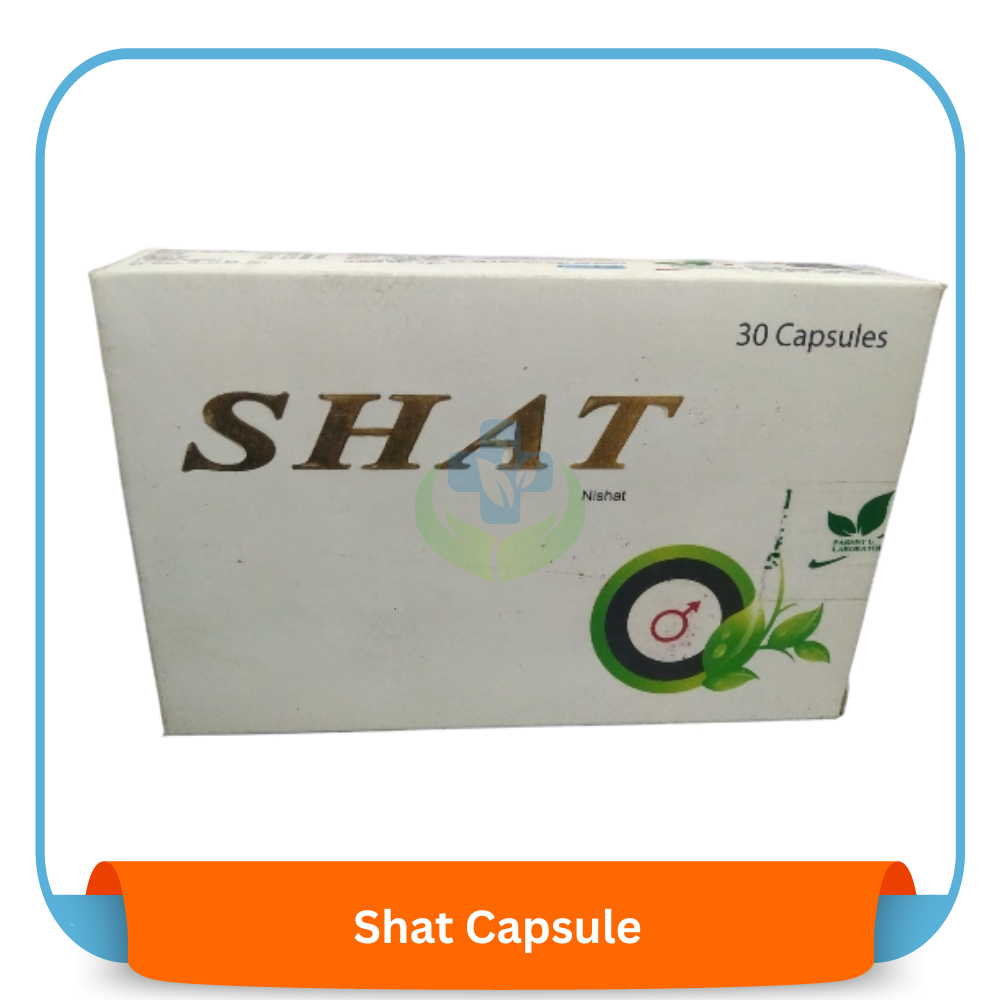
Shat Capsule 10 pcs


Contact Info
- Address: DOHS, Mirpur, Dhaka
- Phone: 01336 242 804
- Email: order@careonbd.com