







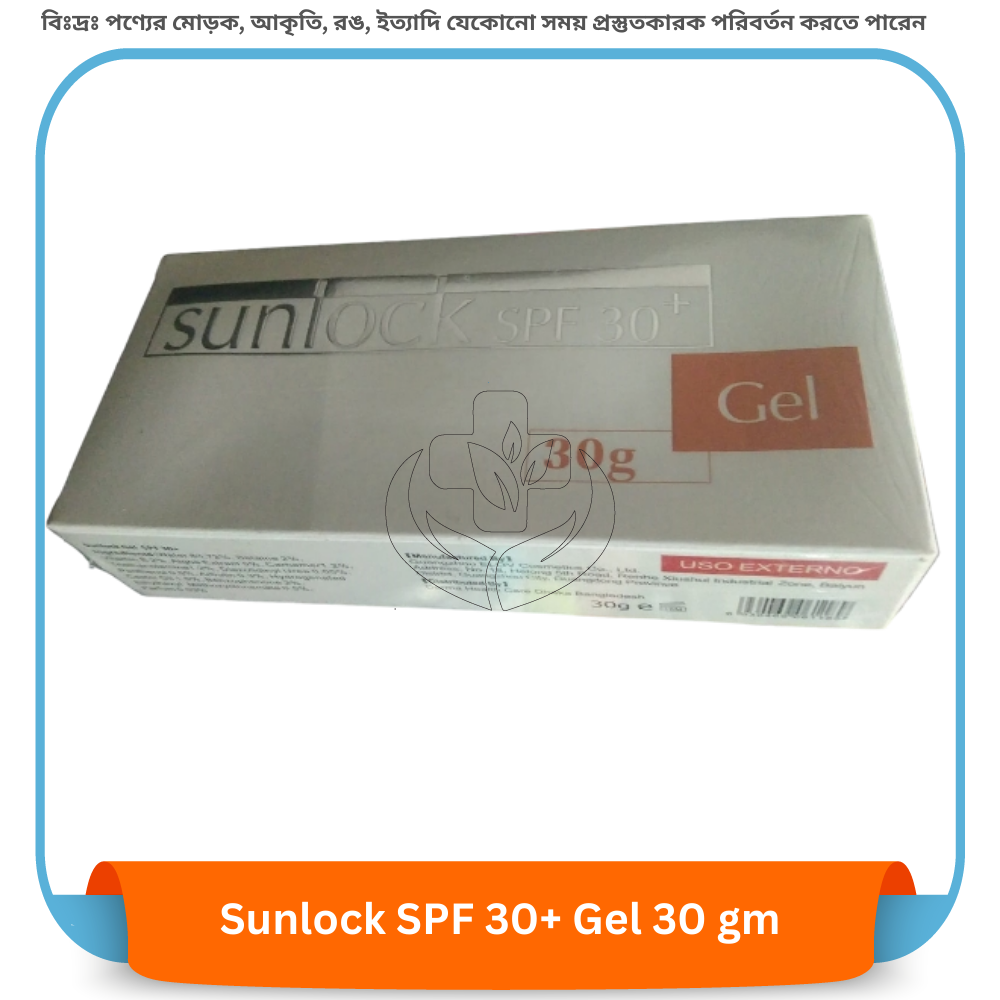
Sunlock SPF 30+ Gel 30 gm
+88 01568-208768
-

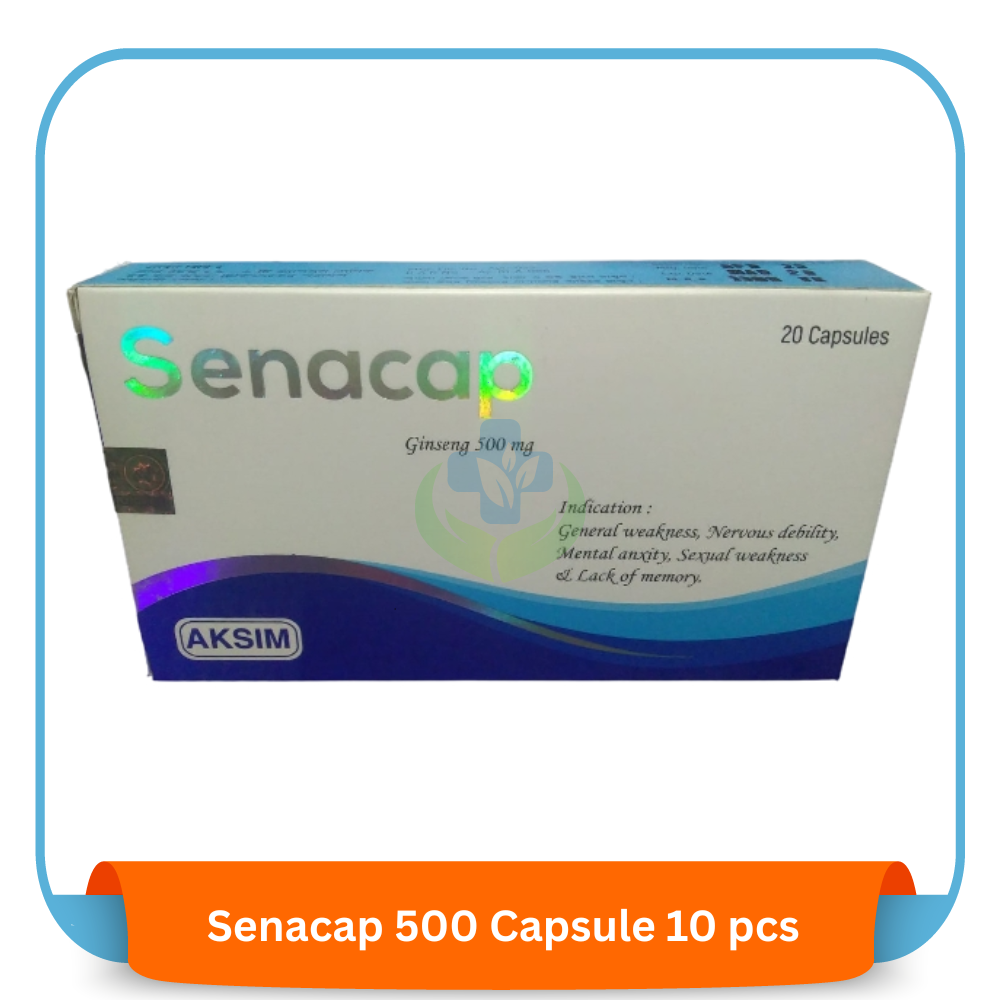
Senacap 500 Capsule 10 pcs
৳617.50 -
Xiovit D3 Pediatric Drops 30 ml
৳502.90 -
Reetor HC Cream 15 gm
৳841.30 -
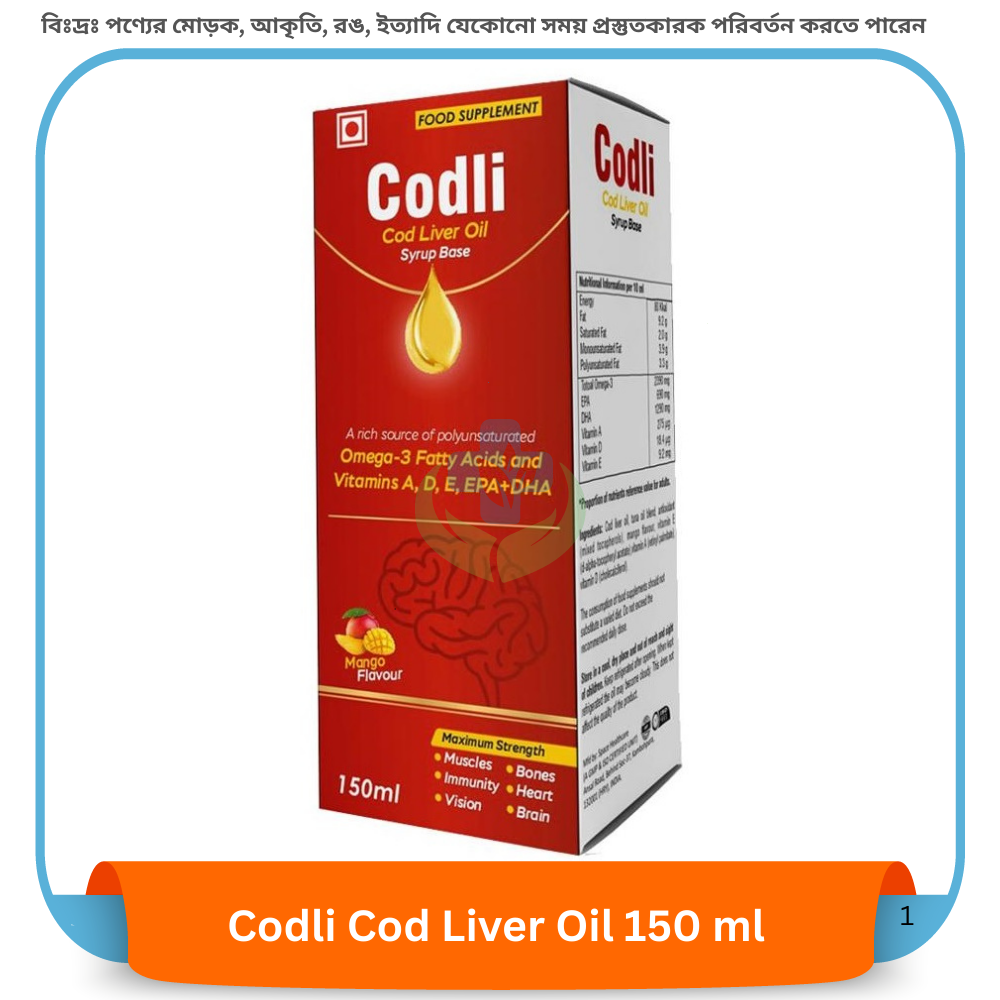
Codli Cod Liver Oil 150 ml
৳1,567.50 -
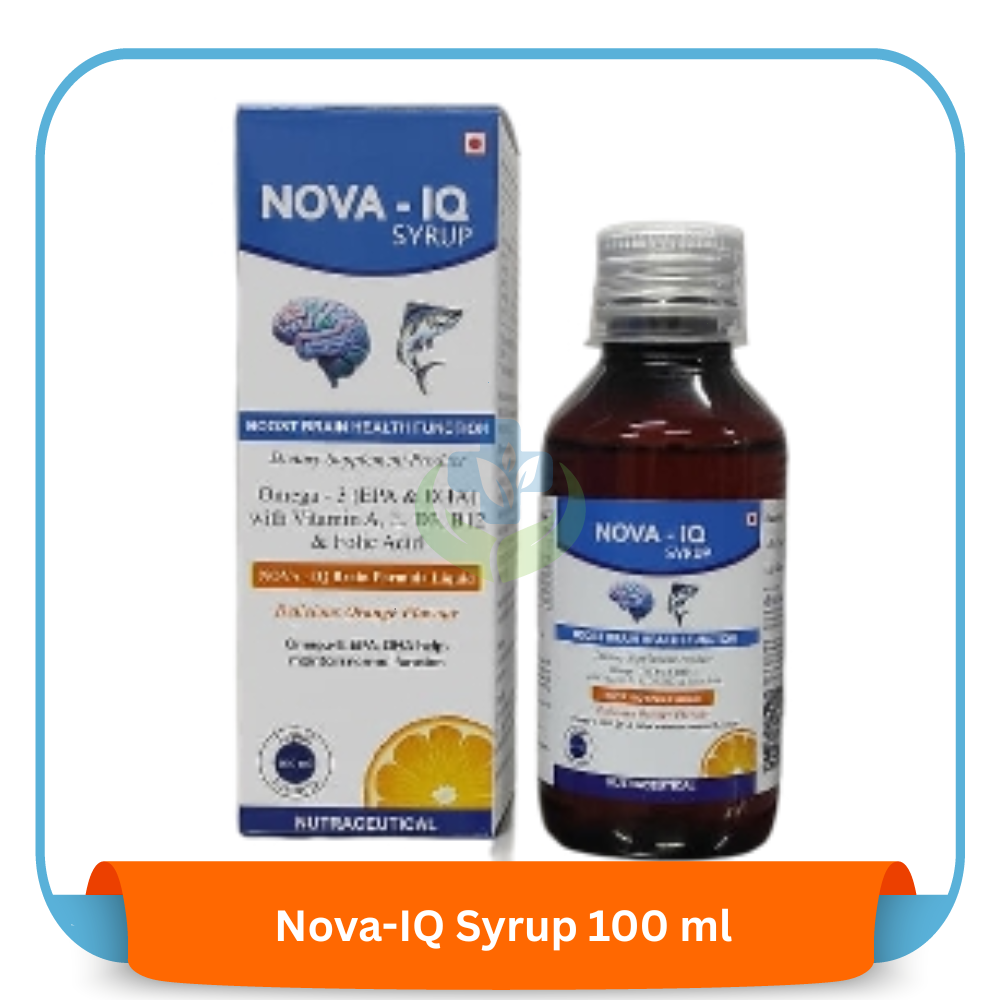
Nova-IQ Syrup 100 ml
৳714.40 -
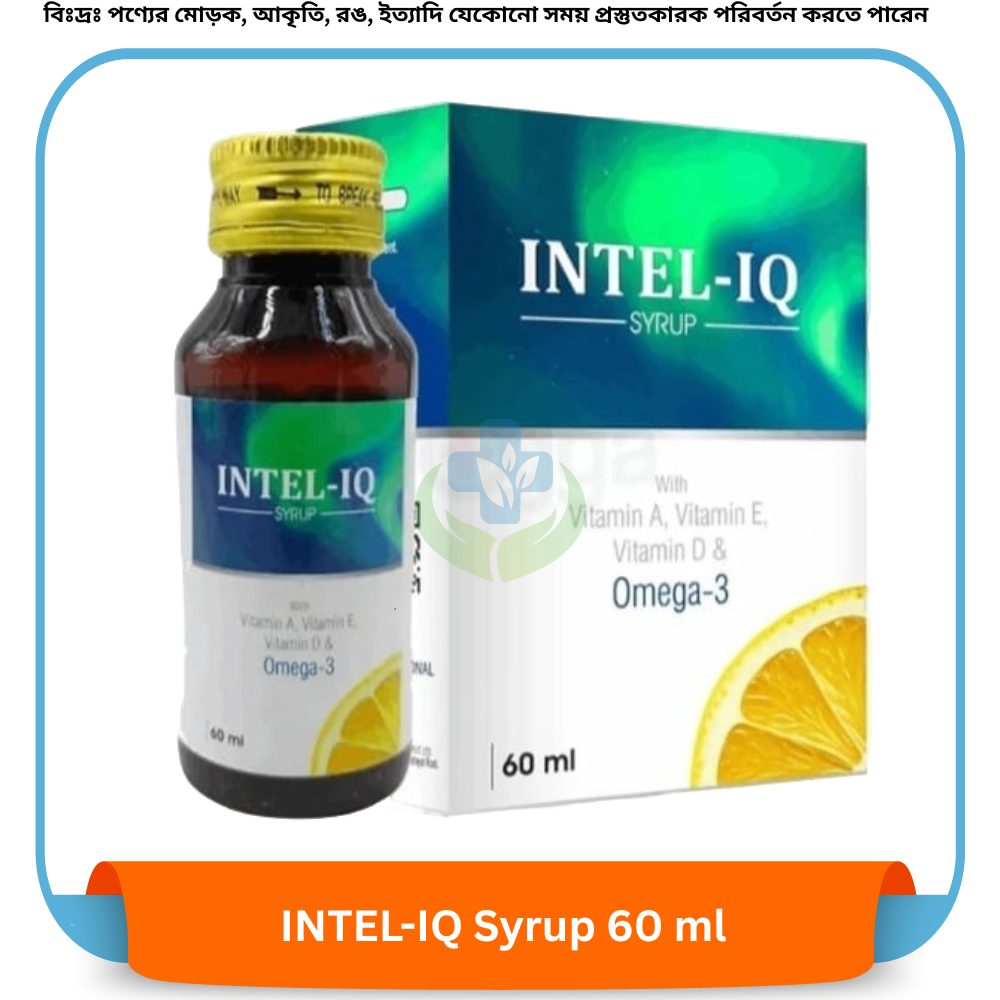
INTEL-IQ Syrup 60 ml
৳700.00
Sunlock SPF 30+ Gel is a sun protection product
manufactured by Derma Health Care that is formulated to shield the skin from
the harmful effects of the sun, such as sunburn and premature aging. Its gel
formula is particularly suitable for individuals with oily or combination skin,
as it is non-greasy and non-comedogenic (does not clog pores).
Benefits of Sunlock SPF 30+ Gel:
Ø Broad-Spectrum Protection: Provides a physical and
chemical barrier to protect against both UVA and UVB radiation, which helps
prevent sunburn and sun damage.
Ø Matte, Non-Greasy Finish: The gel texture ensures
quick absorption and leaves a matte finish on the skin, controlling excess
shine.
Ø Water-Resistant: Offers very waterproof
sun protection, meeting EU recommendations for optimal UVA/UVB defense during
activities like swimming or hiking.
Ø Prevents Premature Aging: By
shielding the skin from UV rays, it helps reduce the appearance of wrinkles,
fine lines, and sun-induced pigmentation.
Ingredients of Sunlock SPF 30+ Gel:
The
active ingredients listed for Sunlock SPF 30+ Gel include:
Ø Sodium Laureth-8 Sulfate (8%)
Ø Ethylhexyl Methoxycinnamate (6%) (also
known as Octinoxate)
Ø Titanium Dioxide (8%)
Ø Benzophenone-2 (2%) (also
known as Dioxybenzone)
Usage Instruction of Sunlock SPF 30+
Gel:
Ø
Cleanse and Tone: For best results,
cleanse your skin first.
Ø
Apply Generously: Apply an appropriate,
generous amount to your face, neck, and any other exposed skin areas.
Ø
Timing: Apply
approximately 10–15 minutes before sun exposure to
allow the product to absorb fully.
Ø
Massage: Gently massage the gel
into the skin until it is fully absorbed.
Ø
Reapply: Reapply
every 2-3 hours, or after swimming, excessive sweating, or towel drying, to
maintain optimal protection.
Ø
Daily Use: It
is suitable for daily use, even on cloudy days.
Side Effects of Sunlock SPF 30+ Gel:
As
with many sunscreens, potential side effects are generally mild and localized.
If severe irritation occurs, discontinue use. Possible side effects may
include:
Ø
Skin irritation
Ø Redness
Ø Itching
or a burning sensation
Ø Allergic reactions (e.g., rash, hives)
Related products
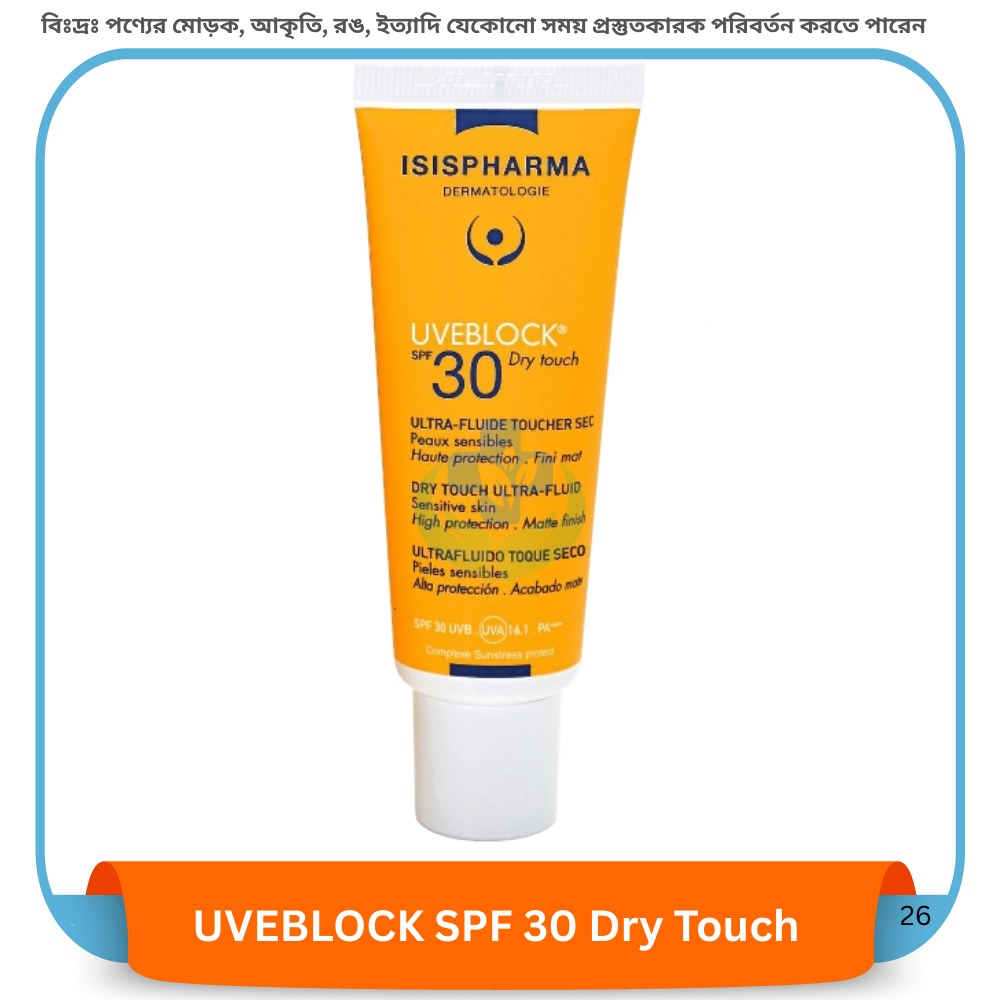
UVEBLOCK SPF 30 Dry Touch 40 ml


Contact Info
- Address: DOHS, Mirpur, Dhaka
- Phone: 01336 242 804
- Email: order@careonbd.com