









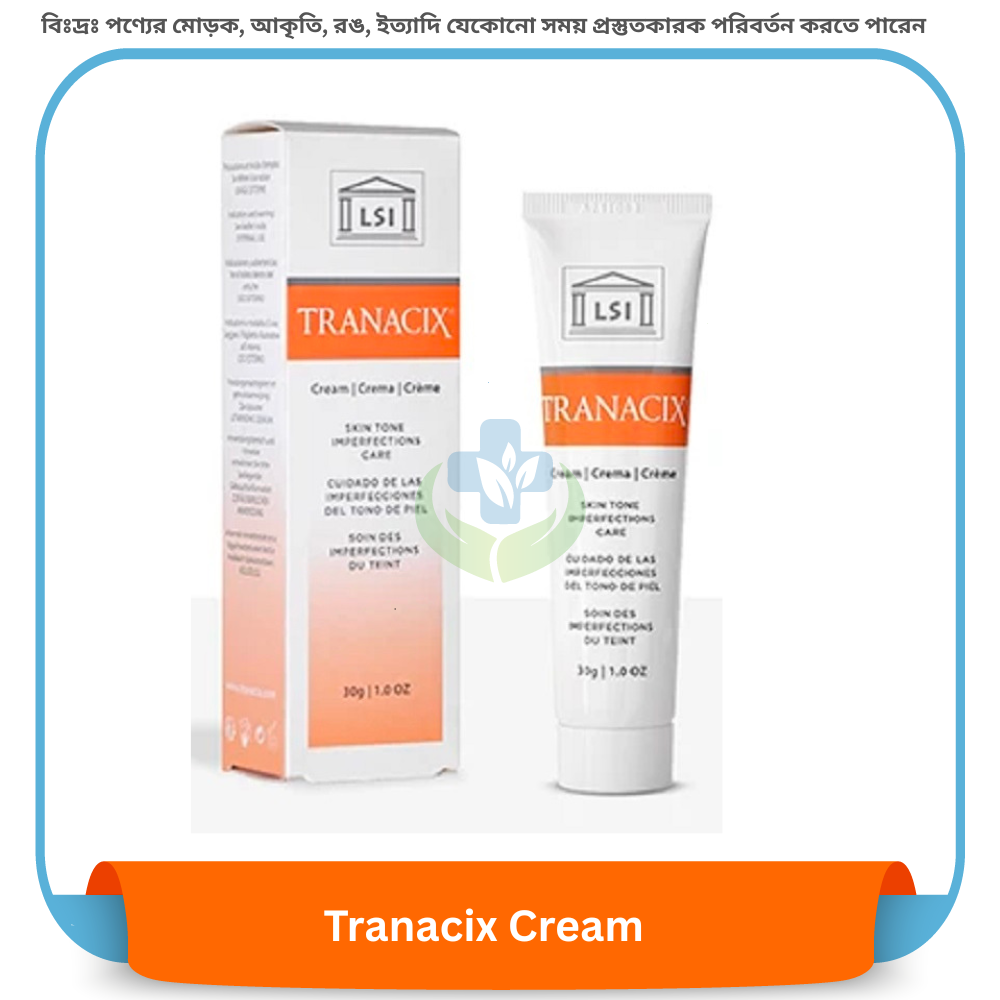
TRANACIX Cream 30 gm
+88 01568-208768
-

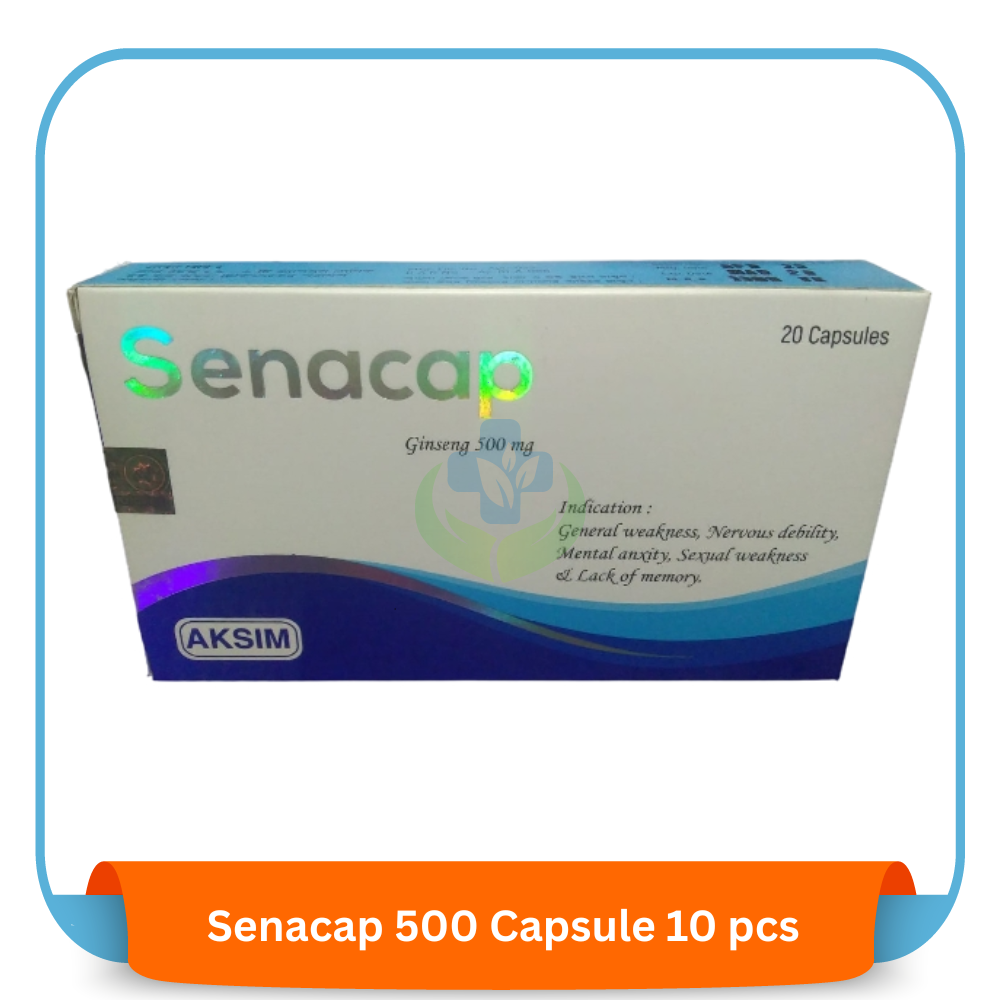
Senacap 500 Capsule 10 pcs
৳617.50 -
Xiovit D3 Pediatric Drops 30 ml
৳502.90 -
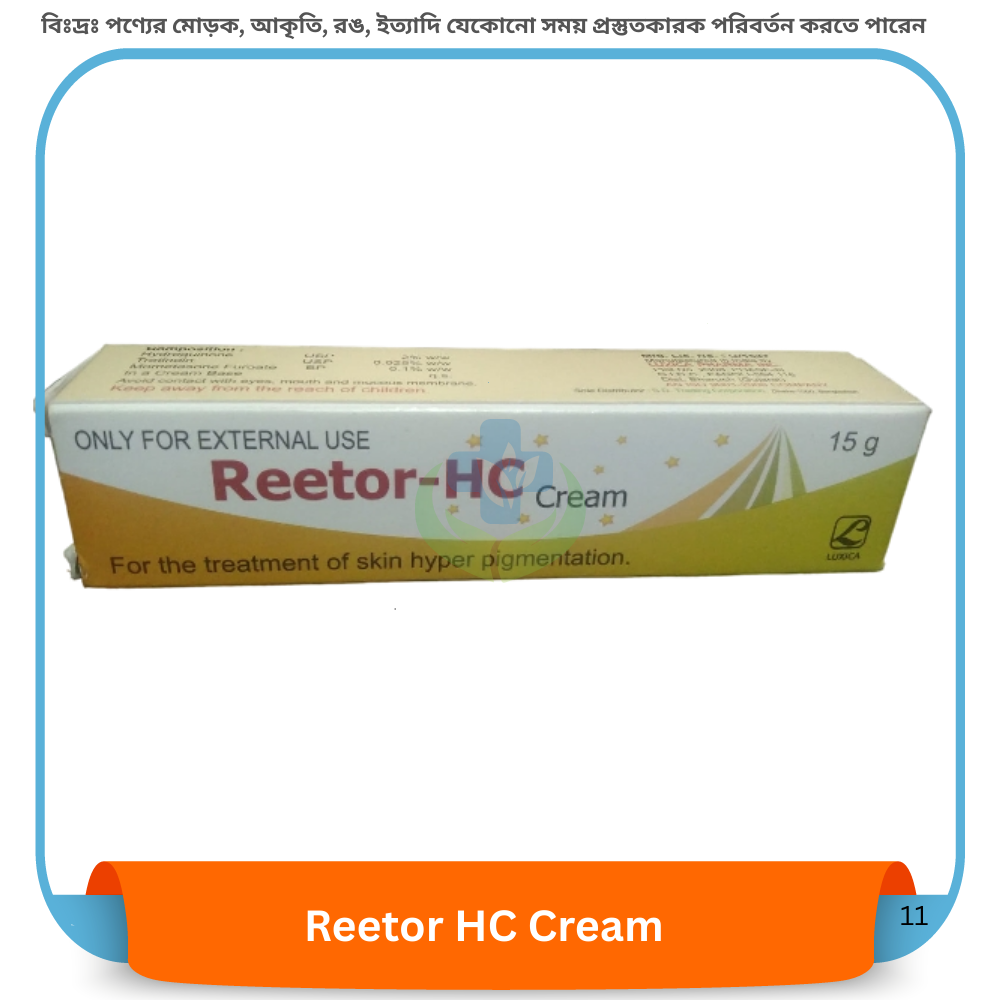
Reetor HC Cream 15 gm
৳841.30 -
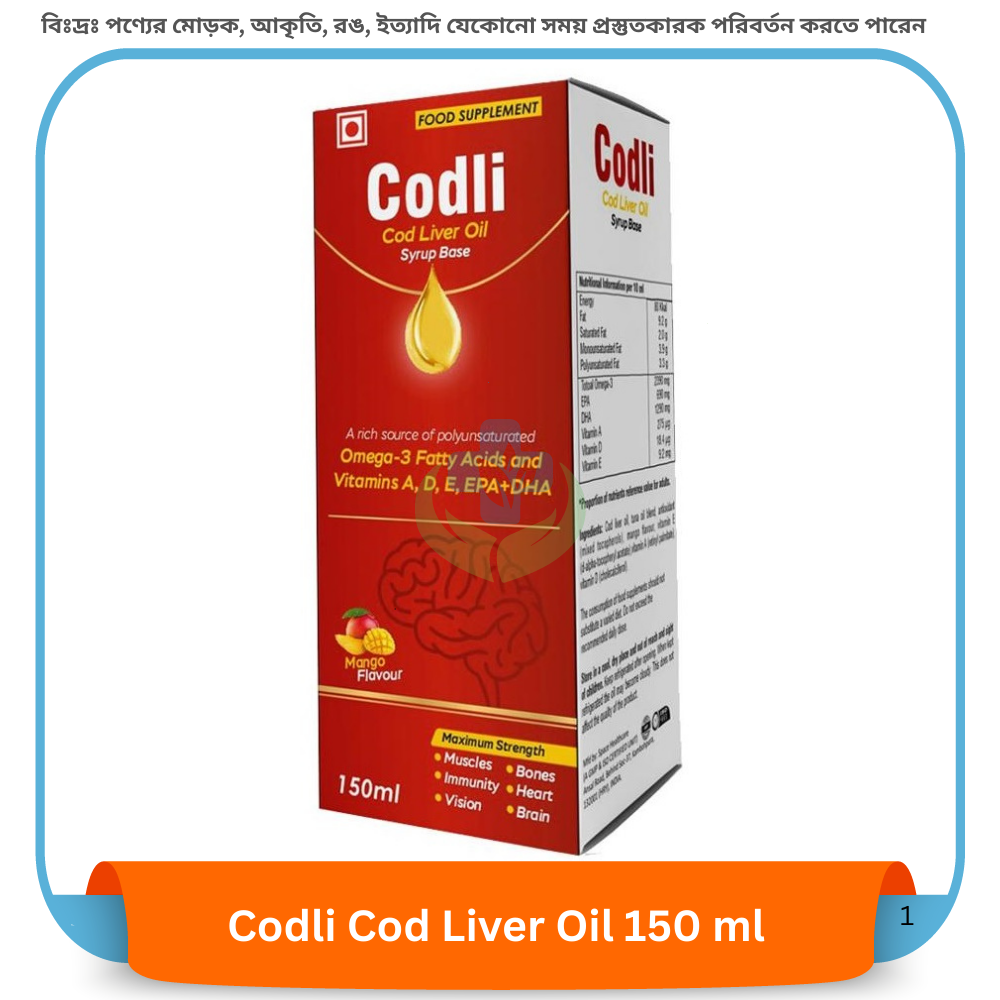
Codli Cod Liver Oil 150 ml
৳1,567.50 -
Nova-IQ Syrup 100 ml
৳714.40 -
INTEL-IQ Syrup 60 ml
৳700.00


TRANACIX
Cream offers a revolutionary
formula to address various skin discoloration issues, such as melasma and dark
spots, promoting a more even and luminous complexion. Developed in France, this
cream utilizes tranexamic acid, an ingredient with anti-inflammatory properties
and the ability to suppress melanin production, the pigment responsible for
dark spots. Its high-absorption, non-greasy formula makes it suitable for use
under makeup.
Benefits
of TRANACIX Cream:
Ø Reduces Melasma: Effectively targets the
brown or gray patches on the face caused by hormonal imbalances or sun
exposure.
Ø Fades Dark Spots: Diminishes
hyperpigmentation resulting from acne scars, sun damage, or other skin
injuries.
Ø Minimizes Redness: Calms and treats
underlying causes of redness often associated with pigmentation issues or
conditions like rosacea.
Ø Prevents Future Discoloration: Helps regulate melanin
production to stop new dark spots from forming.
Ø Improves Overall Skin Tone: Leads to a smoother,
more radiant, and balanced complexion.
Ingredients
of TRANACIX Cream:
The
primary active ingredient is Tranexamic Acid (3%). The cream also
contains other ingredients to ensure stability and skin health, which may
include:
Ø Aqua
(water)
Ø Glycerin
Ø Tocopherol
(Vitamin E)
Ø Citric Acid
Ø Propylene
Glycol
Uses of
TRANACIX Cream:
TRANACIX
Cream is used topically to treat skin tone imperfections.
Ø Application: Apply
a small amount to perfectly clean, affected areas of the skin twice daily,
typically in the morning and at night.
Ø Routine: Gently massage the
cream until completely absorbed. Makeup can be applied afterward.
Ø Duration: For
optimal results, consistent use for at least 3 months is often recommended.
Ø Caution: Avoid application on
damaged skin and contact with eyes and mucous membranes.
Side
Effects of TRANACIX Cream:
Topical
application of tranexamic acid is generally well-tolerated, with side effects
typically being minor and localized. Possible side effects include:
Ø Skin irritation
Ø Dryness
or flakiness
Ø Mild
allergic reactions
Ø Increased sun sensitivity
Related products
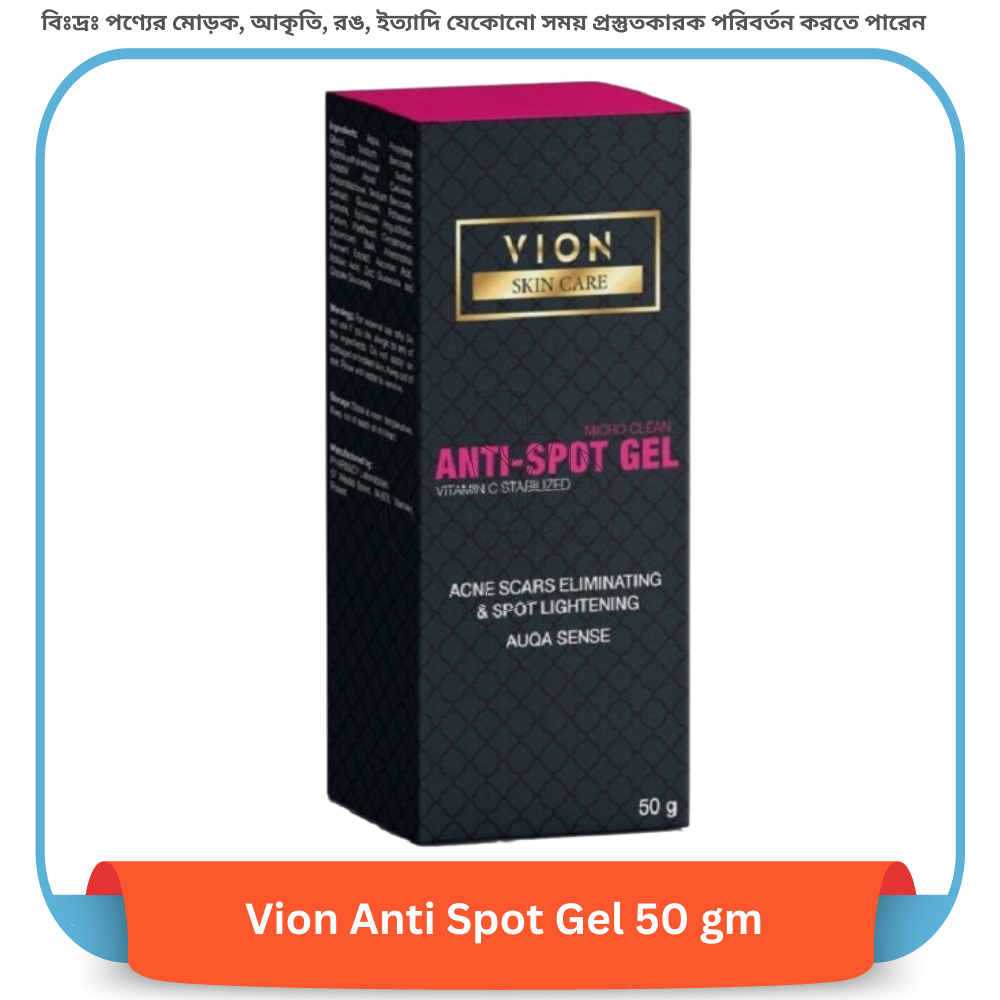
Vion Anti Spot Gel 50 gm
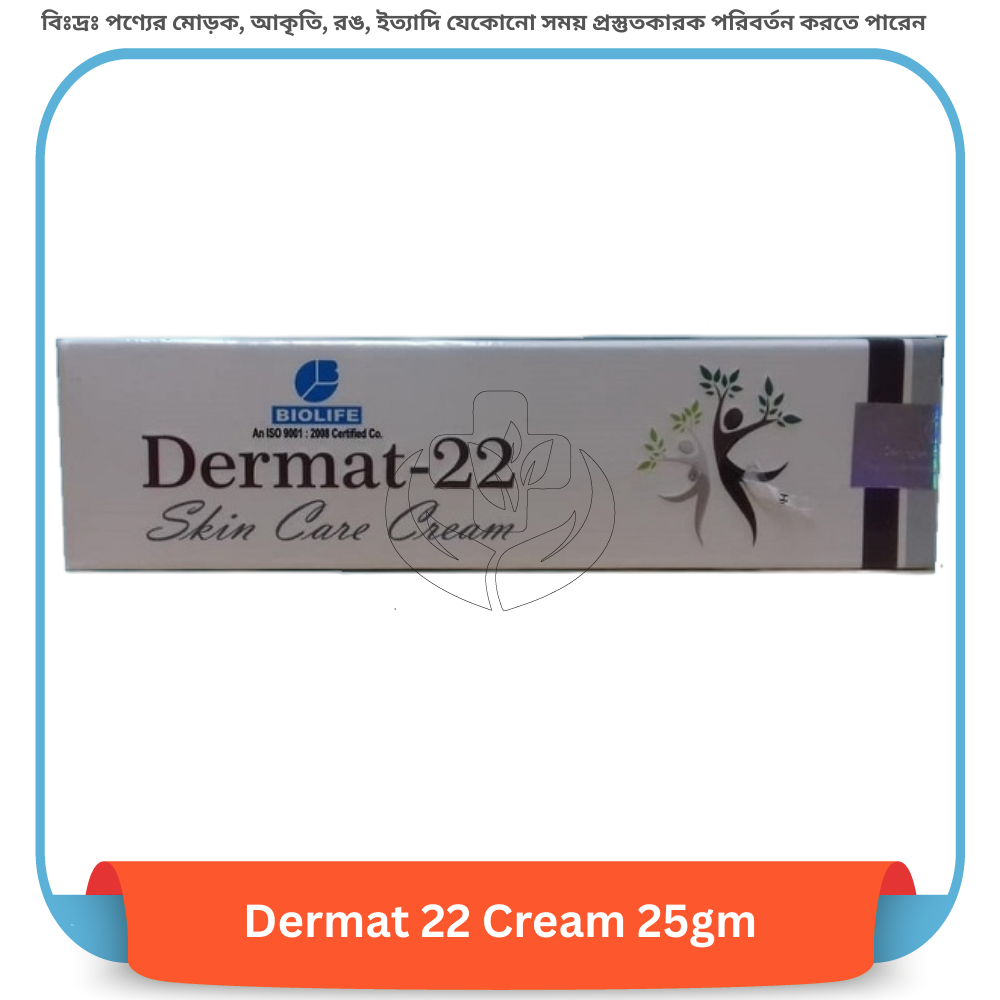
Dermat 22 Cream 25gm
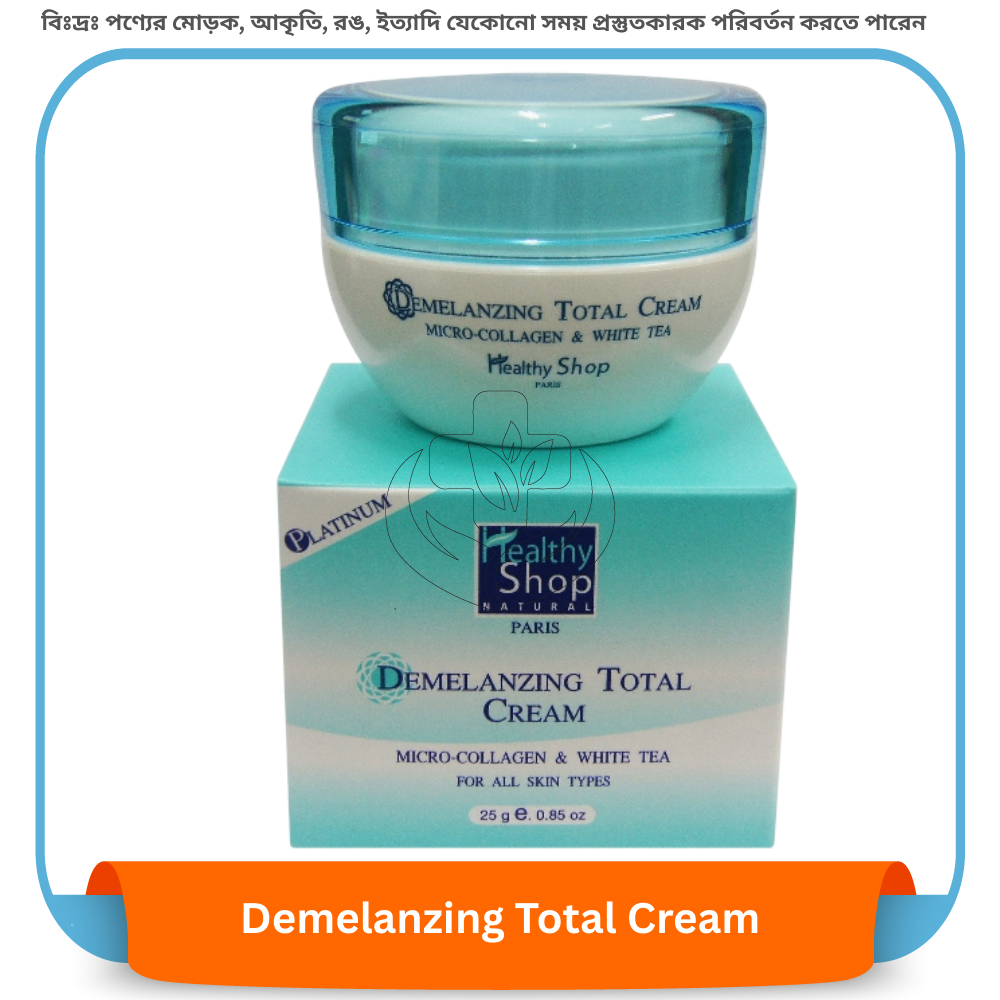
Healthy Soap Demelanzing Total Cream 15 gm
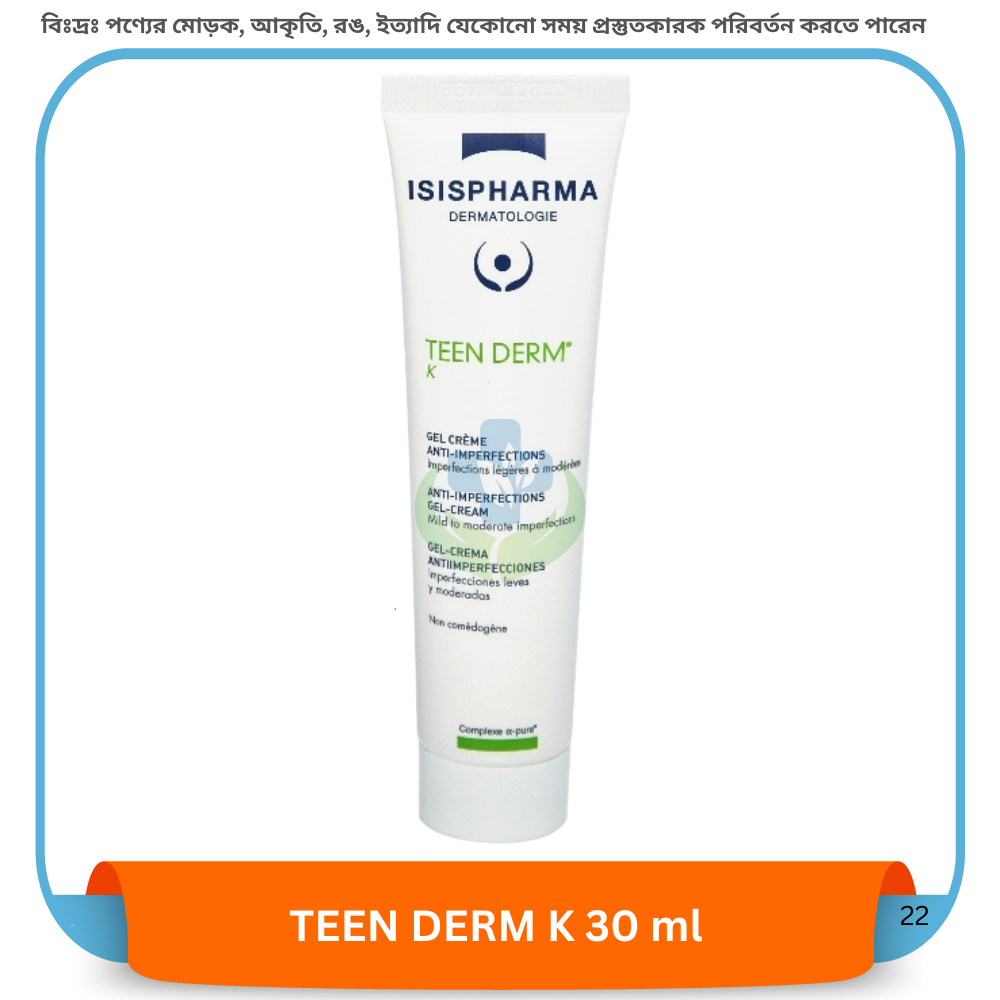
TEEN DERM K 30 ml
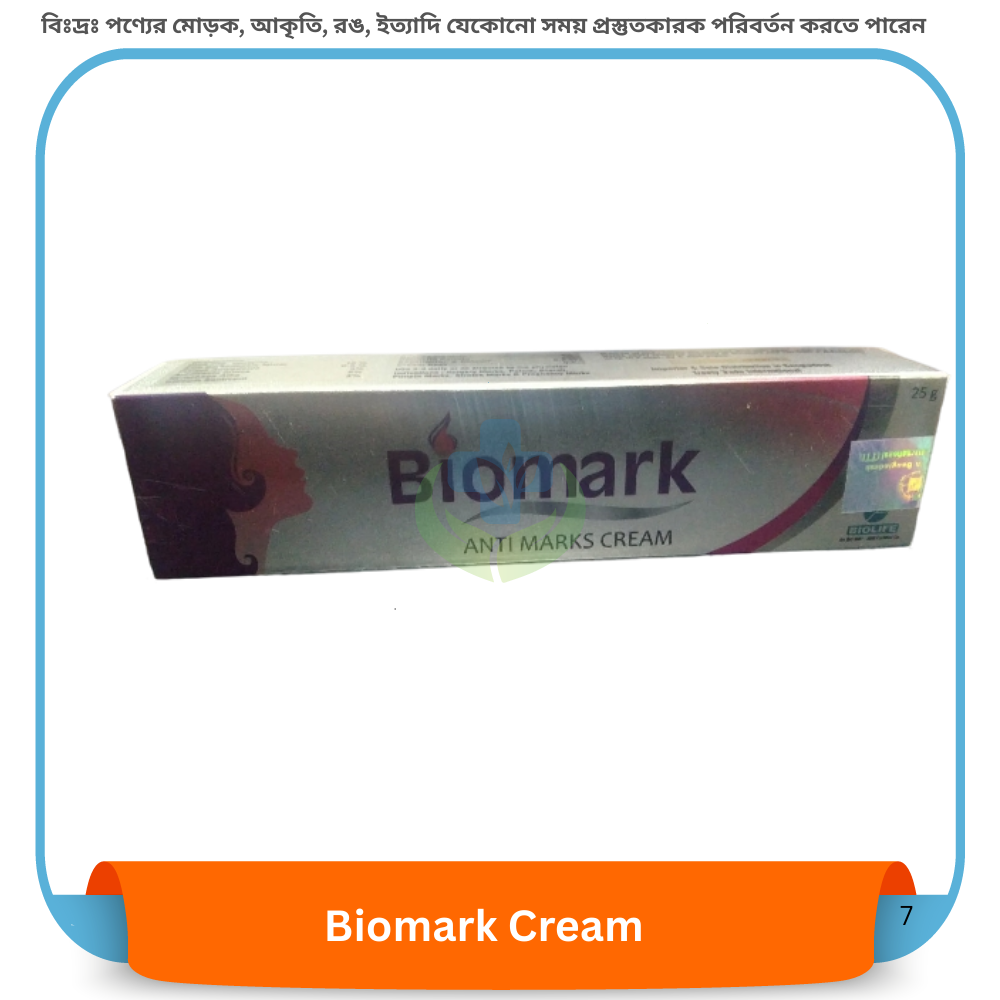
Biomark Cream 25 gm

Pignil Plus Cream 30 gm

Bionike Defence B-Lucent Drop On Focuse 15ml
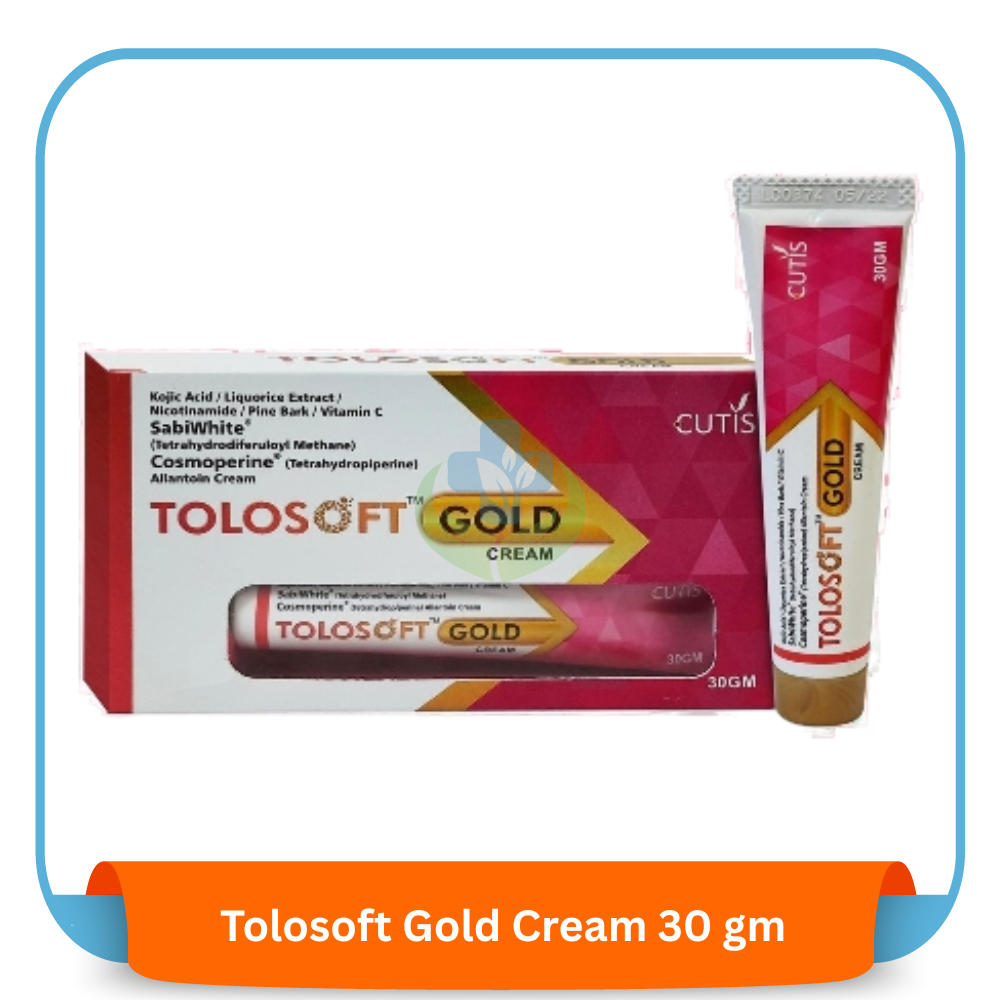
Tolosoft Gold Cream 30 gm


Contact Info
- Address: DOHS, Mirpur, Dhaka
- Phone: 01336 242 804
- Email: order@careonbd.com