









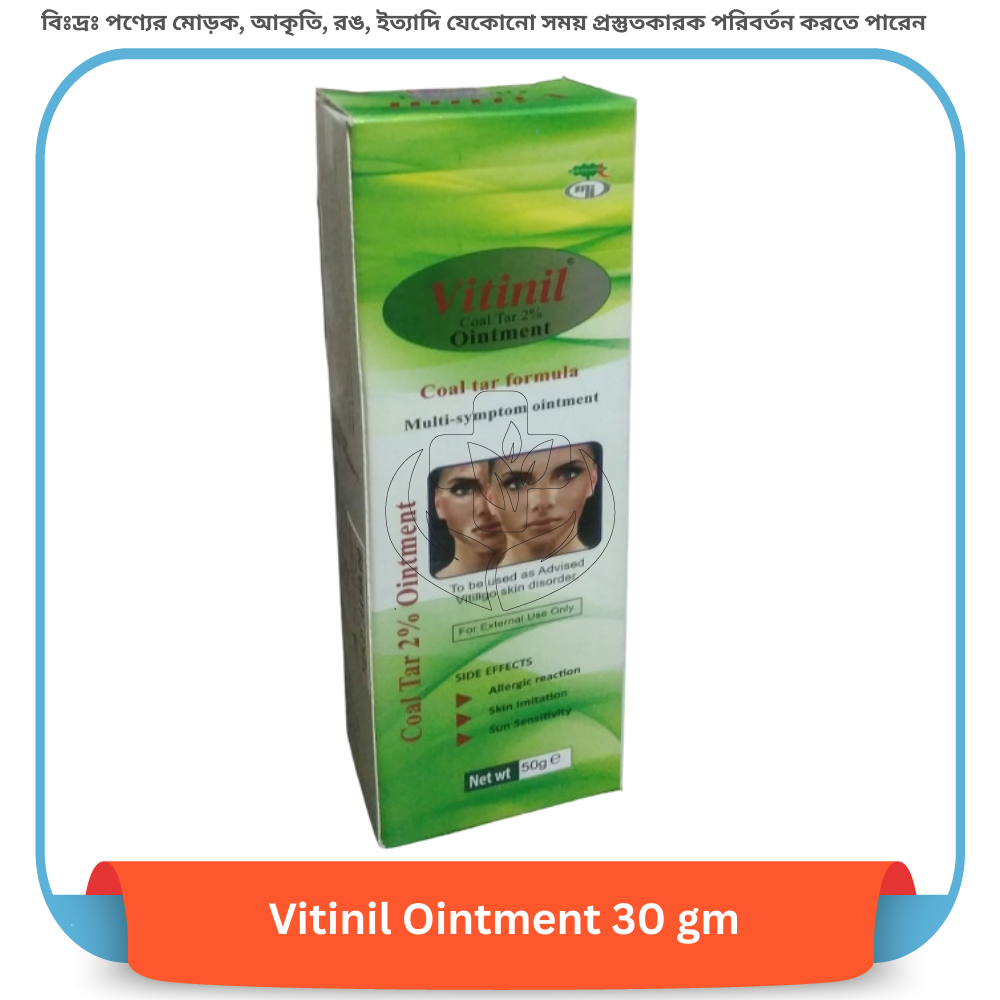
Vitinil Ointment 50 gm
+88 01568-208768
-

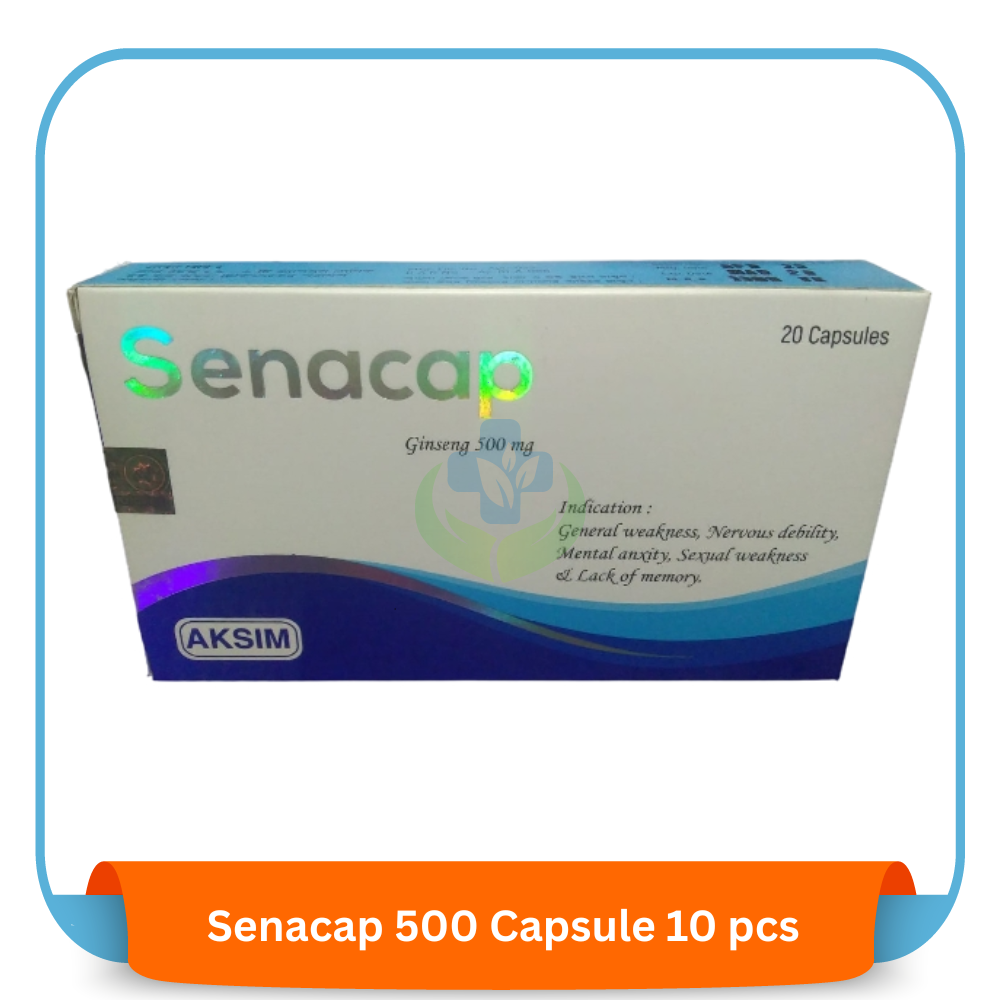
Senacap 500 Capsule 10 pcs
৳617.50 -
Xiovit D3 Pediatric Drops 30 ml
৳502.90 -
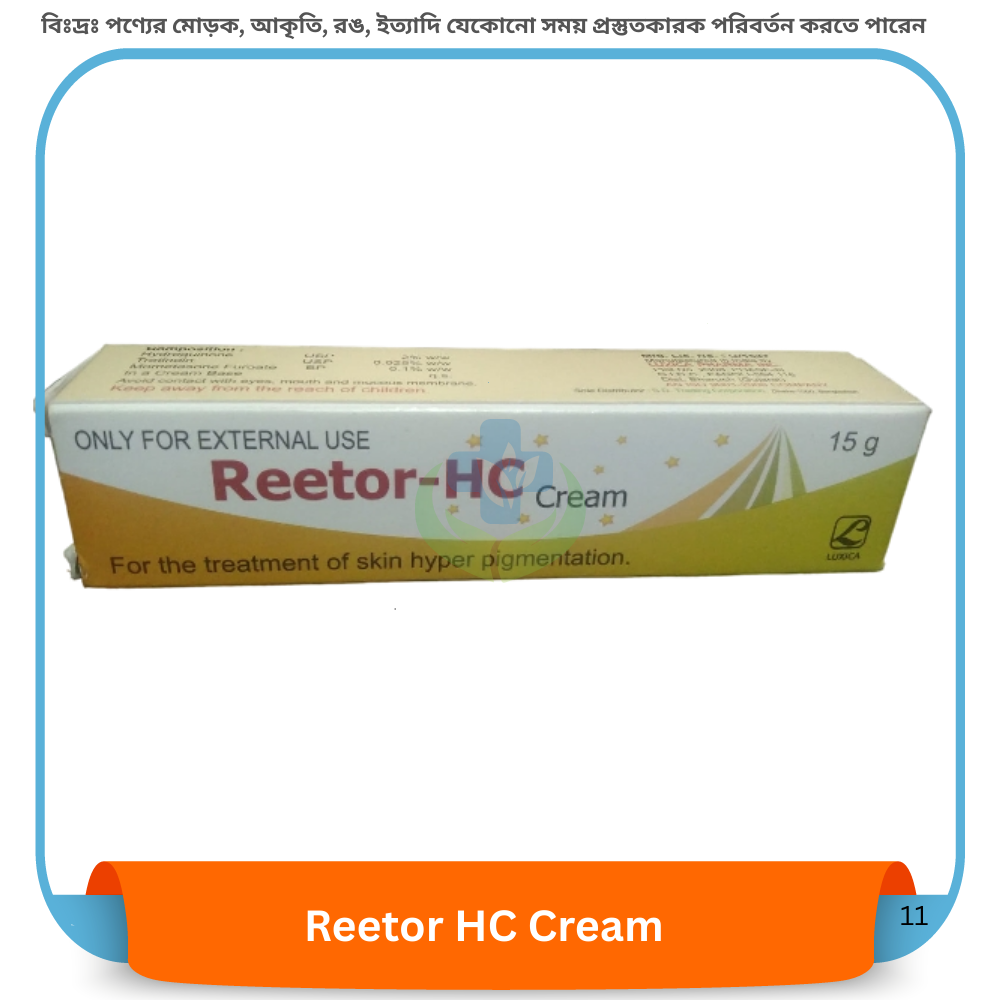
Reetor HC Cream 15 gm
৳841.30 -
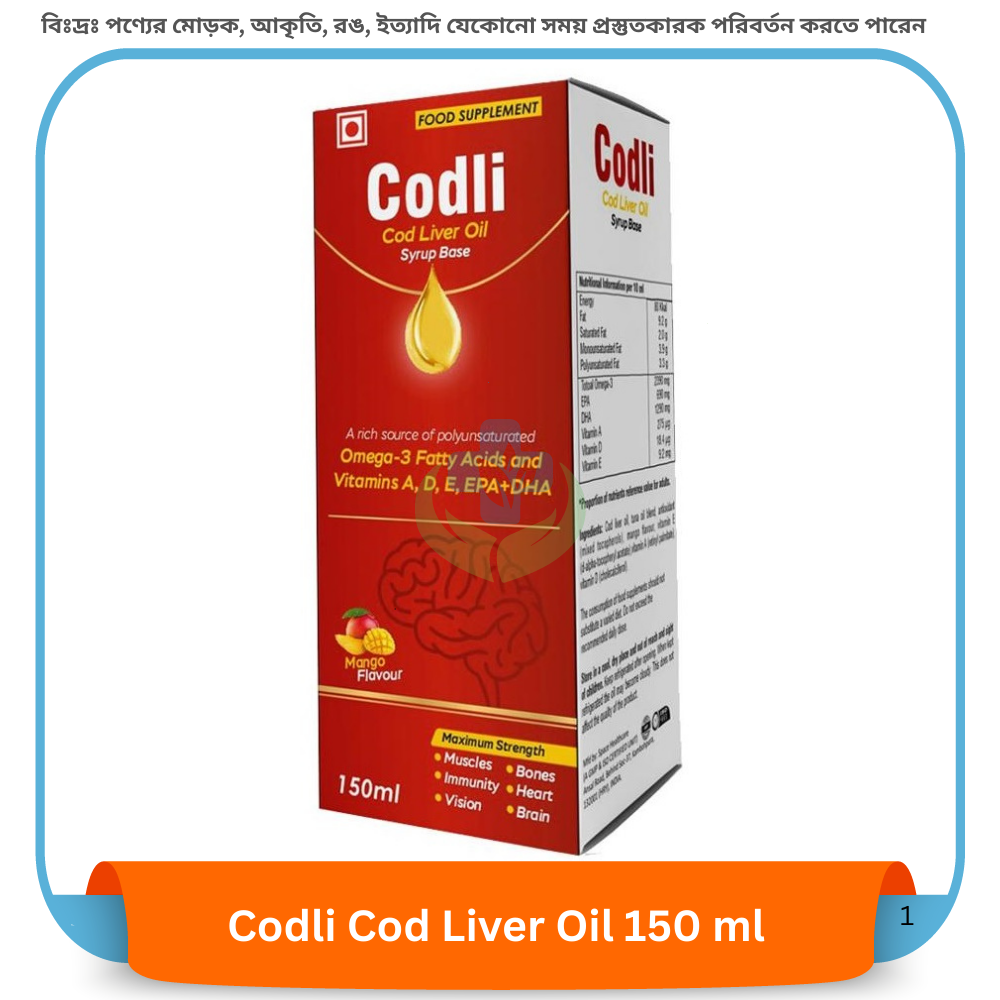
Codli Cod Liver Oil 150 ml
৳1,567.50 -
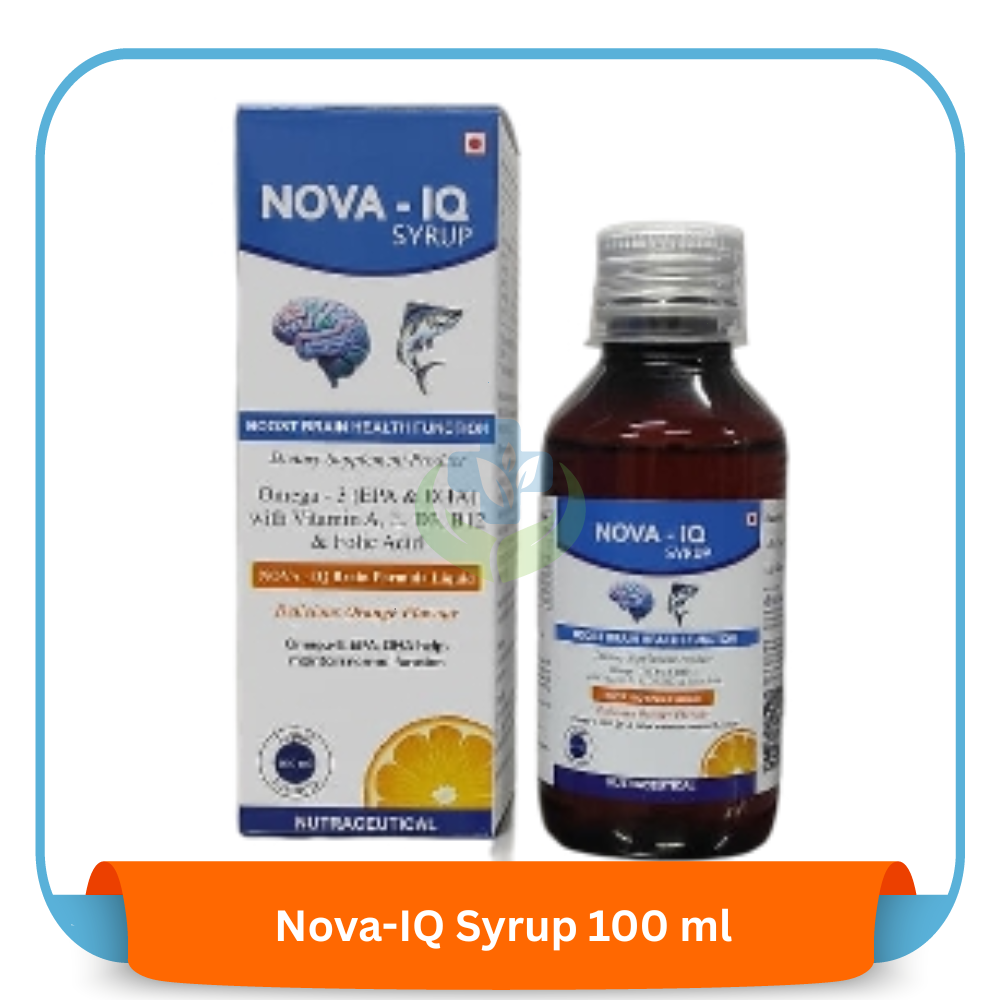
Nova-IQ Syrup 100 ml
৳714.40 -
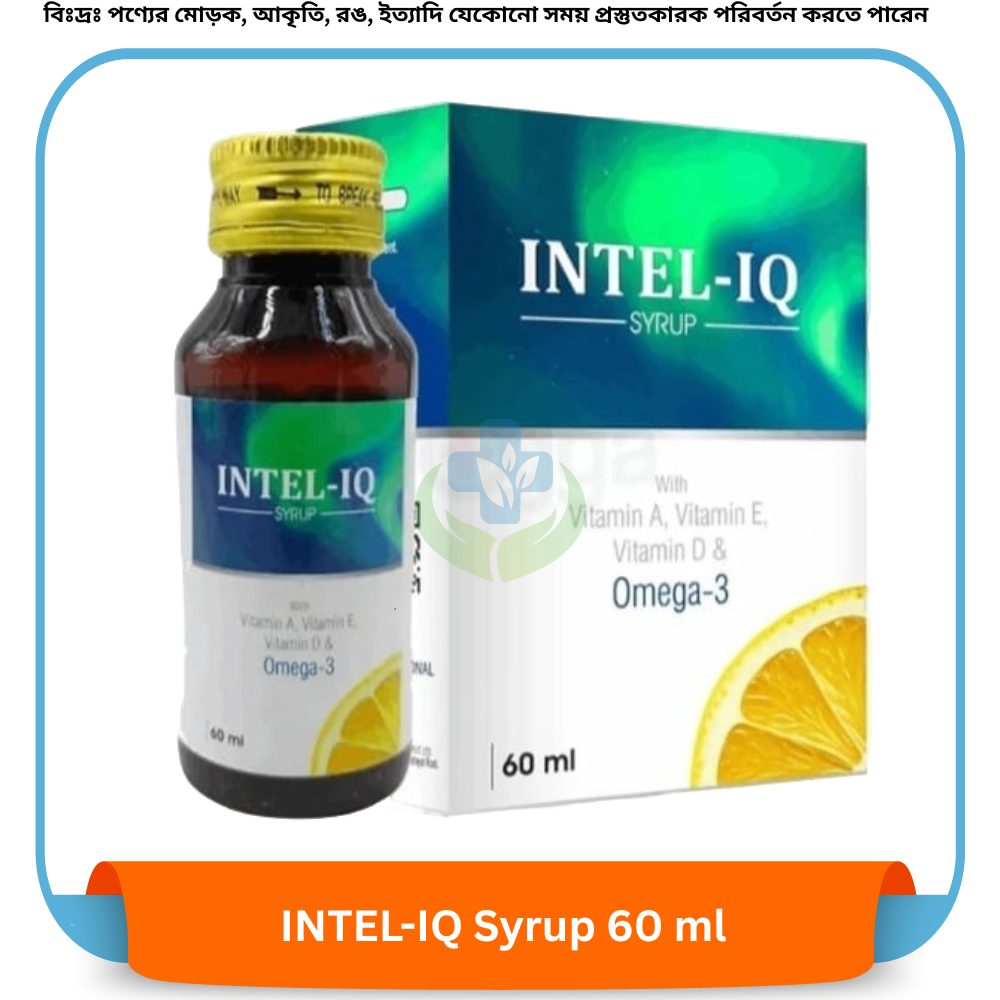
INTEL-IQ Syrup 60 ml
৳700.00
Vitinil Ointment is
formulated to address rapid skin cell growth, a hallmark of conditions such as
psoriasis. Its active ingredient, coal tar, is the only non-prescription
compound that works by slowing down excessive cell reproduction, thereby
helping to restore the skin's normal appearance. The ointment base is designed
to be moisturizing, locking in hydration to enhance efficacy and condition the
skin.
Benefits of Vitinil Ointment
The
primary benefits of Vitinil Ointment include:
Ø Symptom Relief: Provides
relief from itching, scaling, flaking, redness, irritation, and dryness
associated with psoriasis and/or seborrheic dermatitis.
Ø Cell Growth Regulation: Helps to slow down the
rapid growth of skin cells, addressing the root cause of scaling and flaking.
Ø Moisturization: The
emollient ointment base helps lock in moisture, soothing the skin and enhancing
the active ingredient's effectiveness.
Ø Prevention: Helps
prevent the recurrence of symptoms.
Ingredients of Vitinil Ointment
The
key active and inactive ingredients are:
Ø Active Ingredient: Coal Tar (2%) - also known as liquor
carbonis detergens (LCD), a complex mixture of phenols, polycyclic aromatic
hydrocarbons (PAHs), and heterocyclic compounds.
Ø Ointment Base: A
moisturizing petrolatum base is often used to soothe and protect the
skin.
Usage Instructions of Vitinil
Ointment
Vitinil
Ointment is for external use only. It is typically applied to the affected
areas, and the frequency of application may vary depending on the individual's
needs and the recommendations of a healthcare provider. It is important to use
the ointment only as directed and to avoid contact with the eyes. Consultation
with a physician is advised for prolonged use.
Side Effects of Vitinil Ointment
Potential
side effects are generally mild and may include localized skin irritation or an
increased sensitivity to sunlight.
Consult a doctor
before using if;
Ø Use is intended for prolonged
periods.
Ø The affected area is large.
Ø Application is needed in
sensitive areas such as around the rectum, or in the genital area or groin.
Ø Other psoriasis treatments, such as ultraviolet (UV) radiation or prescription medications, are currently being used.
Related products
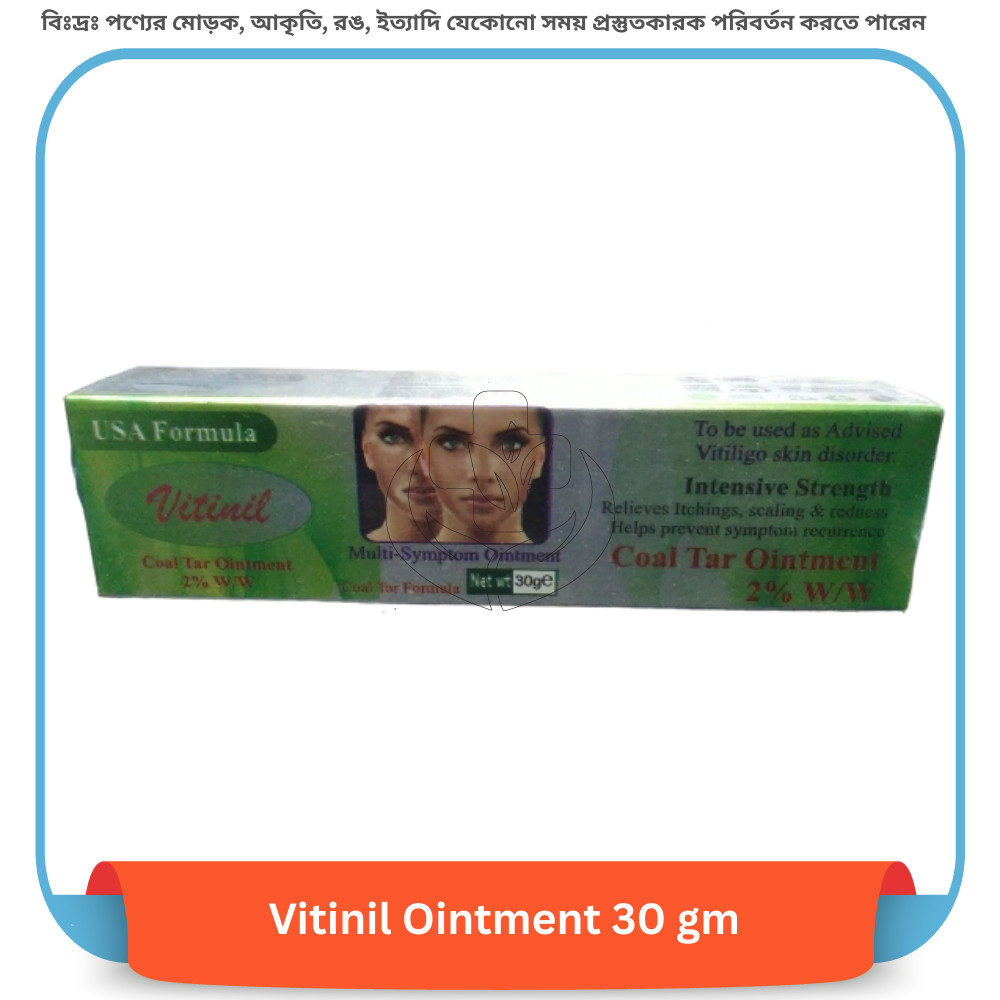
Vitinil Ointment 30 gm
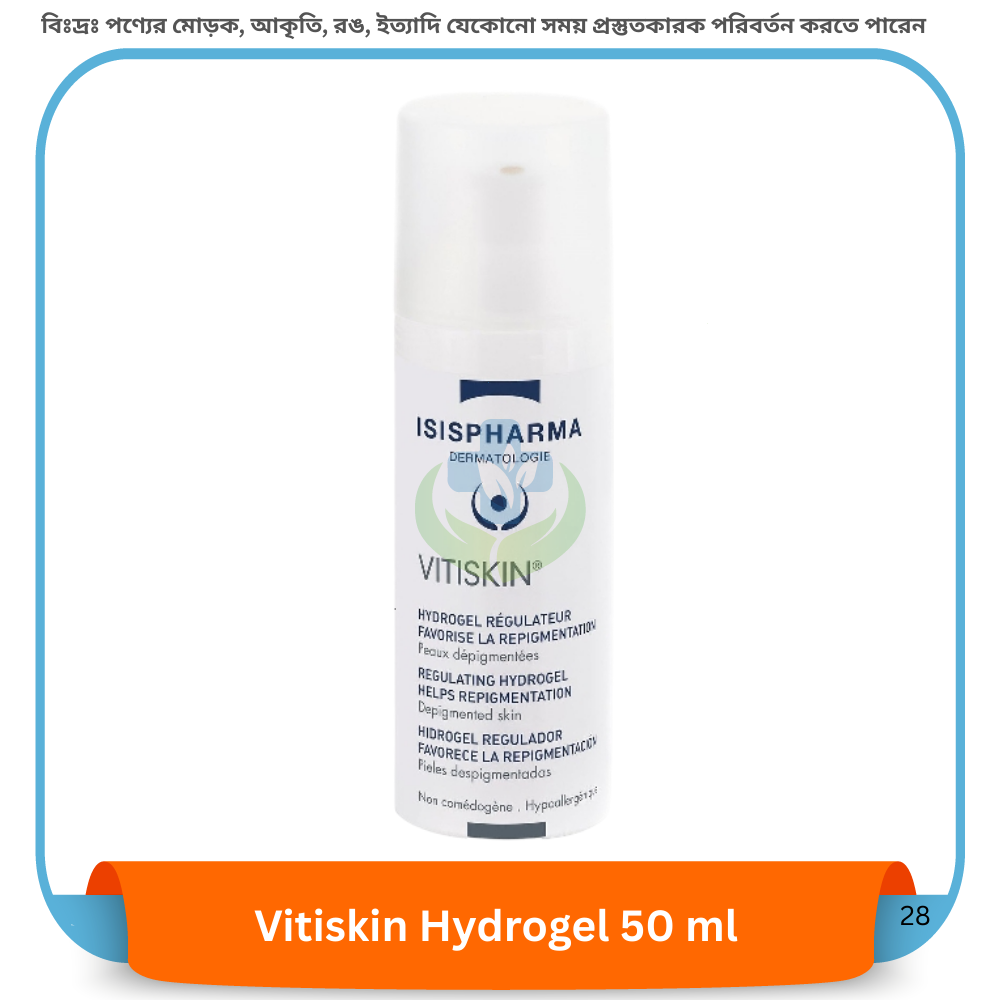
Vitiskin Hydrogel 50ml
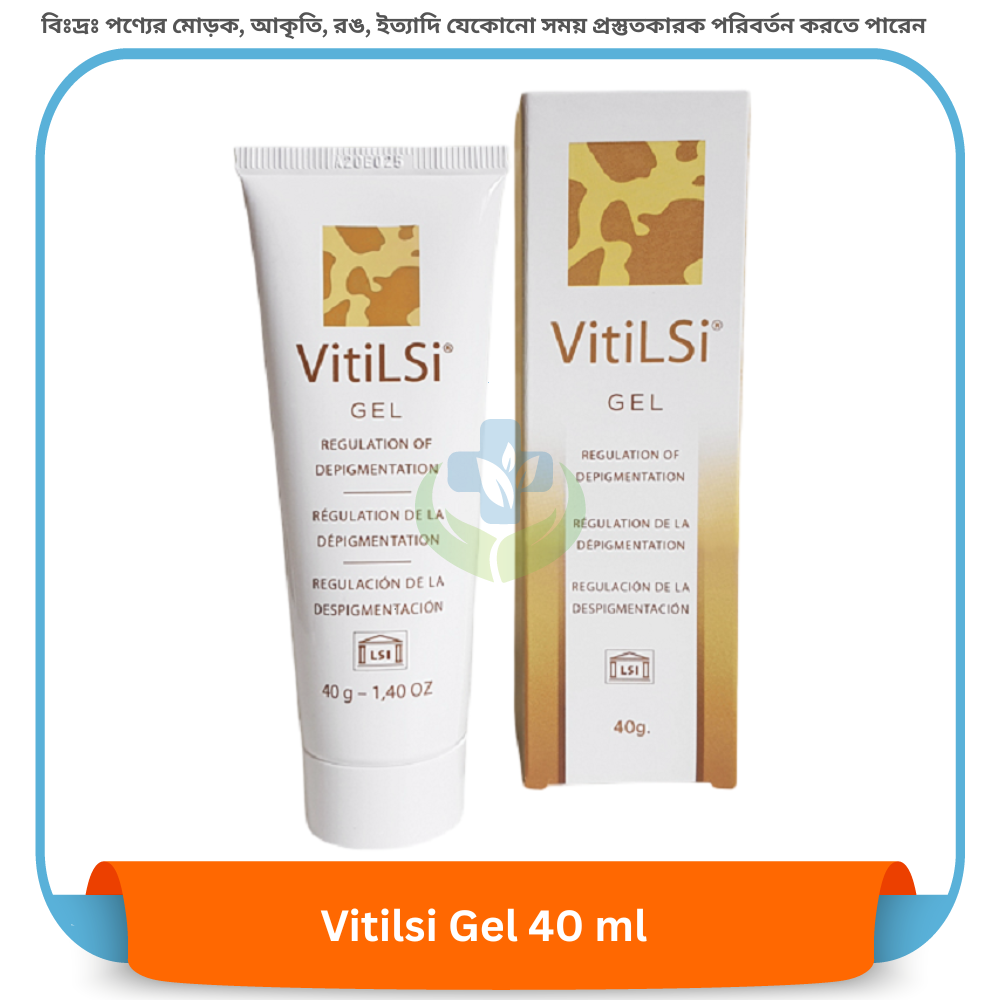
VITILSI GEL 40 ml
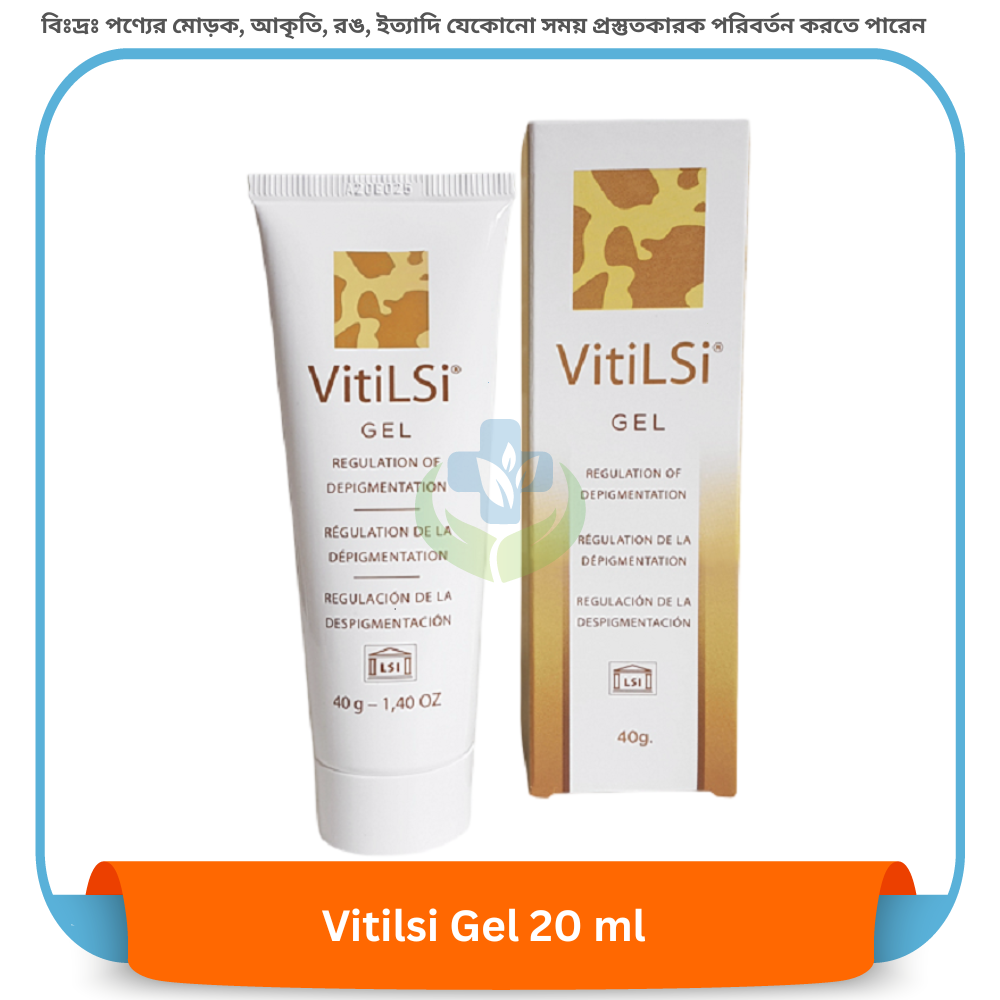
VITILSI GEL 20 ml
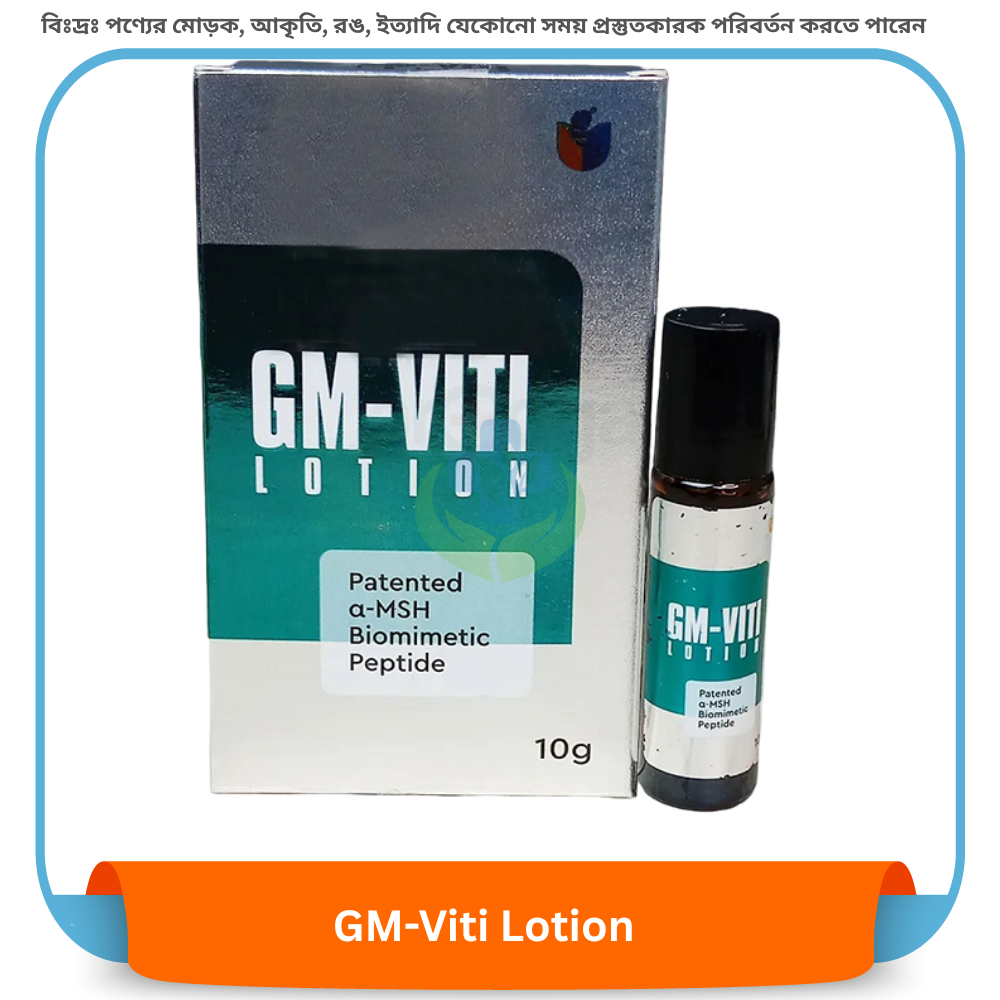
GM Viti Lotion 10 gm


Contact Info
- Address: DOHS, Mirpur, Dhaka
- Phone: 01336 242 804
- Email: order@careonbd.com