








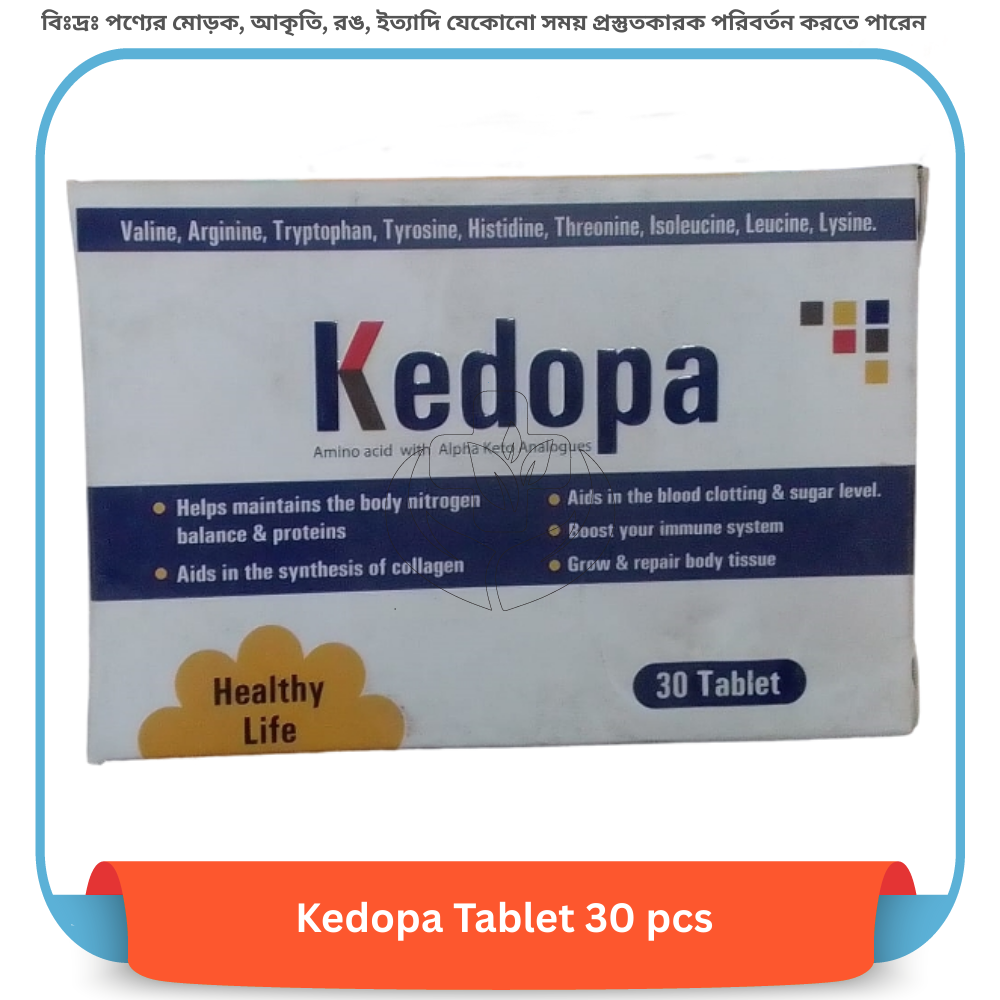
Kedopa Tablet 30 pcs
+88 01568-208768
-

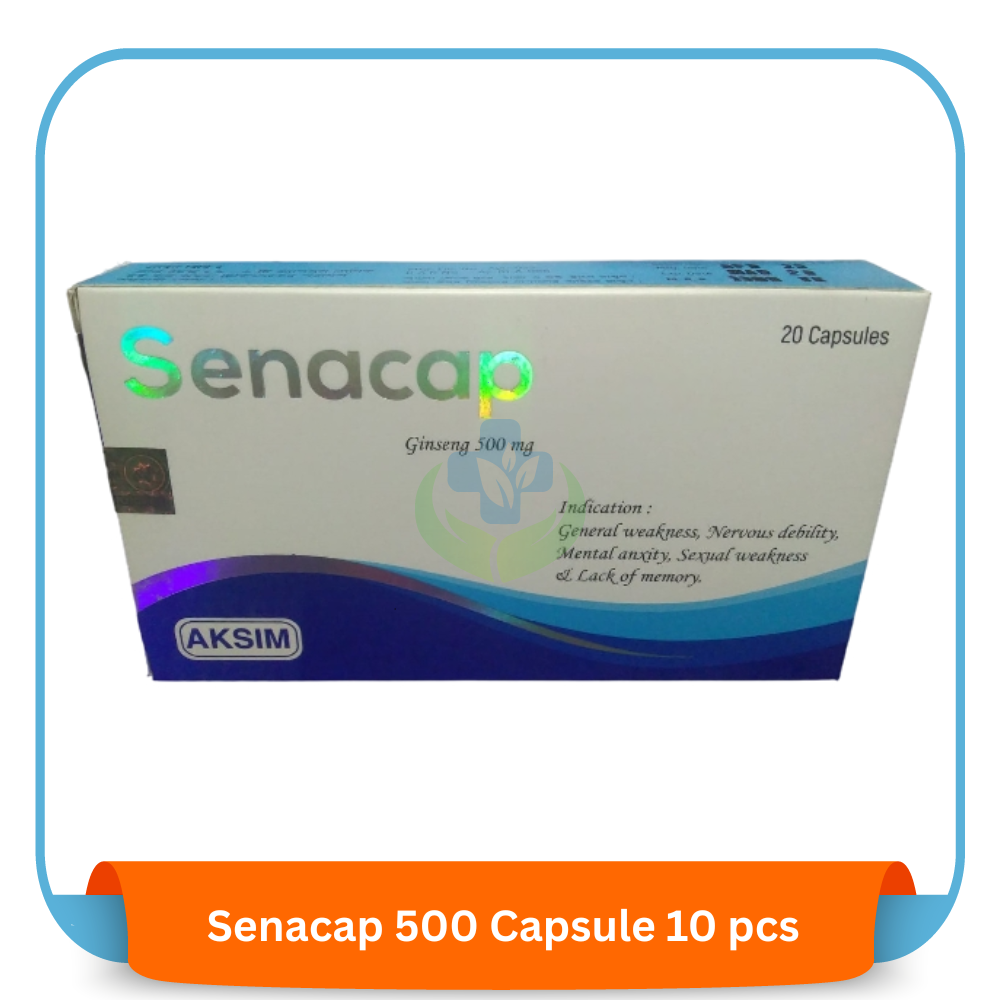
Senacap 500 Capsule 10 pcs
৳617.50 -
Xiovit D3 Pediatric Drops 30 ml
৳502.90 -
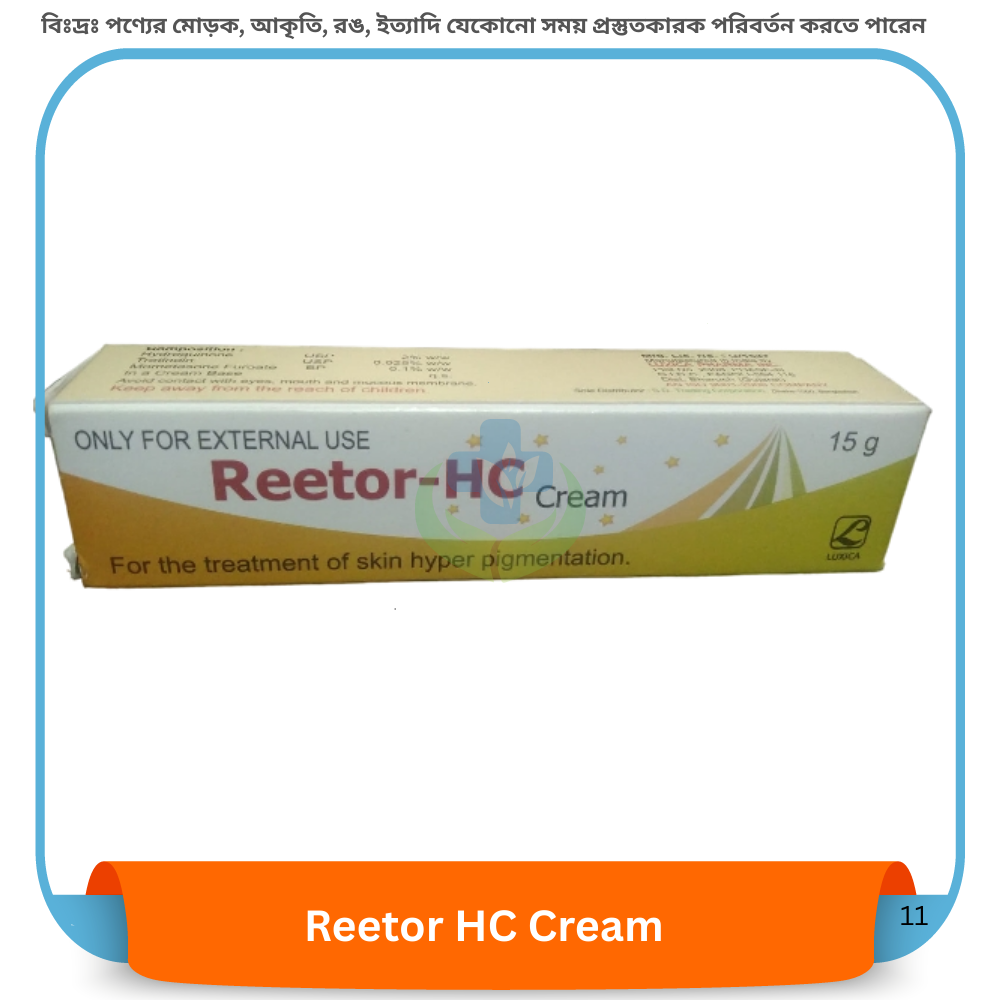
Reetor HC Cream 15 gm
৳841.30 -
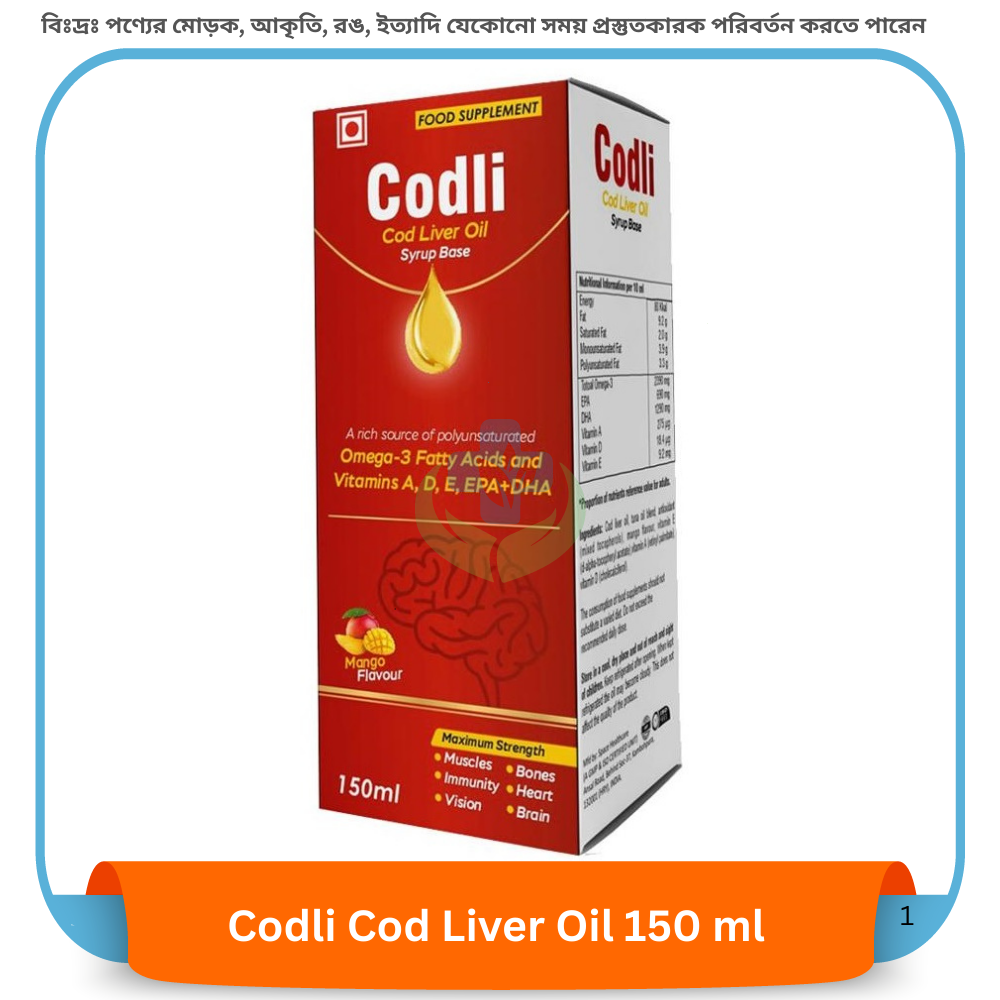
Codli Cod Liver Oil 150 ml
৳1,567.50 -
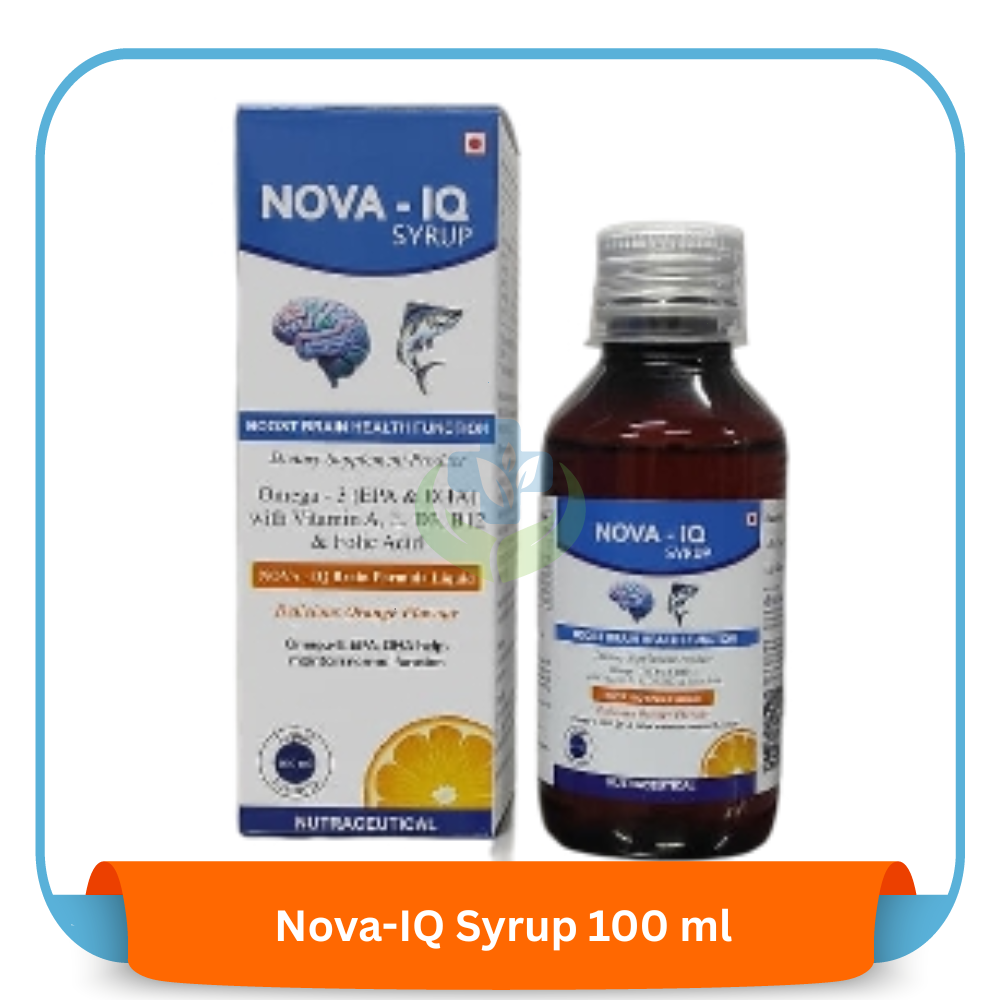
Nova-IQ Syrup 100 ml
৳714.40 -
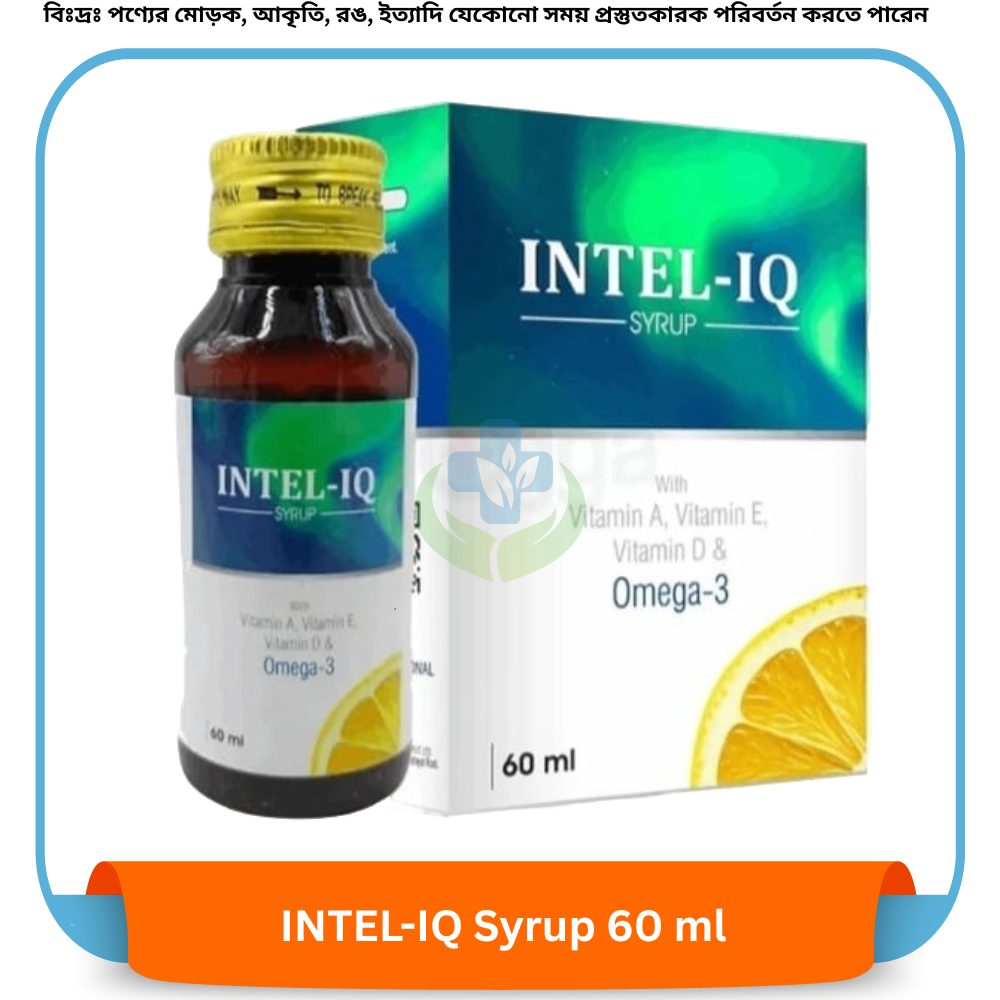
INTEL-IQ Syrup 60 ml
৳700.00
“Kedopa Tablet” Amino Acid and Alpha Keto Analogues tablets are specialized nutritional
supplements used to manage chronic kidney disease (CKD). They work by providing
essential amino acids while reducing the nitrogen load on the kidneys,
typically when taken alongside a very low-protein diet.
Benefits of Kedopa Tablet
Ø Delays Dialysis: By reducing the
accumulation of nitrogenous waste (urea) in the blood, these tablets help slow
down the progression of CKD, postponing the need for dialysis.
Ø Improves Nutrition: They prevent
muscle wasting and malnutrition in patients who are on a strict, protein-restricted
diet (40 g/day or less).
Ø Lowers Uremic Toxins: They help manage
symptoms of uremia (fatigue, nausea, confusion) by facilitating better nitrogen
utilization.
Ø
Supports Renal Function: They help manage
metabolic imbalances associated with kidney failure.
Dosage and Administration Kedopa
Tablet
Ø Dosage: The number of
tablets taken is typically determined by a healthcare professional based on
body weight, severity of kidney function, and protein intake.
Ø Administration: Tablets must be
swallowed whole with meals; do not chew.
Ø Dietary Requirement: They are generally used in conjunction with a low-protein diet to maximize effectiveness.
Ø
Duration: The duration of treatment is determined by a doctor based on
monitoring parameters like GFR.
Side Effects of Kedopa
Tablet
While generally
well-tolerated, side effects may occur:
Ø Hypercalcemia (Common): Elevated calcium
levels in the blood, which may require monitoring of vitamin D or other calcium
sources.
Ø Gastrointestinal Issues: Potential for mild
nausea, vomiting, diarrhea, or abdominal pain.
Ø Taste Changes: A metallic taste
in the mouth has been reported.
Ø
Allergic Reactions: Rare reports of
skin rash or itching.
Important Precautions and
Drug Interactions
Ø Regular Monitoring: Serum calcium and
phosphate levels must be monitored regularly by a doctor.
Ø Drug Interactions: Avoid taking simultaneously with certain medications that form
insoluble compounds with calcium, such as tetracyclines, quinolones
(ciprofloxacin), iron, or fluorides. A time interval of at least two hours is
usually recommended.
Ø Contraindications: Use should be avoided if you have high calcium levels
(hypercalcemia) or disturbed amino acid metabolism.
Ø Phenylketonuria: Contains
phenylalanine, which should be monitored in patients with this condition.
Ø Pregnancy/Lactation: Use with caution, only if prescribed by a doctor, as data is limited.
Related products
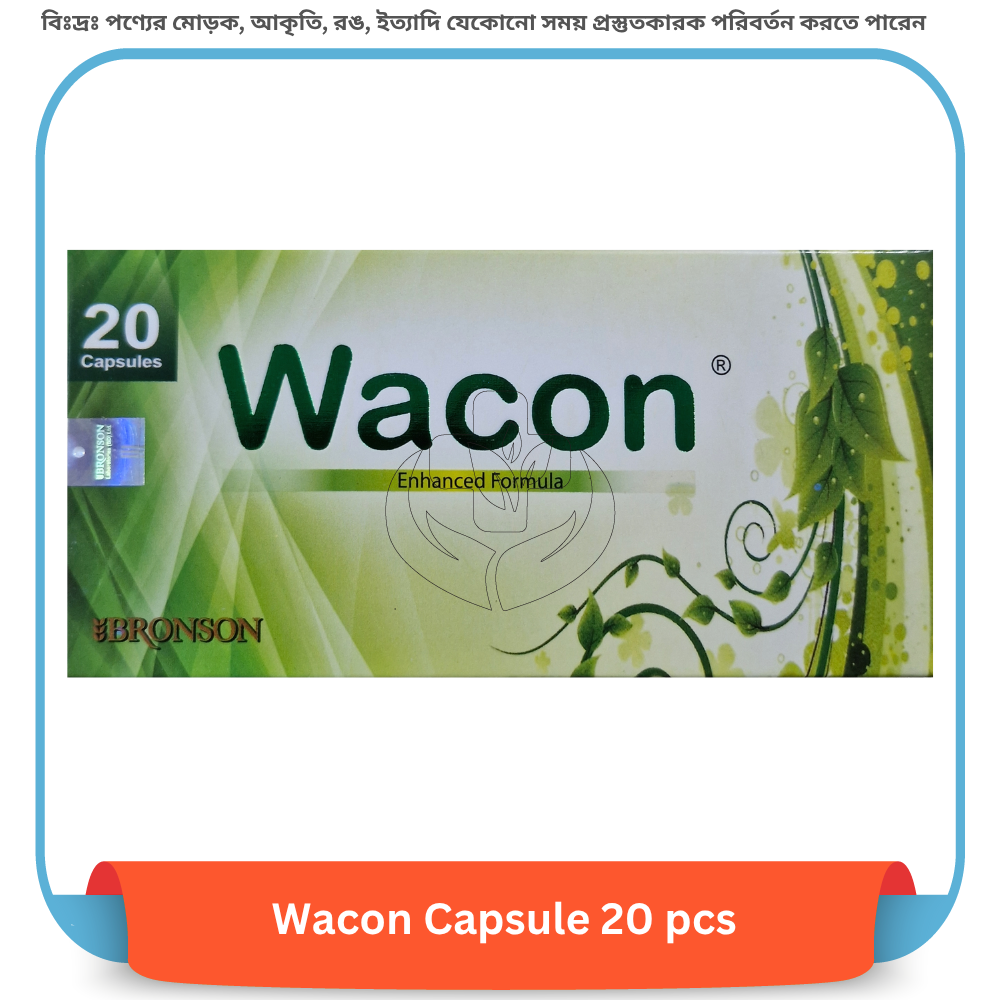
Wacon Capsule 20 pcs
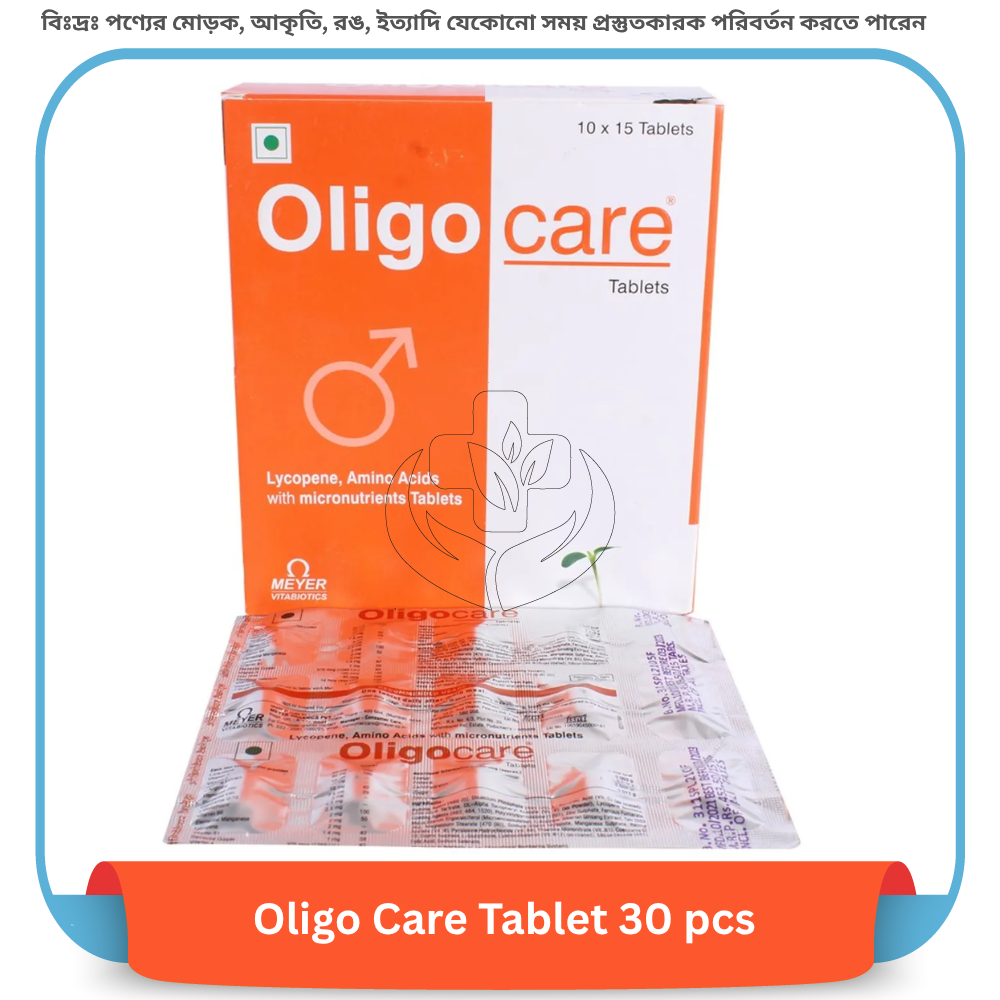
Oligo Care Tablet 30 pcs
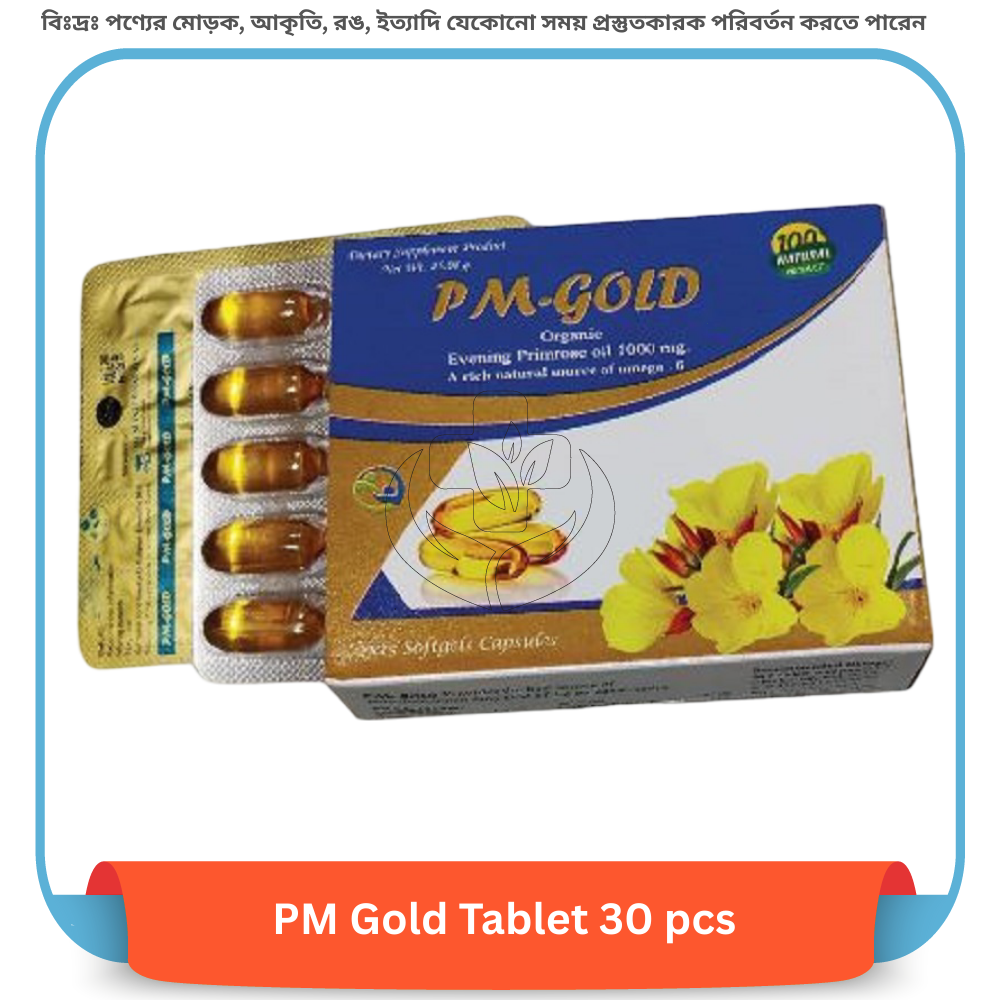
PM Gold Tablet 30's pack
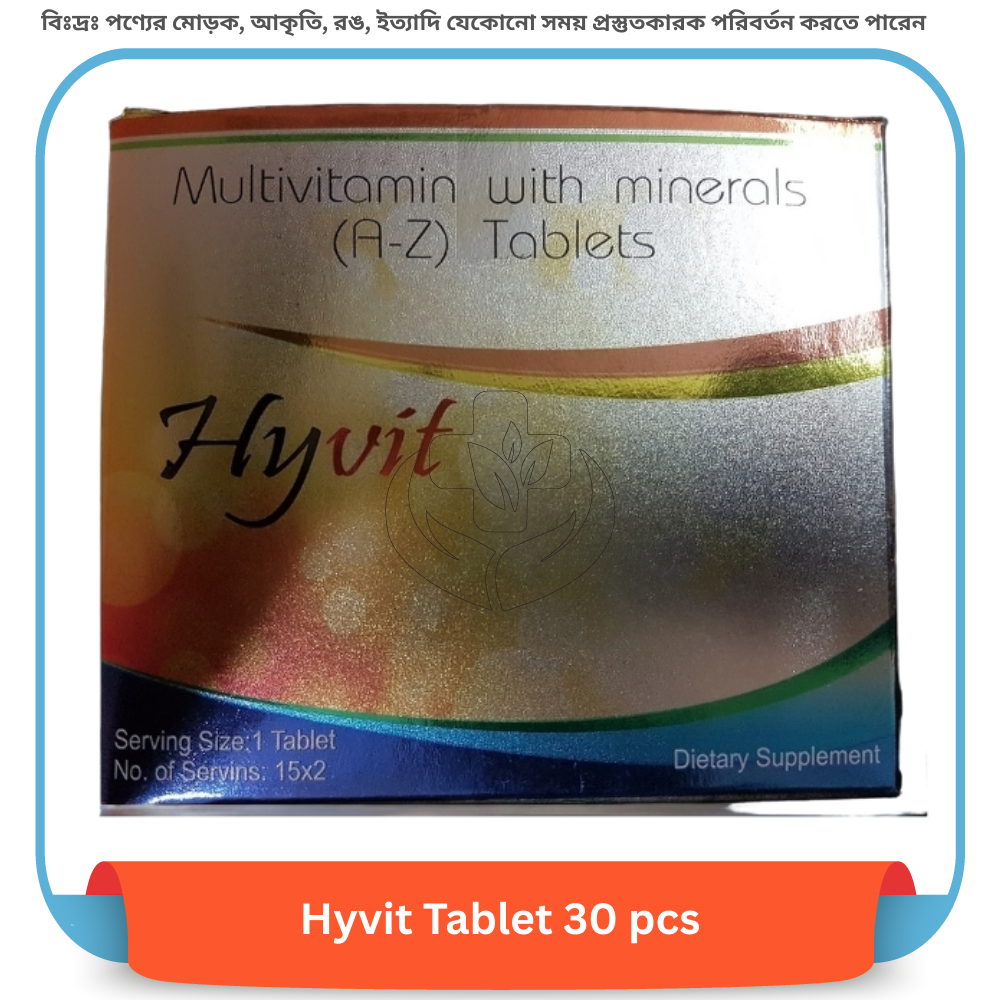
Hyvit Tablet 30 pcs
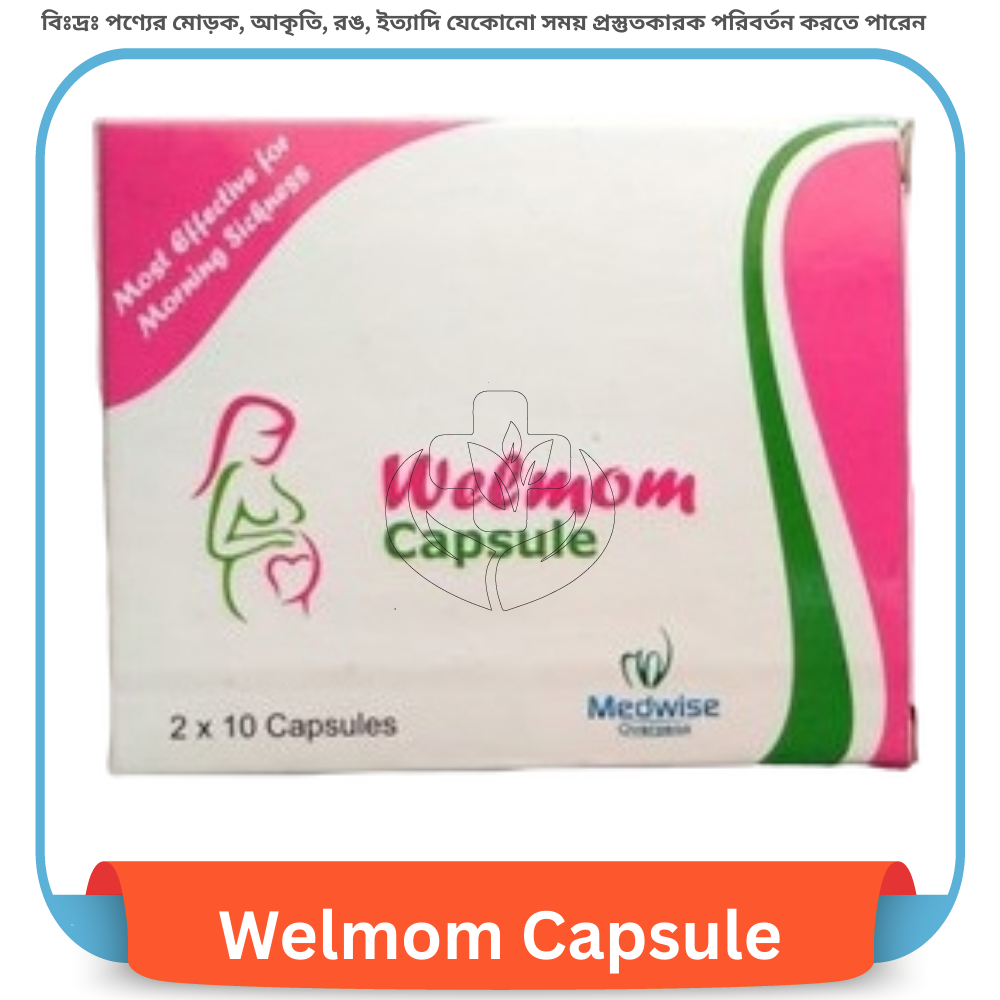
Welmom Capsule 20 pcs
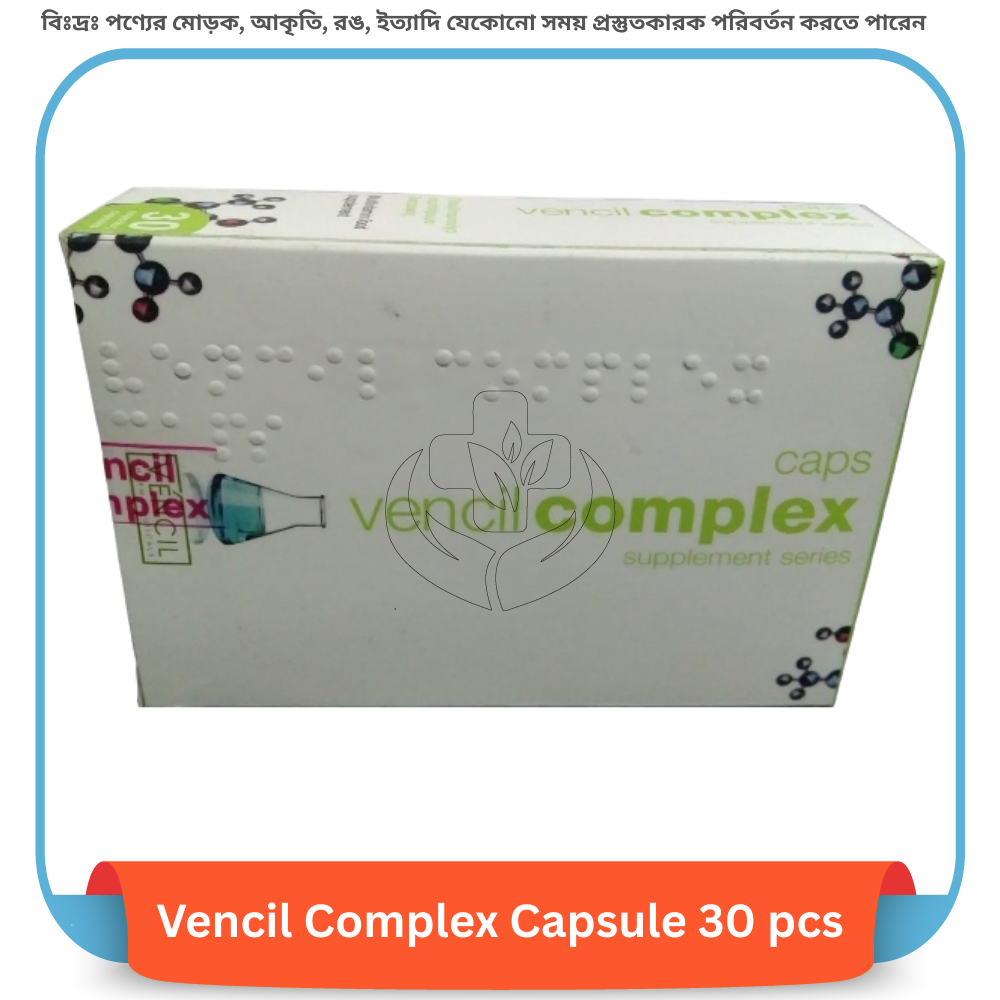
Vencil Complex Capsule 30 pcs
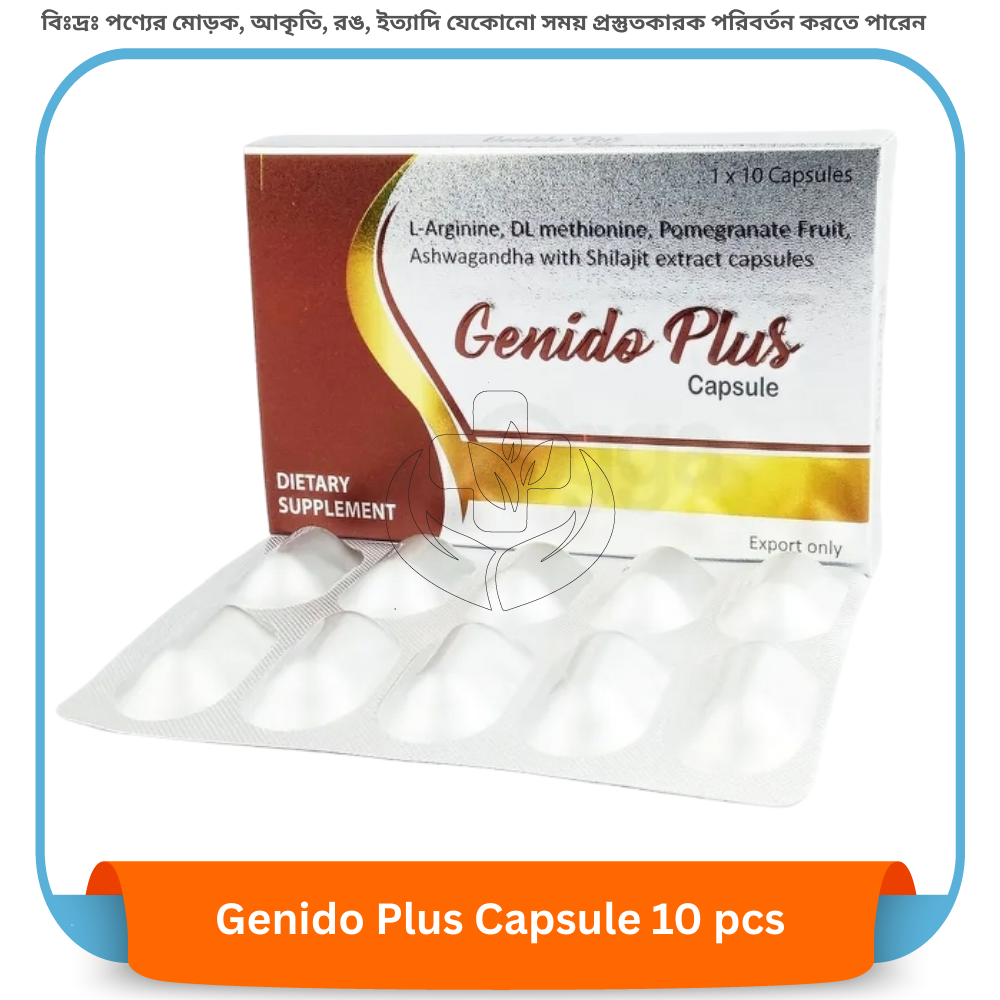
Genido Plus Capsule 10 pcs
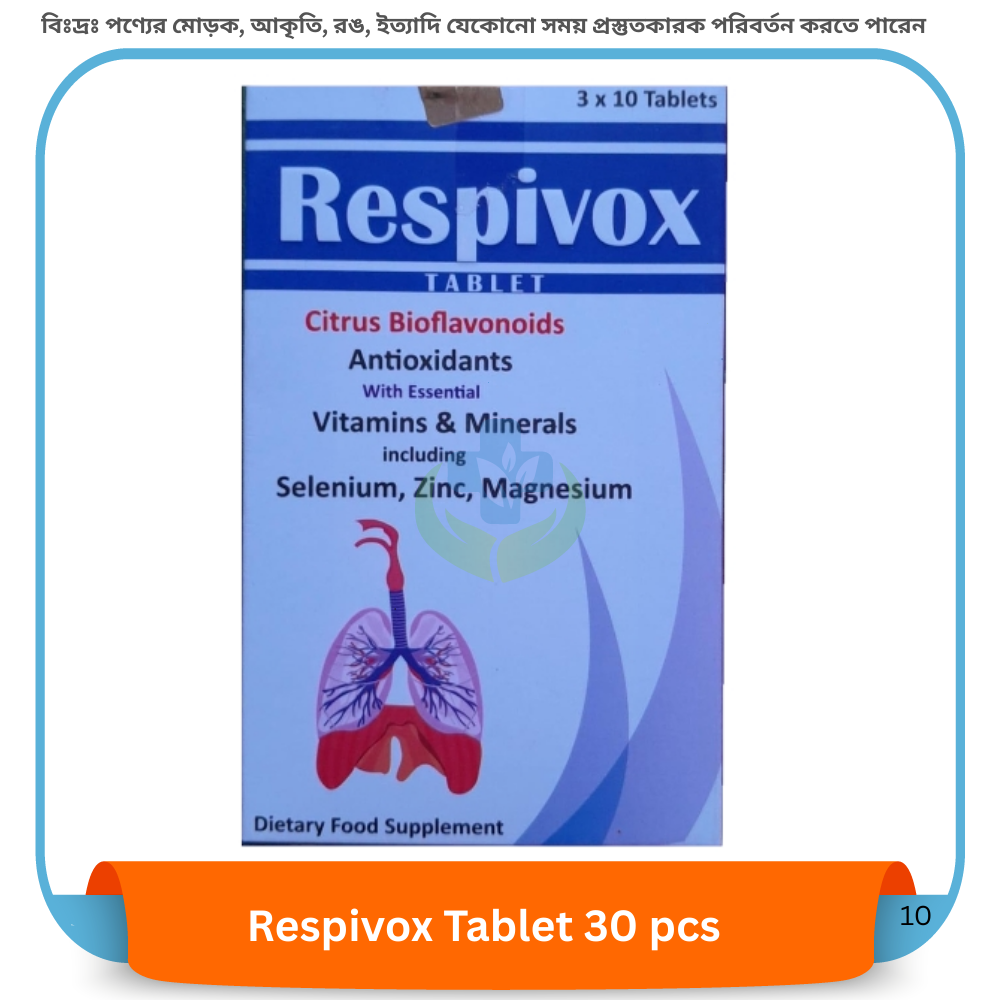
Respivox Tablet 30 pcs
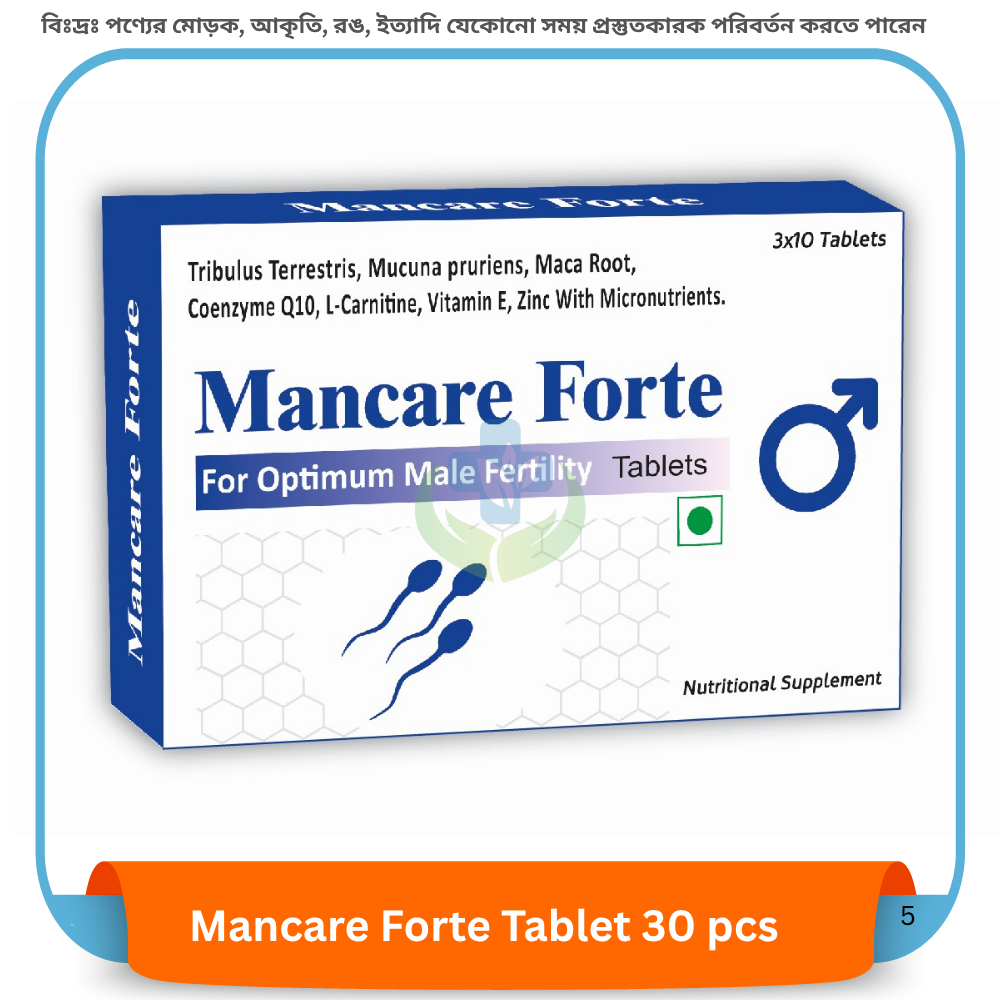
Mancare Forte Tablet 30 pcs
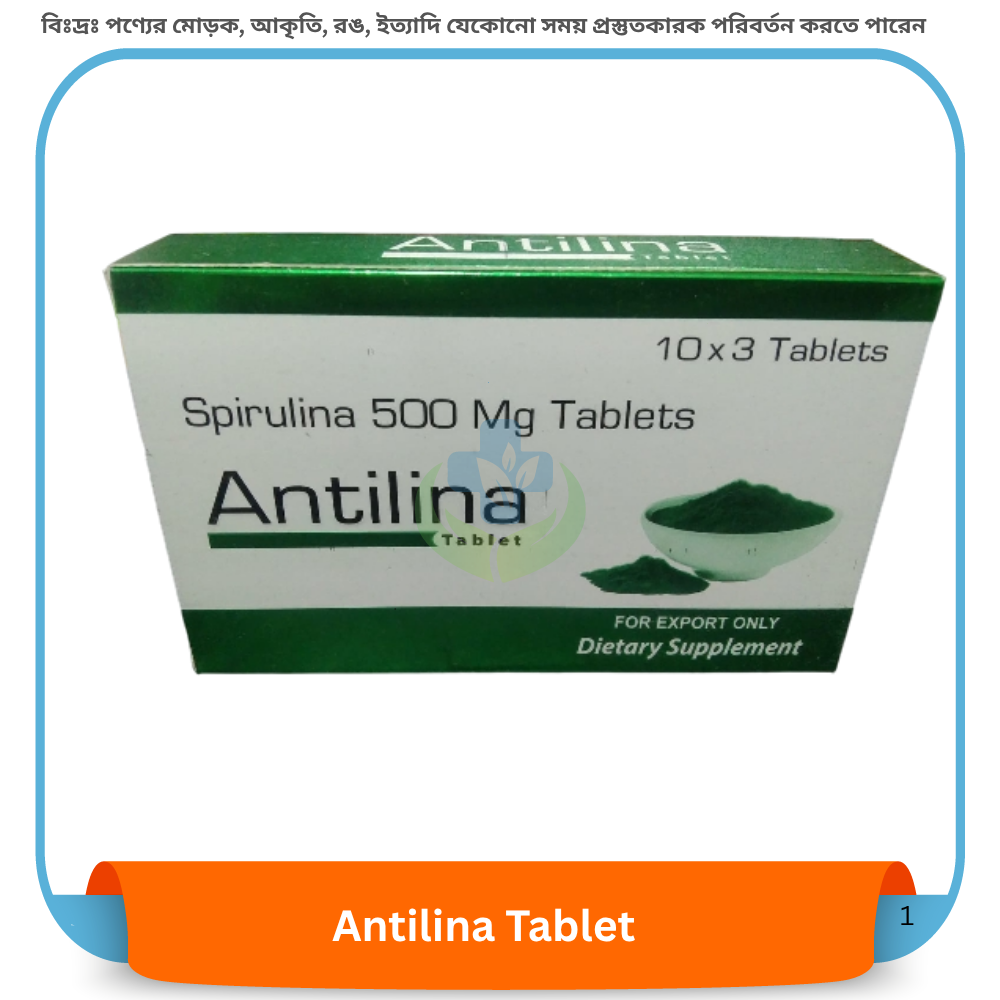
Antilina Tablet 30 pcs
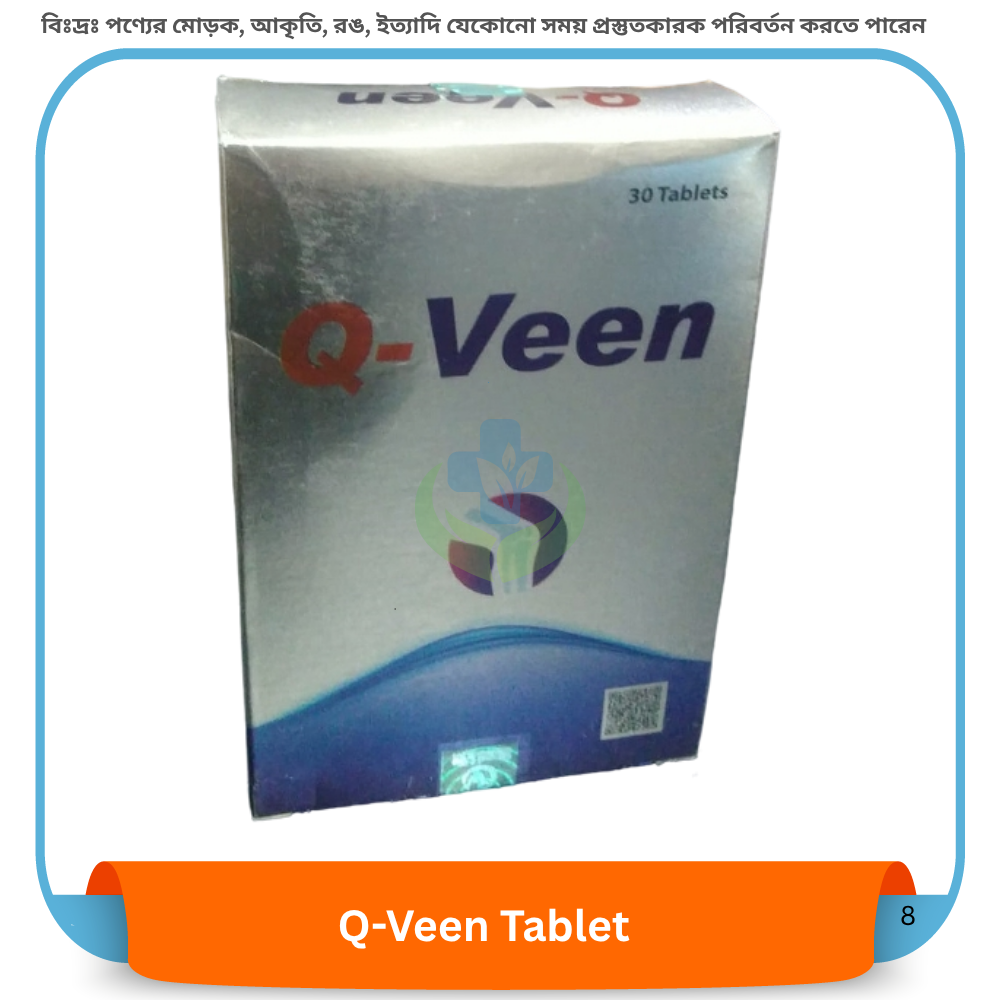
Q-Veen Tablet 30 pcs
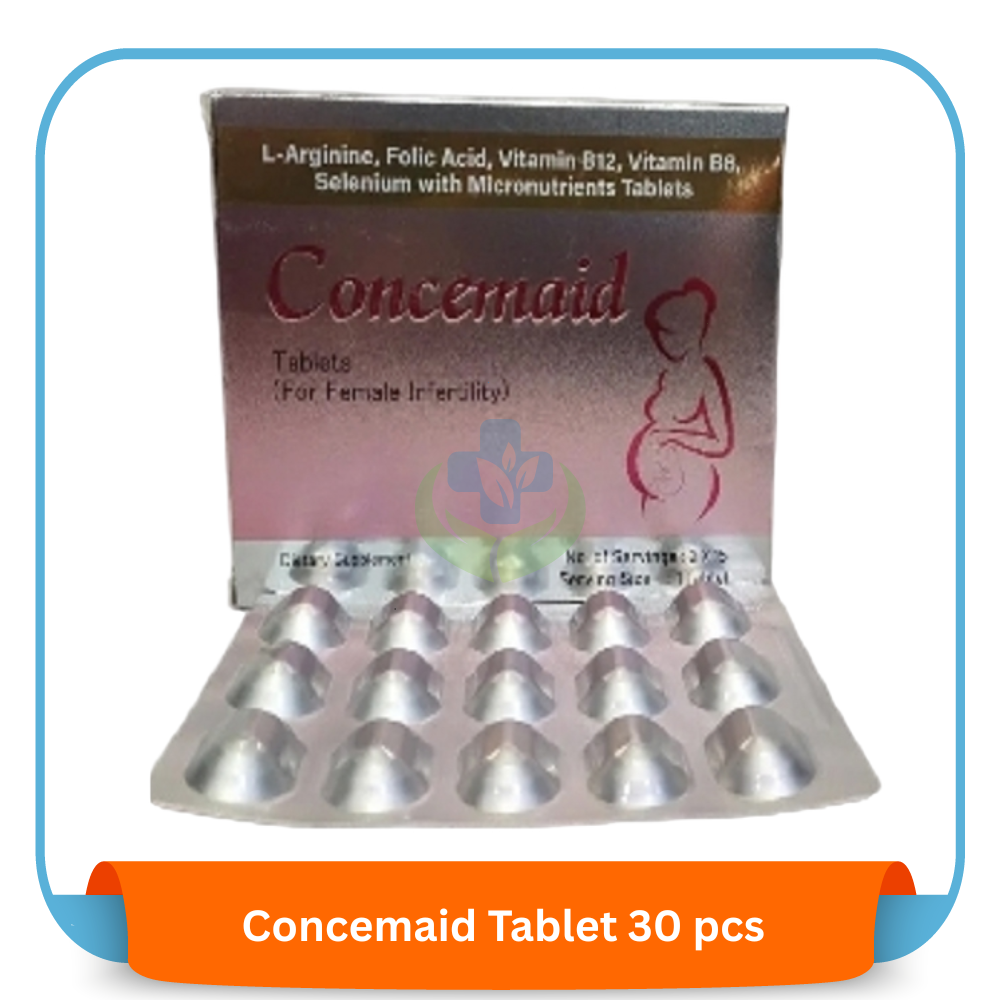
Concemaid Tablet 30 pcs
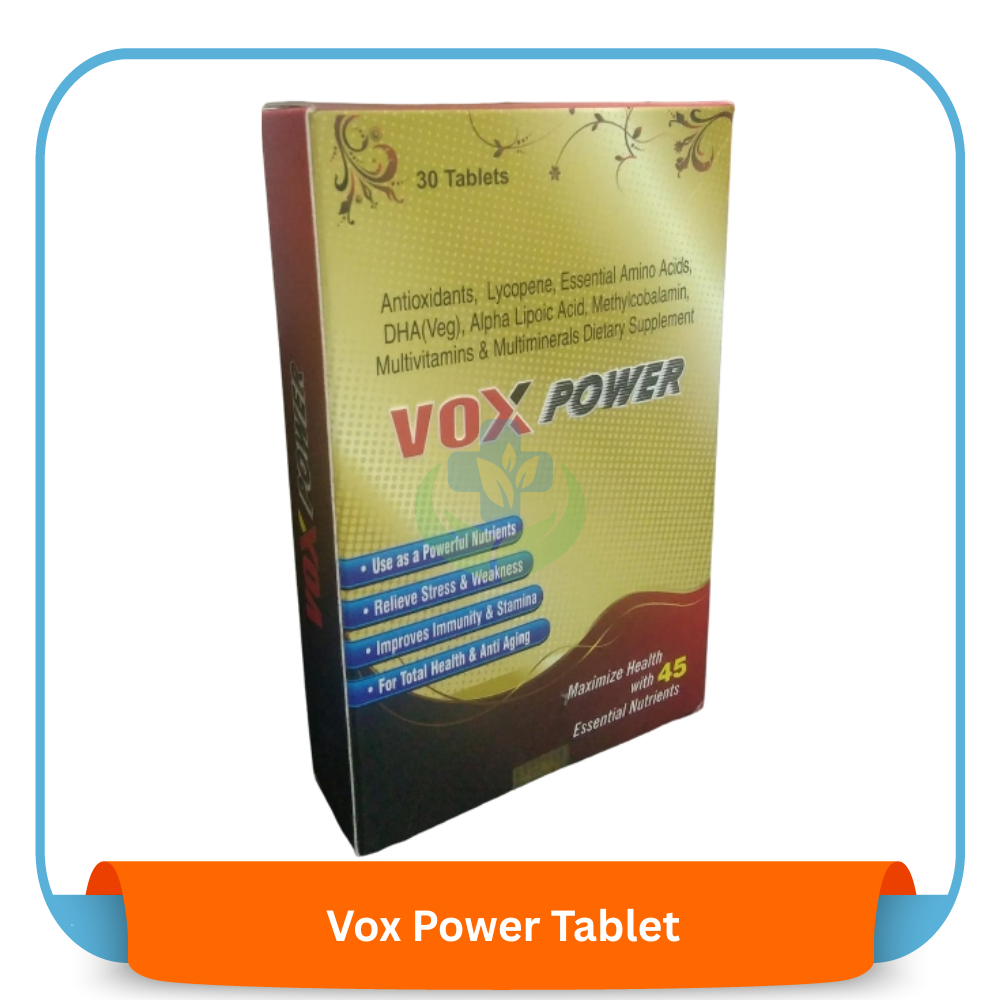
Vox power tablet 30 pcs
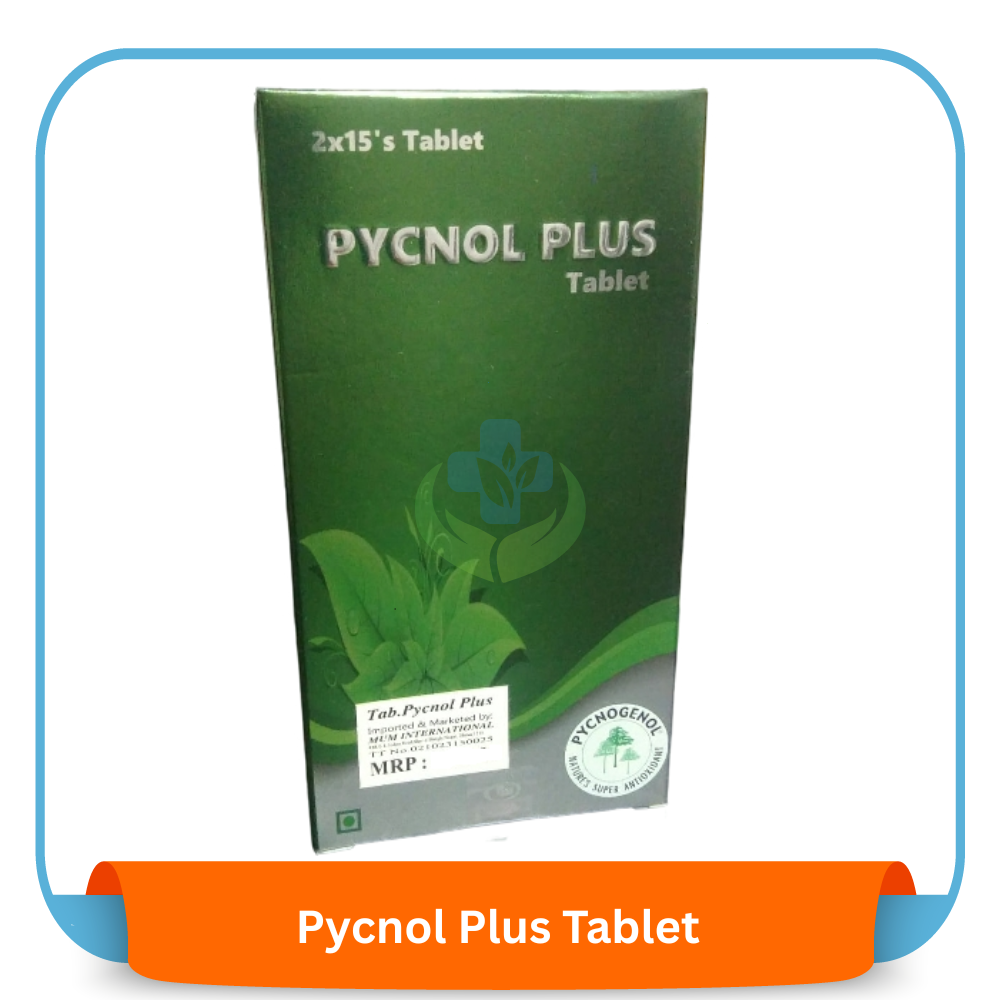
Pycnol Plus Tablet 30 pcs
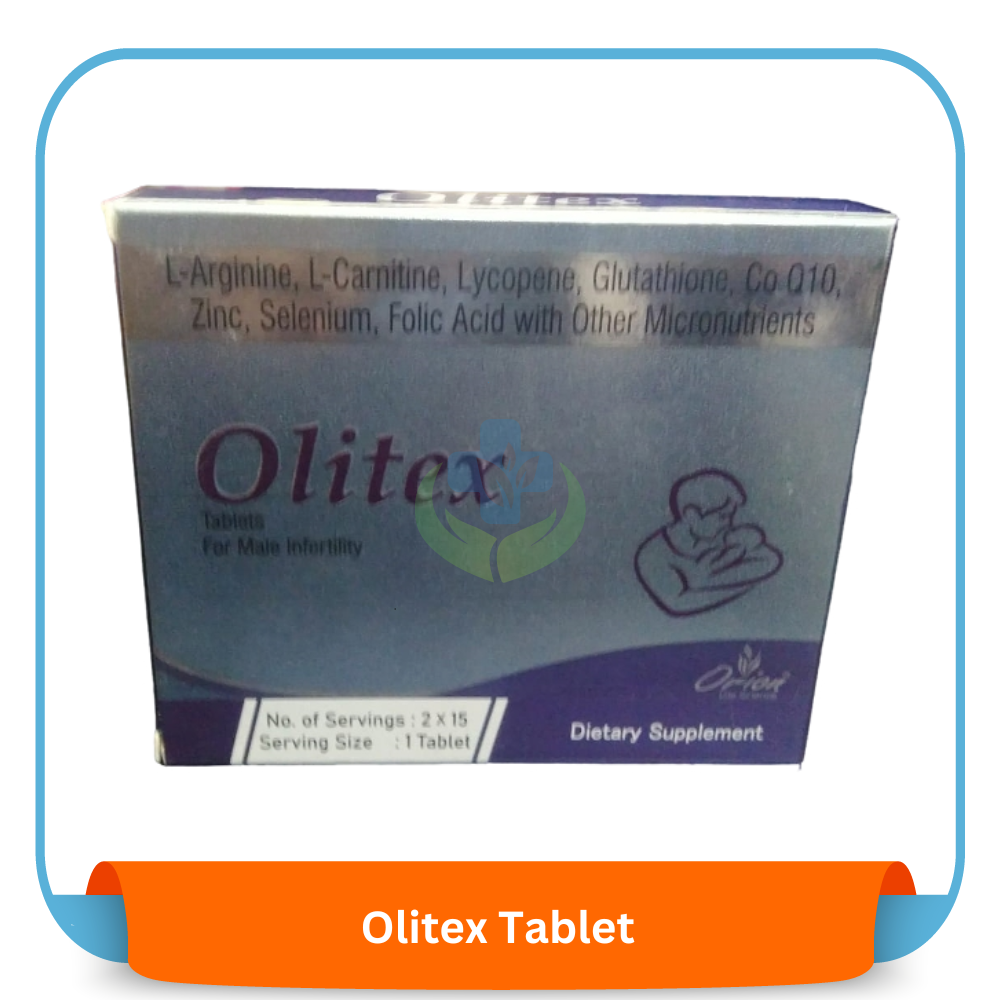
Olitex Tablet 30 pcs
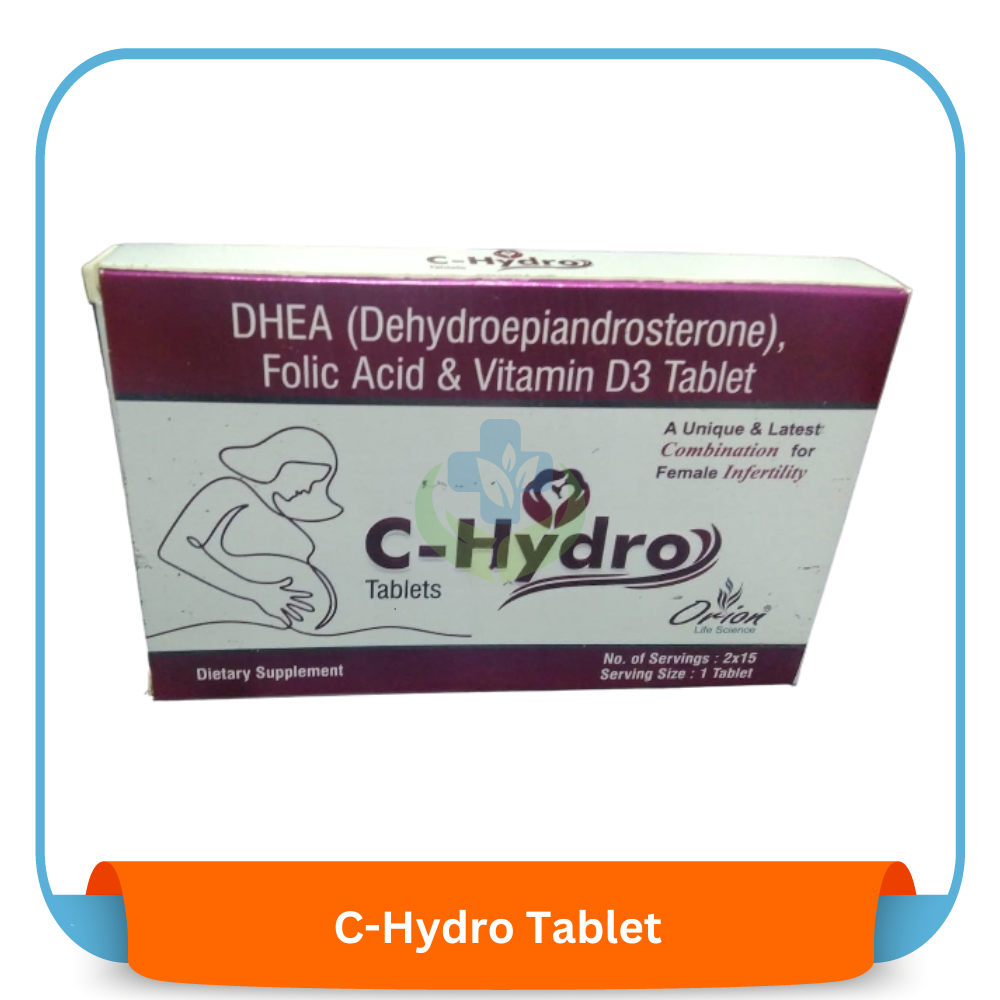
C-Hydro Tablet 30 pcs

Vix Care Capsule 20 pcs
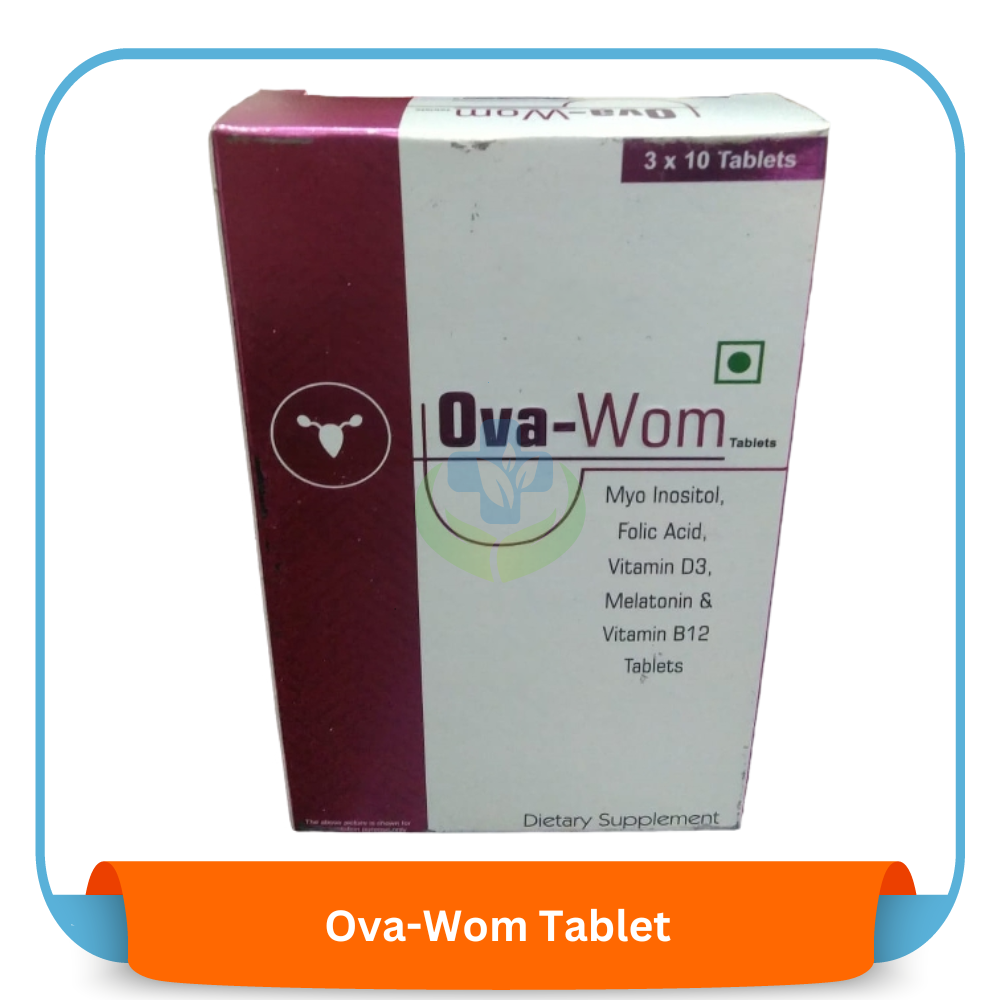
Ova-Wom Tablet 30 pcs
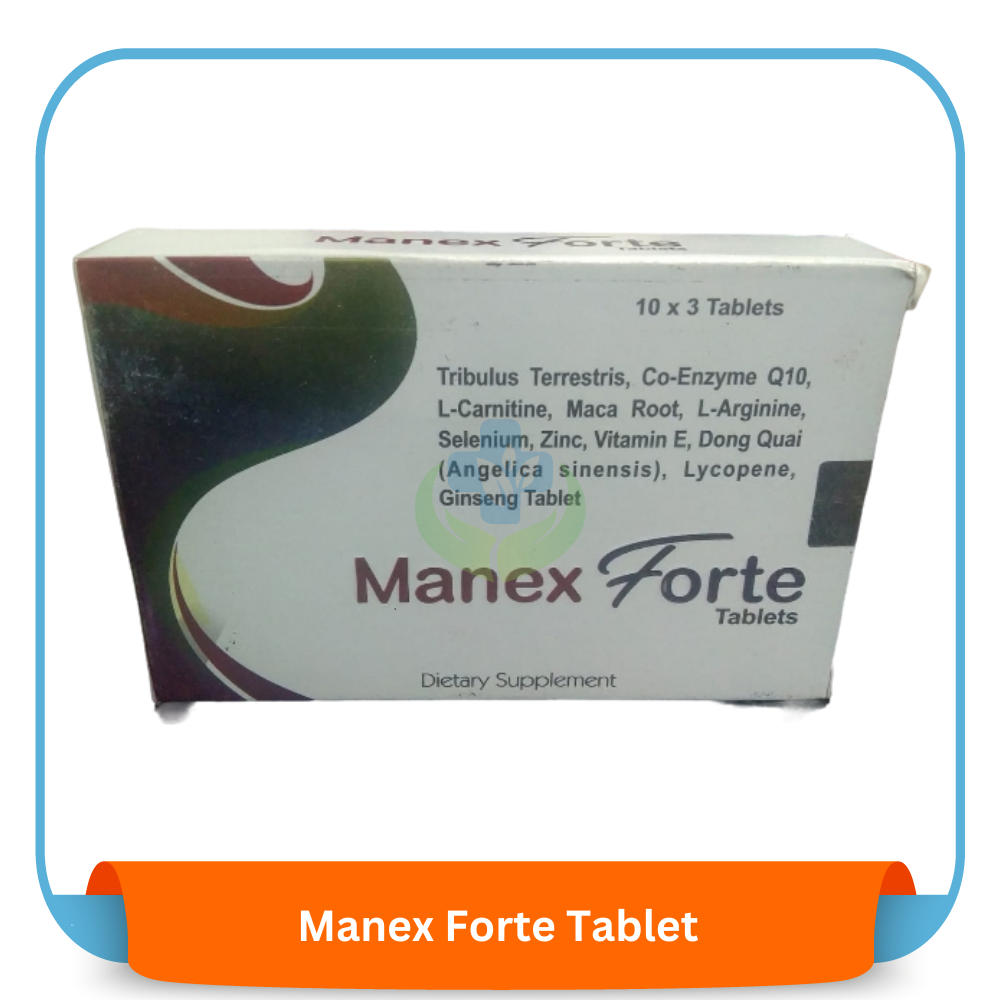
Manex Forte Tablet 30 pcs
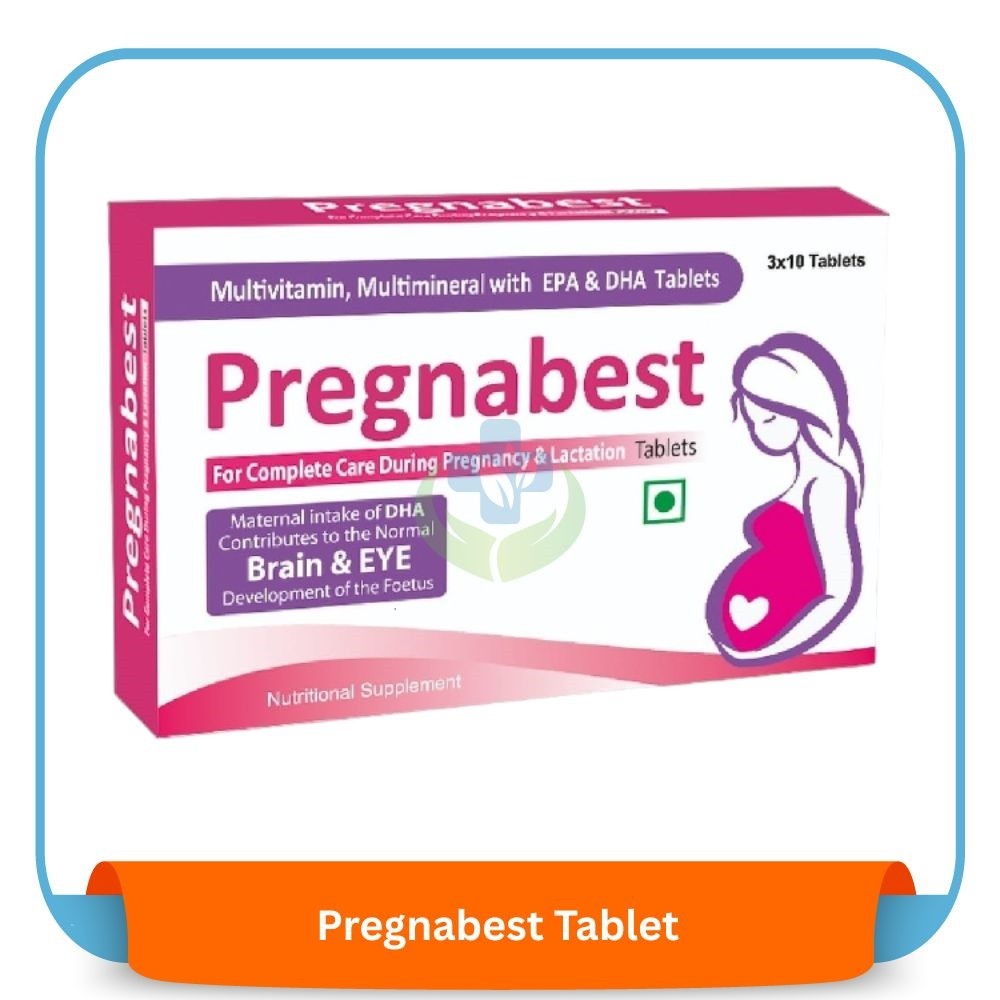
Pregnabest Tablet 30 pcs
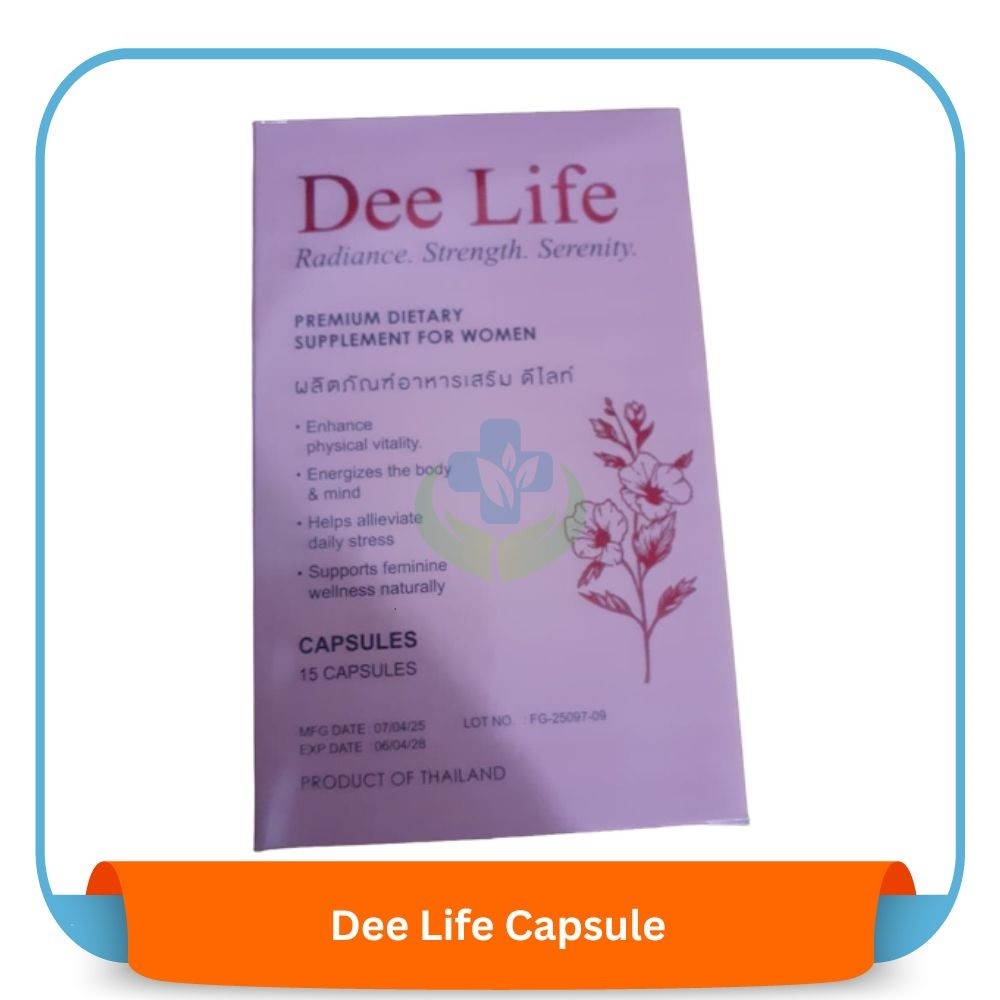
Dee Life Capsule 15 pcs


Contact Info
- Address: DOHS, Mirpur, Dhaka
- Phone: 01336 242 804
- Email: order@careonbd.com