




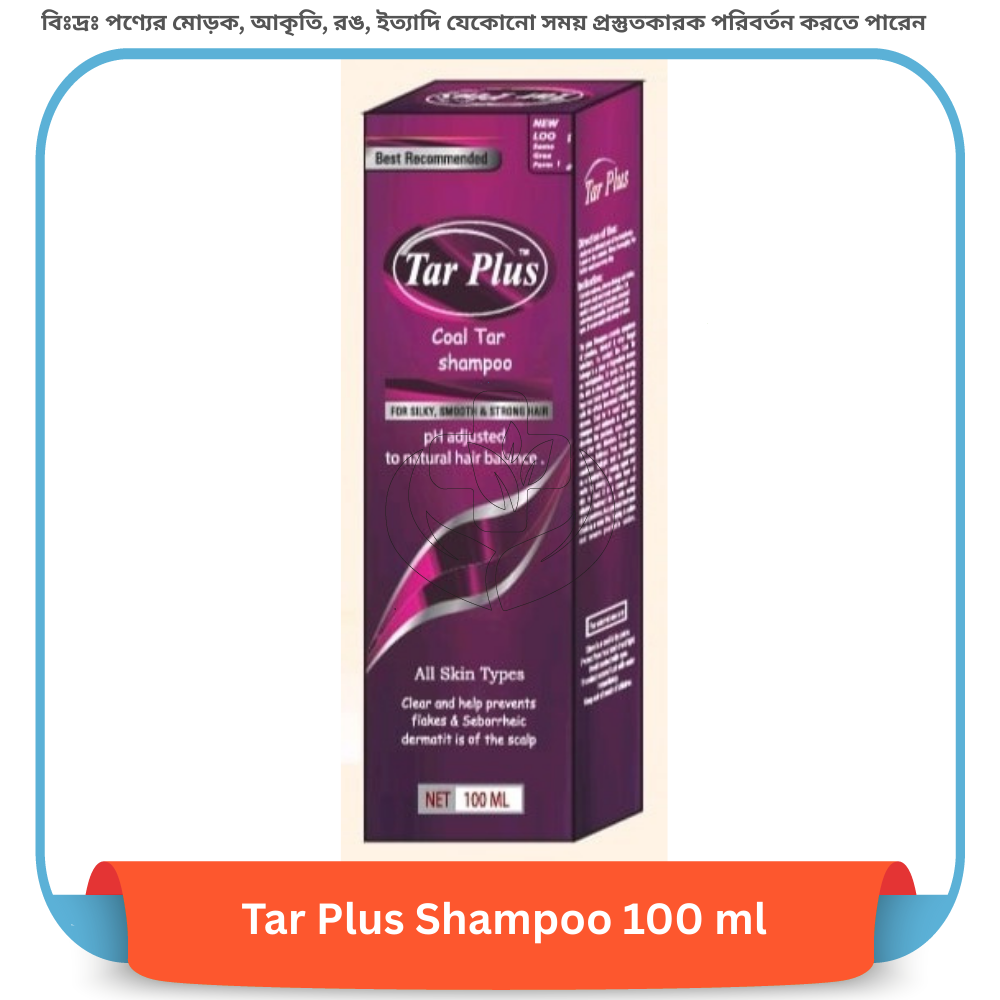
Tar Plus Shampoo 100 ml
+88 01568-208768
-

Senacap 500 Capsule 10 pcs
৳617.50 -
Xiovit D3 Pediatric Drops 30 ml
৳502.90 -
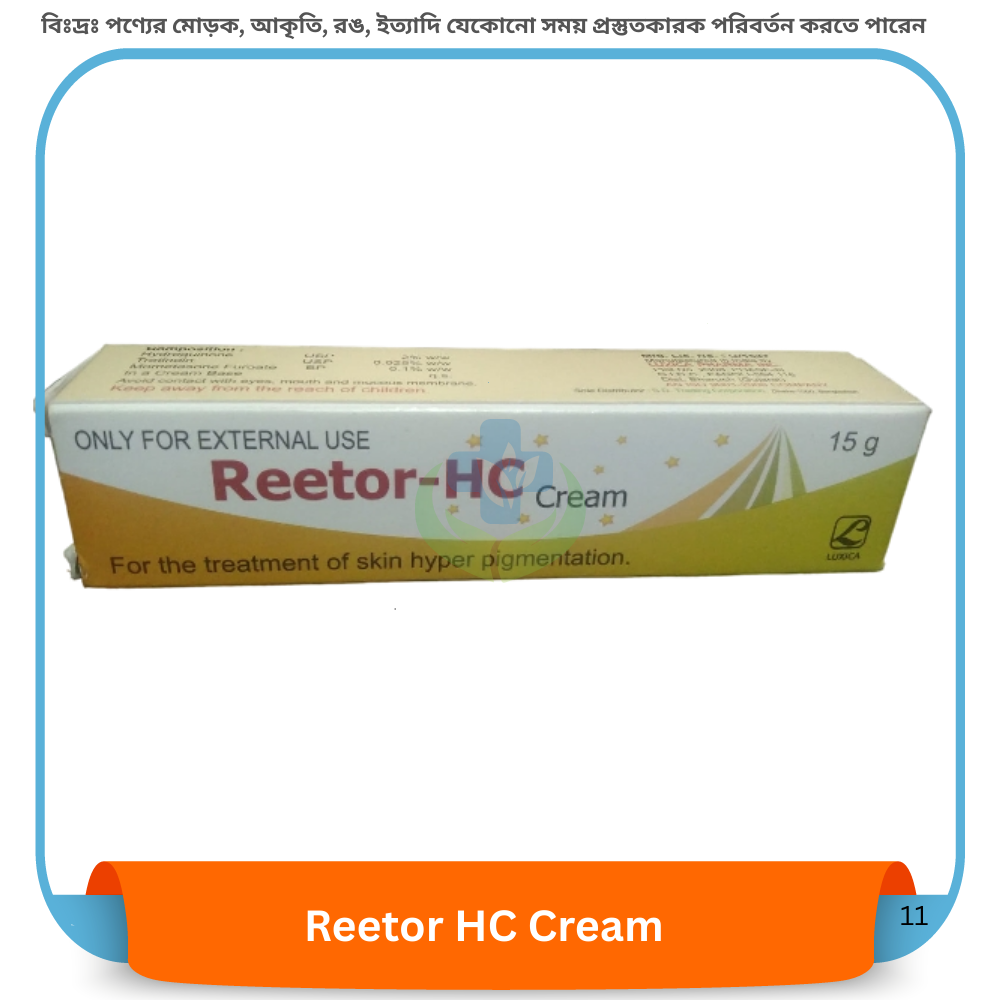
Reetor HC Cream 15 gm
৳841.30 -
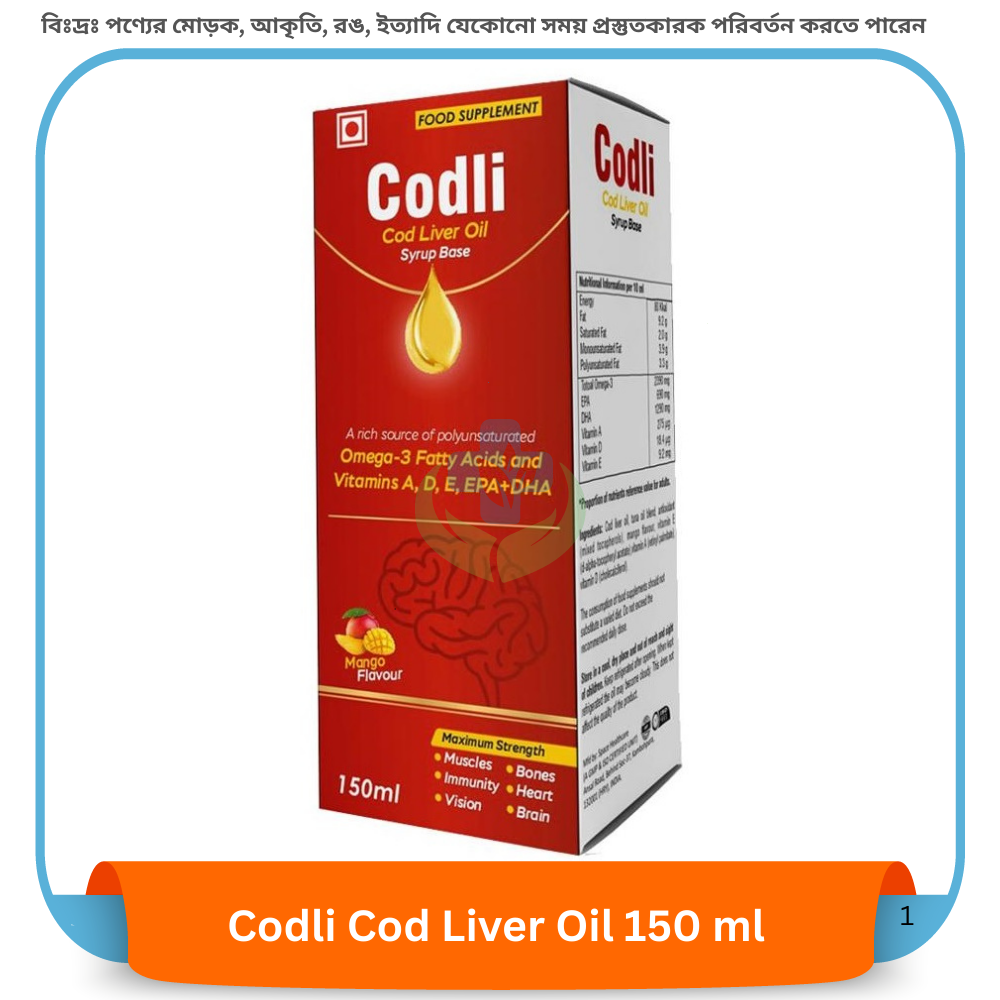
Codli Cod Liver Oil 150 ml
৳1,567.50 -
Nova-IQ Syrup 100 ml
৳714.40 -
INTEL-IQ Syrup 60 ml
৳700.00


Tar Plus Shampoo is
a coal-tar-based formulation that helps to calm and soothe an irritated scalp.
It is often available over-the-counter and is a recognized treatment for
various scaly, itchy skin disorders of the head and scalp. Its primary active
ingredient, coal tar, has been used in dermatology for over a century due to
its ability to manage persistent scalp issues effectively.
Benefits of Tar Plus Shampoo
The
main benefits of Tar Plus Shampoo include:
Ø Reducing excessive skin cell growth
Ø Alleviating itching and irritation
Ø Shedding dead skin cells from
the top layer of skin
Ø Controlling flaking and scaling associated
with dandruff and psoriasis
Ø Providing anti-inflammatory and antiseptic
properties to help prevent infection and
reduce redness
Ingredients of Tar Plus Shampoo
The
key active ingredient in most "Tar Plus" or similar shampoos is Coal Tar (usually
in concentrations from 0.5% to 5%). Other ingredients often include:
Ø Salicylic Acid: A
keratolytic agent that helps remove scales.
Ø Biotin, Keratin, Aloe Vera: Included in some
formulations to nourish and hydrate the hair and scalp.
Ø Common inactive ingredients: Water, sodium laureth sulfate,
cocamidopropyl betaine, fragrances, and preservatives.
Usage Instruction of Tar Plus
Shampoo
For
best results, users should follow these general guidelines:
Ø
Wet the hair thoroughly.
Ø
Apply a small amount of
shampoo to the affected scalp areas and gently massage it in to produce a
lather.
Ø
Leave the shampoo on the hair
and scalp for several minutes (typically 3-5 minutes, up to 10 minutes) to
allow the active ingredients to penetrate the scalp.
Ø
Rinse thoroughly with water.
Ø
Repeat the application if
directed by a doctor or product label.
Ø
Use
at least twice a week or as directed by a healthcare provider.
Side Effects of Tar Plus Shampoo
While
generally safe for most adults, some individuals may experience side
effects:
Ø Skin or scalp irritation, redness,
or a burning sensation at the application site.
Ø Increased sensitivity to
sunlight (photosensitivity), requiring the use of protective clothing or
sunscreen.
Ø Temporary discoloration of
gray, blonde, bleached, or tinted hair.
Ø Staining of skin or fabric.
Ø In rare cases, allergic reactions.
Related products
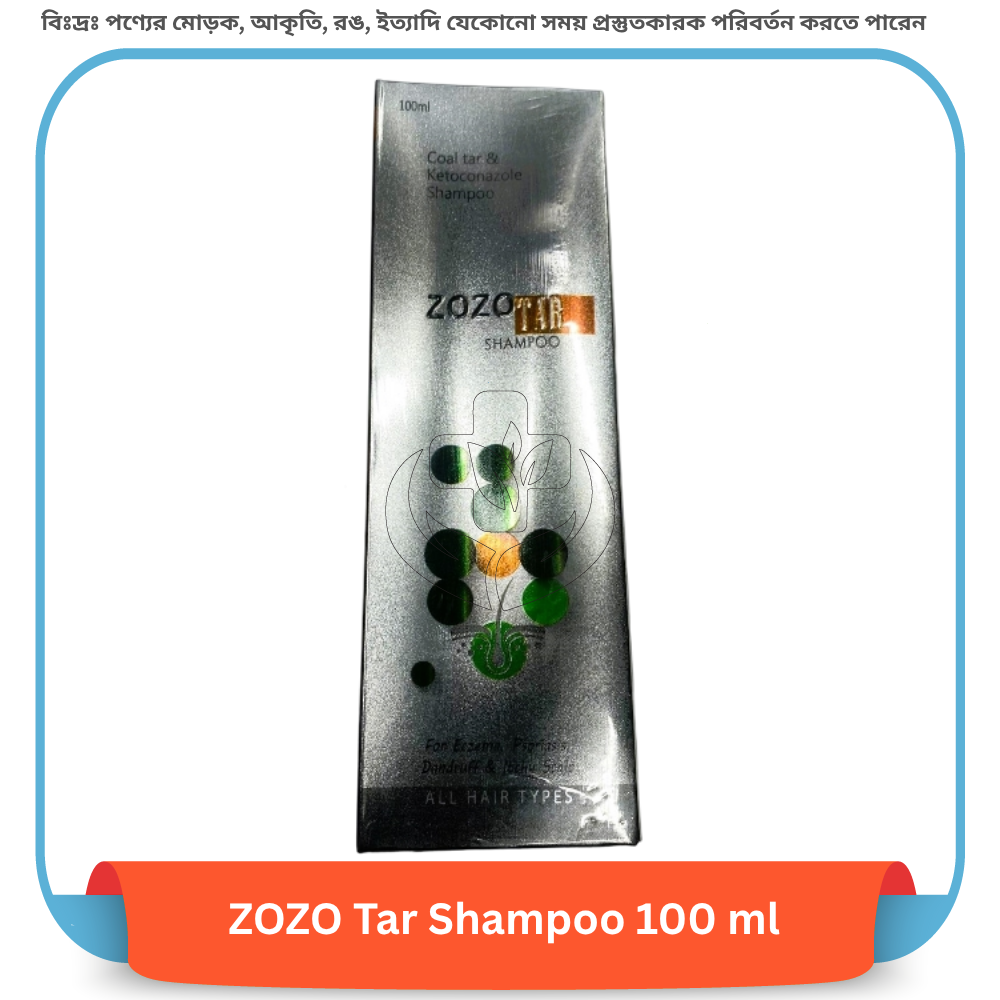
ZOZO Tar Shampoo 100 ml
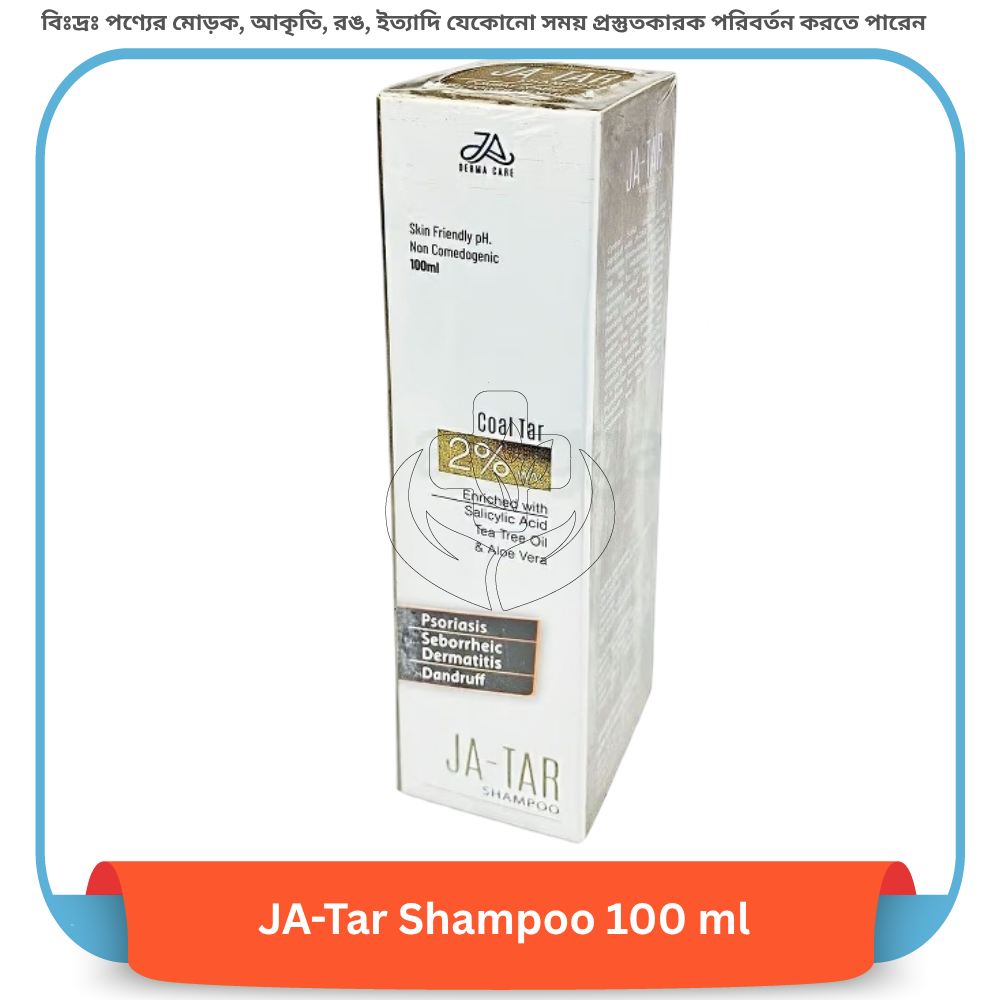
JA-Tar Shampoo 100 ml
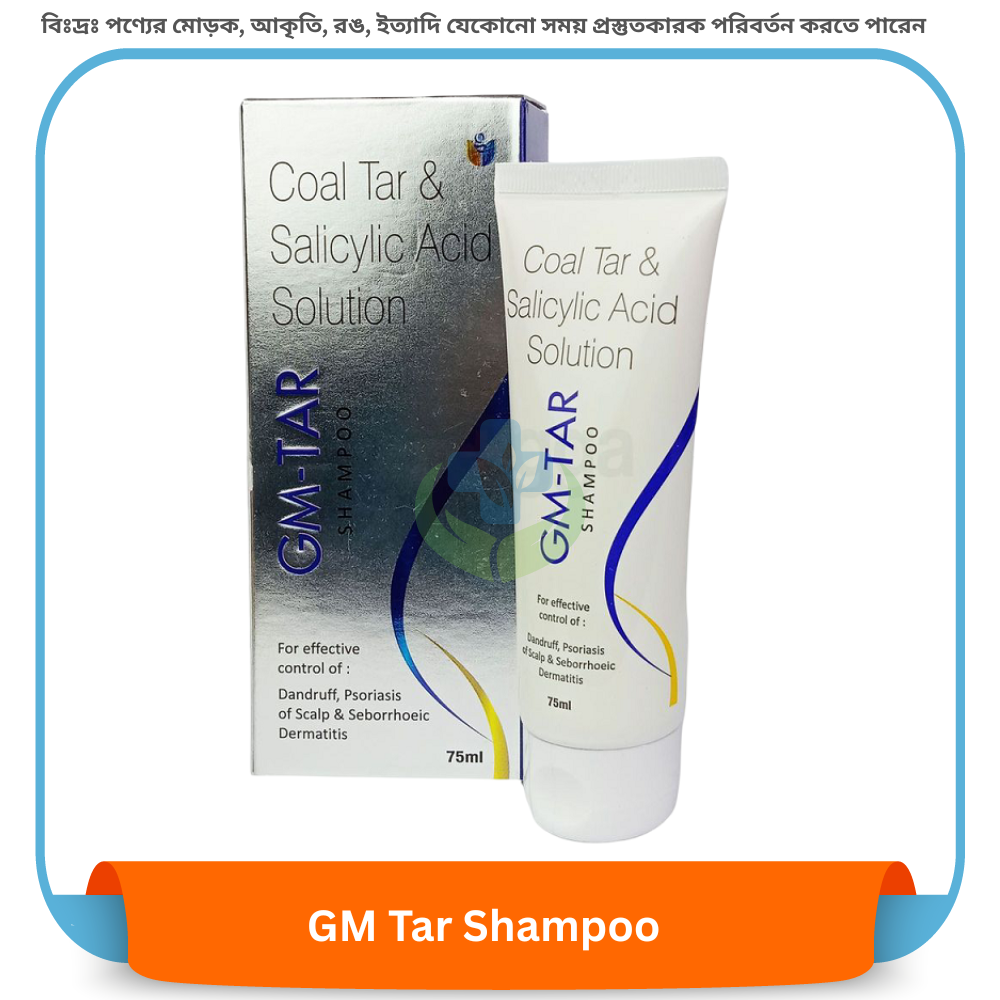
GM Tar Shampoo 75 ml
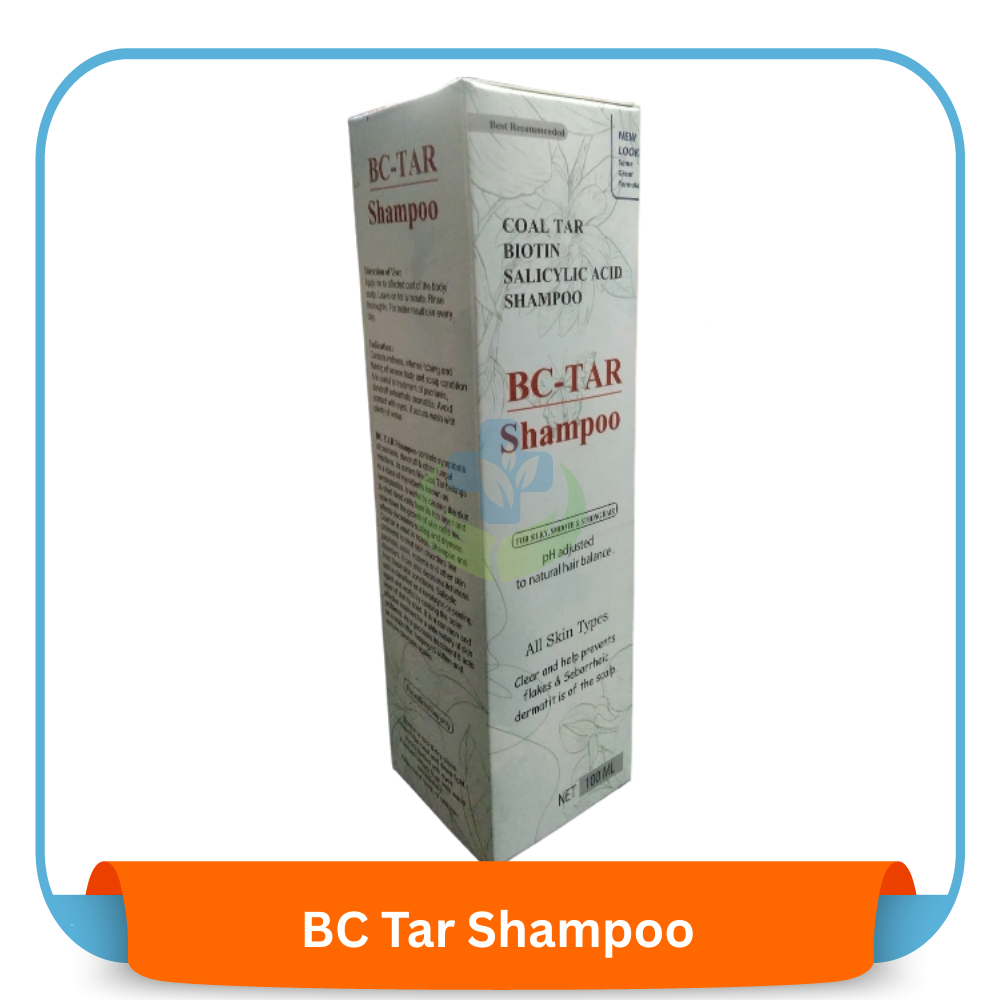
BC Tar Shampoo 100 ml
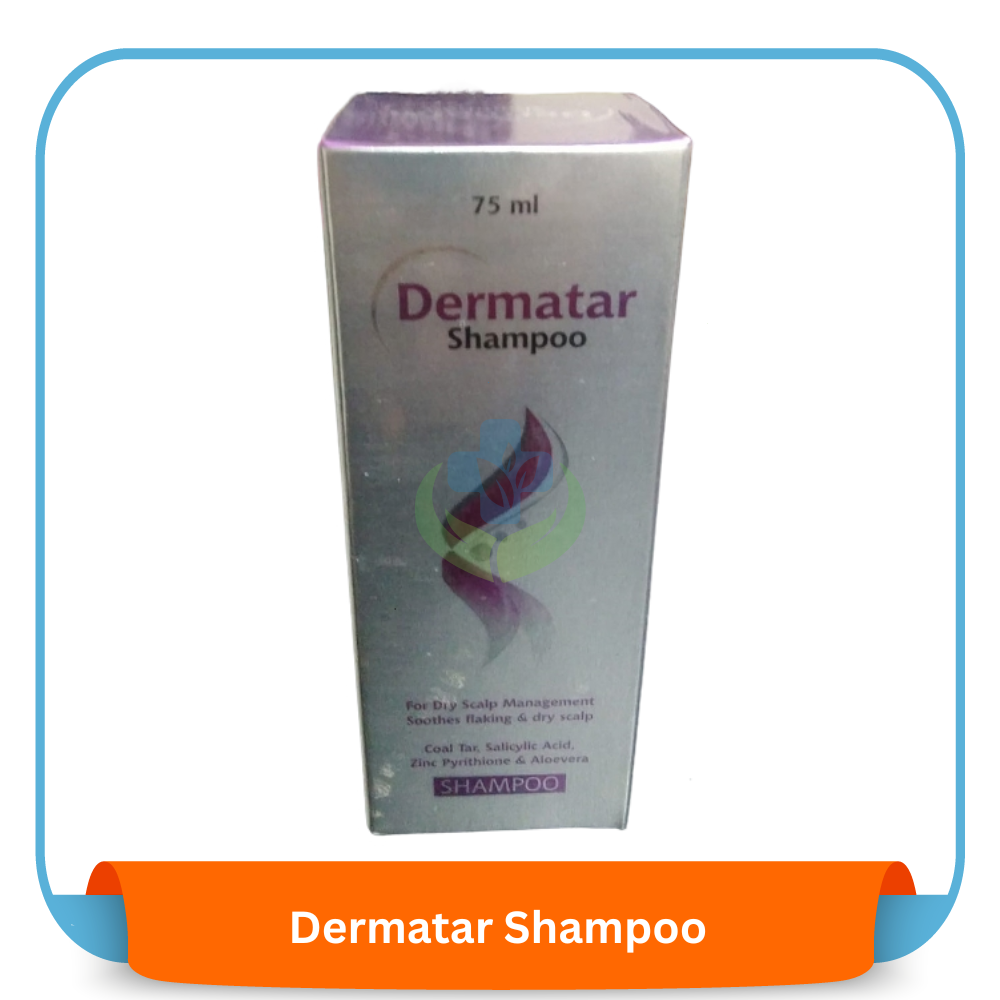
Dermatar Shampoo 75 ml


Contact Info
- Address: DOHS, Mirpur, Dhaka
- Phone: 01336 242 804
- Email: order@careonbd.com