








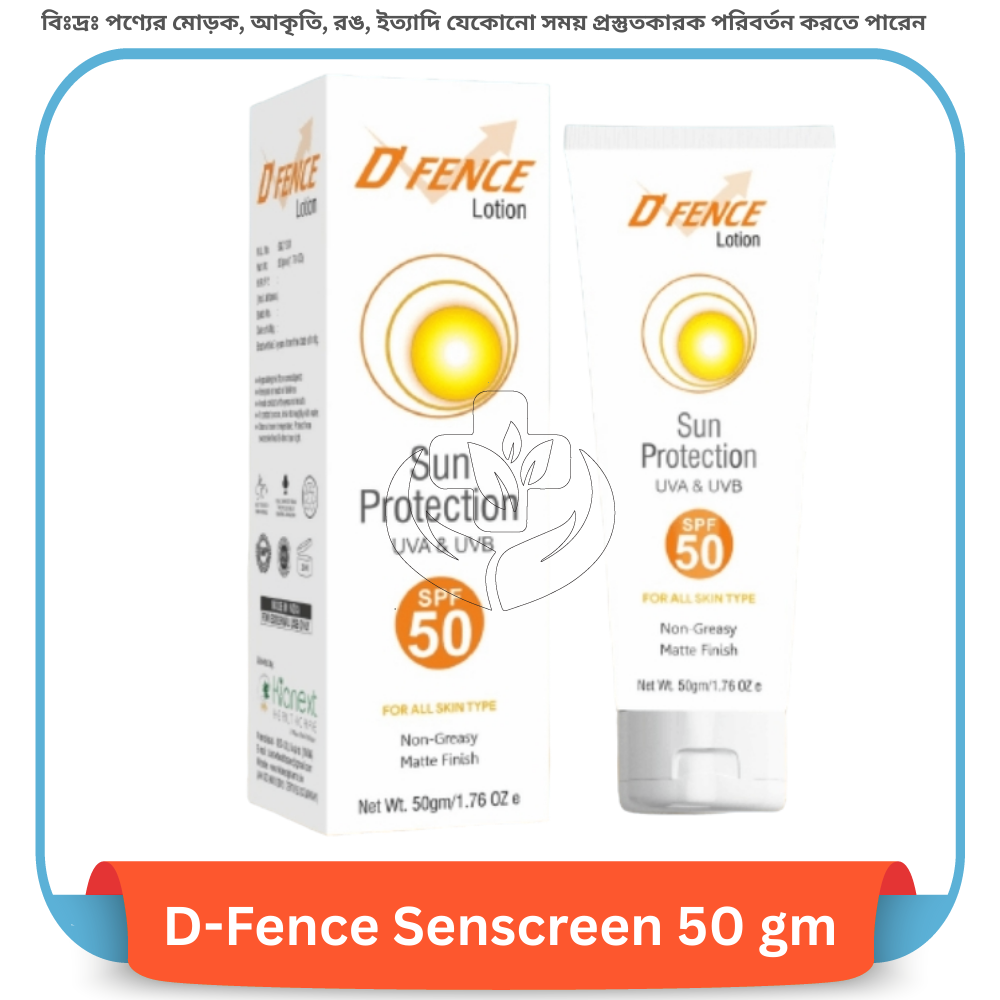
D-Fence Senscreen 50 gm
+88 01568-208768
-

Senacap 500 Capsule 10 pcs
৳617.50 -
Xiovit D3 Pediatric Drops 30 ml
৳502.90 -
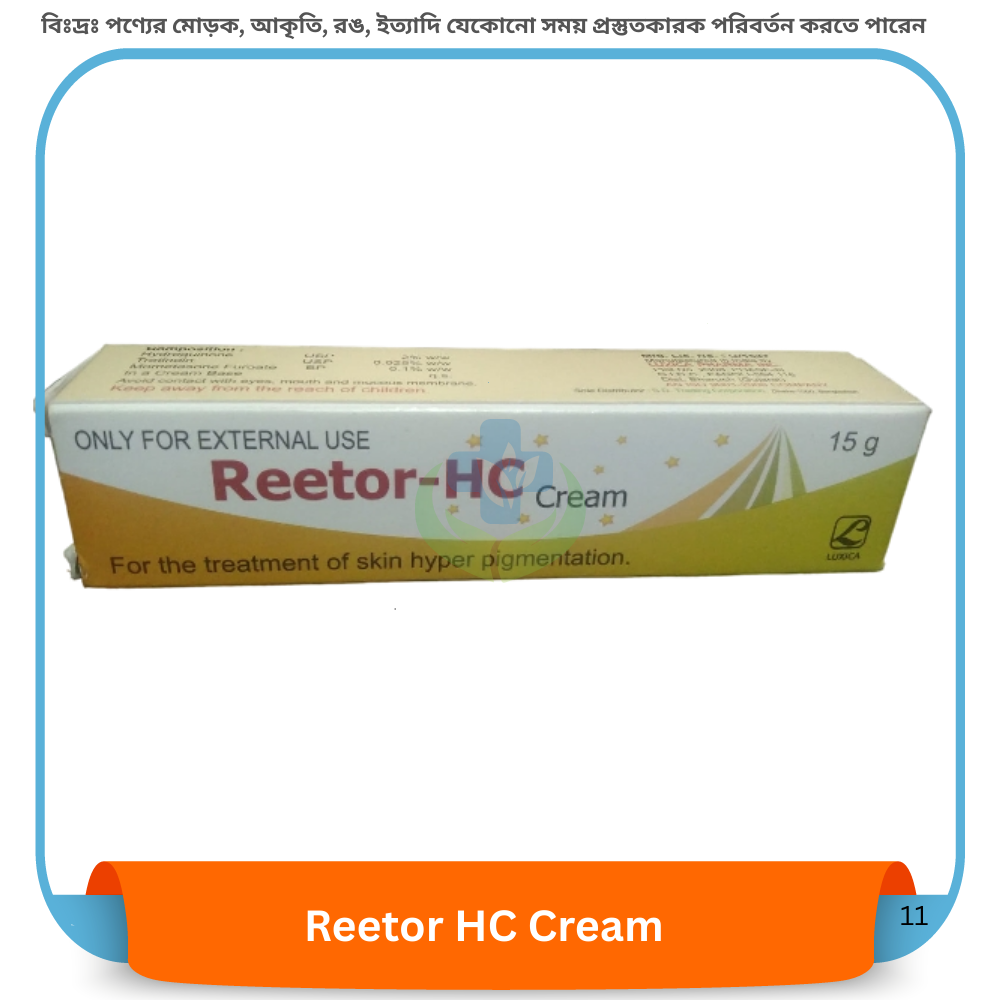
Reetor HC Cream 15 gm
৳841.30 -
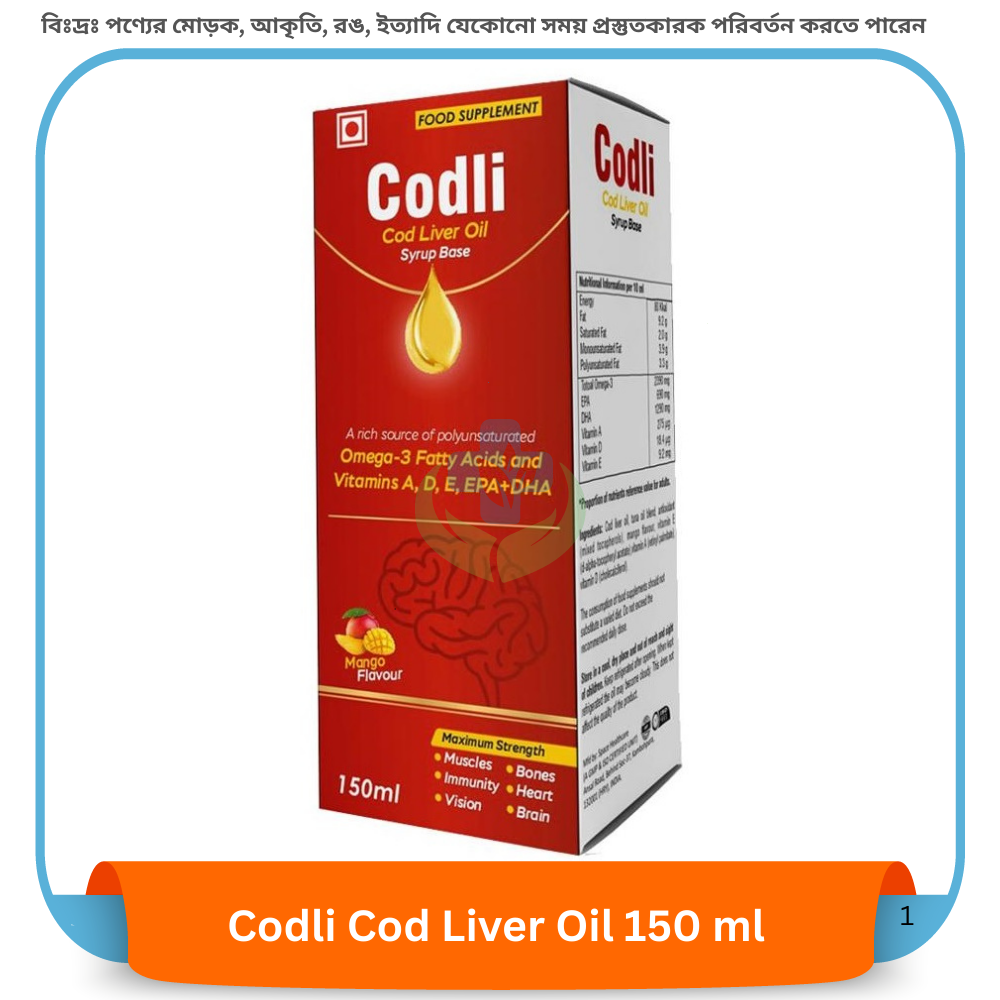
Codli Cod Liver Oil 150 ml
৳1,567.50 -
Nova-IQ Syrup 100 ml
৳714.40 -
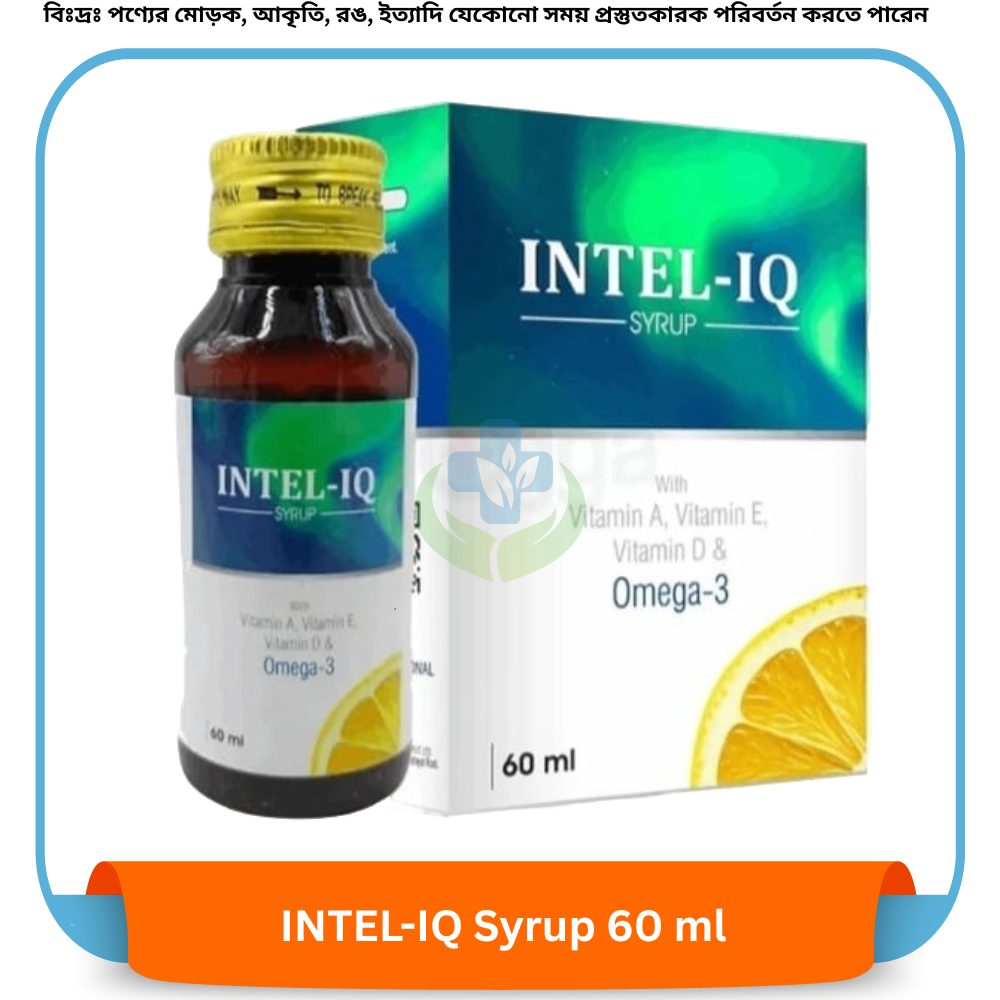
INTEL-IQ Syrup 60 ml
৳700.00
D-Fence Sunscreen, against the sun's harmful
radiation to help prevent sunburn, premature aging, and reduce the risk of skin
cancer. Its advanced silicone-based gel formula is lightweight, quickly
absorbed, and leaves no white cast, making it an ideal last step in a morning
skincare routine.
Benefits of D-Fence Sunscreen:
Ø Broad-Spectrum Protection: Offers SPF 50+ to
protect against both UVA and UVB rays.
Ø Cosmetic Elegance: Provides a matte finish
with no white cast and a non-oily feel, making it suitable for daily use and
ideal for oily skin.
Ø Water-Resistant Formula: The waterproof formula
ensures long-lasting protection, even during physical activity.
Ø Dermatologically Tested: The product is
clinically proven, dermatologically tested, and non-comedogenic, meaning it
won't clog pores.
Ø Prevents Skin Damage: Regular use helps
prevent hyperpigmentation, photoaging (wrinkles and sun spots), and sun
damage.
Ingredients of D-Fence Sunscreen:
While
the specific proprietary blend is not fully disclosed in the snippets, the
product is a silicone-based gel made with quality, dermatologically tested
ingredients.
Ø It is a silicone
sunscreen gel formula.
Ø Sunscreens contain active
ingredients that either reflect, absorb, or scatter UV radiation, which
typically includes mineral filters like zinc oxide and titanium dioxide or
organic chemical filters.
Ø The product is formulated to
be safe and does not cause skin allergies or reactions.
Usage Instruction of D-Fence
Sunscreen:
For
optimal sun protection, follow these instructions:
Ø Apply the sunscreen as
the last step in your morning skincare regimen.
Ø Apply liberally and evenly to
all exposed skin areas before sun exposure.
Ø Reapply the product every 6
hours under normal conditions.
Ø Reapply every 1 to 2 hours if
you are continuously sweating, swimming, or towel drying.
Side Effects of D-Fence Sunscreen:
The
D'Fence sunscreen is formulated to minimize side effects and is suitable for
all skin types.
Ø It is designed not to cause
skin allergies or irritation.
Ø Like other sunscreens, some
potential issues might include minor skin irritation for very sensitive
individuals or, in general, concerns about potential reduced Vitamin D
synthesis with extensive use.
Ø Overall, scientific literature and the manufacturer suggest that sunscreen ingredients are generally safe and the benefits of preventing sun damage and skin cancer outweigh potential minimal risks.
Related products
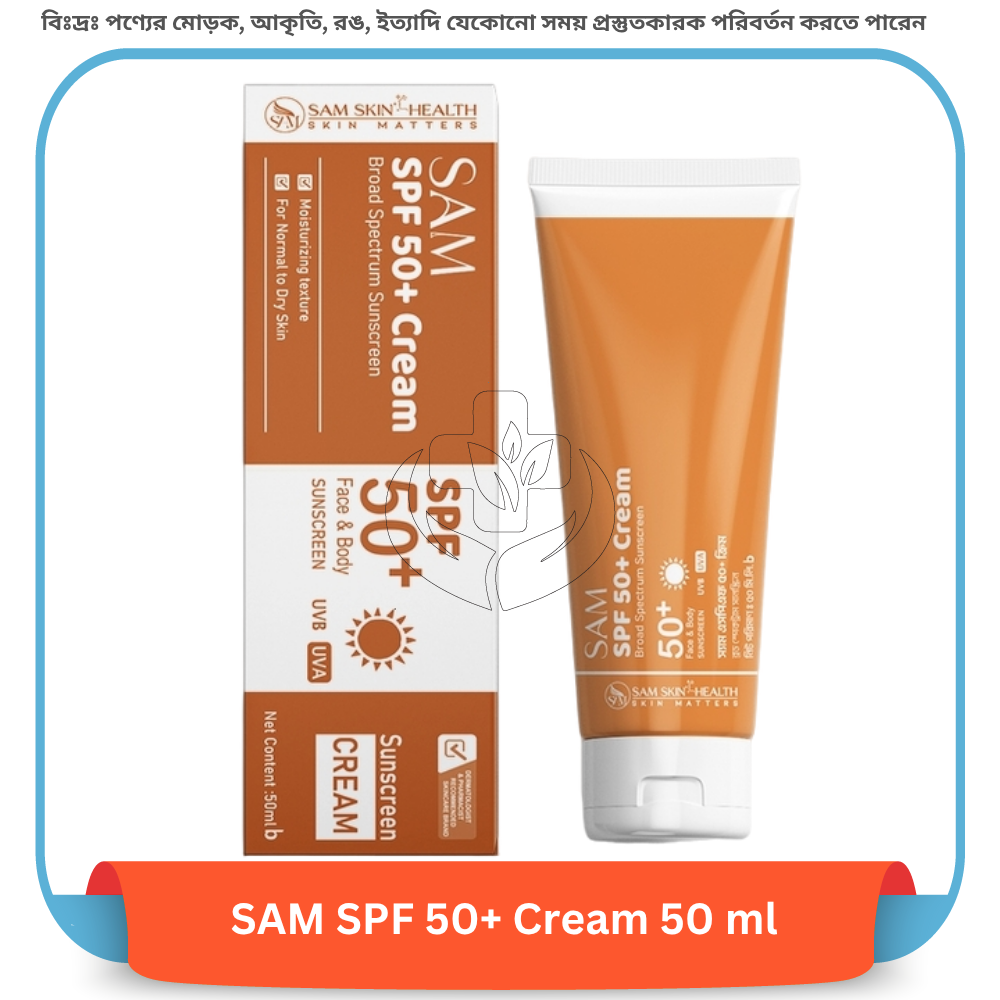
SAM SPF 50+ Cream 50 ml
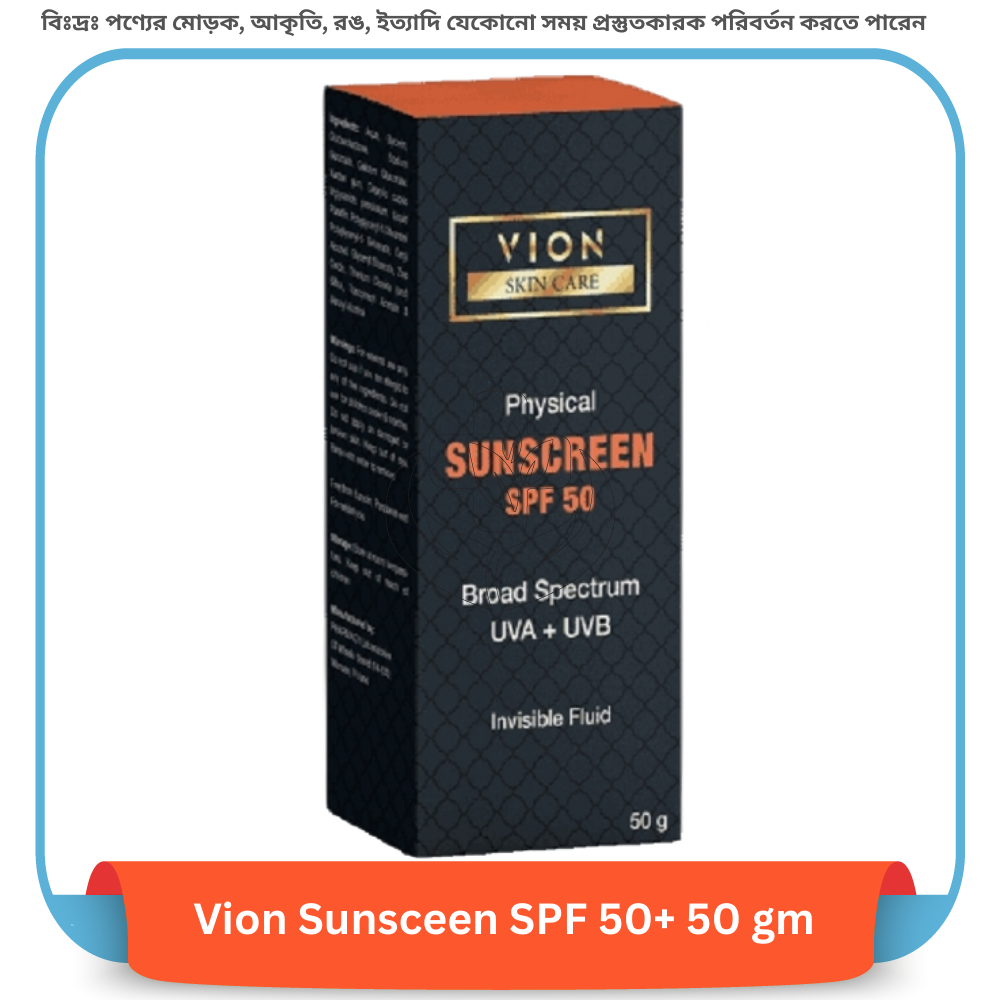
Vion Sunsceen SPF 50+ 50 gm
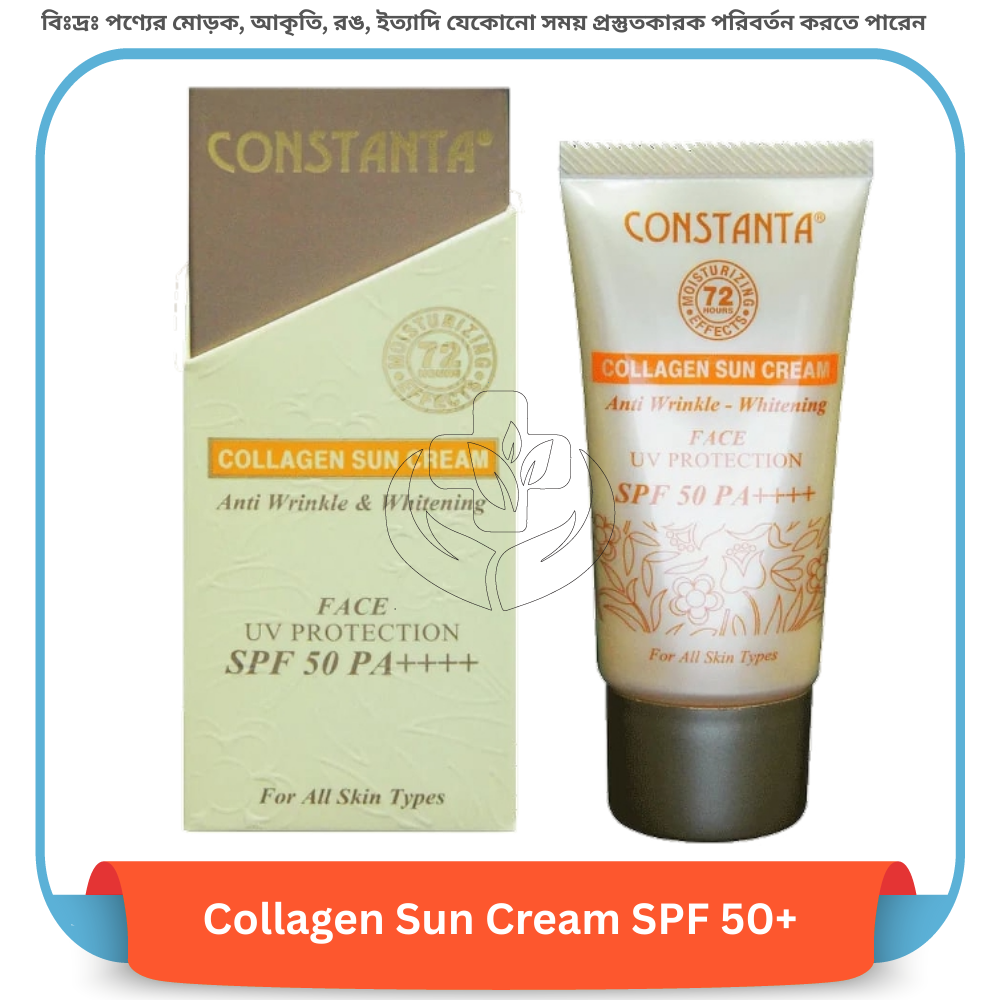
Constanta Collagen Sun Cream SPF 50+ 30 ml
Ranong Spc SPF 50+ 50 gm
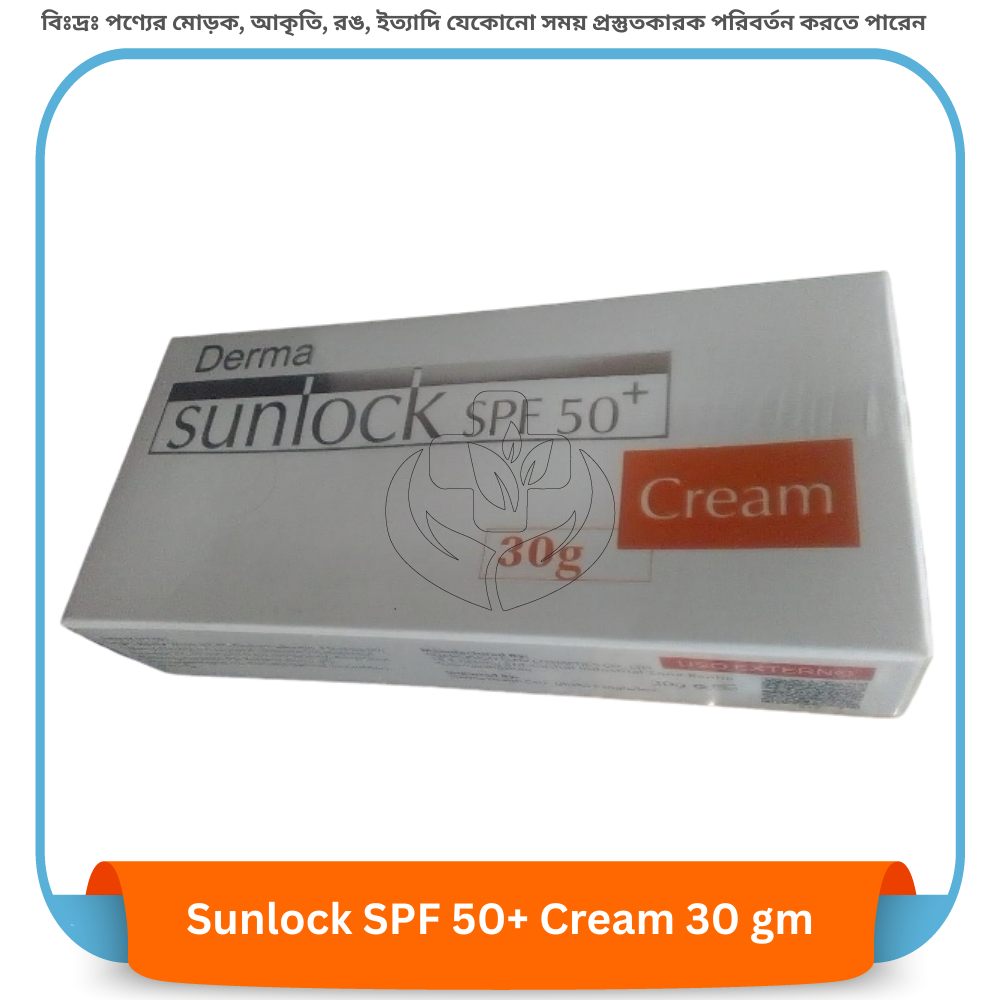
Sunlock SPF 50+ Cream 30 gm
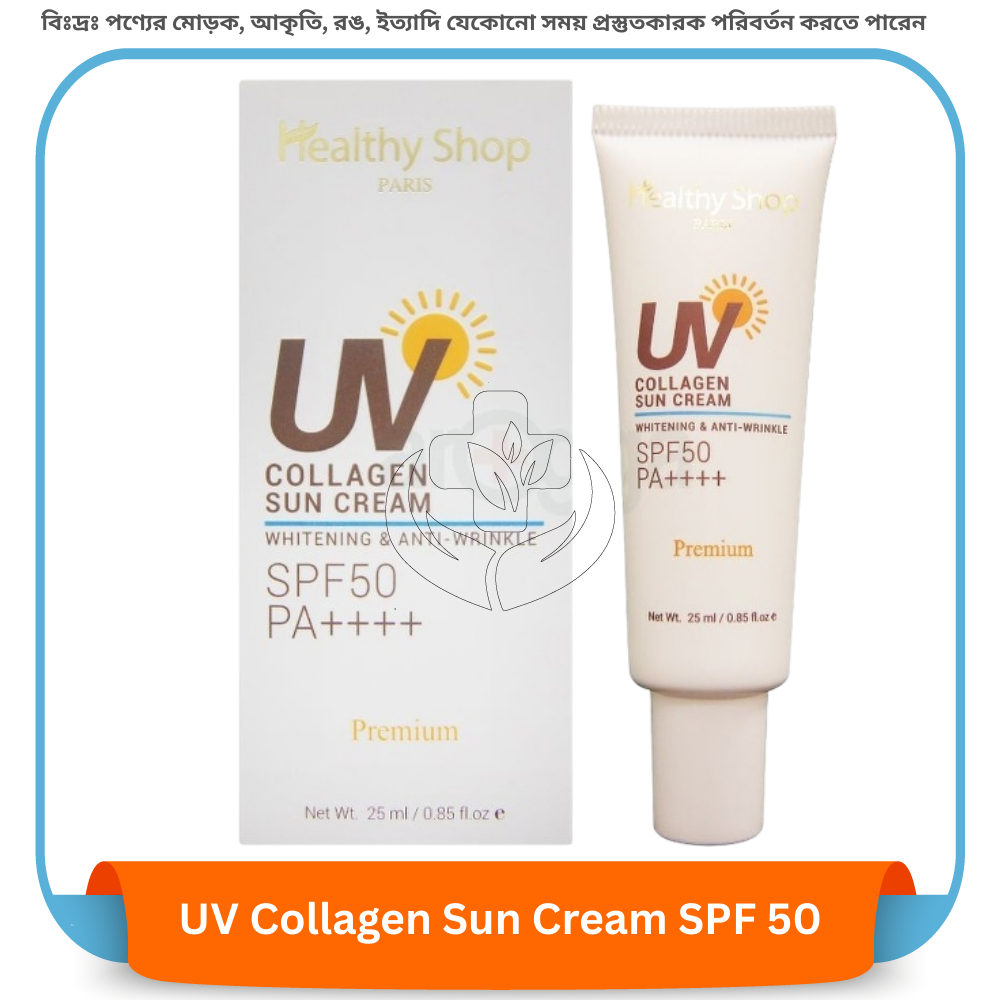
Healthy Soap UV Collagen Sun Cream SPF 50+ 25ml
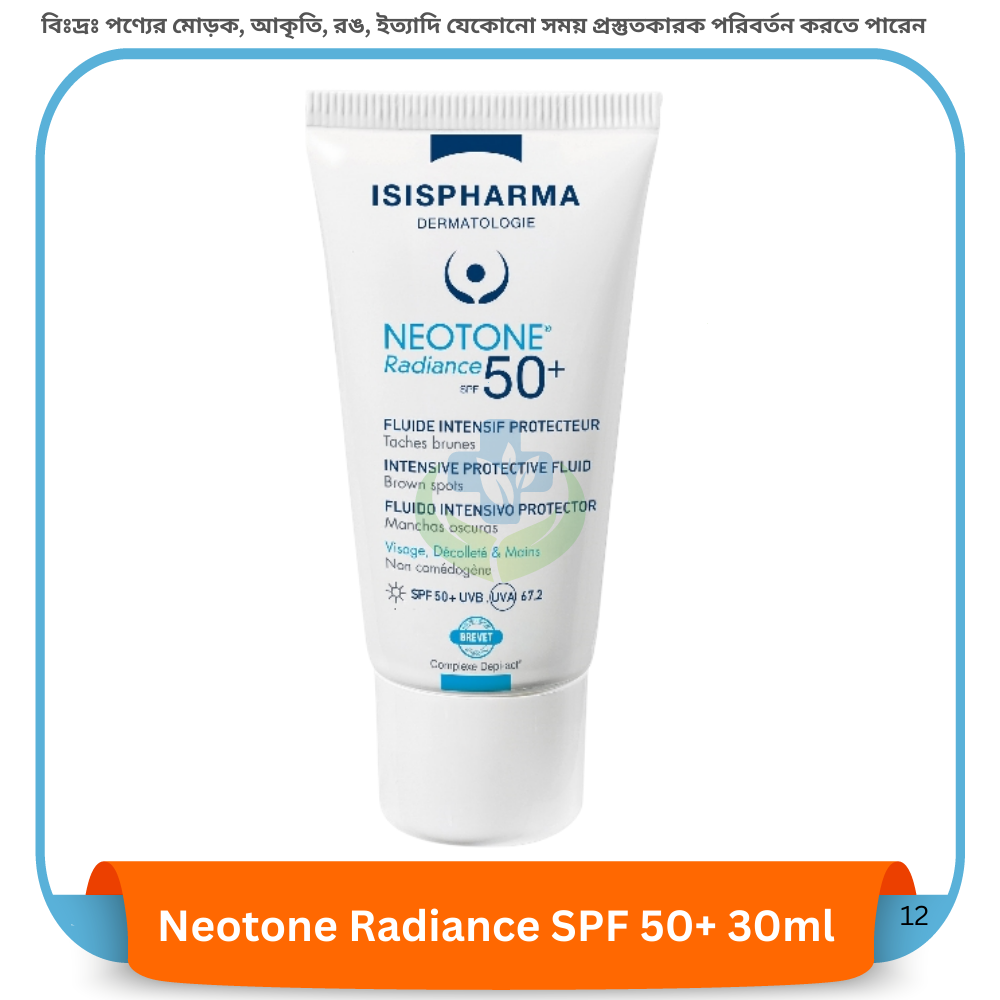
Neotone Radiance SPF 50+ 30ml
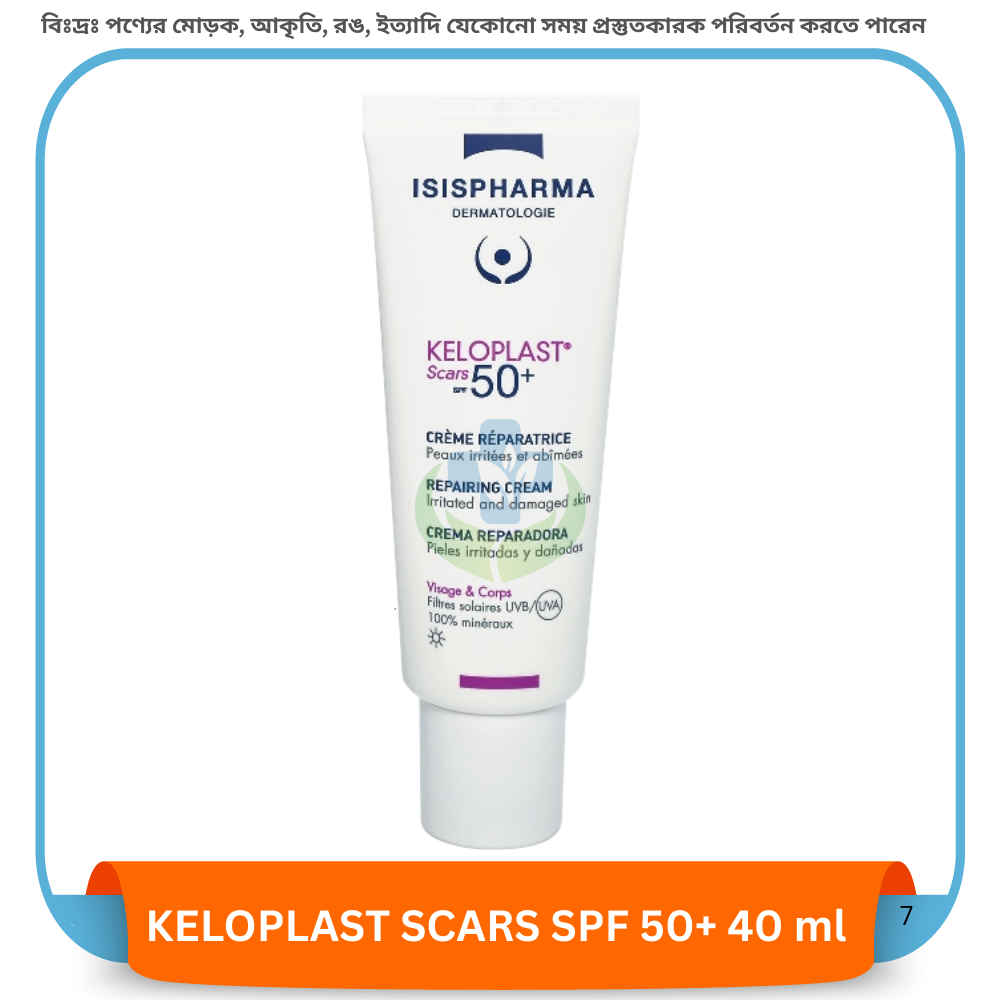
KELOPLAST SCARS SPF 50+ 40 ml
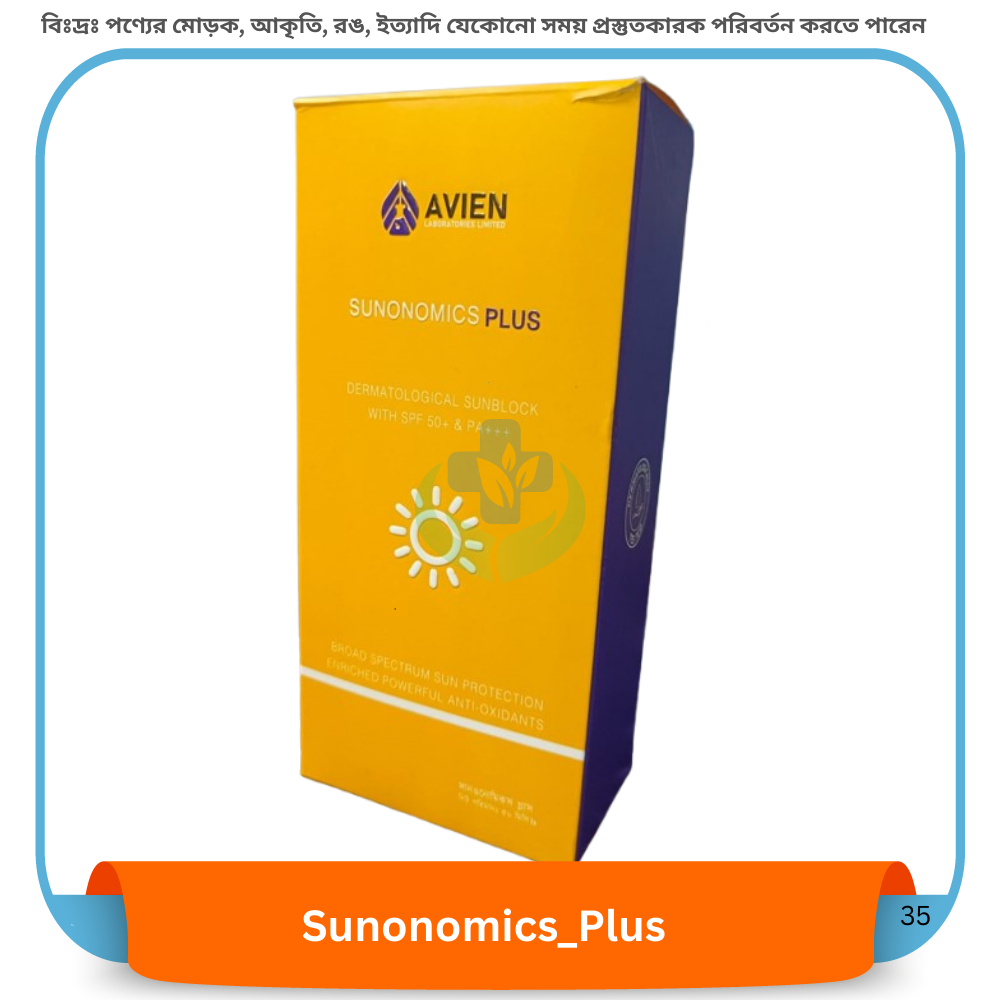
Sunonomics Plus 50 ml
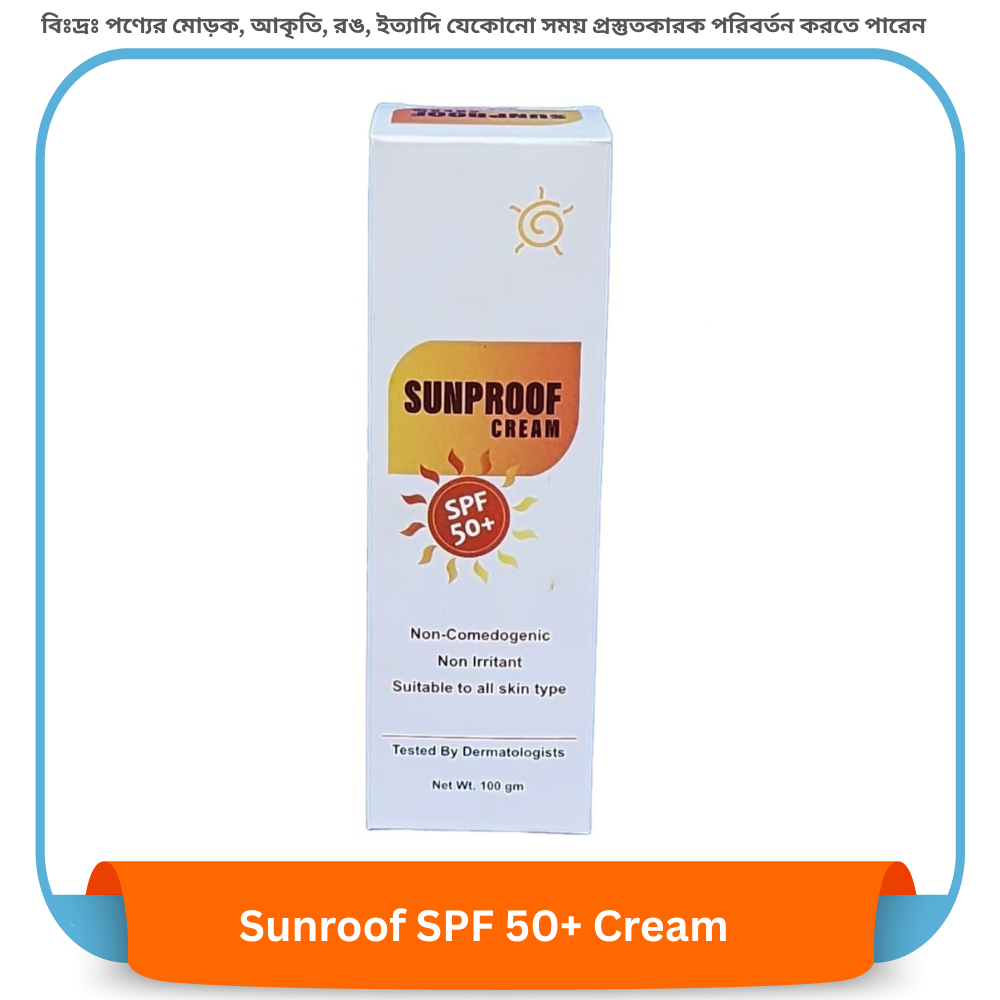
Sunroof SPF 50+ Cream 100 gm
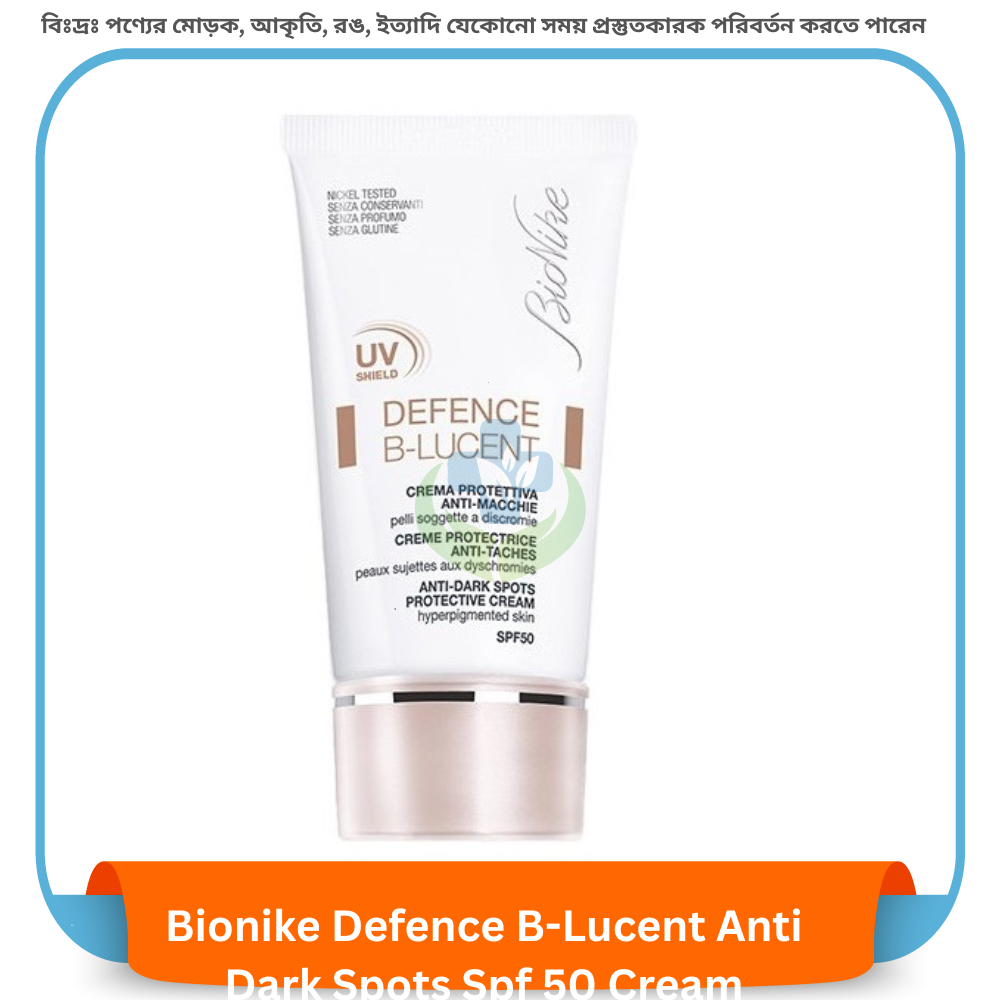
Bionike Defence B-Lucent Anti Dark Spots Spf 50 Cream 40ml
Sunrion Sunscreen Cream 50 gm
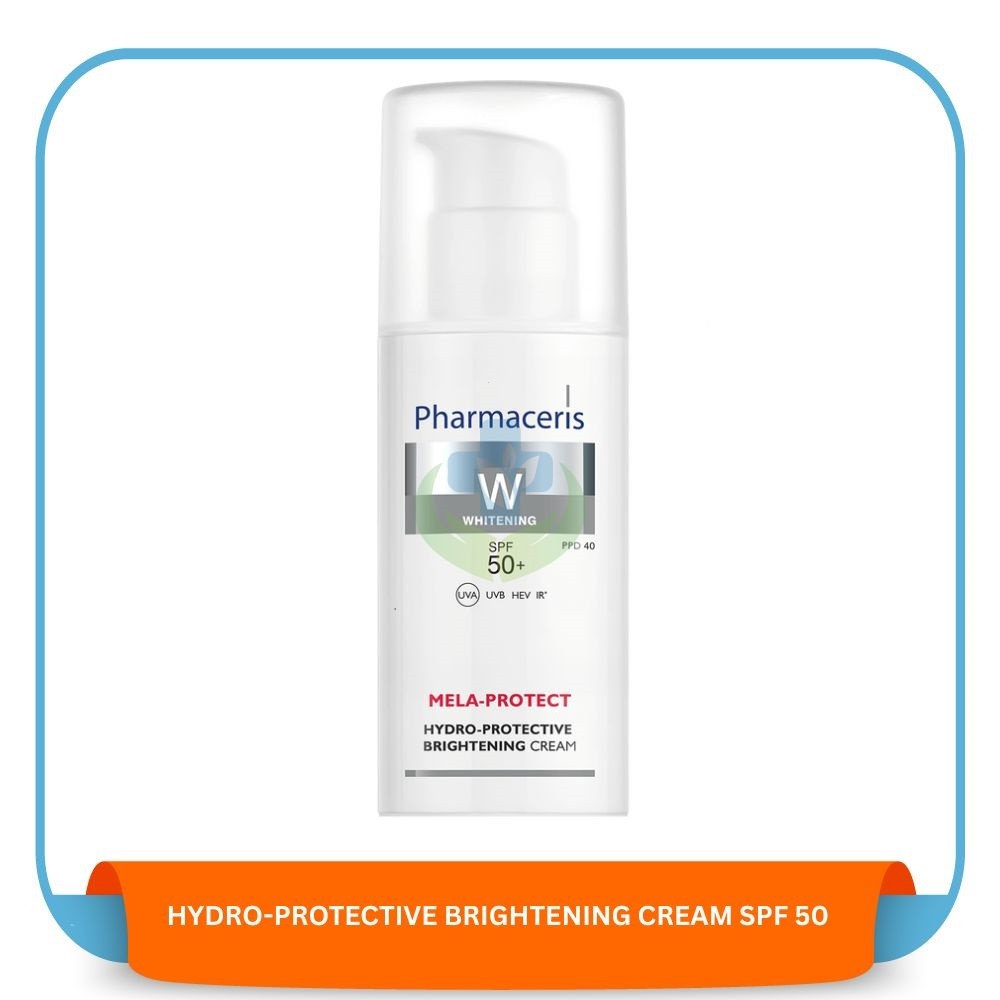
HYDRO-PROTECTIVE BRIGHTENING CREAM SPF 50+ 50 ml


Contact Info
- Address: DOHS, Mirpur, Dhaka
- Phone: 01336 242 804
- Email: order@careonbd.com