







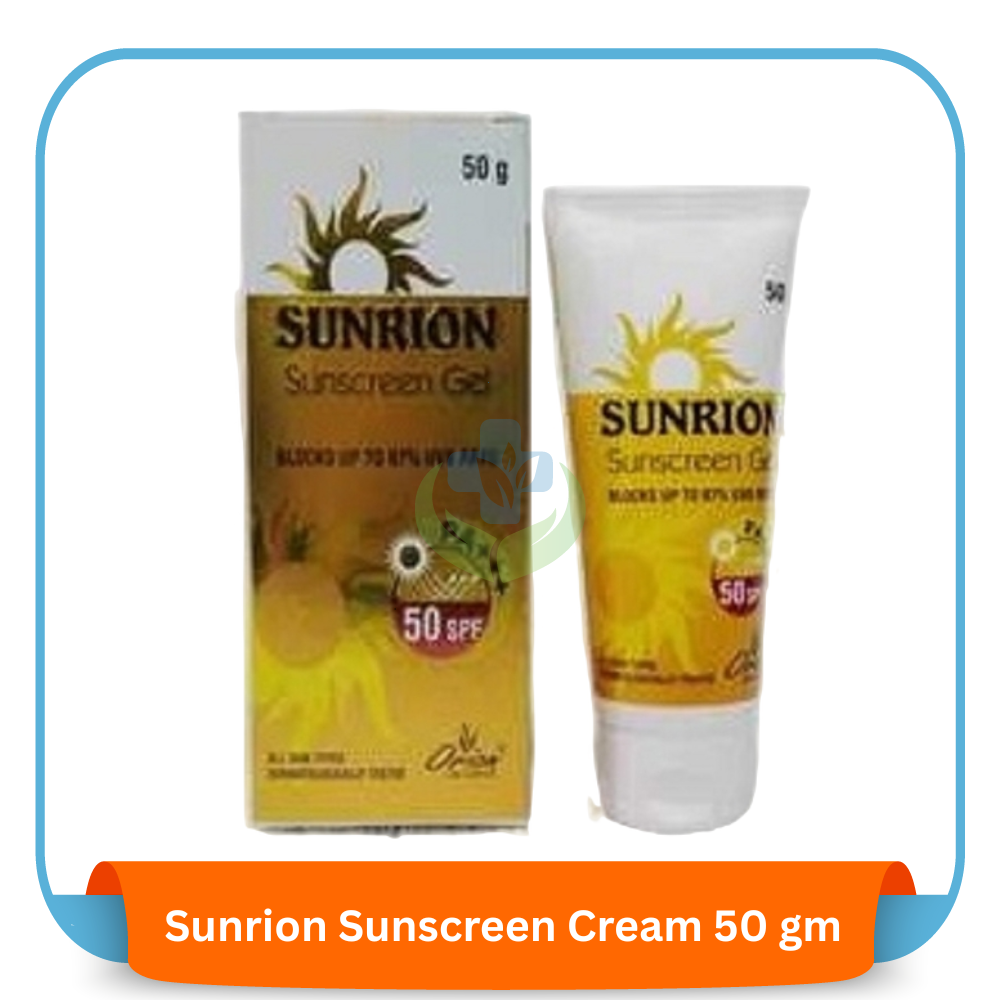
Sunrion Sunscreen Cream 50 gm
+88 01568-208768
-

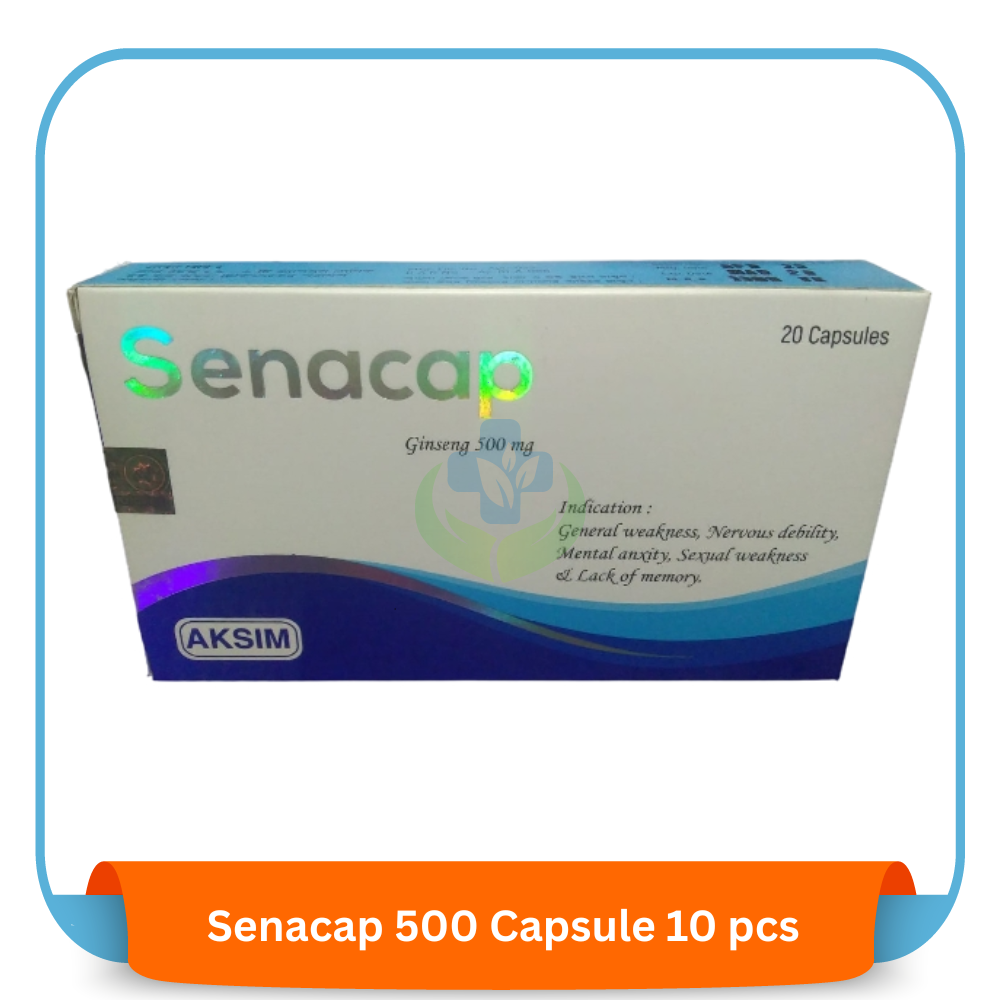
Senacap 500 Capsule 10 pcs
৳617.50 -
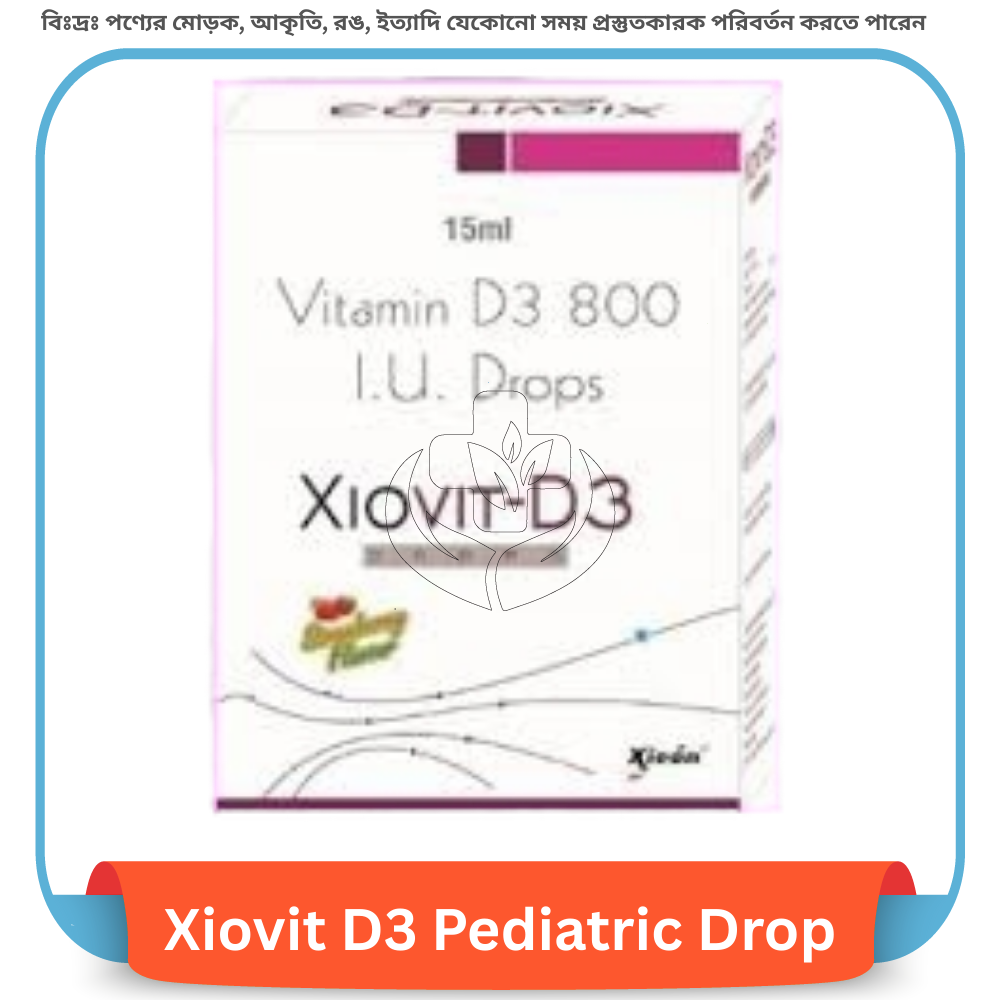
Xiovit D3 Pediatric Drops 30 ml
৳502.90 -
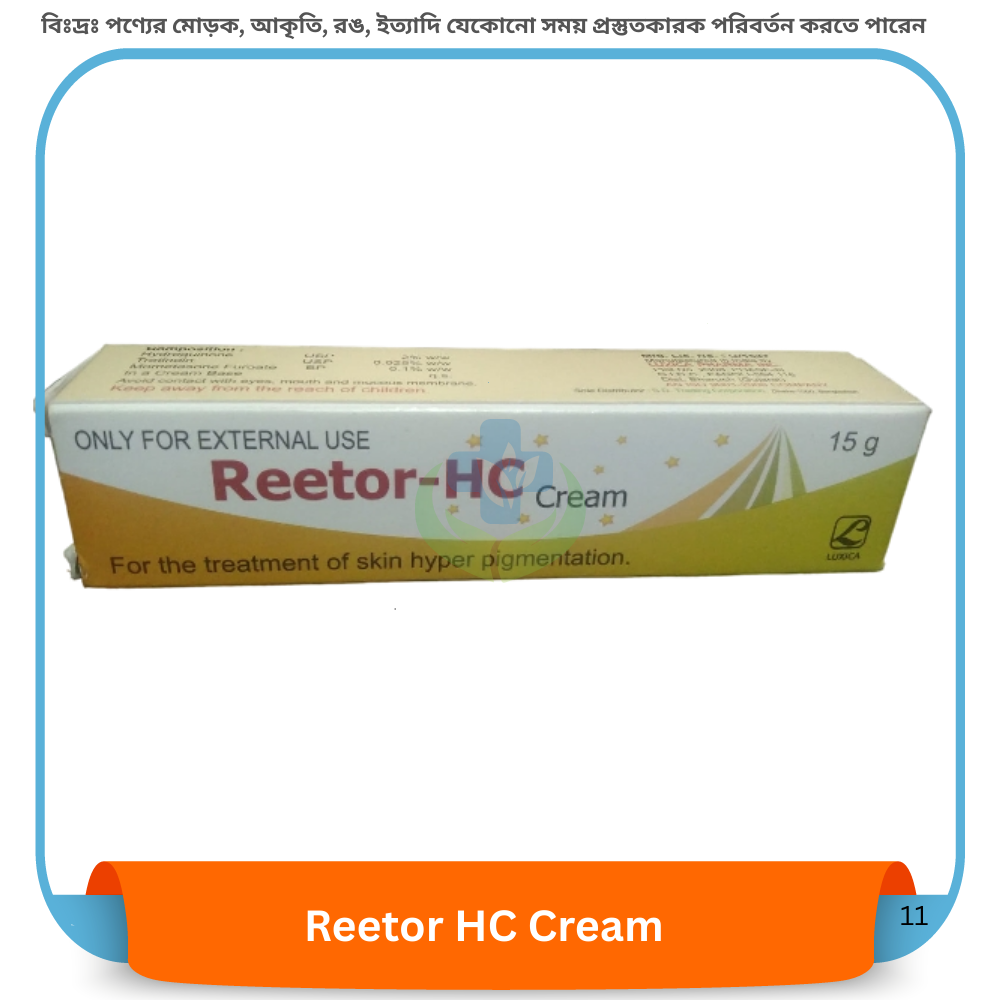
Reetor HC Cream 15 gm
৳841.30 -
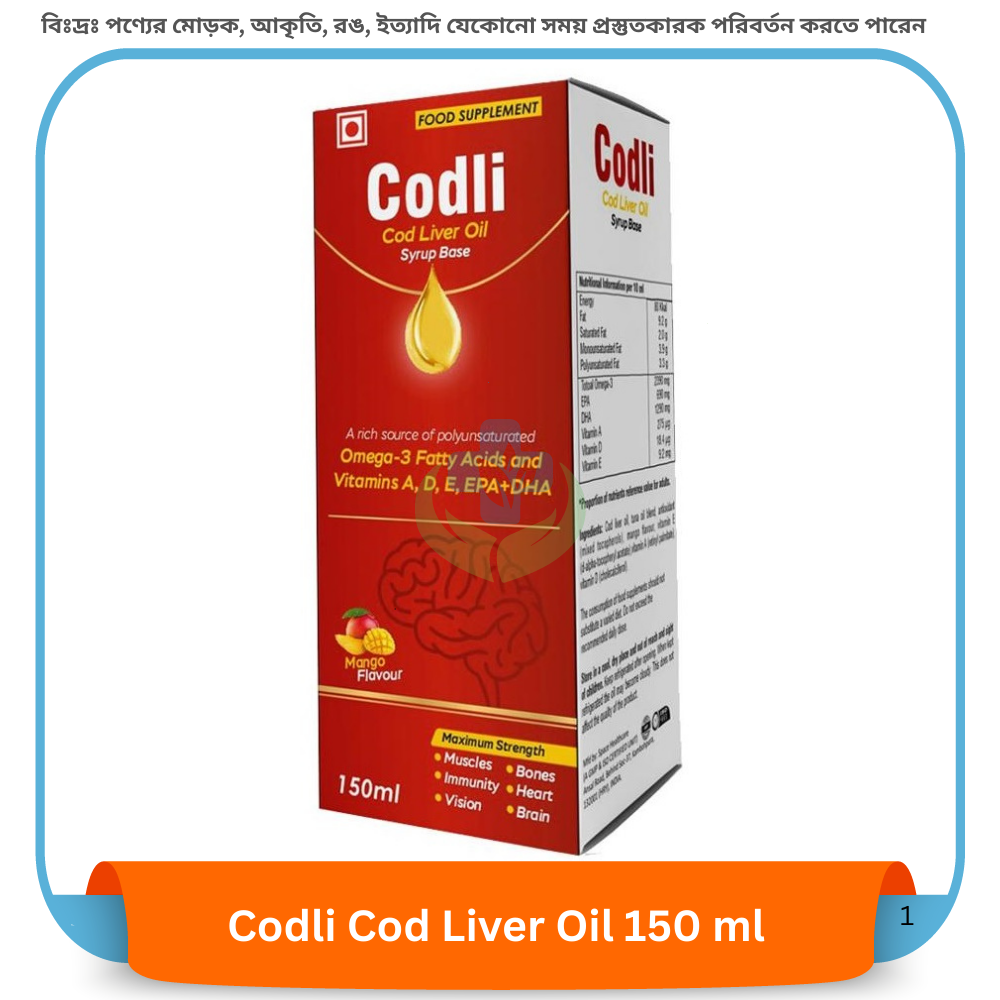
Codli Cod Liver Oil 150 ml
৳1,567.50 -
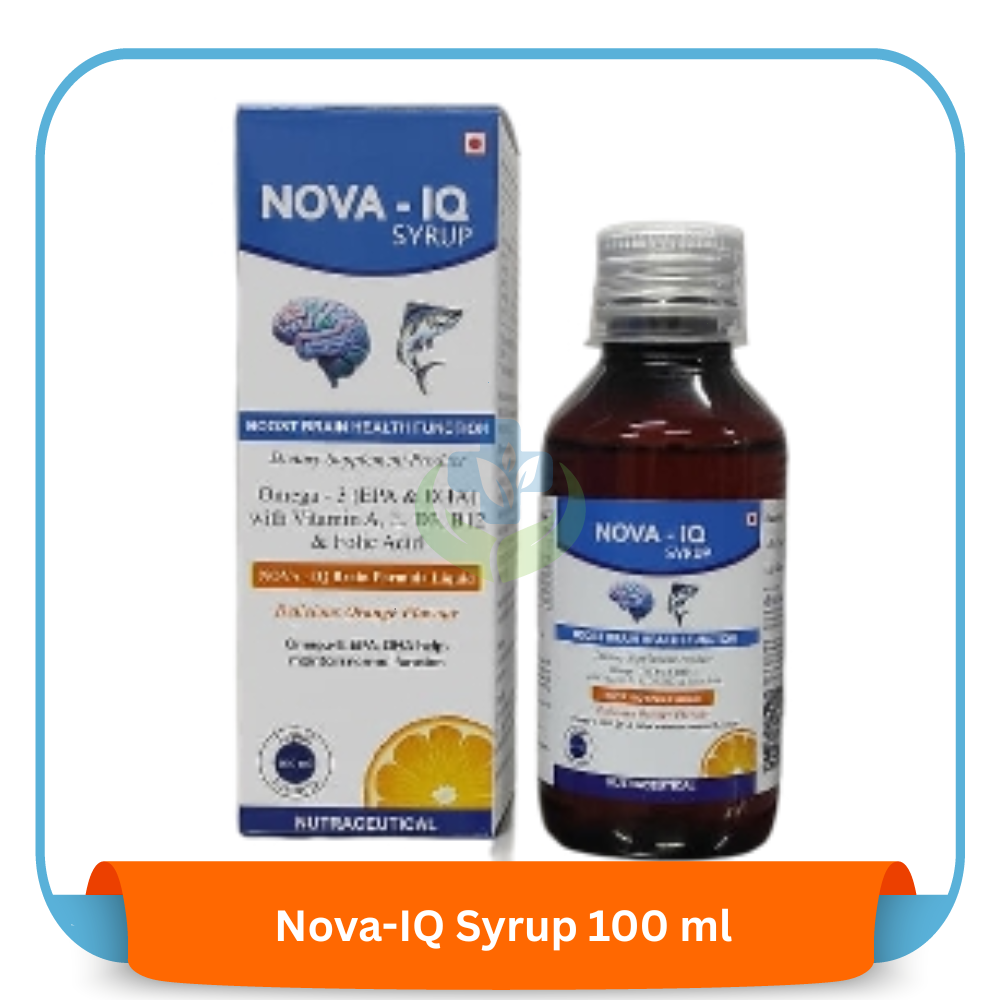
Nova-IQ Syrup 100 ml
৳714.40 -
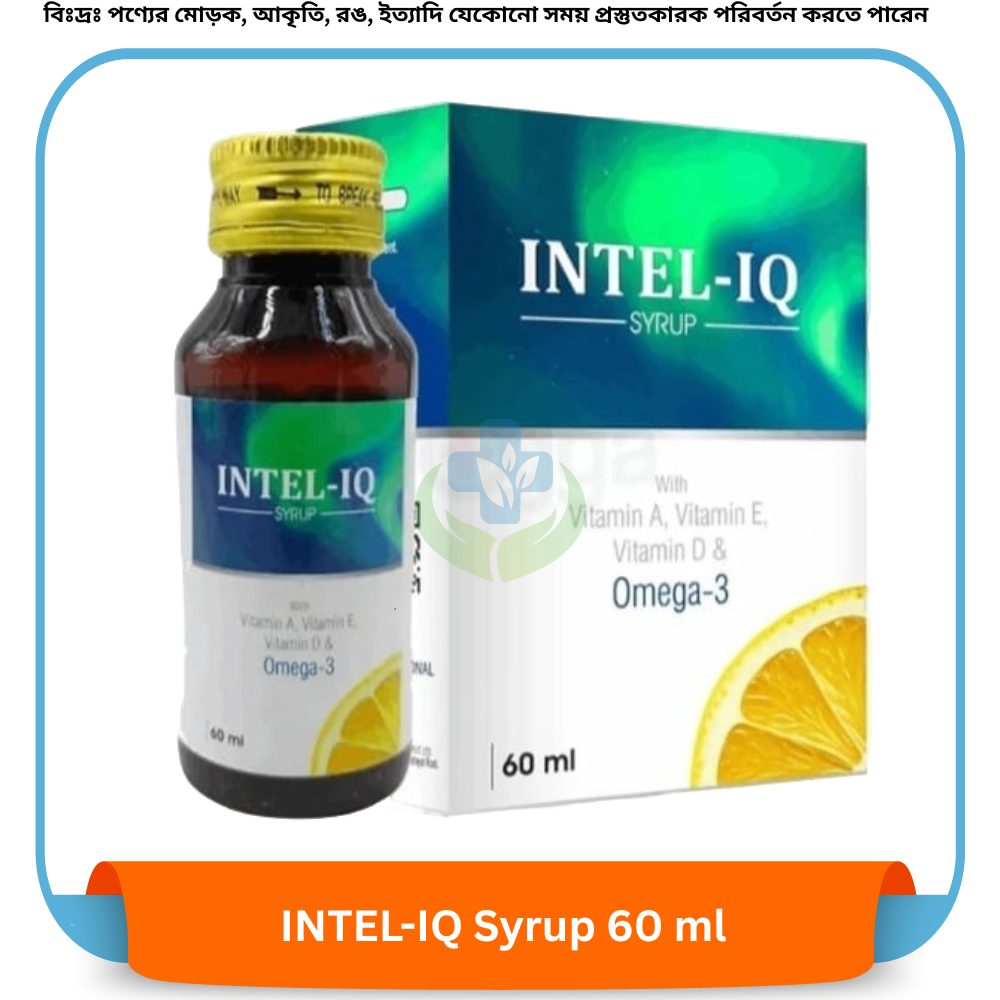
INTEL-IQ Syrup 60 ml
৳700.00
Sunrion Sunscreen Cream provides SPF 50
protection, meaning it is estimated to filter approximately 98% of
incoming UVB radiation when applied correctly. It is marketed for its ability
to shield the skin from sun damage, helping to prevent sunburn, premature aging
(like wrinkles), and skin cancer risk. The product often uses advanced
formulations, potentially incorporating dry-touch or non-greasy technology to
ensure a comfortable finish, suitable for various skin types.
Benefits of Sunrion Sunscreen:
Ø High UV Protection: Offers SPF 50 protection
against a broad spectrum of UVA and UVB rays.
Ø Prevents Skin Damage: Regular use helps prevent
sunburn, premature aging, and decreases the risk of skin cancer.
Ø Lightweight Formula: Provides light moisture and
aims for a non-greasy application that is quickly absorbed into the skin.
Ø Suitable for Daily Use: Its formulation makes it
appropriate for everyday application regardless of the weather.
Ingredients of Sunrion Sunscreen:
Specific
active ingredients for the Sunrion cream are not explicitly listed in the
search results. Generally, sunscreens with high SPF ratings contain active
ingredients that work by absorbing or reflecting UV radiation. Common
ingredients in similar SPF 50+ sunscreens often include Avobenzone, Homosalate,
Octinoxate, or physical blockers like zinc oxide. The product is formulated to
be gentle on all skin types.
Usage Instruction of Sunrion
Sunscreen:
Ø Apply Liberally: Sunscreen should be applied generously to
achieve the full SPF protection indicated on the label.
Ø Apply Before Sun Exposure: Apply the cream to all
sun-exposed areas of the skin before going outdoors.
Ø Reapplication: Reapply every 2-3 hours, or immediately after
swimming, sweating excessively, or towel drying to maintain protection.
Side Effects of Sunrion Sunscreen:
When
used as directed, sunscreen is generally safe. Potential side effects are
usually mild and may include:
Ø Skin irritation,
such as redness, burning, itching, or stinging.
Ø Acne
in some cases.
Ø A rash, potentially with blisters, in rare instances of allergic reaction.
Related products
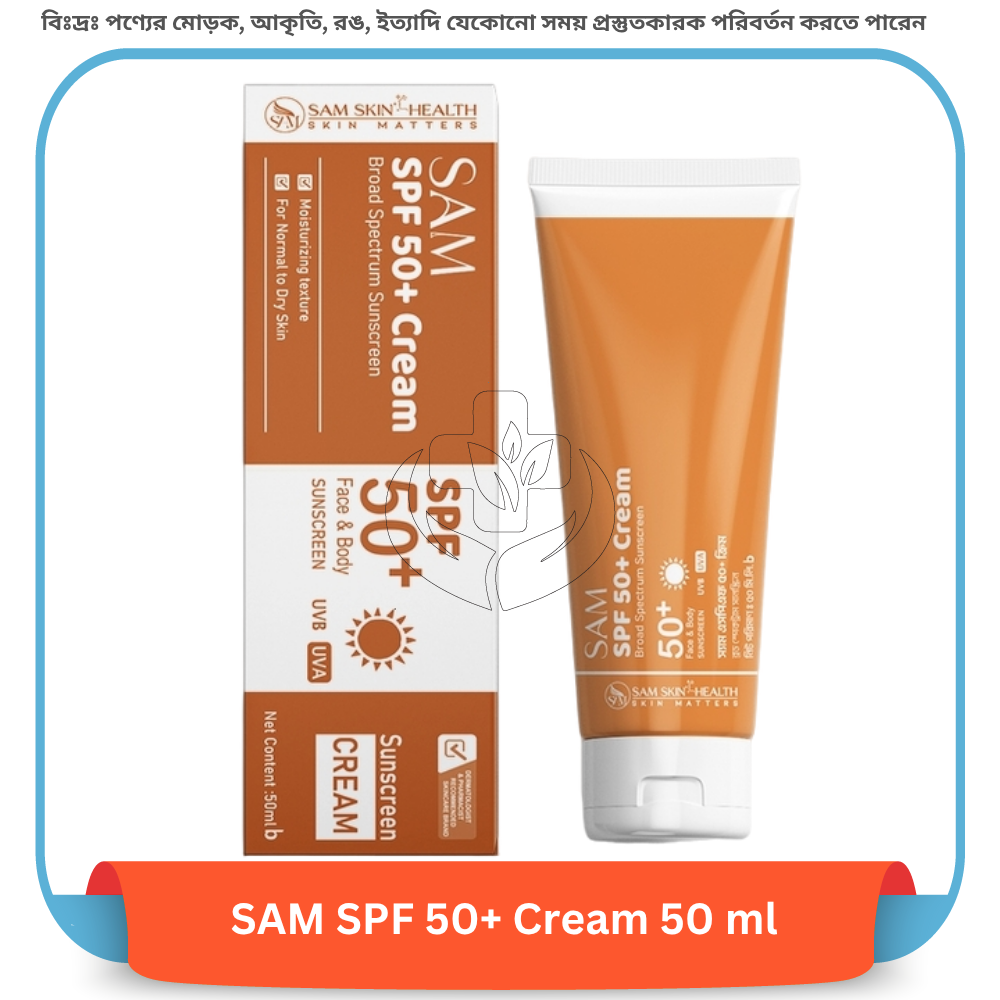
SAM SPF 50+ Cream 50 ml
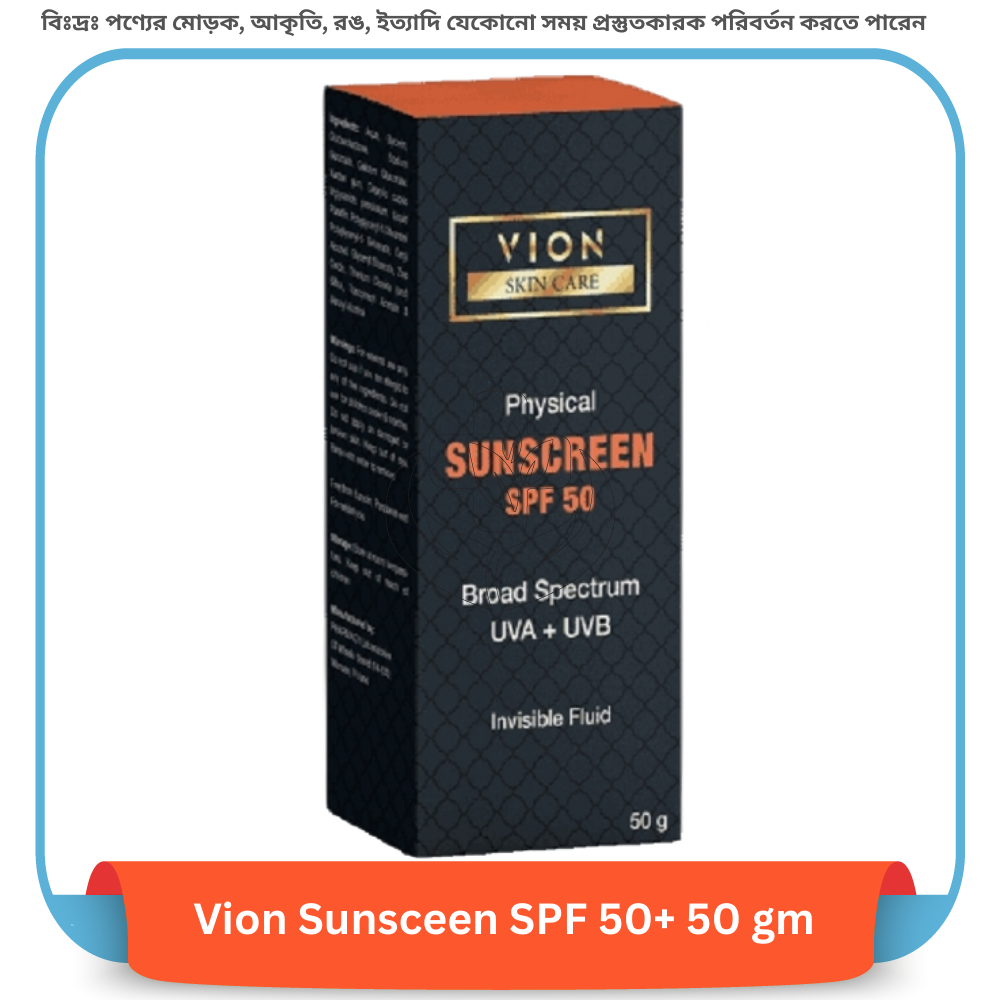
Vion Sunsceen SPF 50+ 50 gm
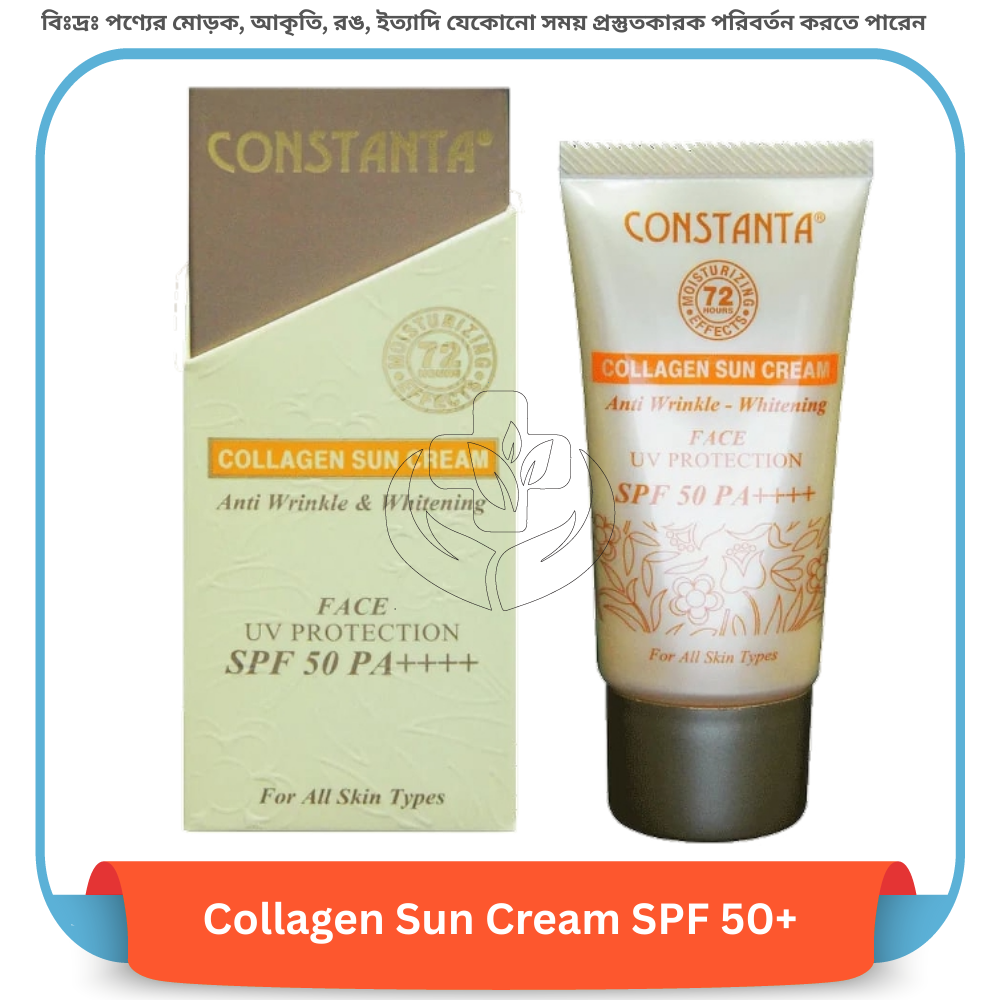
Constanta Collagen Sun Cream SPF 50+ 30 ml
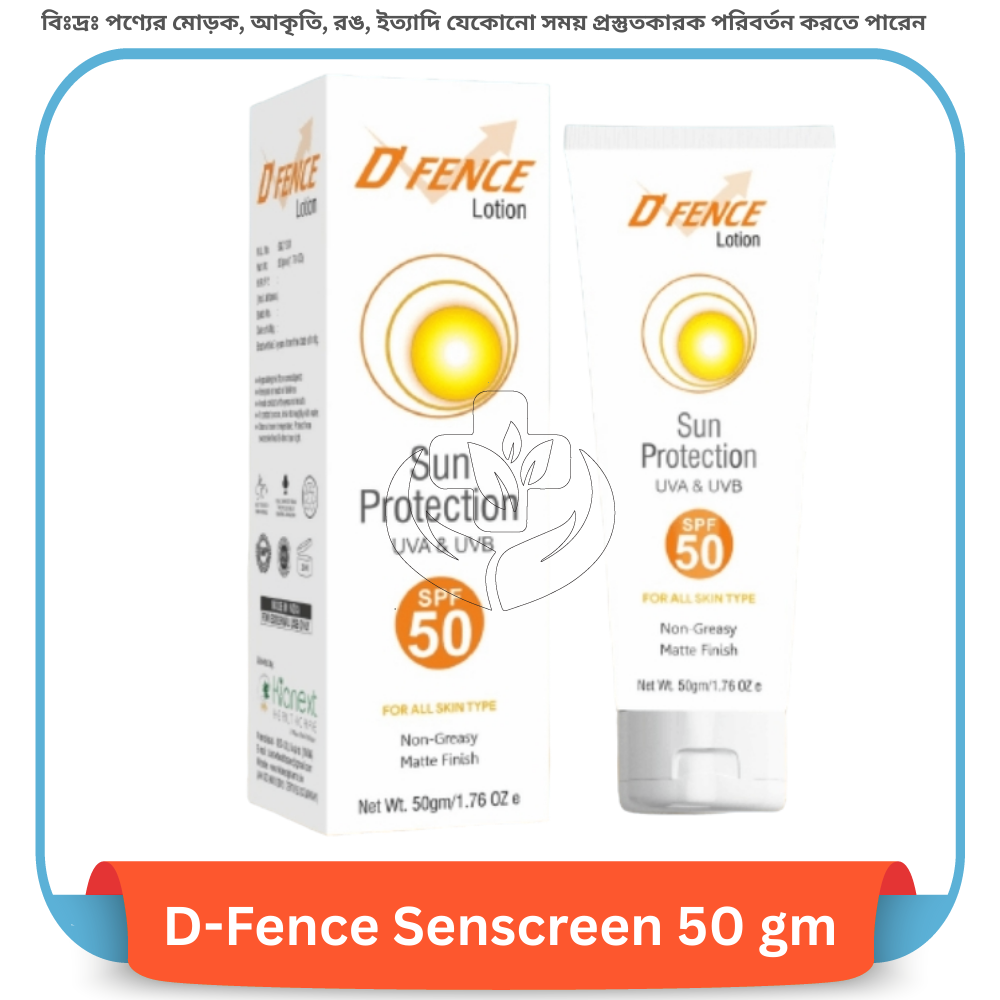
D-Fence Senscreen 50 gm
Ranong Spc SPF 50+ 50 gm
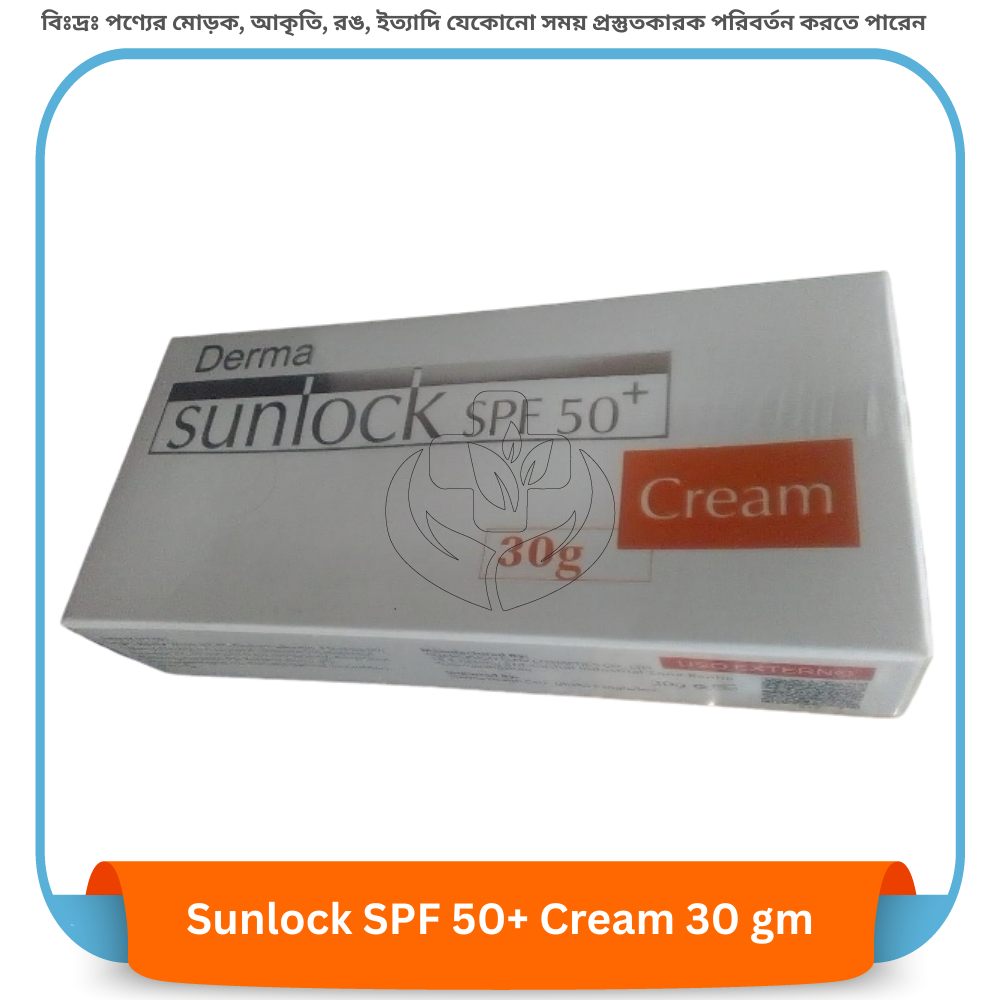
Sunlock SPF 50+ Cream 30 gm
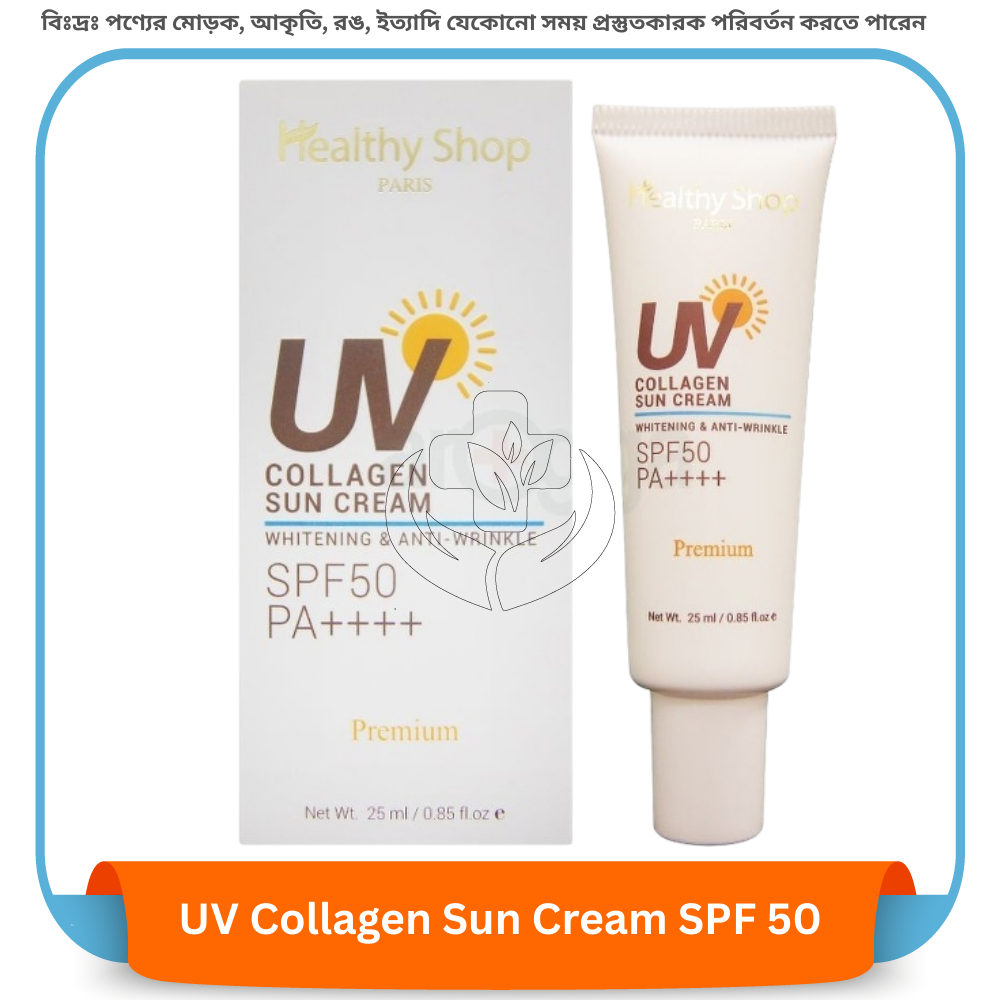
Healthy Soap UV Collagen Sun Cream SPF 50+ 25ml
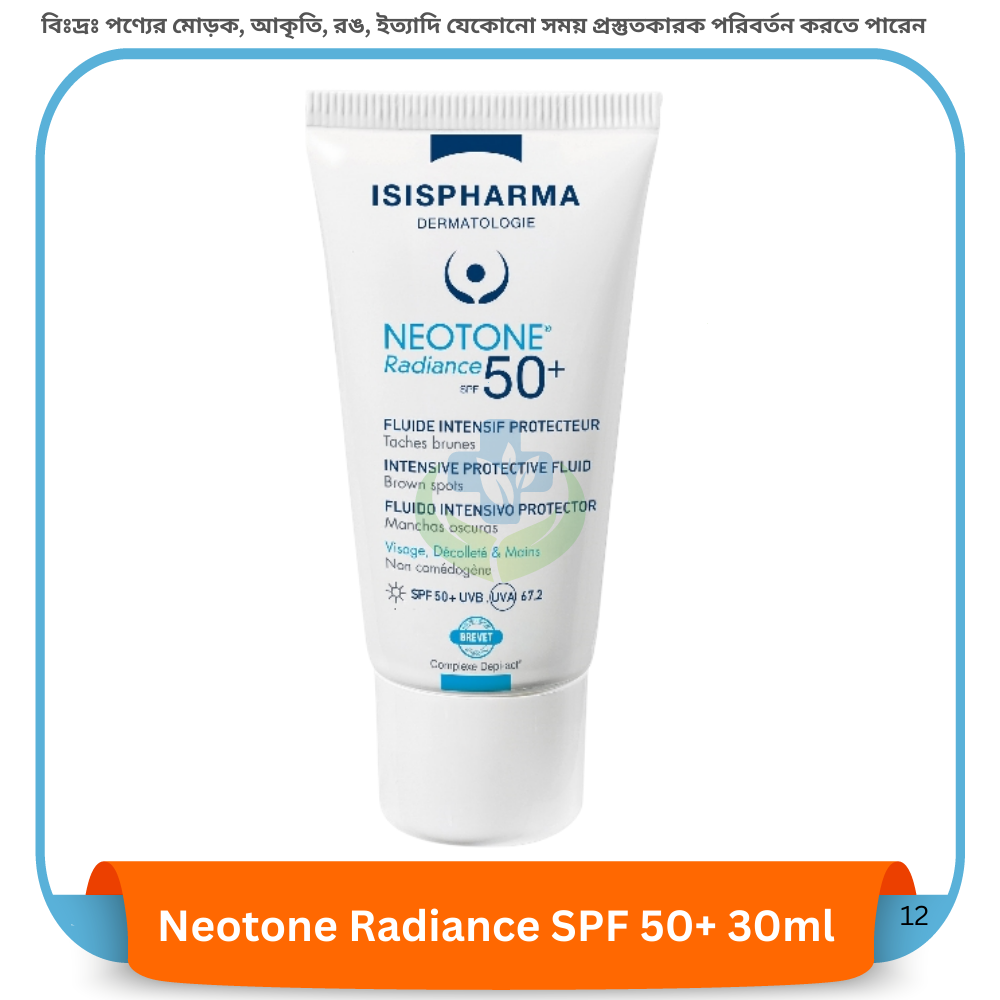
Neotone Radiance SPF 50+ 30ml
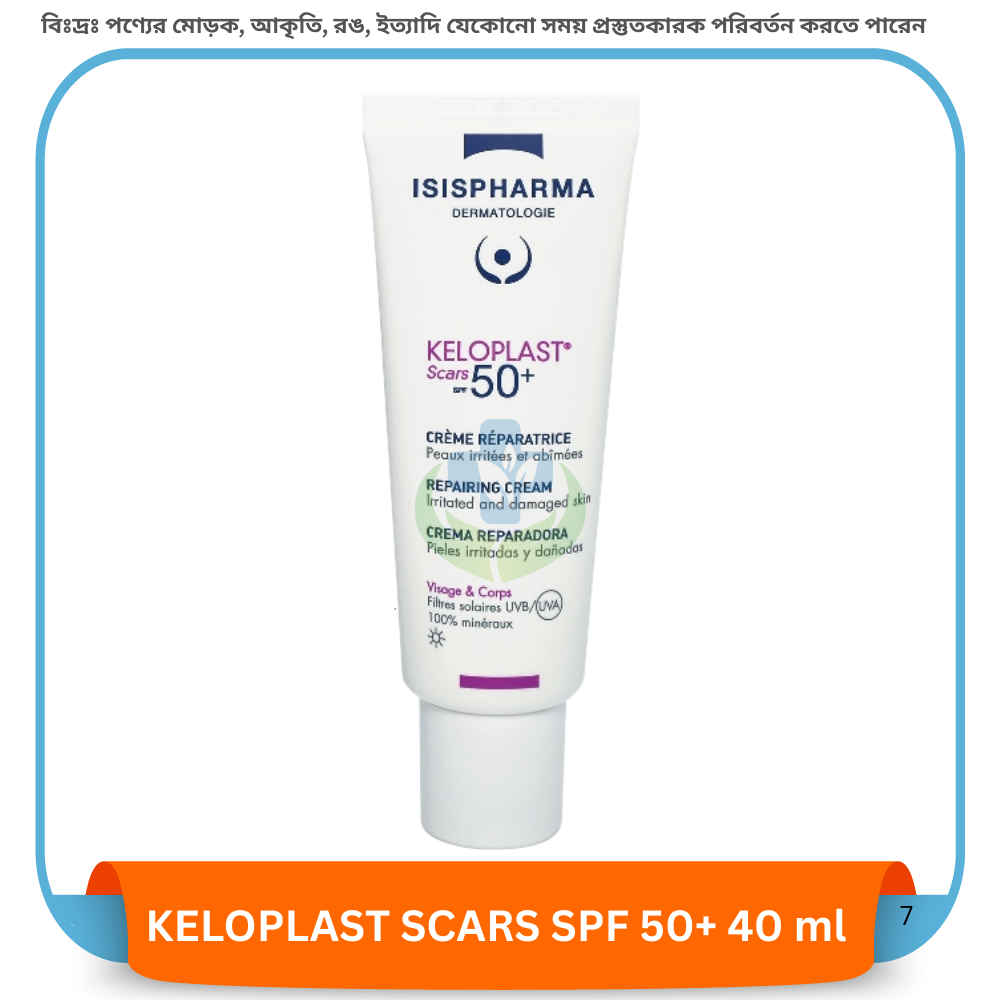
KELOPLAST SCARS SPF 50+ 40 ml
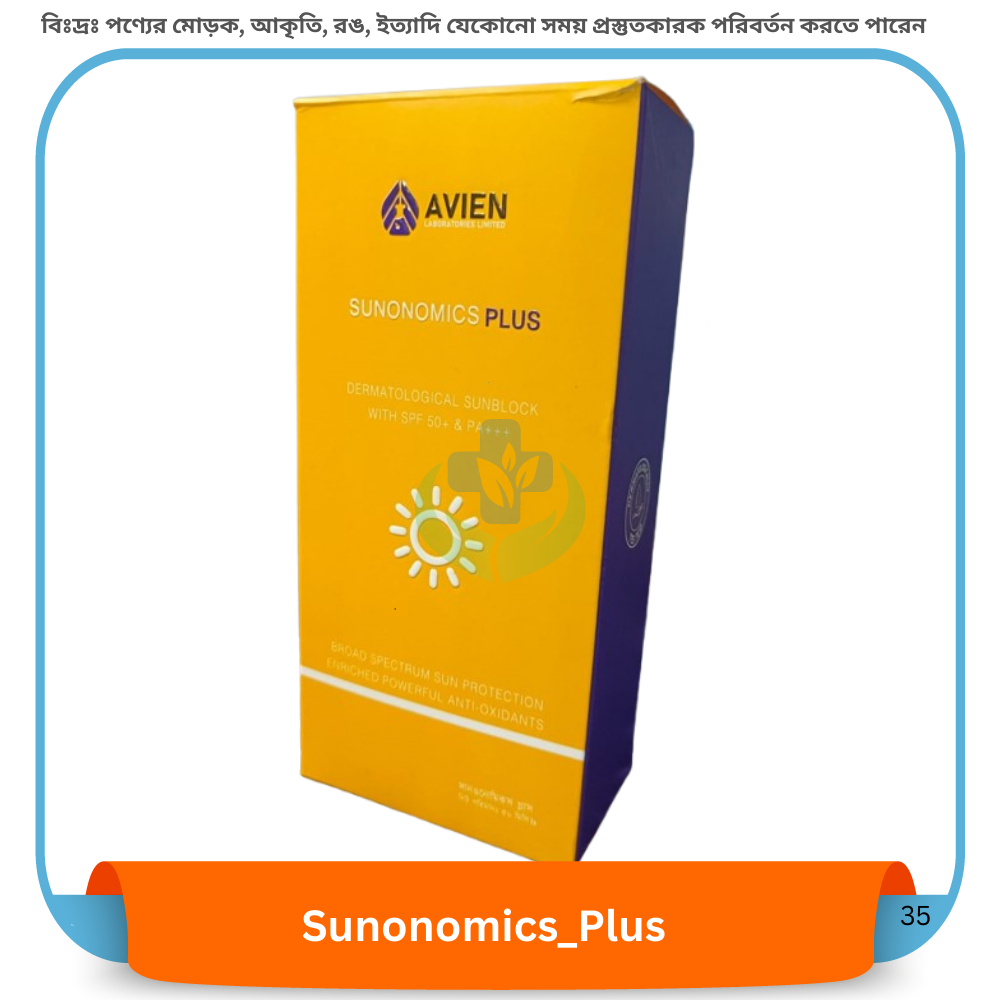
Sunonomics Plus 50 ml
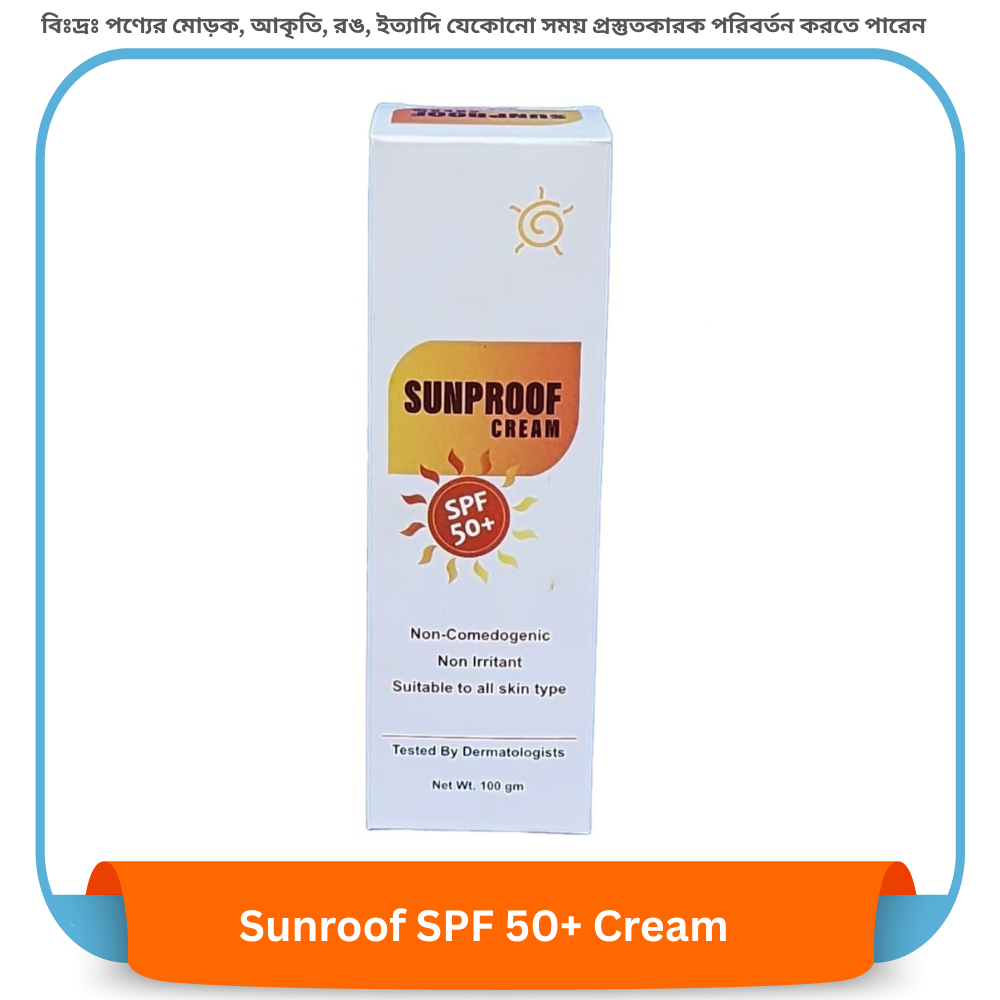
Sunroof SPF 50+ Cream 100 gm
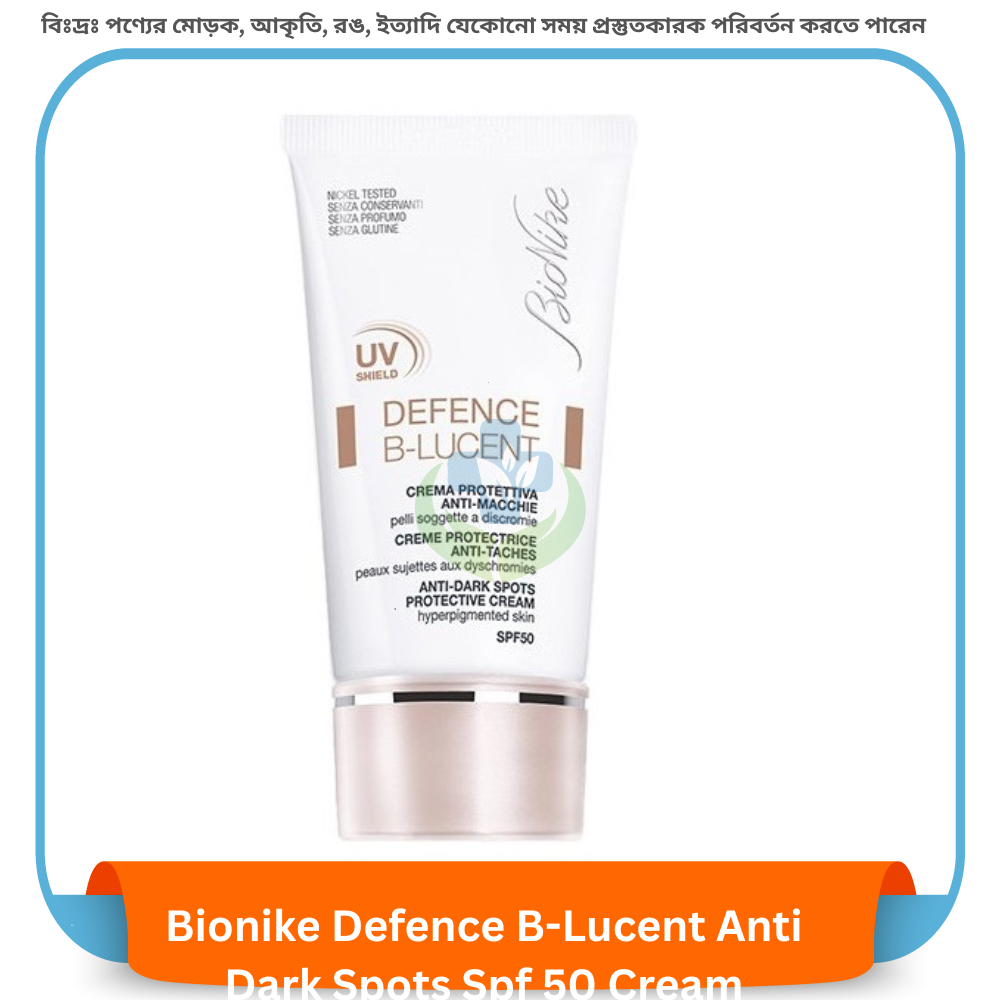
Bionike Defence B-Lucent Anti Dark Spots Spf 50 Cream 40ml
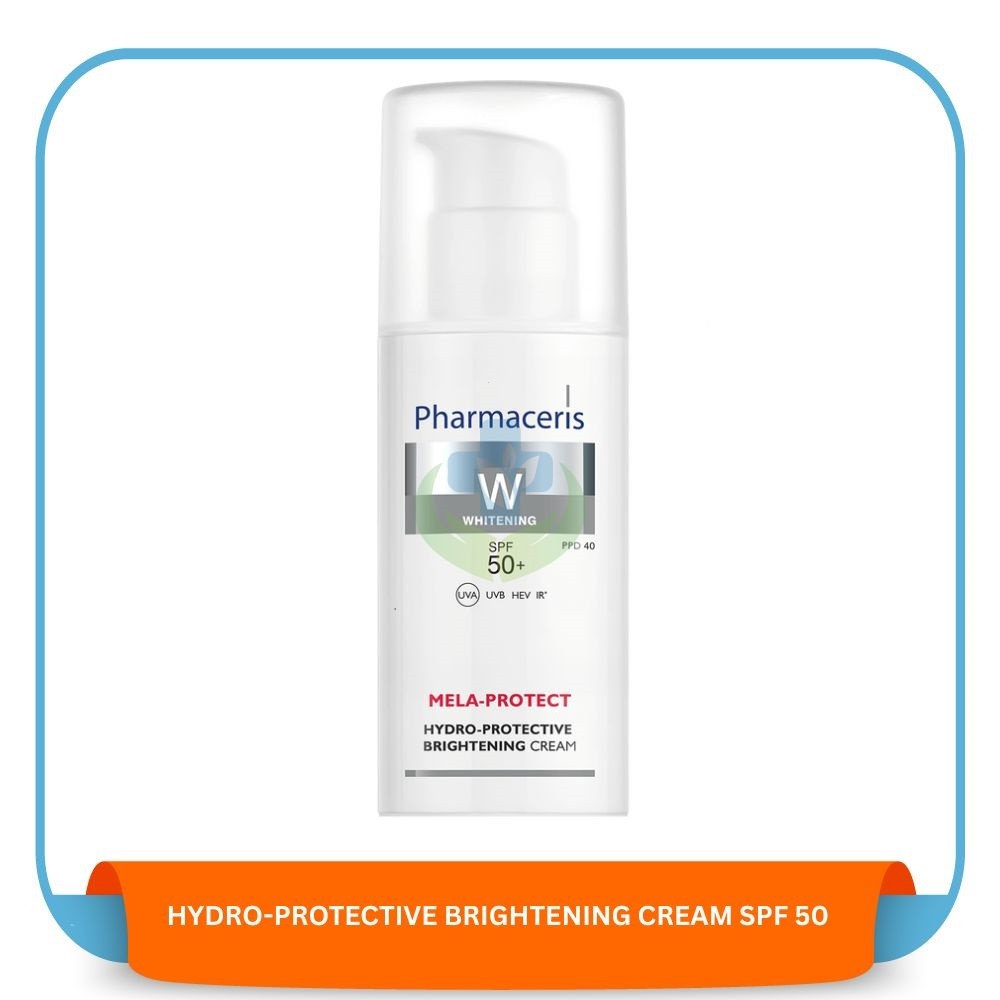
HYDRO-PROTECTIVE BRIGHTENING CREAM SPF 50+ 50 ml


Contact Info
- Address: DOHS, Mirpur, Dhaka
- Phone: 01336 242 804
- Email: order@careonbd.com