







Vion Sunsceen SPF 50+ 50 gm
+88 01568-208768
-

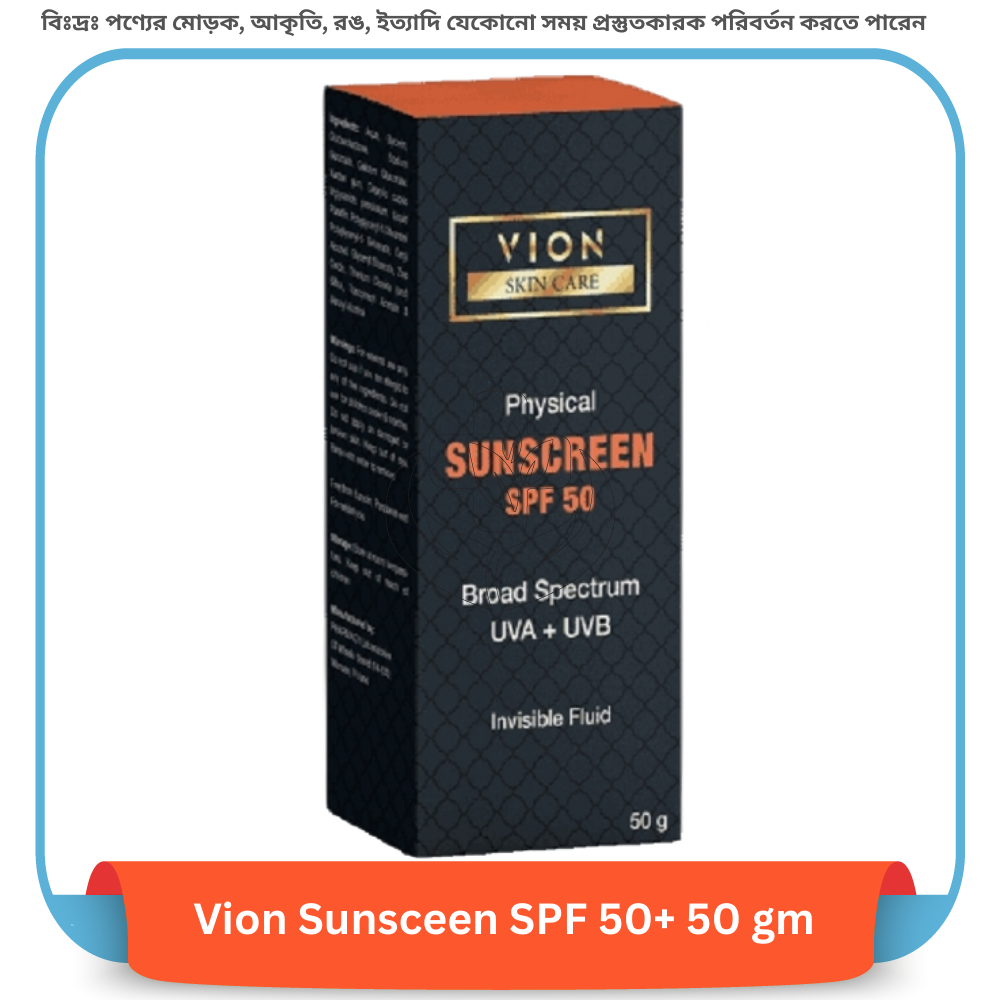
Senacap 500 Capsule 10 pcs
৳617.50 -
Xiovit D3 Pediatric Drops 30 ml
৳502.90 -
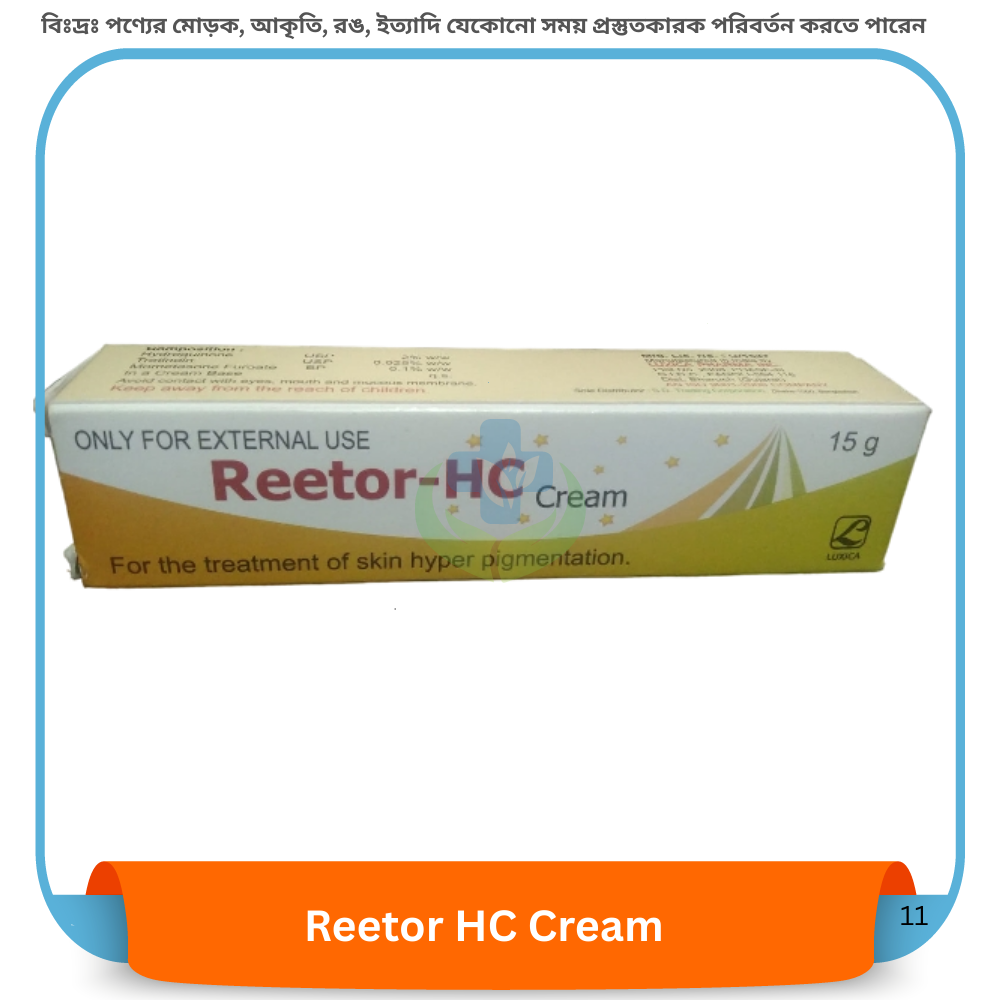
Reetor HC Cream 15 gm
৳841.30 -
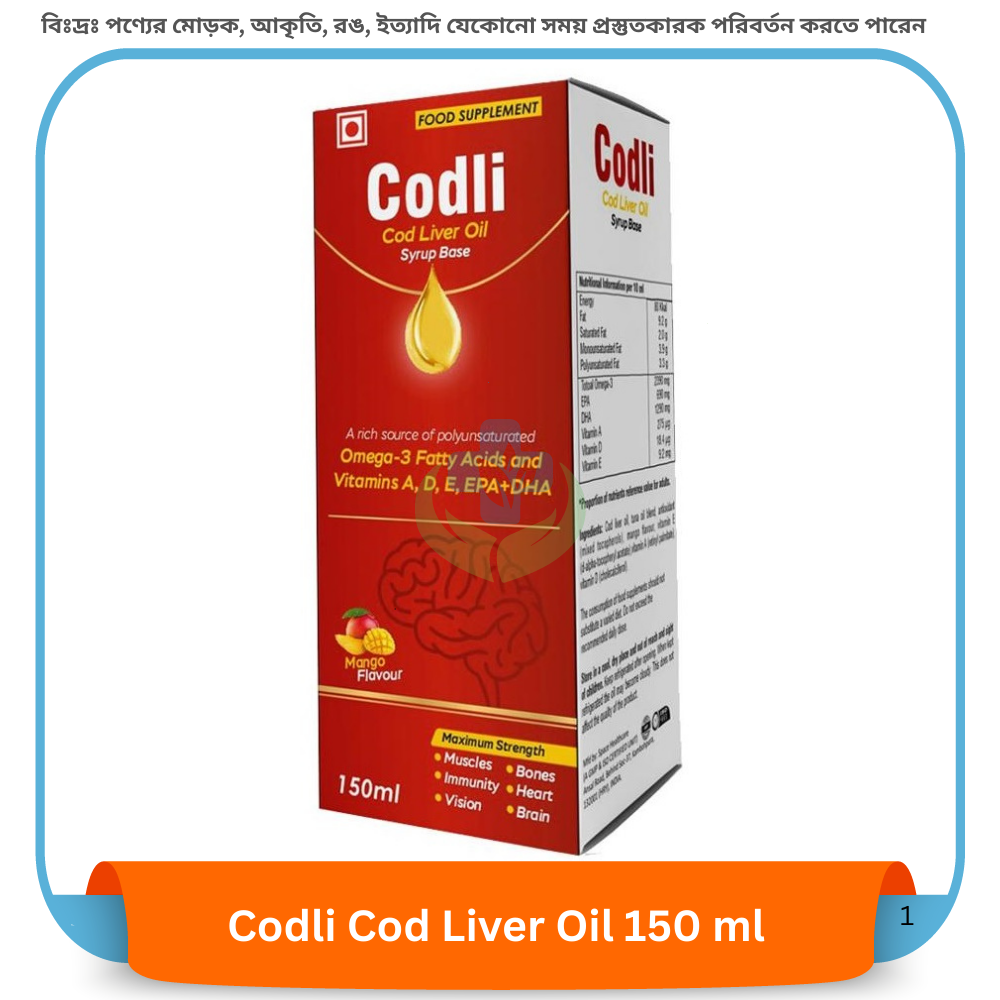
Codli Cod Liver Oil 150 ml
৳1,567.50 -
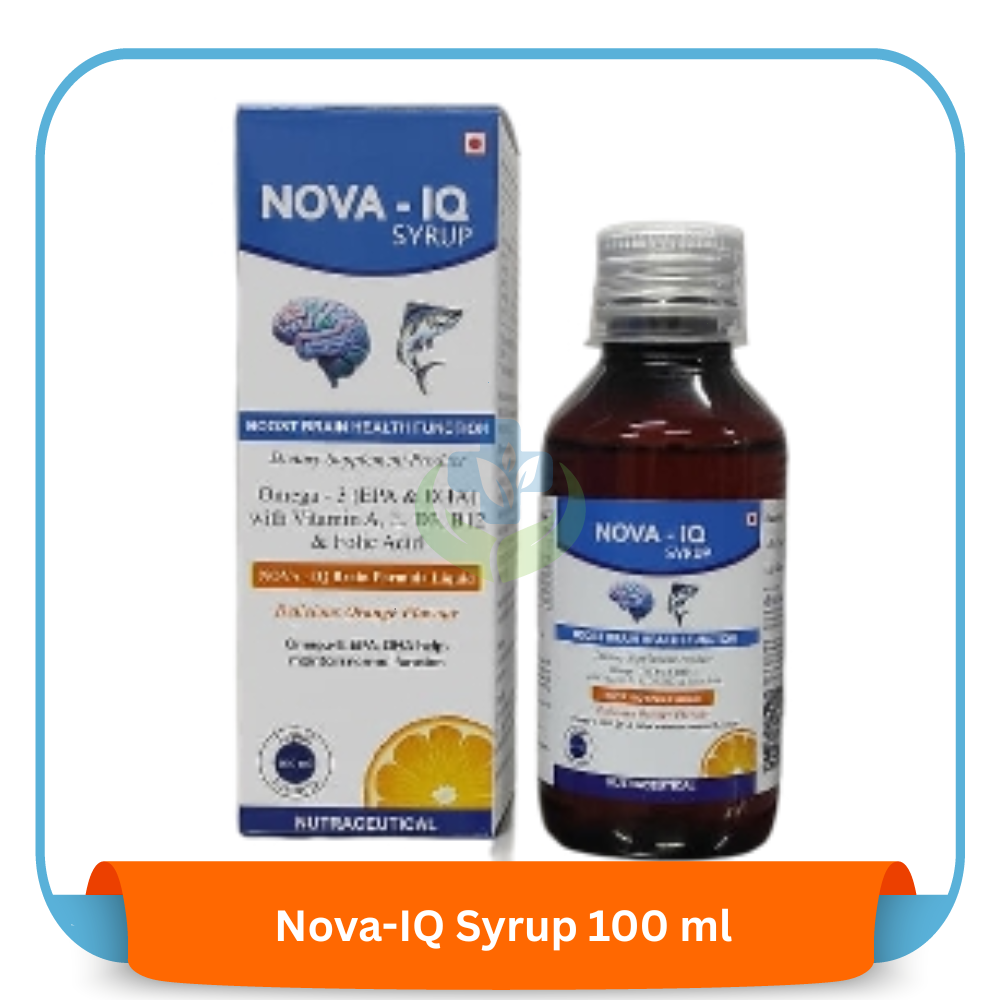
Nova-IQ Syrup 100 ml
৳714.40 -
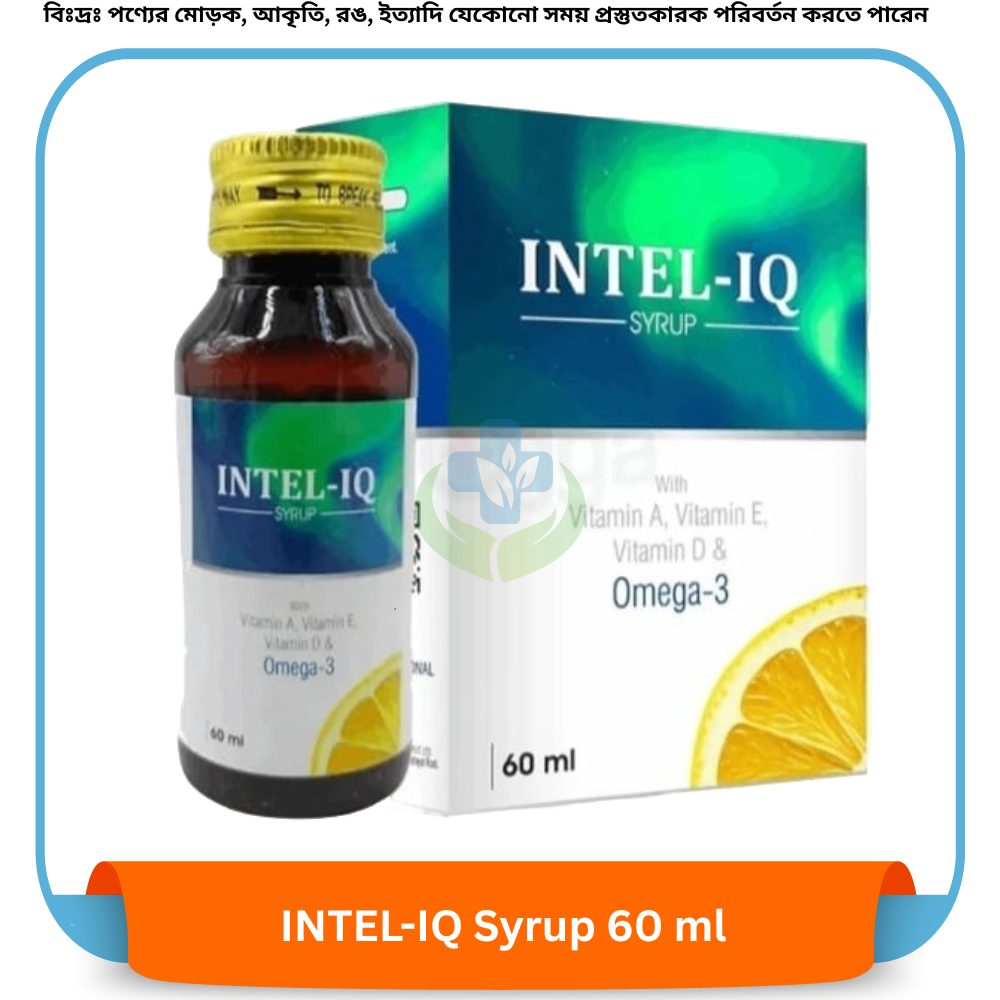
INTEL-IQ Syrup 60 ml
৳700.00
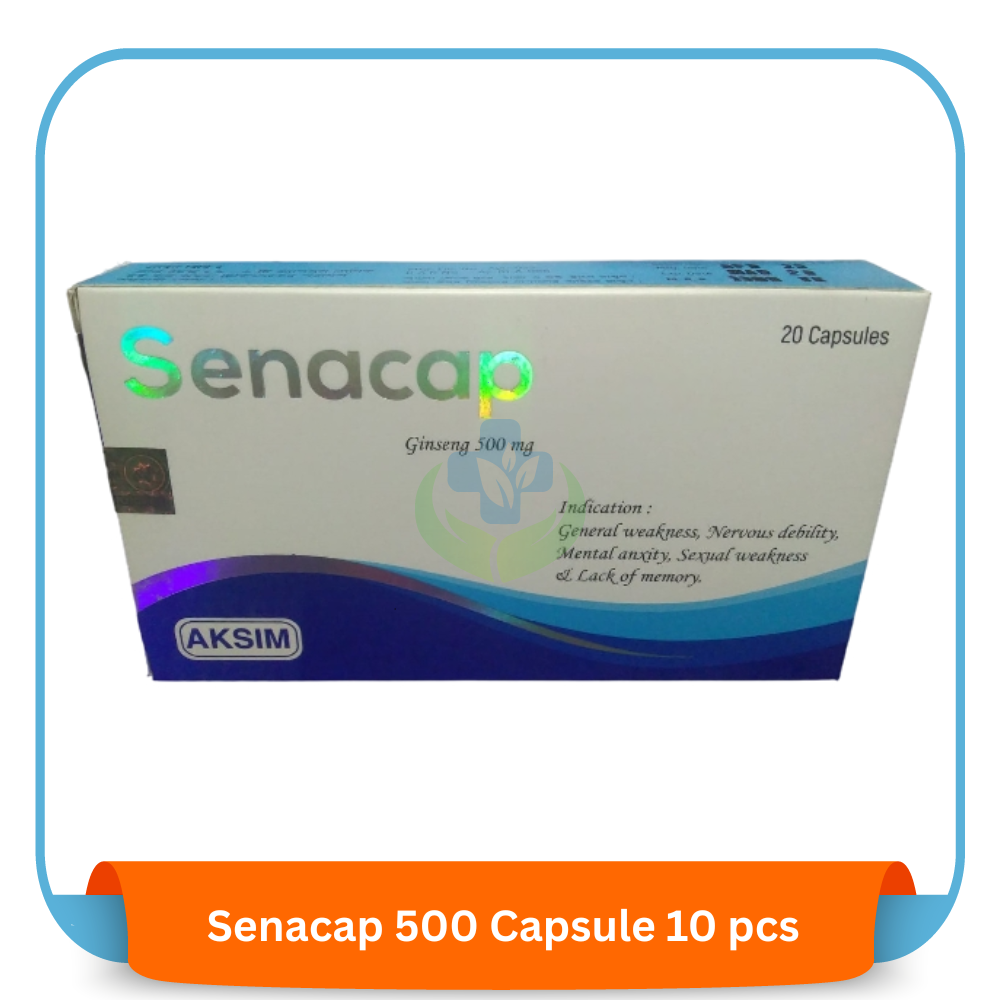
Vion Sunsceen SPF 50+ is a high-protection,
mineral-based, or, in some variations, physical/chemical combination sunscreen
designed to protect the skin from sun-induced damage.
Introduction of Vion Sunsceen SPF 50+
Vion
Sunscreen SPF 50+ is a dermatologically focused, light-tinted fluid that
provides broad-spectrum protection against UVA and UVB rays. It is designed to
act as a barrier to prevent skin damage, often focusing on mitigating the
effects of sun exposure such as premature aging, dark spots, and sunburn. It is
often described as a mineral-based or physical-barrier formula suitable for
daily use.
Benefits of Vion Sunsceen SPF 50+
High Broad-Spectrum
Protection: Offers SPF 50+ protection,
filtering approximately 98% of UVB radiation.
Ø Prevents Photo-damage: Protects
against UV-induced skin damage, including premature aging, fine lines, and
sunspots.
Ø Lightly Tinted: The
light tint helps even out skin tone and avoids the typical white cast
associated with high-SPF mineral sunscreens.
Ø Lightweight Formulation: Designed
as a fluid, it is generally light on the skin and suitable for daily,,
non-greasy application.
Ø Reduces Sunburn and Tanning: Effectively
prevents skin darkening and burns.
Ingredients of Vion Sunsceen SPF 50+
Key Action Mechanism: The
product is based on minerals that act in a physical way to reflect UVA/UVB
rays.
Ø Note on Composition: Specific
inactive ingredients are not fully listed in the search results, but it is
identified as a mineral-based or physical/chemical barrier formula.
Usage Instructions of Vion Sunsceen
SPF 50+
Application: Apply
generously 15–30 minutes before sun exposure.
Ø Coverage: Apply
to the face and all exposed skin areas.
Ø Reapplication: For
maximum protection, reapply every two hours, or after swimming, sweating, or
toweling.
Side Effects of Vion Sunsceen SPF
50+
While
Vion sunscreen is generally safe for skin protection, some users may experience
sensitivity. Potential side effects may include:
Ø Mild skin irritation or
redness.
Ø Itching or a light rash.
Ø If the product gets into the eyes, it may cause temporary stinging or watering.
Related products
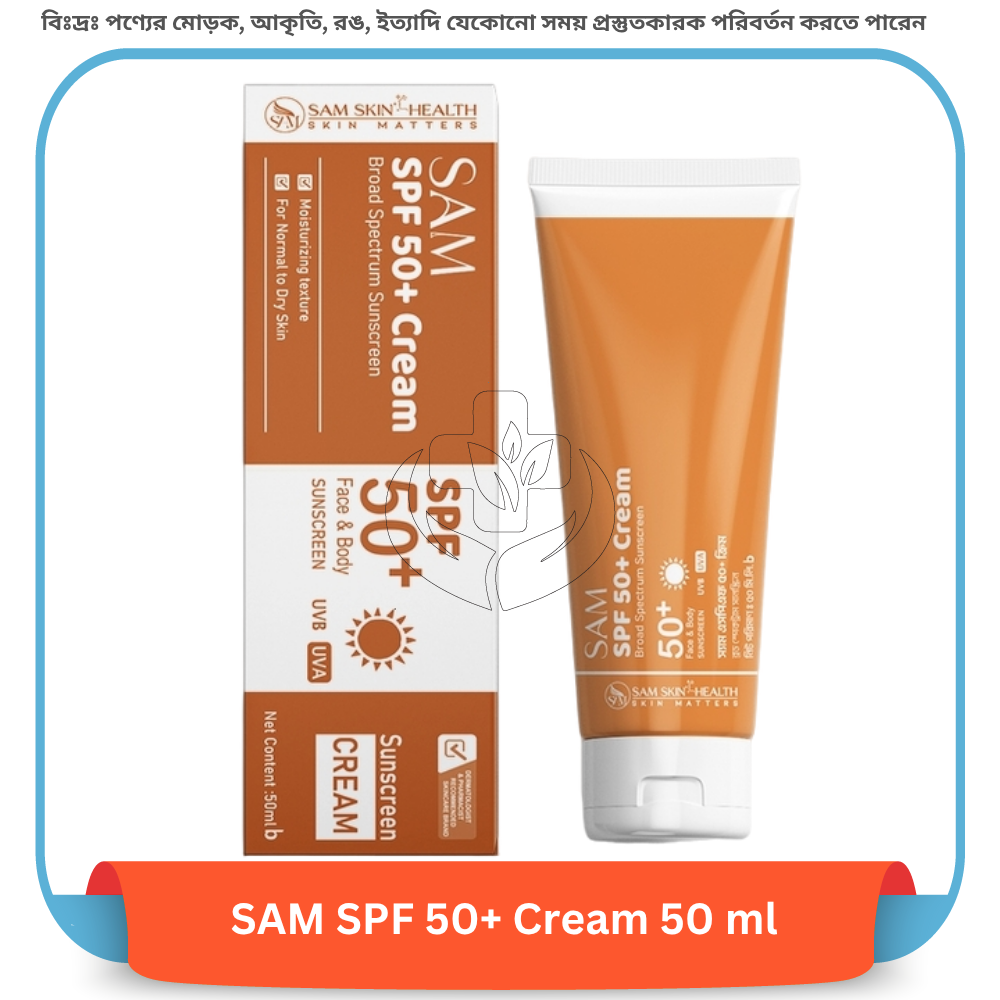
SAM SPF 50+ Cream 50 ml
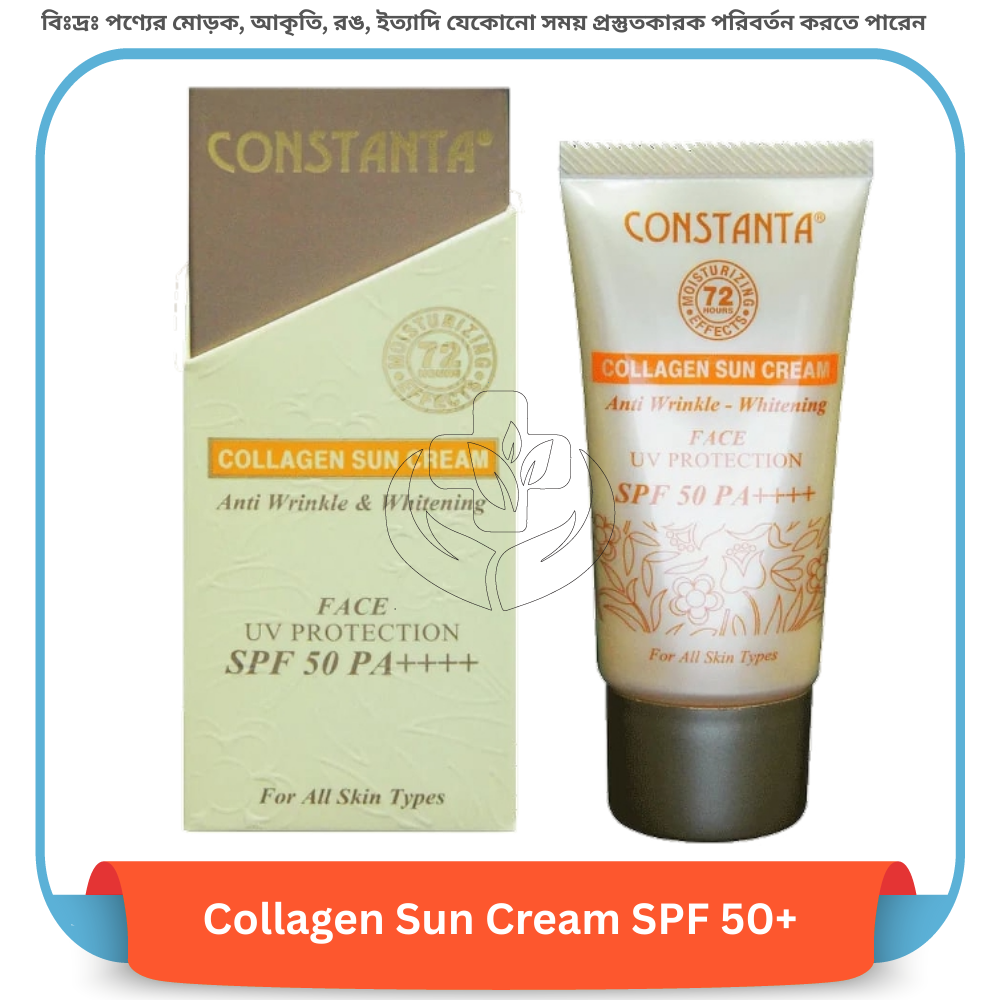
Constanta Collagen Sun Cream SPF 50+ 30 ml
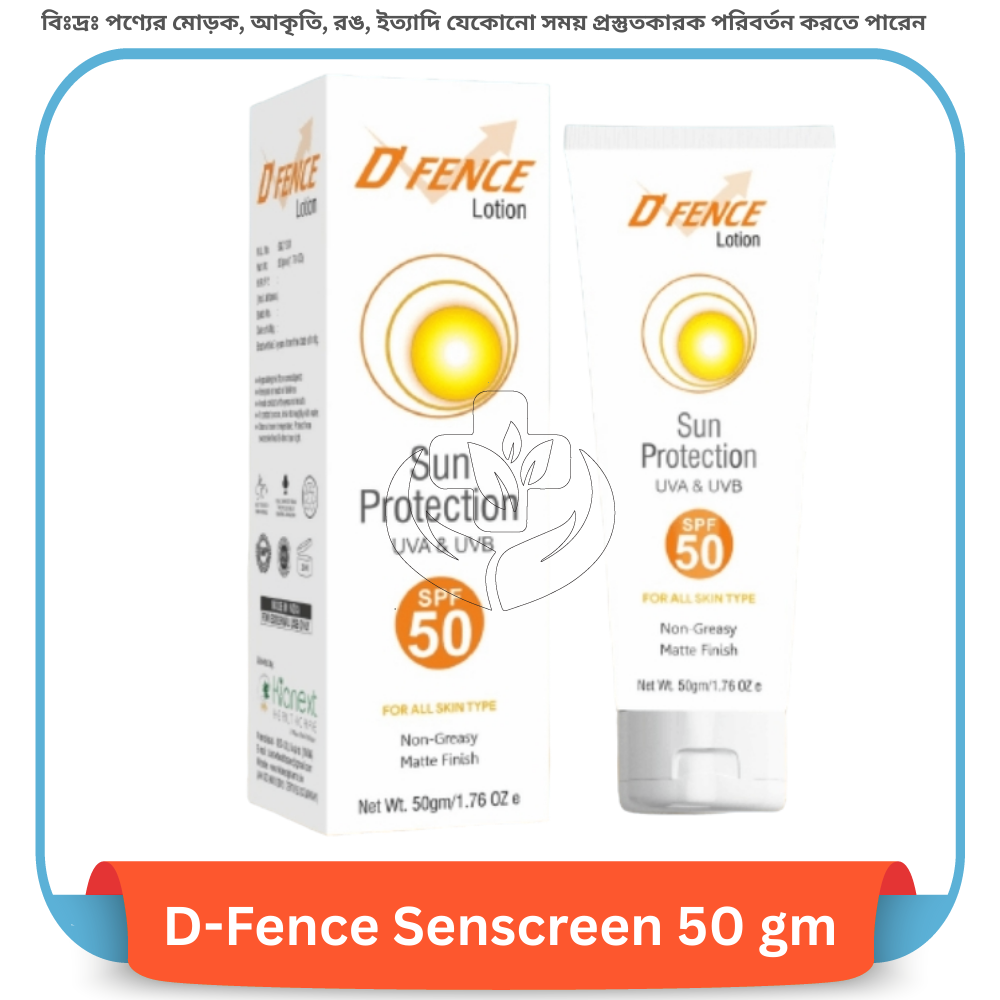
D-Fence Senscreen 50 gm
Ranong Spc SPF 50+ 50 gm
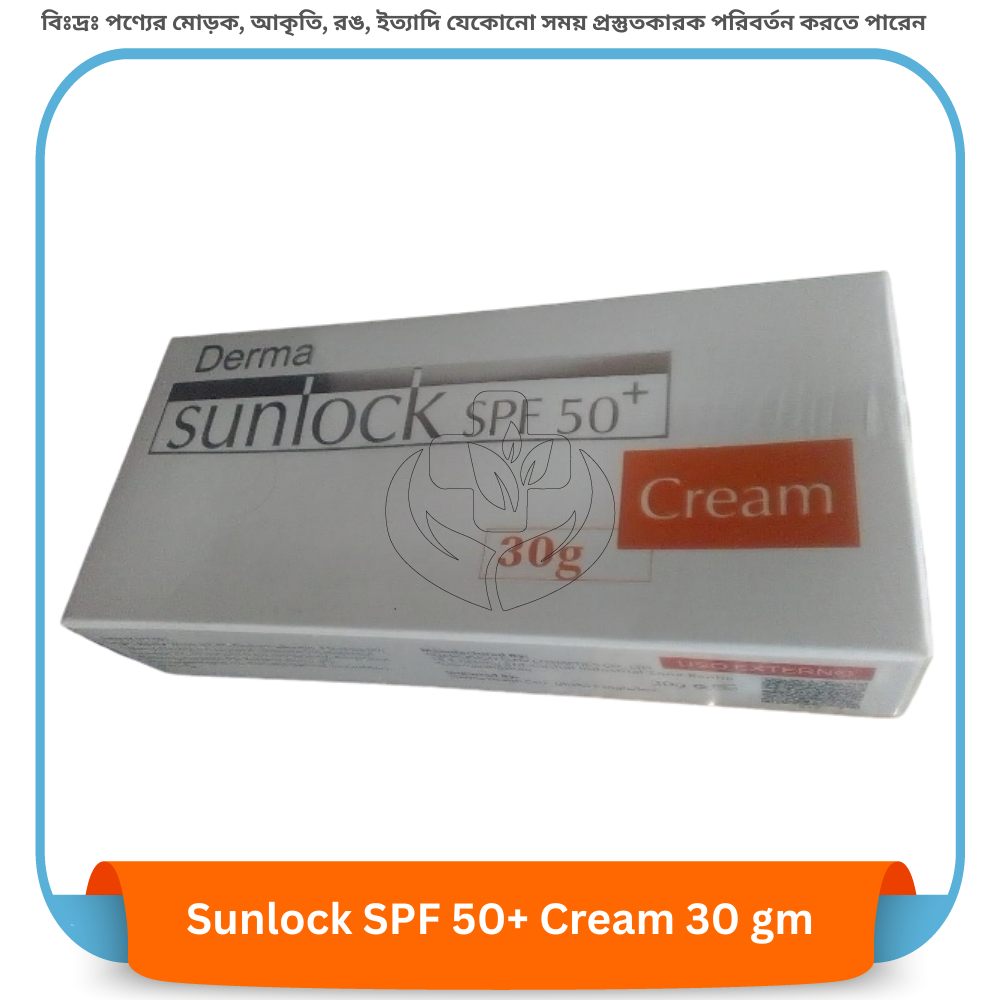
Sunlock SPF 50+ Cream 30 gm
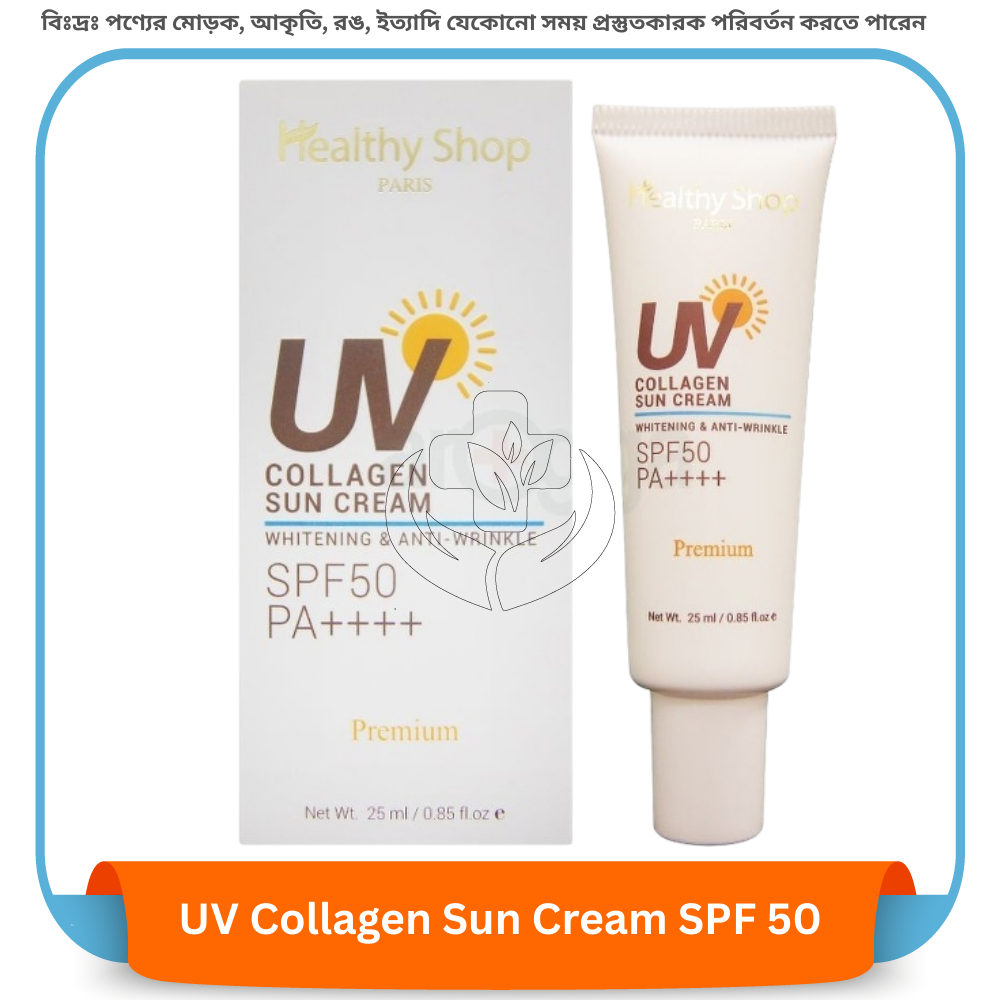
Healthy Soap UV Collagen Sun Cream SPF 50+ 25ml
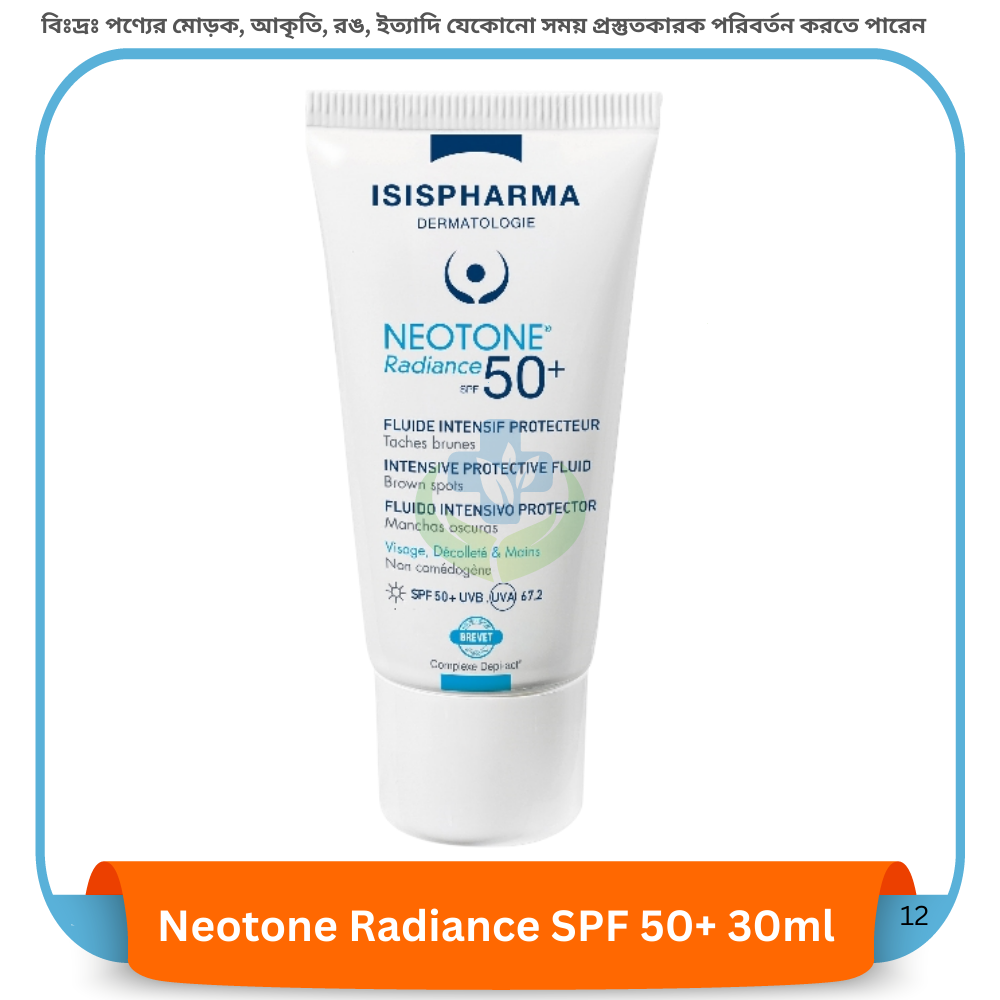
Neotone Radiance SPF 50+ 30ml
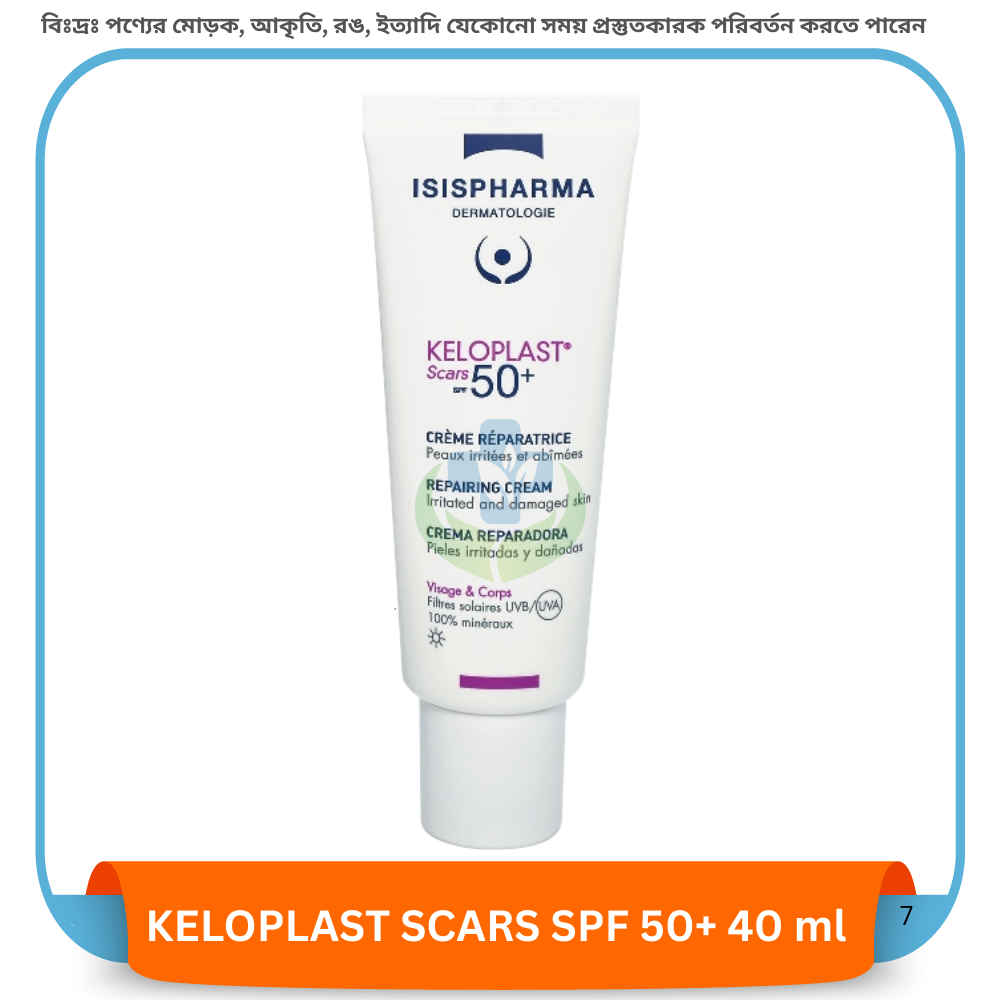
KELOPLAST SCARS SPF 50+ 40 ml
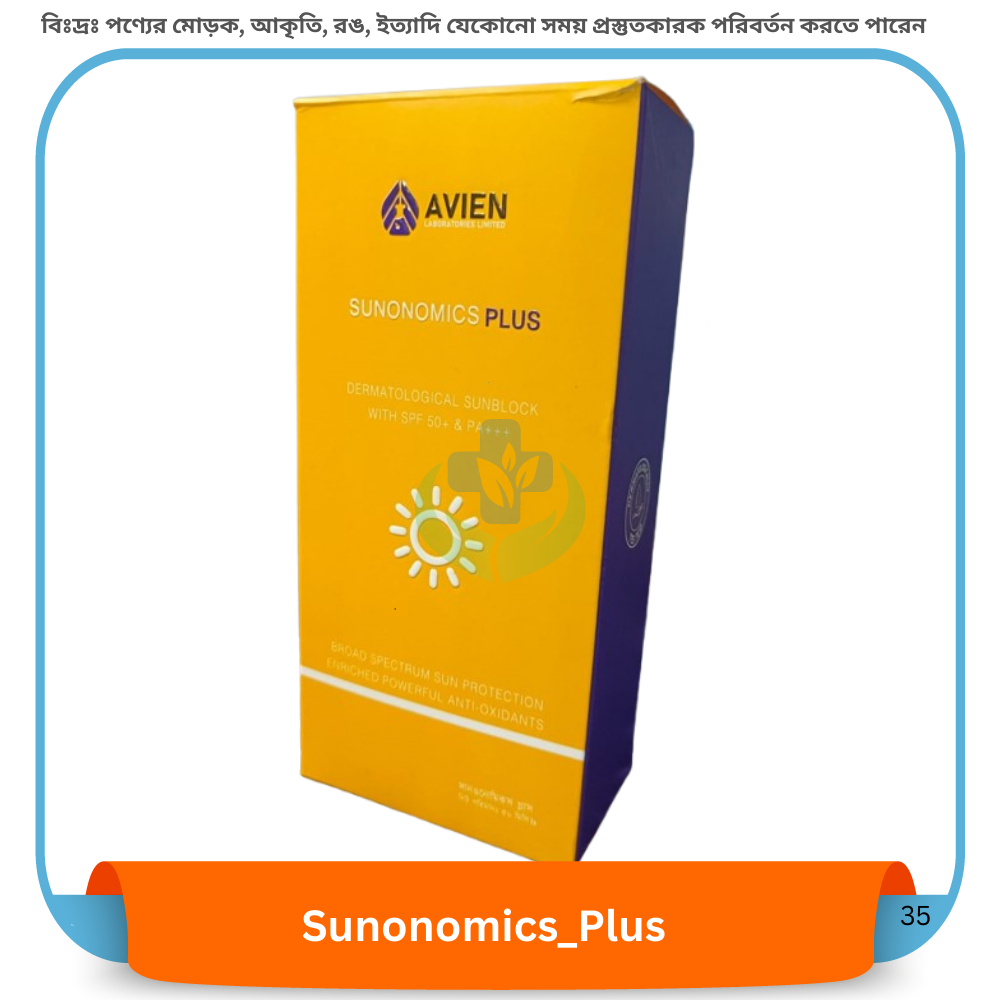
Sunonomics Plus 50 ml
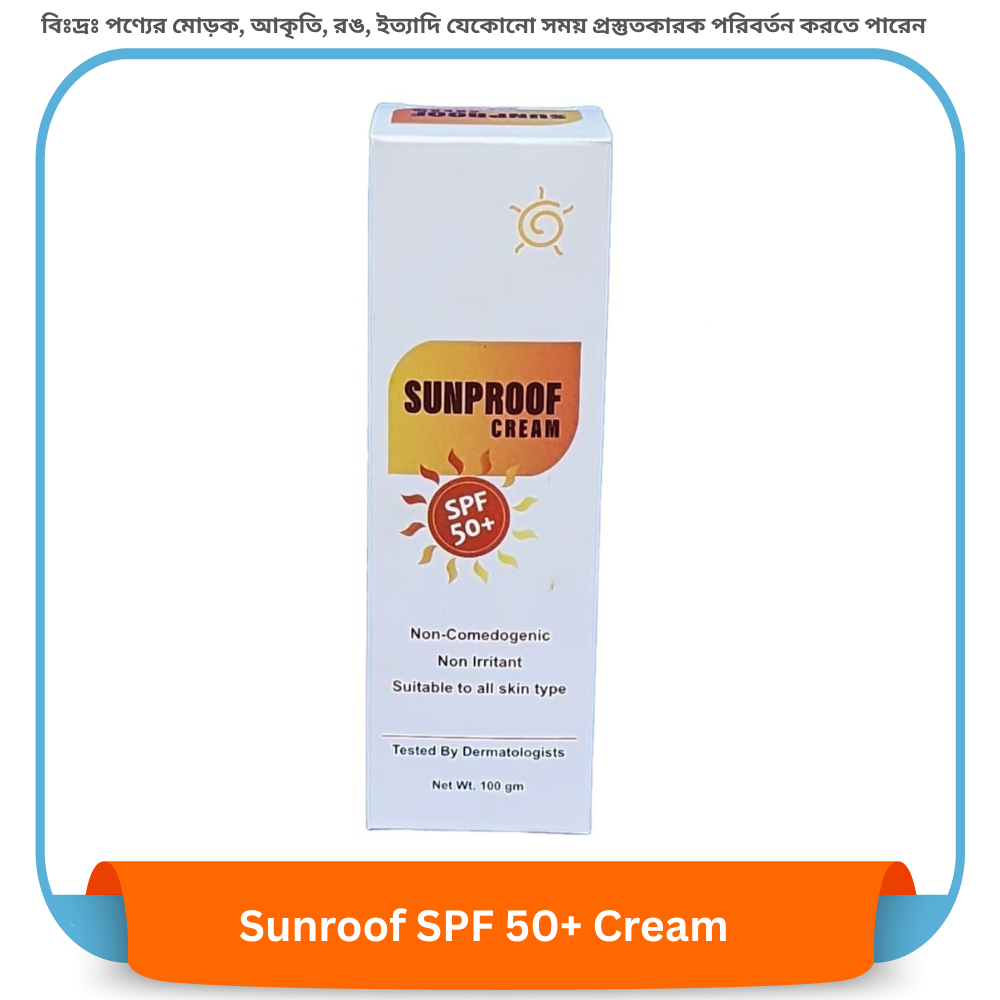
Sunroof SPF 50+ Cream 100 gm
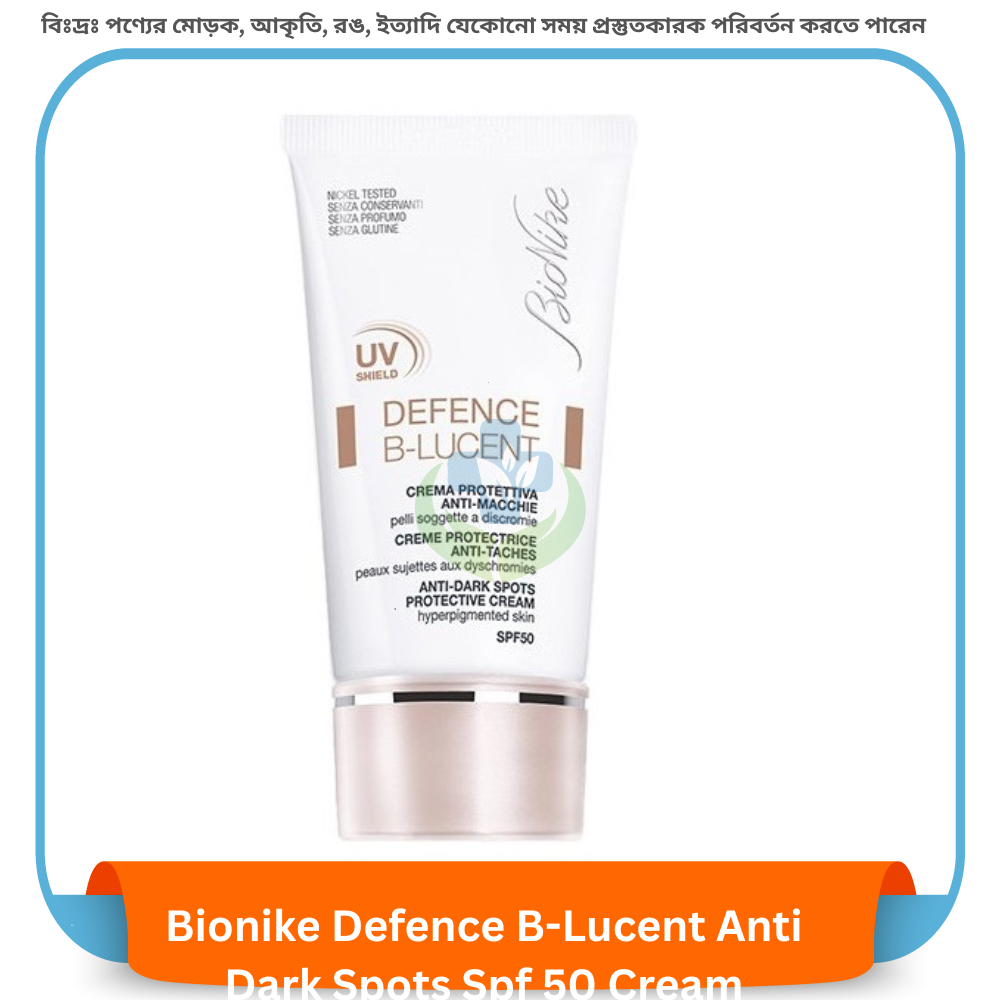
Bionike Defence B-Lucent Anti Dark Spots Spf 50 Cream 40ml
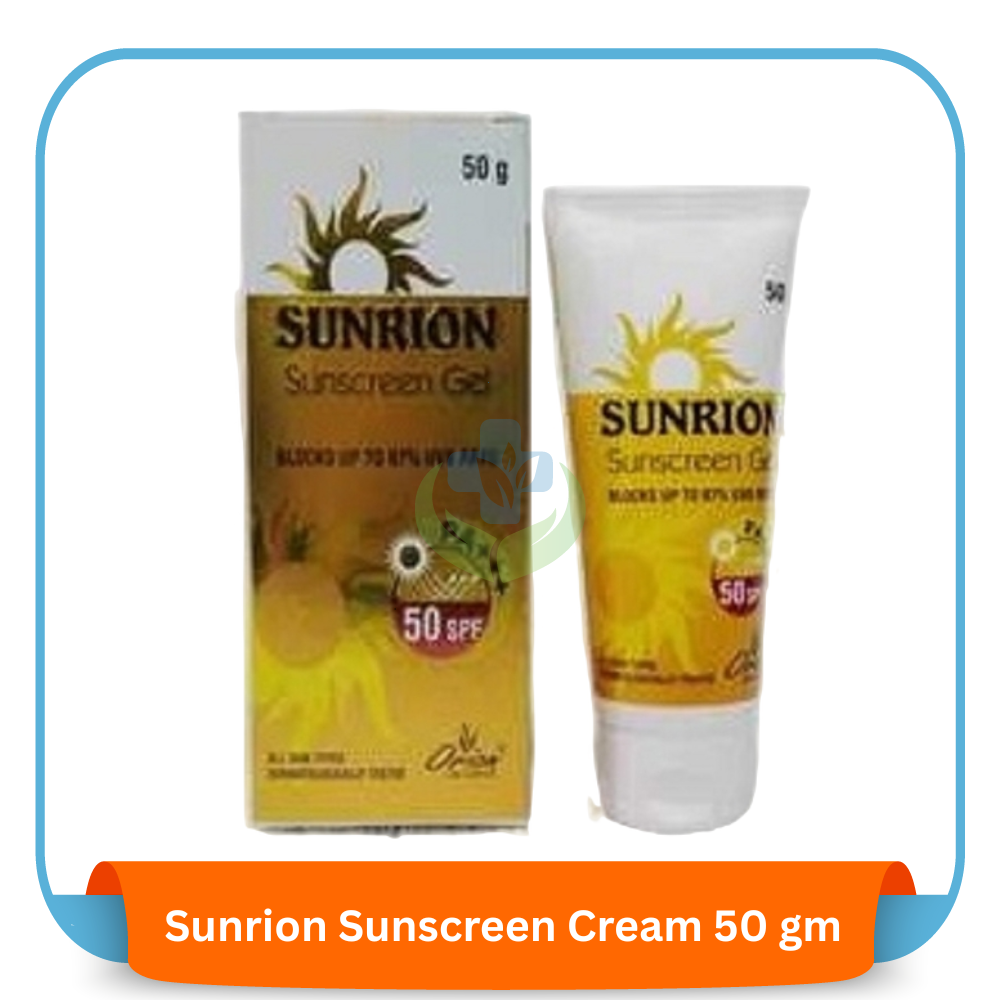
Sunrion Sunscreen Cream 50 gm
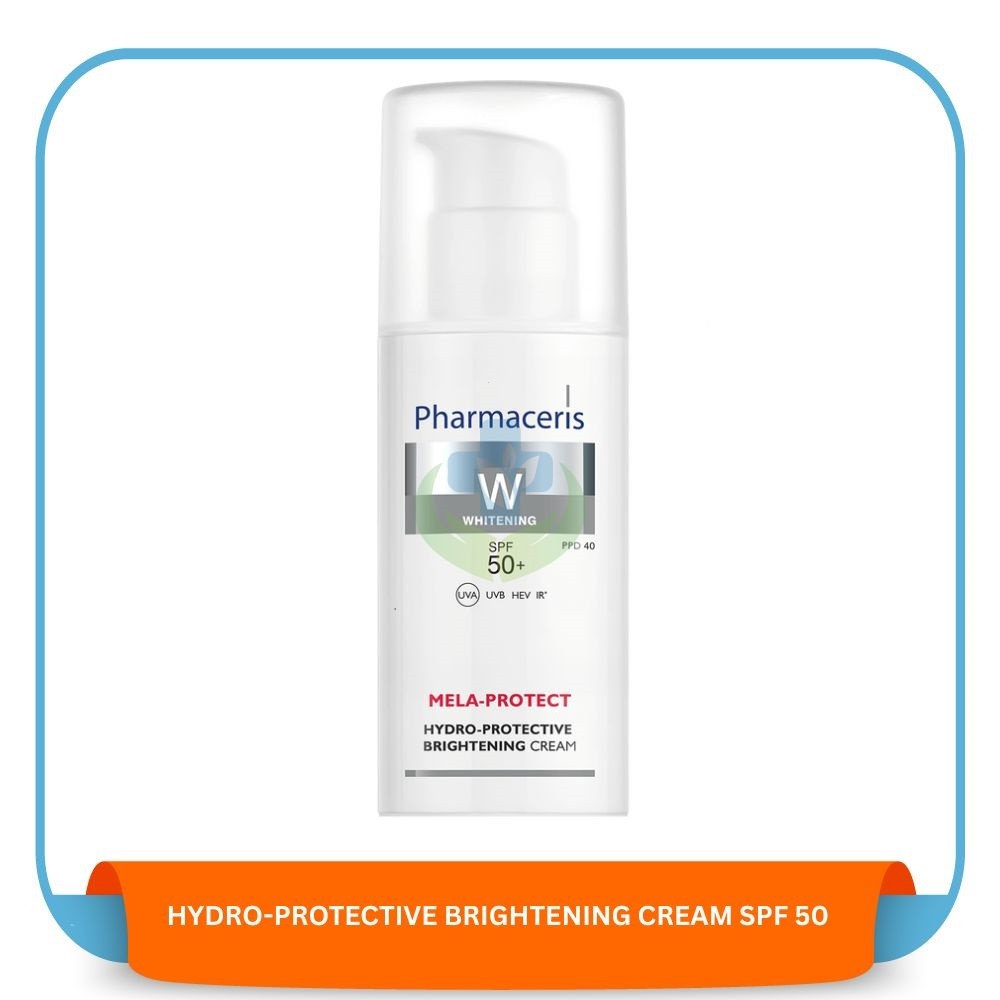
HYDRO-PROTECTIVE BRIGHTENING CREAM SPF 50+ 50 ml


Contact Info
- Address: DOHS, Mirpur, Dhaka
- Phone: 01336 242 804
- Email: order@careonbd.com